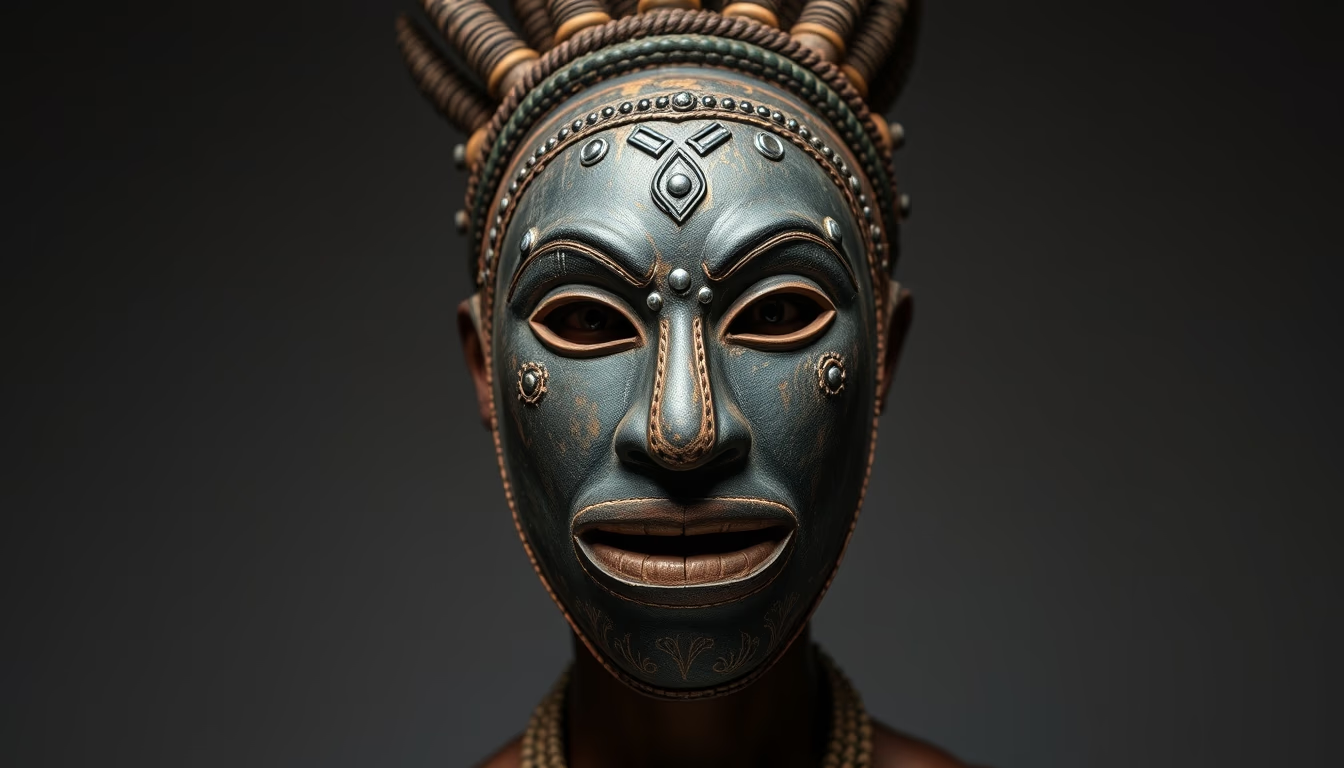
African tribal mask
1344×768 · AVIF · CC BY 4.0
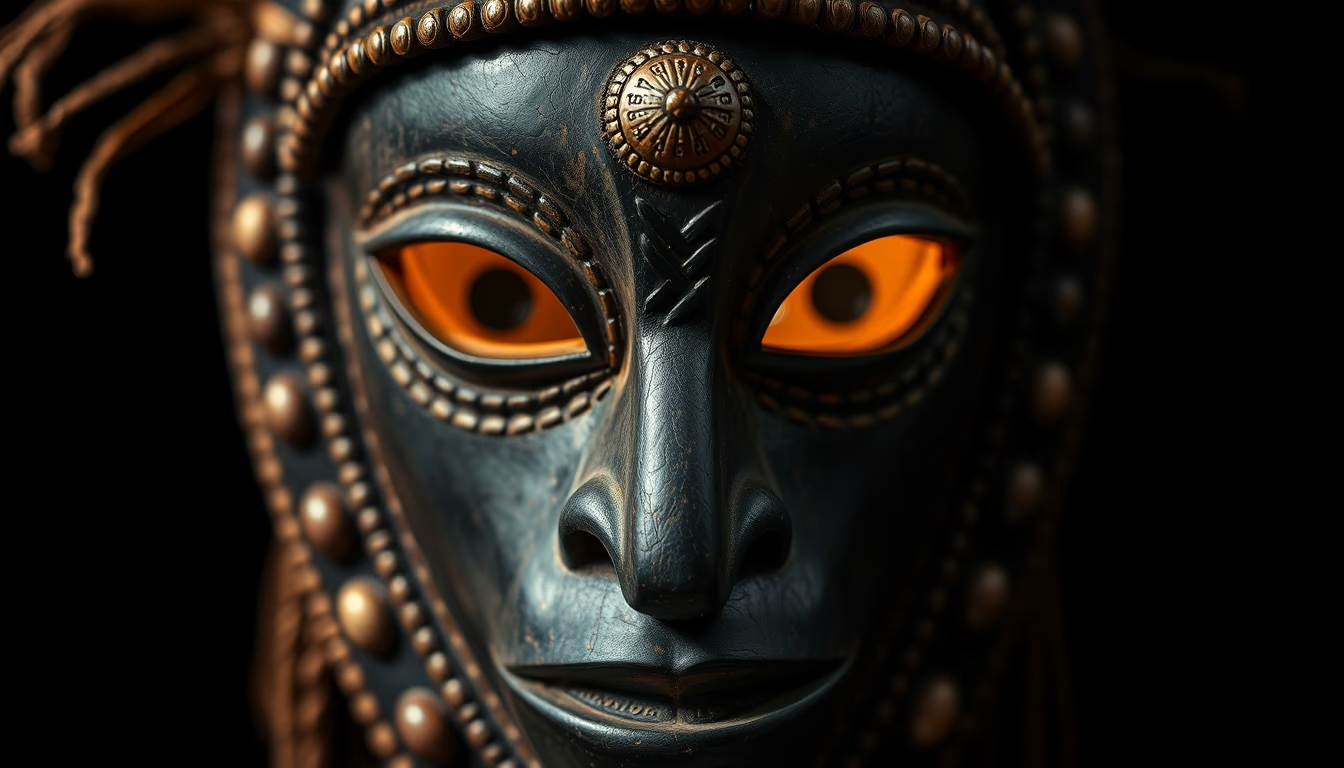
African tribal masks are ceremonial wooden artifacts used in rites of passage, harvest festivals, and ancestor veneration across Sub-Saharan African cultures.
About this subject
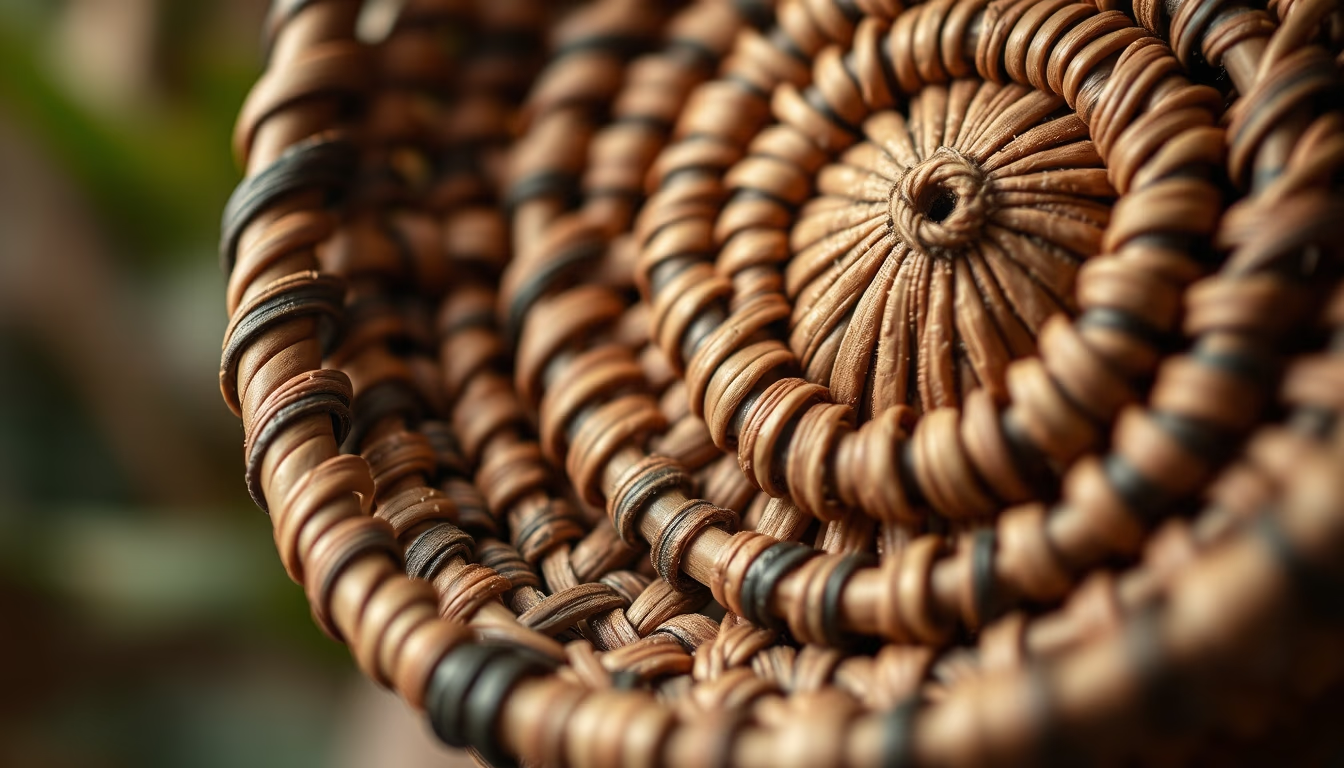
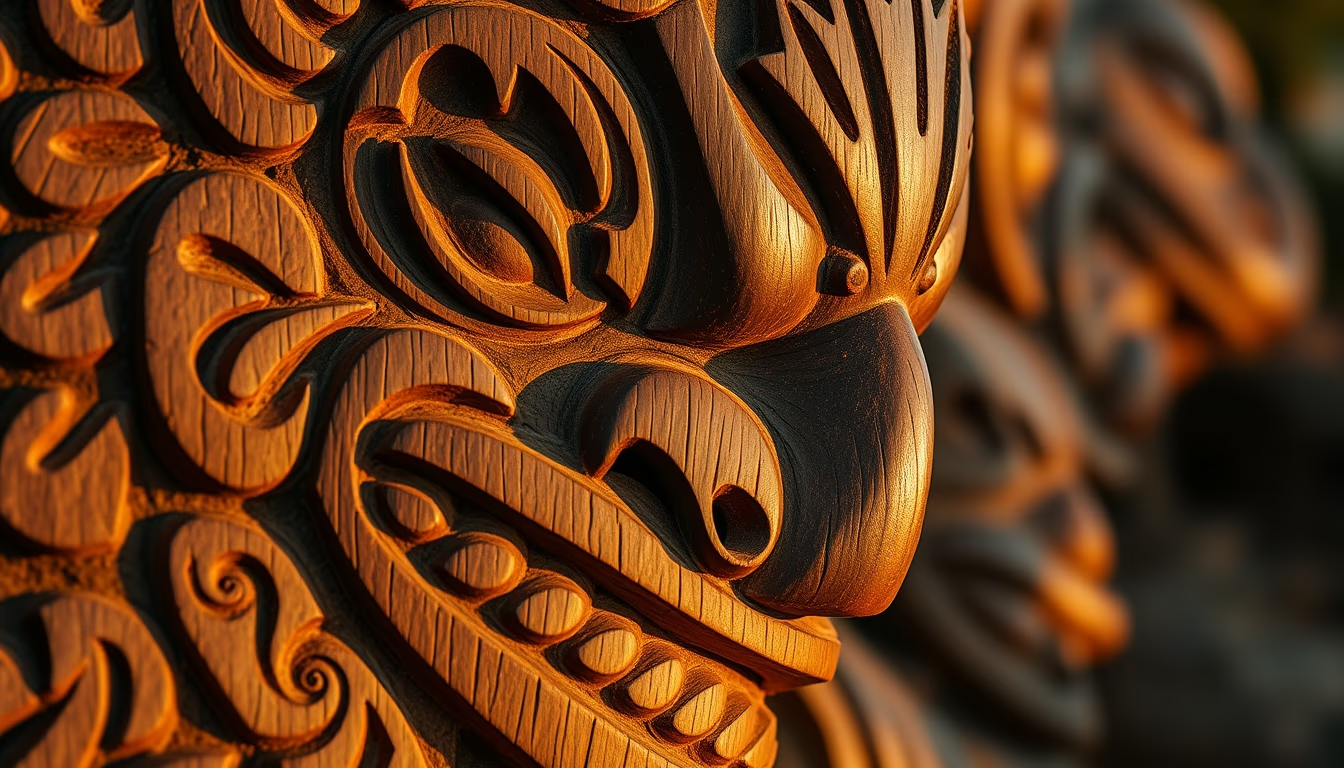
African tribal masks are among the most iconic elements of the continent's art and culture. Traditionally carved from wood, they may incorporate other materials such as ivory, textiles, plant fibers, metals, and shells. Each ethnic group developed distinct styles: the Dan masks of Ivory Coast and Liberia are known for their slit eyes and high forehead, while Baule masks feature elegant, detailed forms. The Dogon people of Mali create geometric masks used in ritual dances to mark the end of mourning periods.
These objects are not merely decorative; they have deep spiritual and social functions. They are used in initiation ceremonies, funerals, harvests, and healing rituals. It is believed that when worn, the mask embodies the spirit of an ancestor or deity, allowing communication between the visible and invisible worlds. The masked dancer becomes a mediator, and the performance is filled with symbolism.
The creation of a mask is a sacred process, often restricted to members of secret societies or specialized craftsmen. The sculptor follows strict rules and makes offerings to ensure the piece has spiritual power. Style varies according to purpose: war masks differ from fertility masks, for example.
In the 20th century, African masks profoundly influenced modern art, especially Cubism as seen in Picasso and Matisse. Today, they are highly valued in the art market, yet their original meaning remains alive in the communities that create them. They bear witness to the continent's rich cultural diversity and its complex worldview.
Frequently Asked Questions
What is the spiritual meaning of African tribal masks?
Masks are considered channels for communication with the spirit world. When worn in rituals, they embody ancestors or deities, allowing the living to interact with supernatural forces for protection, healing, or guidance.
What materials are traditionally used to make these masks?
Wood is the primary material, but ivory, horns, textiles, plant fibers, shells, metals, and natural pigments are also used. The choice depends on the ethnic group and the mask's purpose.
How did African masks influence modern Western art?
Artists such as Pablo Picasso and Henri Matisse were deeply influenced by the aesthetics of African masks, especially during the development of Cubism. The use of simplified, expressive forms helped break with European realist traditions.
Direct URL
https://pub-c7d6a6ea828543ac903a74a341ccb2e1.r2.dev/imagens/african-tribal-mask-fine-art-photography-fresh2.avifHow to credit
Include a visible link back to UtilizAí. Copy one of the snippets below:
<a href="https://xn--utiliza-eza.com/en/midia/imagens/african-tribal-mask-fine-art-photography-fresh2">African tribal mask</a> by <a href="https://xn--utiliza-eza.com">UtilizAí</a>, licensed under <a href="https://creativecommons.org/licenses/by/4.0/">CC BY 4.0</a>.
[African tribal mask](https://xn--utiliza-eza.com/en/midia/imagens/african-tribal-mask-fine-art-photography-fresh2) by [UtilizAí](https://xn--utiliza-eza.com), CC BY 4.0
License: CC-BY-4.0