African tribal mask
1344×768 · AVIF · CC BY 4.0
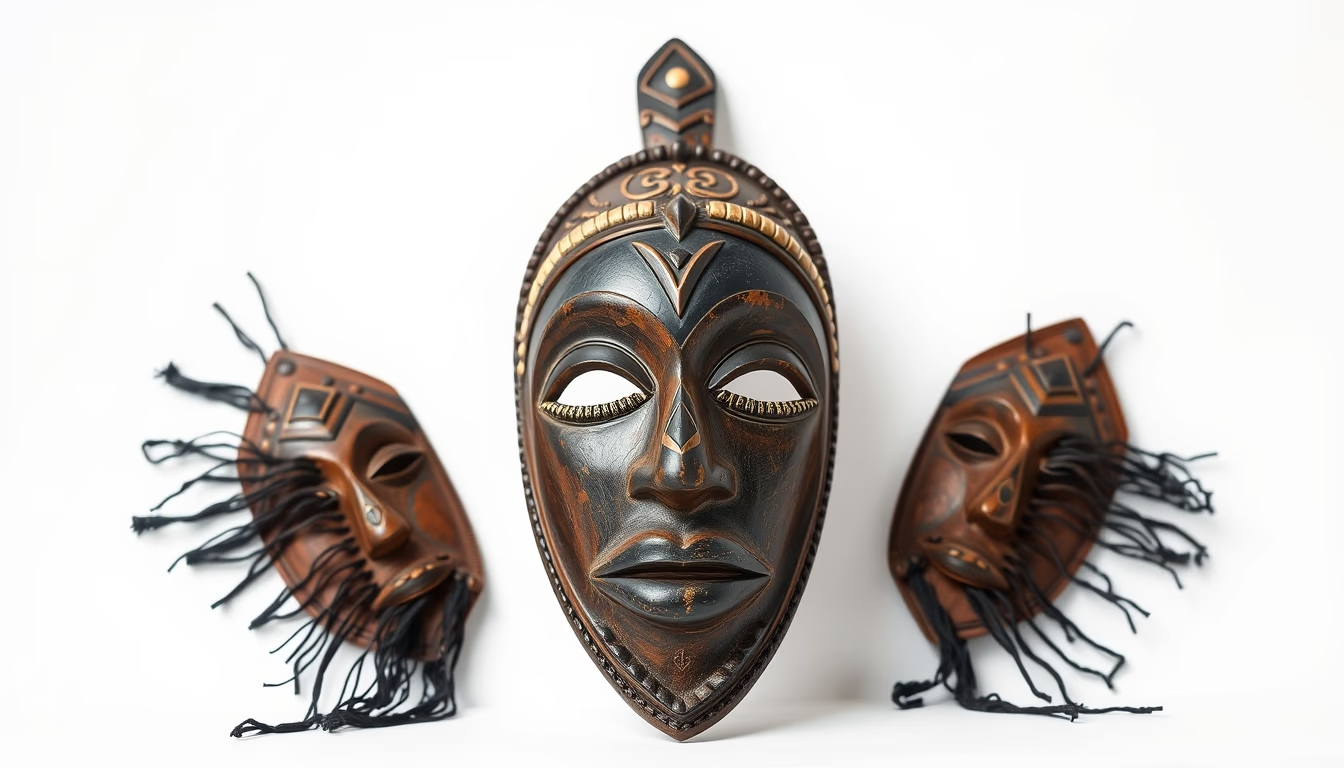
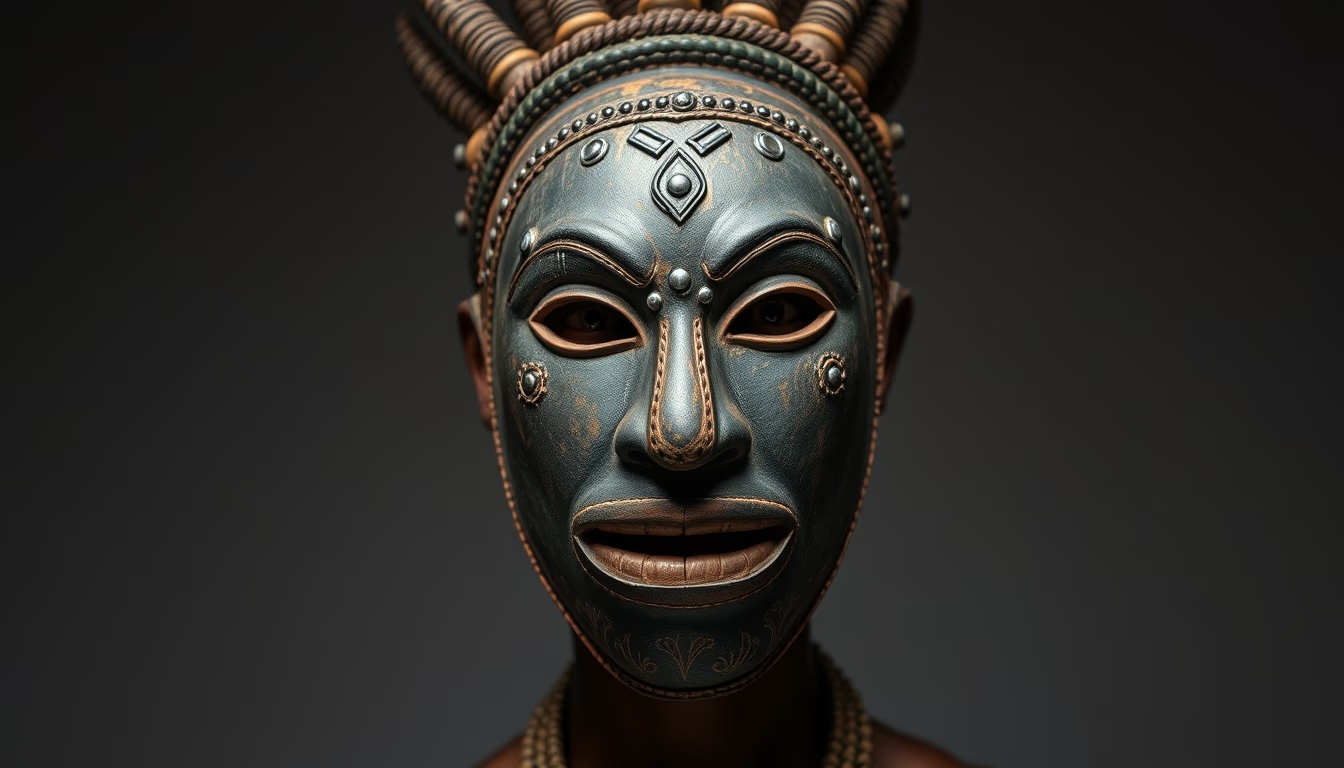
African tribal masks are complex cultural artifacts used in rituals, ceremonies, and as artistic expressions of ethnic identity.
About this subject
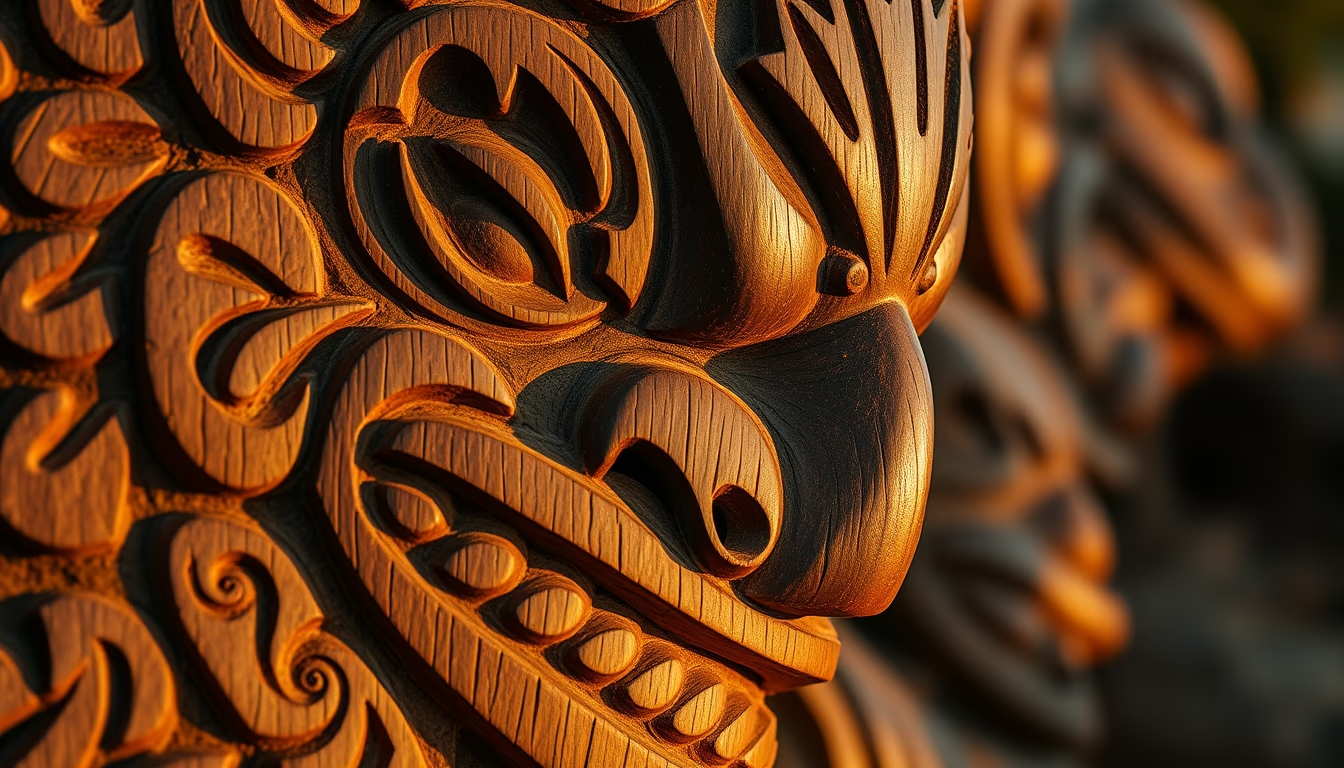
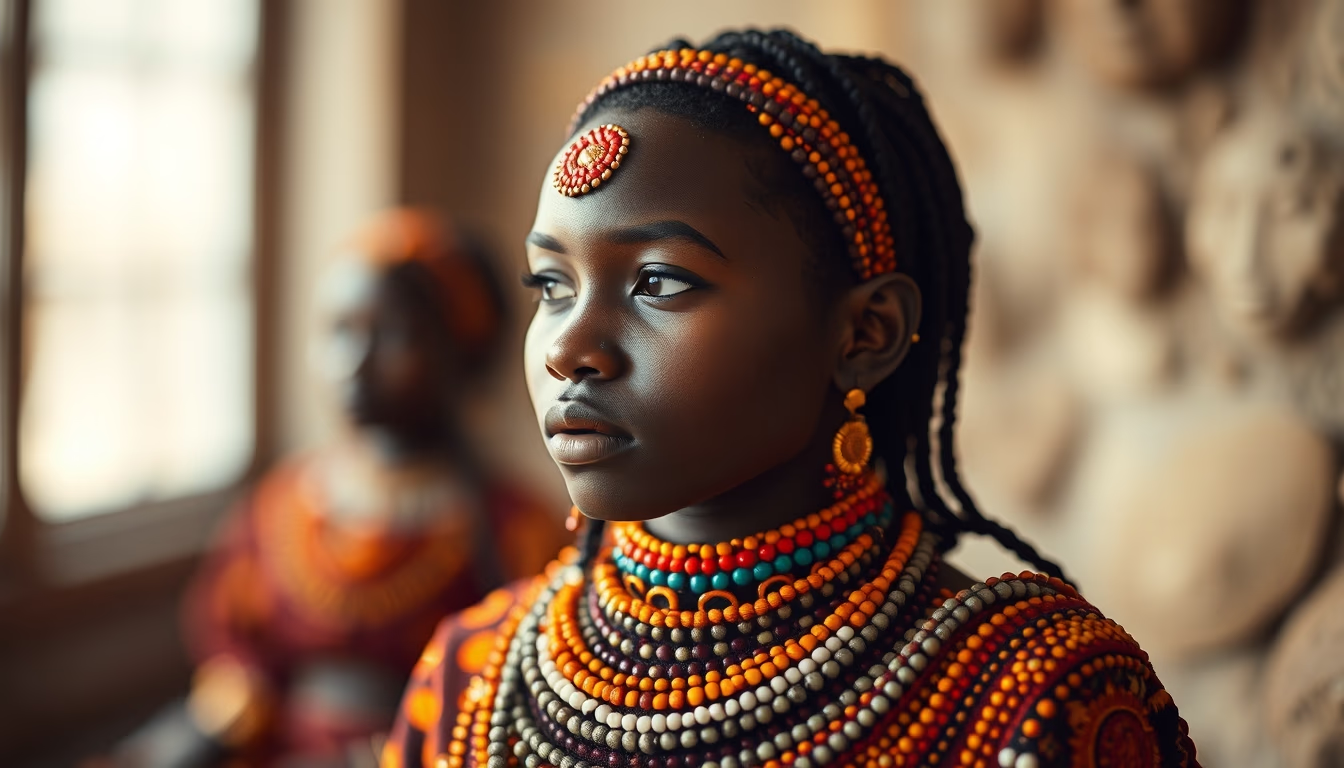
African tribal masks represent one of the oldest and most significant art forms on the continent. Each mask is hand-carved by specialized artisans, typically from wood but also from ivory, bronze, or fabric. They are used in rites of passage, funerals, harvests, and initiation ceremonies, serving as channels for communication with ancestors or deities. Africa's ethnic diversity is reflected in a wide variety of styles: the Dan masks of Ivory Coast are known for their elegant features and almond-shaped eyes, while the Fang masks of Gabon have elongated forms and protective symbolism. In Yoruba culture (Nigeria), Gelede masks honor ancestral mothers and are colorful, with intricate details. Punu masks from Gabon depict female faces with elaborate hairstyles, representing beauty ideals. The use of colors also carries meaning: white symbolizes peace and spirituality, black the material world, and red is associated with power and blood. During the colonial period, many masks were taken to Europe, influencing modernist artists like Picasso and Matisse. Today, authentic pieces are highly valued in the art market, but remain threatened by forgery and illicit trafficking. UNESCO recognizes the intangible cultural importance of these objects, encouraging their preservation within source communities.
Frequently Asked Questions
What is the meaning of African tribal masks?
Masks have varied meanings depending on ethnicity and context. They usually represent ancestral spirits, deities, or natural forces, used in religious and social rituals to connect the physical world with the spiritual.
What materials are African masks made from?
Wood is the most common material, but they are also carved from ivory, bronze, terracotta, and fabric. Details like hair, teeth, and eyes may be made from plant fibers, shells, metals, or beads.
How to identify an authentic African mask?
Authenticity is difficult to verify without expertise. Features include natural wear, ritual patina, hand-tool marks, and documented provenance. It is advisable to purchase from reliable sources and African art specialists.
Direct URL
https://pub-c7d6a6ea828543ac903a74a341ccb2e1.r2.dev/imagens/african-tribal-mask-commercial-product-photography-fresh4.avifHow to credit
Include a visible link back to UtilizAí. Copy one of the snippets below:
<a href="https://xn--utiliza-eza.com/en/midia/imagens/african-tribal-mask-commercial-product-photography-fresh4">African tribal mask</a> by <a href="https://xn--utiliza-eza.com">UtilizAí</a>, licensed under <a href="https://creativecommons.org/licenses/by/4.0/">CC BY 4.0</a>.
[African tribal mask](https://xn--utiliza-eza.com/en/midia/imagens/african-tribal-mask-commercial-product-photography-fresh4) by [UtilizAí](https://xn--utiliza-eza.com), CC BY 4.0
License: CC-BY-4.0