African tribal mask
1344×768 · AVIF · CC BY 4.0
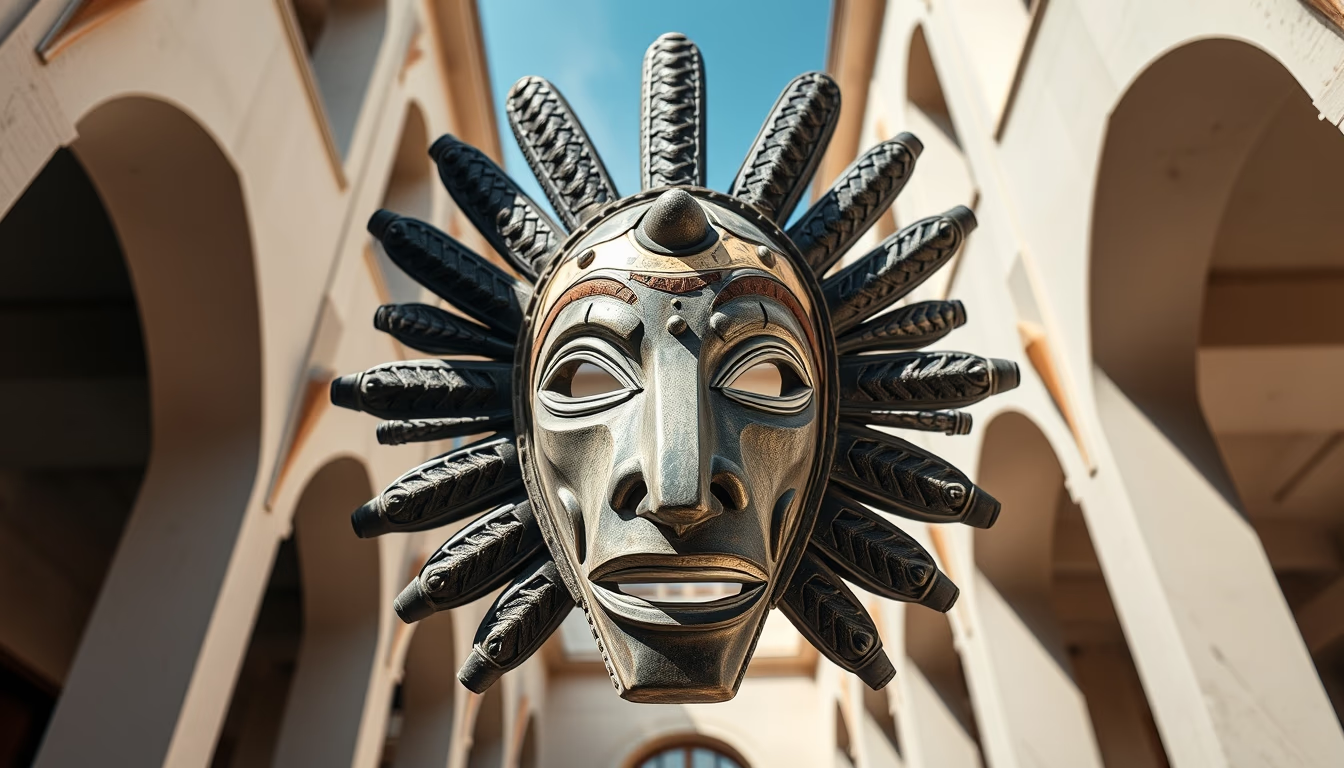
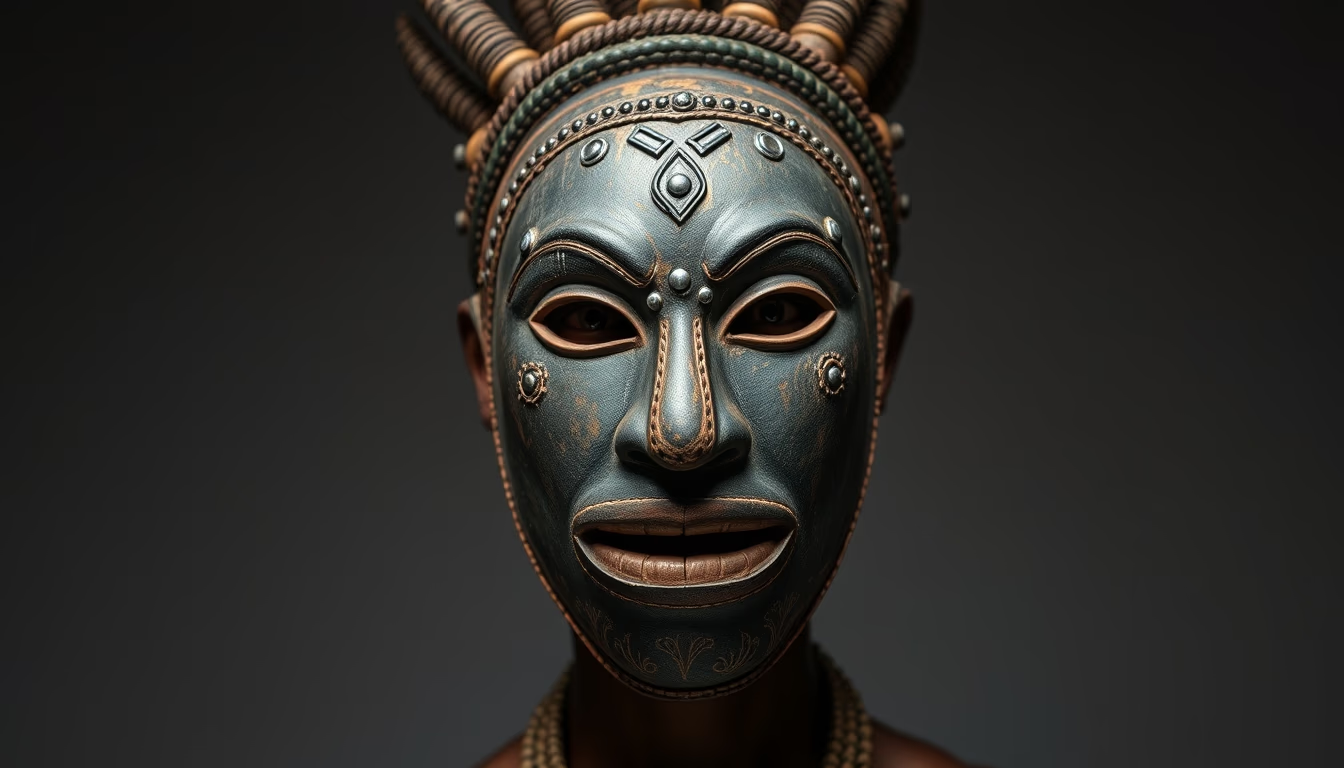
African tribal masks are ritual and artistic objects carved from wood, ivory or metal, used in rites of passage, funerals and festivals across various Sub-Saharan African cultures.
About this subject
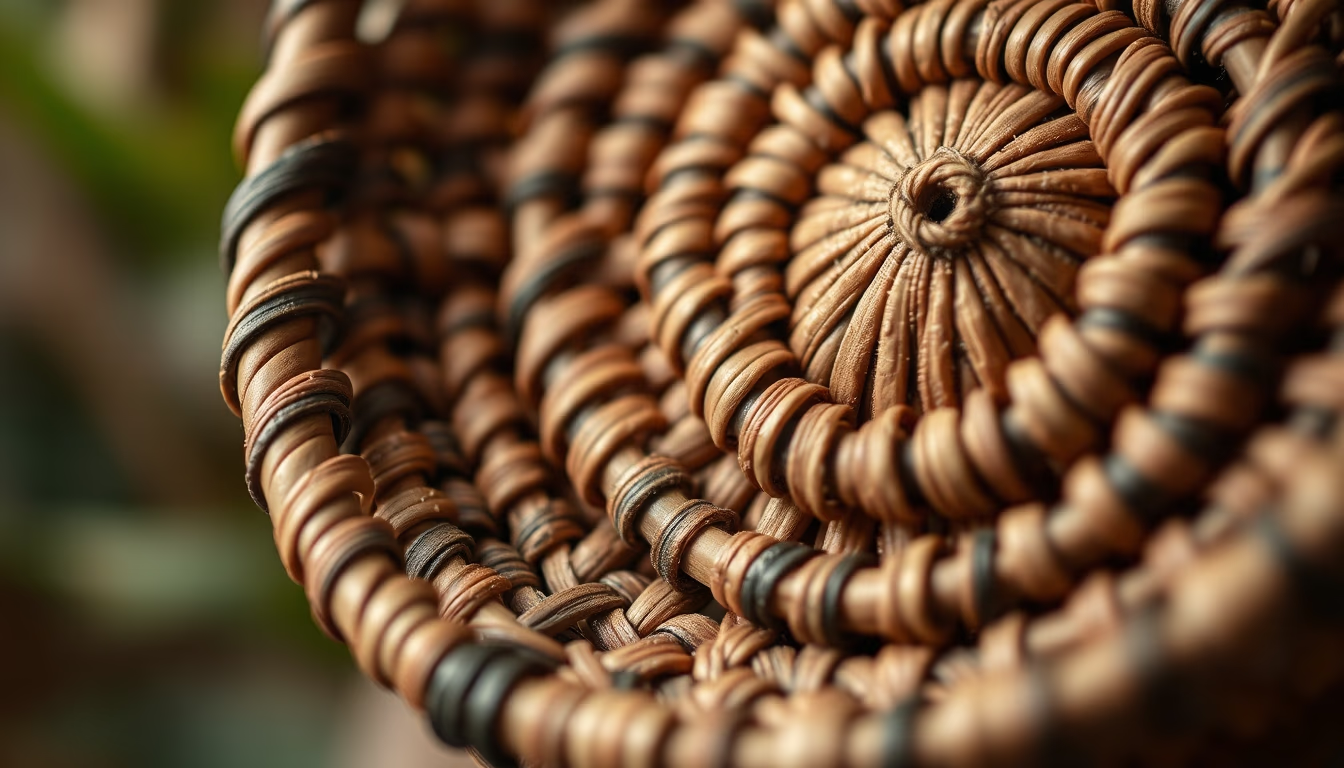
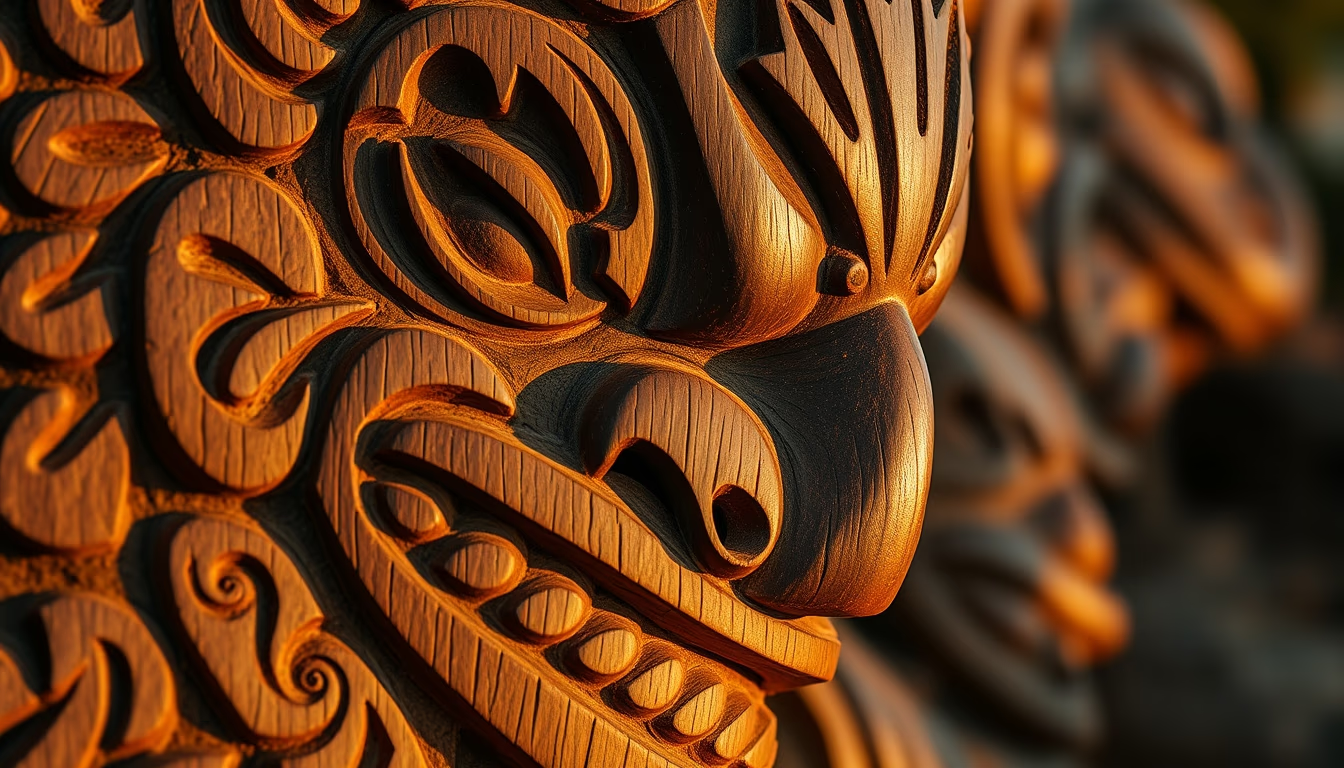
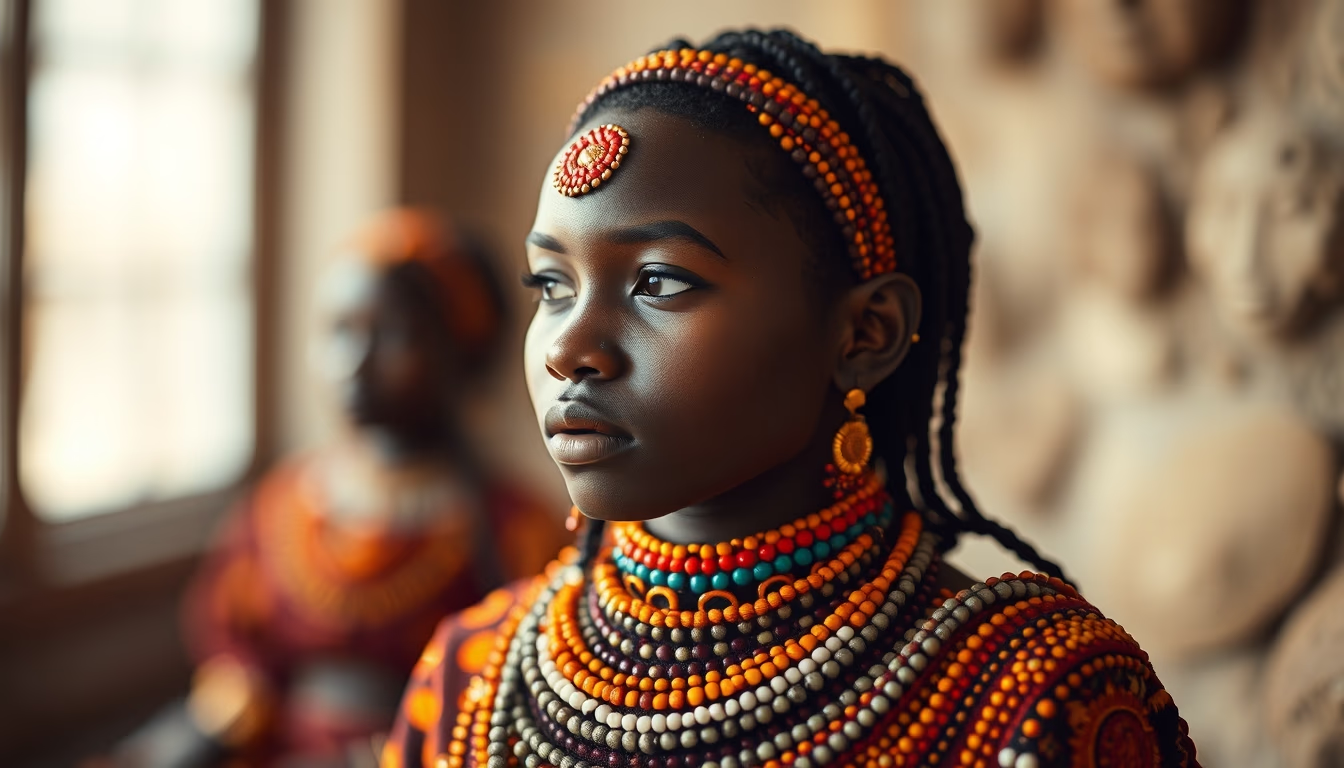
African masks display an impressive diversity of forms and meanings, varying by ethnic group and region. They are typically carved by specialized artisans who follow traditions passed down through generations. Raw materials include wood, ivory, metals, and plant fibers, often combined with natural pigments, beads, shells, and animal hair. Every detail carries symbolism: the shape of the eyes, the position of the mouth, and the geometric patterns represent ancestral spirits, forces of nature, or community values.
The functions of masks are varied and deeply rooted in social and spiritual contexts. They are used in rites of passage, funerals, harvest ceremonies, and festivals to honor ancestors, restore social order, or communicate with the supernatural world. Among the Dogon of Mali, Kanaga masks represent the creator Amma and are worn in funeral dances. The Baule of Ivory Coast create masks of idealized beauty for court ceremonies and entertainment. The Pende of the Democratic Republic of Congo produce brightly colored wooden masks with exaggerated expressions for initiation rituals.
The influence of African masks on modern Western art is remarkable. Artists such as Pablo Picasso and Henri Matisse drew heavy inspiration from the aesthetics and symbolism of these pieces after encountering Fang and Grebo masks in Paris in the early 20th century. This cultural exchange helped shape Cubism and Expressionism. In contemporary Africa, artisans continue to produce masks for the tourist market and international exhibitions, keeping the tradition alive while incorporating new materials and themes.
It is crucial to understand that masks are not mere decorative objects but vehicles of spiritual power and ancestral knowledge. Many are kept in sanctuaries and can only be viewed by initiates. Inappropriate use or reproduction out of context can be disrespectful. When acquired by collectors, it is important to consider the provenance and cultural significance to avoid trivializing sacred traditions.
Frequently Asked Questions
What is the meaning of African masks?
African masks represent ancestral spirits, deities, natural forces, or community values. They mediate between the human and supernatural worlds in rituals such as initiations, funerals, and festivals.
What materials are African masks made from?
They are traditionally carved from wood, but also from ivory, metal, terracotta, and plant fibers. Adornments like beads, shells, animal hair, and natural pigments complement the piece.
How did African masks influence modern art?
Artists like Picasso and Matisse were inspired by the aesthetic and symbolism of African masks in the early 20th century, contributing to movements such as Cubism and Expressionism.
Direct URL
https://pub-c7d6a6ea828543ac903a74a341ccb2e1.r2.dev/imagens/african-tribal-mask-architectural-photography-fresh7.avifHow to credit
Include a visible link back to UtilizAí. Copy one of the snippets below:
<a href="https://xn--utiliza-eza.com/en/midia/imagens/african-tribal-mask-architectural-photography-fresh7">African tribal mask</a> by <a href="https://xn--utiliza-eza.com">UtilizAí</a>, licensed under <a href="https://creativecommons.org/licenses/by/4.0/">CC BY 4.0</a>.
[African tribal mask](https://xn--utiliza-eza.com/en/midia/imagens/african-tribal-mask-architectural-photography-fresh7) by [UtilizAí](https://xn--utiliza-eza.com), CC BY 4.0
License: CC-BY-4.0