Aboriginal dot painting
1344×768 · AVIF · CC BY 4.0
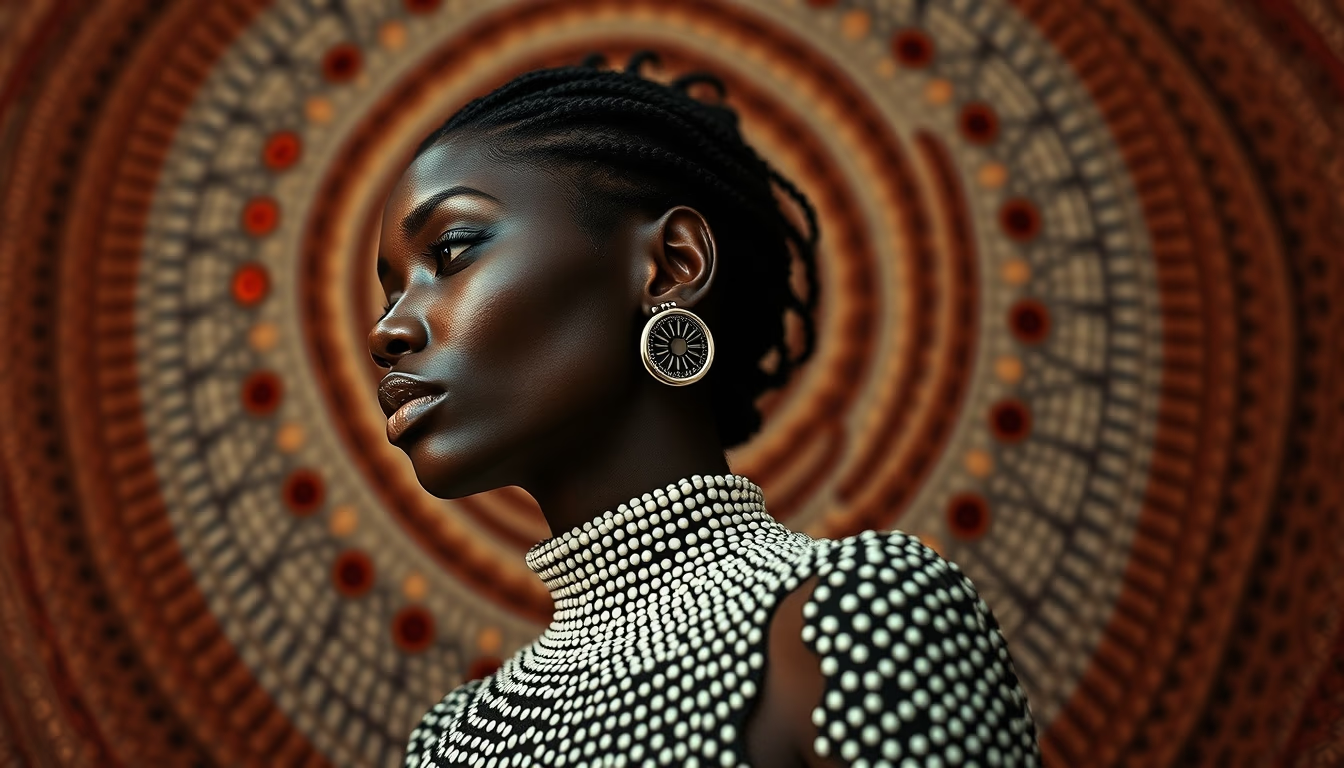
Australian Aboriginal dot painting is an ancient art form using symbols and Dreamtime narratives, now globally celebrated in high-fashion editorials.
About this subject
Aboriginal dot painting, originating from the Central Desert communities of Australia, is one of the most recognizable expressions of Indigenous Australian culture. Emerging in the 1970s with the Papunya Tula movement, this technique uses colored dots on canvas to depict Dreamtime stories, the cosmology explaining the creation of land, beings, and moral laws. Each dot and pattern carry specific meanings, often related to sacred sites, travel routes, or ceremonies, and the overlapping dots originally served to hide sacred knowledge from uninitiated eyes.
Traditional materials include natural pigments such as ochre, clay, and charcoal, applied with sticks or fingers onto bark or sand. With the introduction of acrylics and modern canvas, the technique gained new colors and greater durability, enabling global circulation. Artists like Emily Kame Kngwarreye and Clifford Possum Tjapaltjarri became world references, with works exhibited at museums such as the Musée du Quai Branly in Paris and the Metropolitan Museum of Art in New York.
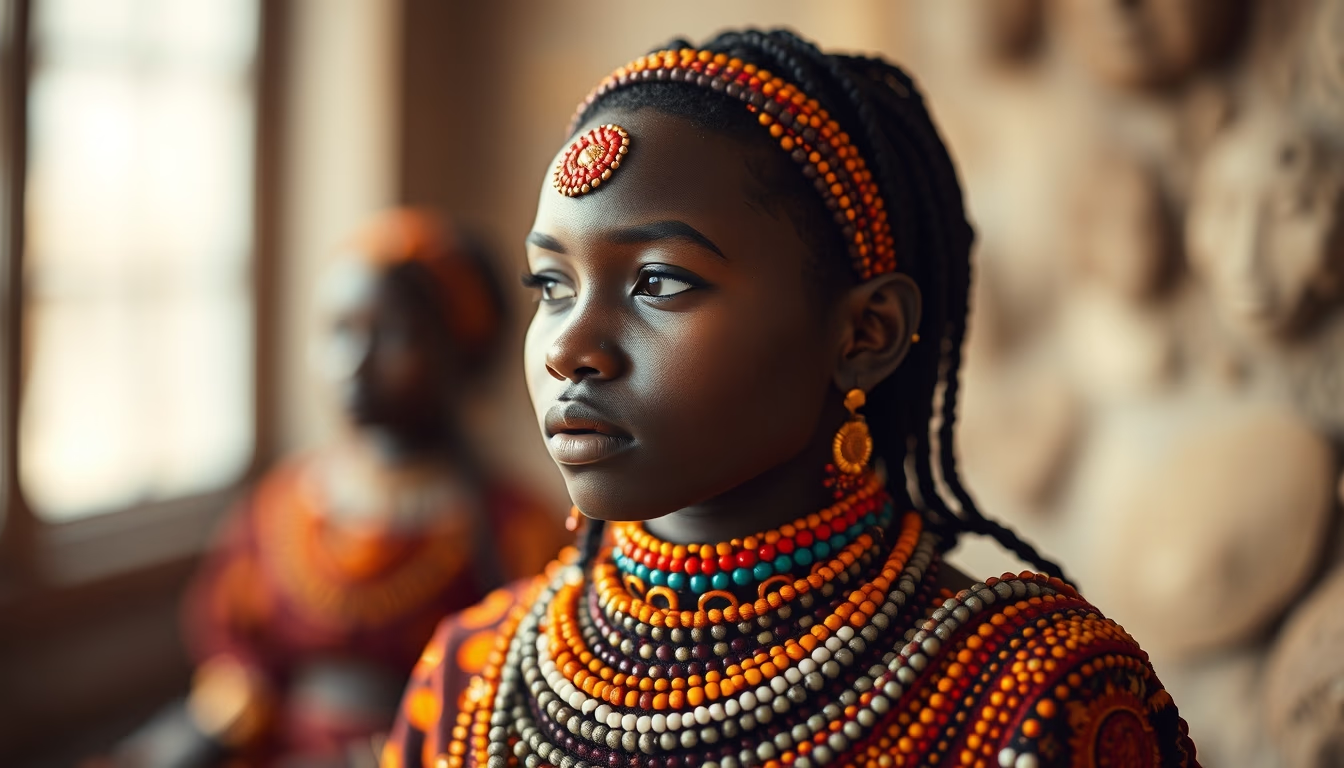
In contemporary times, Aboriginal dot painting has transcended galleries and found its way into high-fashion editorials, where prints inspired by this art appear on dresses, accessories, and photographic sets. This cultural appropriation sparks debates about respect and authenticity, but also amplifies recognition of the symbolic and aesthetic richness of Aboriginal peoples. Importantly, Indigenous artists often maintain control over their designs, requiring licensing and royalties to protect their ancestral knowledge.
The technique demands years of learning and mastery of community protocols. Each work is a living map, connecting the viewer to an age‑old story of resilience and creativity. When featured in global fashion contexts, Aboriginal dot painting not only beautifies but also invites the audience to reflect on the importance of preserving and valuing Indigenous cultures.
Frequently Asked Questions
What does dot painting mean in Aboriginal culture?
Dot painting depicts stories from the Dreamtime, the Aboriginal cosmology explaining the creation of the world. The dots encode information about sacred sites, migration routes, and ceremonies, often concealing ritual secrets.
What materials are used in traditional dot painting?
Traditionally, artists use natural pigments like ochre, clay, charcoal, and ash, applied with sticks, fingers, or plant‑fiber brushes onto bark, sand, or the ground.
Is Aboriginal dot painting used in luxury fashion?
Yes, prints inspired by dot painting appear in high‑fashion editorials and collections. Indigenous artists often license their designs to ensure control and fair compensation.
Direct URL
https://pub-c7d6a6ea828543ac903a74a341ccb2e1.r2.dev/imagens/aboriginal-dot-painting-high-fashion-editorial-fresh10.avifHow to credit
Include a visible link back to UtilizAí. Copy one of the snippets below:
<a href="https://xn--utiliza-eza.com/en/midia/imagens/aboriginal-dot-painting-high-fashion-editorial-fresh10">Aboriginal dot painting</a> by <a href="https://xn--utiliza-eza.com">UtilizAí</a>, licensed under <a href="https://creativecommons.org/licenses/by/4.0/">CC BY 4.0</a>.
[Aboriginal dot painting](https://xn--utiliza-eza.com/en/midia/imagens/aboriginal-dot-painting-high-fashion-editorial-fresh10) by [UtilizAí](https://xn--utiliza-eza.com), CC BY 4.0
License: CC-BY-4.0