Aboriginal dot painting
1344×768 · AVIF · CC BY 4.0
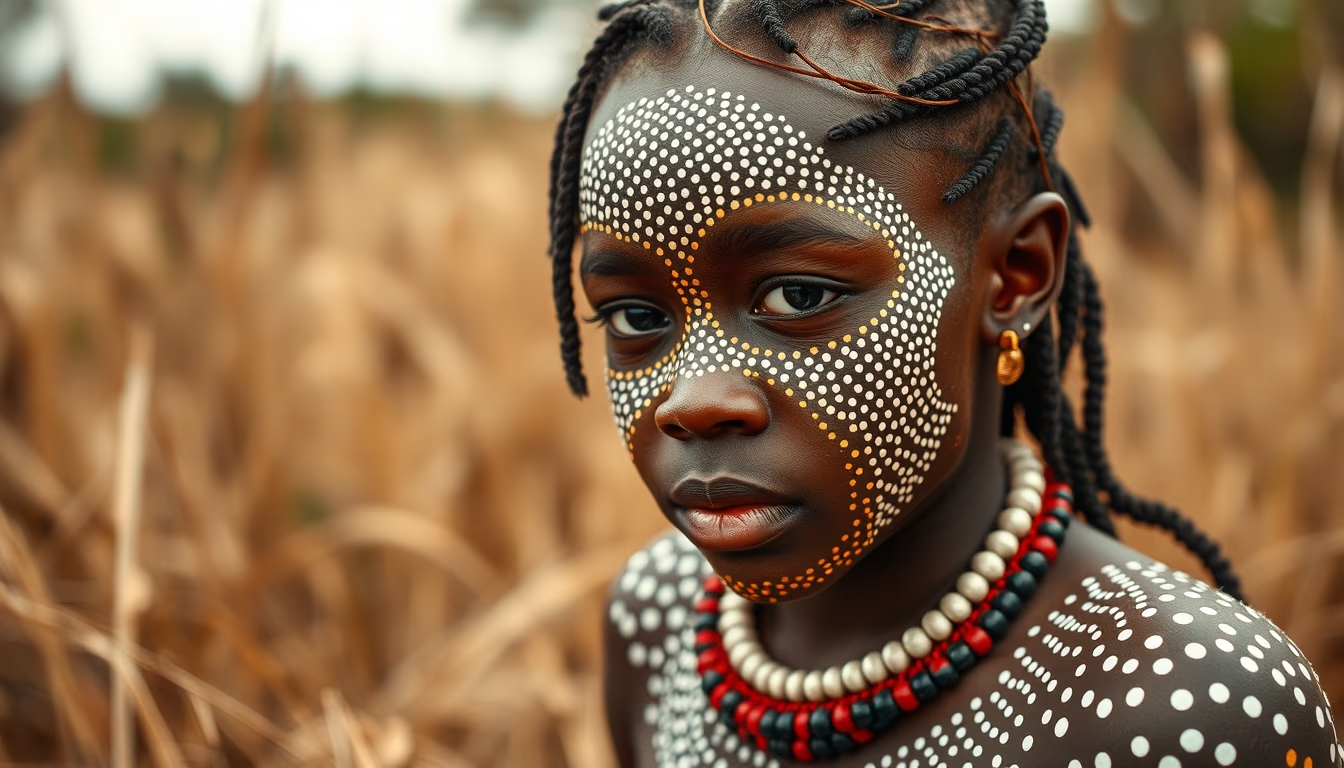
Aboriginal dot painting is an indigenous Australian art form that uses dots to represent Dreamtime stories and connections to the land.
About this subject
Aboriginal dot painting is a traditional artistic technique of Indigenous Australians, particularly from the central desert regions, such as the Anangu and Warlpiri peoples. Originating thousands of years ago, this art form uses dots made with fine brushes or sticks to create complex patterns that tell sacred stories of the Dreamtime, the creation period according to Aboriginal cosmology. Each dot and color carries specific meanings: red ochre represents the earth and blood, white symbolizes water and bones, and yellow refers to the sun and emu oil.
Initially, designs were drawn on the ground or on bodies during ritual ceremonies, but from the 1970s onwards, artists like Clifford Possum Tjapaltjarri began transferring these representations to acrylic canvases, sparking the Western Desert Painting movement. This transition allowed Aboriginal stories to be shared globally, though many artists keep the deeper meanings of the works secret.
The technique demands patience and precision: dots are applied one by one, forming concentric circles, wavy lines, or color fields that depict dunes, watercourses, or sacred sites. Unlike Western art, perspective is not used; the view is aerial and symbolic. Famous works such as "Possum Dreaming" by Clifford Possum fetch millions of dollars at auctions, but the true importance lies in cultural preservation and the transmission of ancestral knowledge.
Dot painting is internationally recognized as one of the most iconic styles of Indigenous art, influencing contemporary designers and artists. However, concerns about cultural appropriation and the sale of unauthorized imitations persist. Authenticity is protected by marks such as the "Aboriginal Art Code," which certifies original works, ensuring that artists and their communities are fairly compensated.
Frequently Asked Questions
What does the Dreamtime mean in Aboriginal art?
The Dreamtime is the central concept of Aboriginal cosmology, referring to the creation period when ancestral beings shaped the landscape, animals, and laws. In dot painting, Dreamtime stories are represented through symbols and patterns, transmitting spiritual and ecological knowledge.
What materials are used in traditional dot paintings?
Traditionally, artists used natural pigments like red, yellow, and white ochre from rocks and clays. Today, acrylic paints are common, but fine brushes or sticks are still used to apply dots. Modern canvases have replaced the original sand and wood.
How can I tell if a dot painting is authentic?
Authenticity can be verified through certificates from organizations like the Aboriginal Art Code. Genuine works are created by registered Indigenous artists and often include details about the story and community. Avoid imitations sold in tourist shops without provenance.
Direct URL
https://pub-c7d6a6ea828543ac903a74a341ccb2e1.r2.dev/imagens/aboriginal-dot-painting-documentary-nature-style-fresh9.avifHow to credit
Include a visible link back to UtilizAí. Copy one of the snippets below:
<a href="https://xn--utiliza-eza.com/en/midia/imagens/aboriginal-dot-painting-documentary-nature-style-fresh9">Aboriginal dot painting</a> by <a href="https://xn--utiliza-eza.com">UtilizAí</a>, licensed under <a href="https://creativecommons.org/licenses/by/4.0/">CC BY 4.0</a>.
[Aboriginal dot painting](https://xn--utiliza-eza.com/en/midia/imagens/aboriginal-dot-painting-documentary-nature-style-fresh9) by [UtilizAí](https://xn--utiliza-eza.com), CC BY 4.0
License: CC-BY-4.0