Totem pole pacific northwest
1344×768 · AVIF · CC BY 4.0
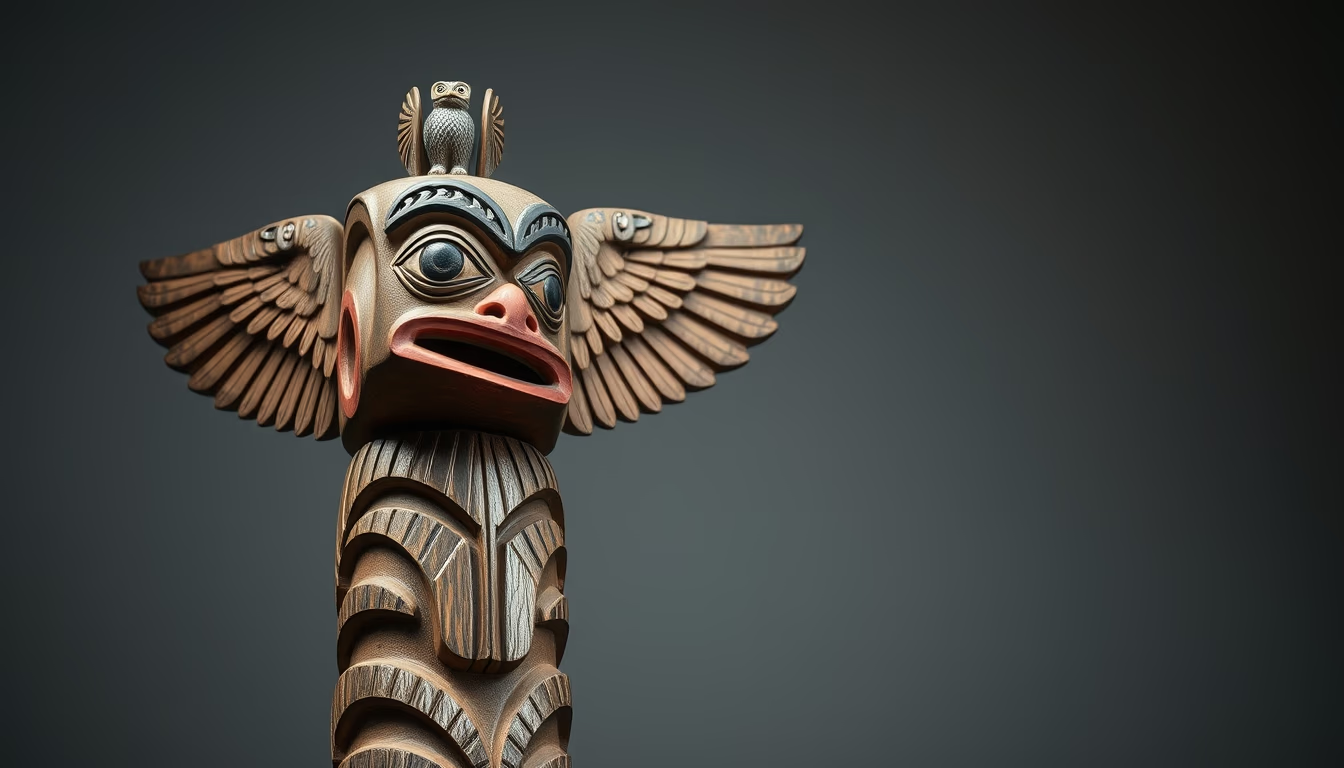
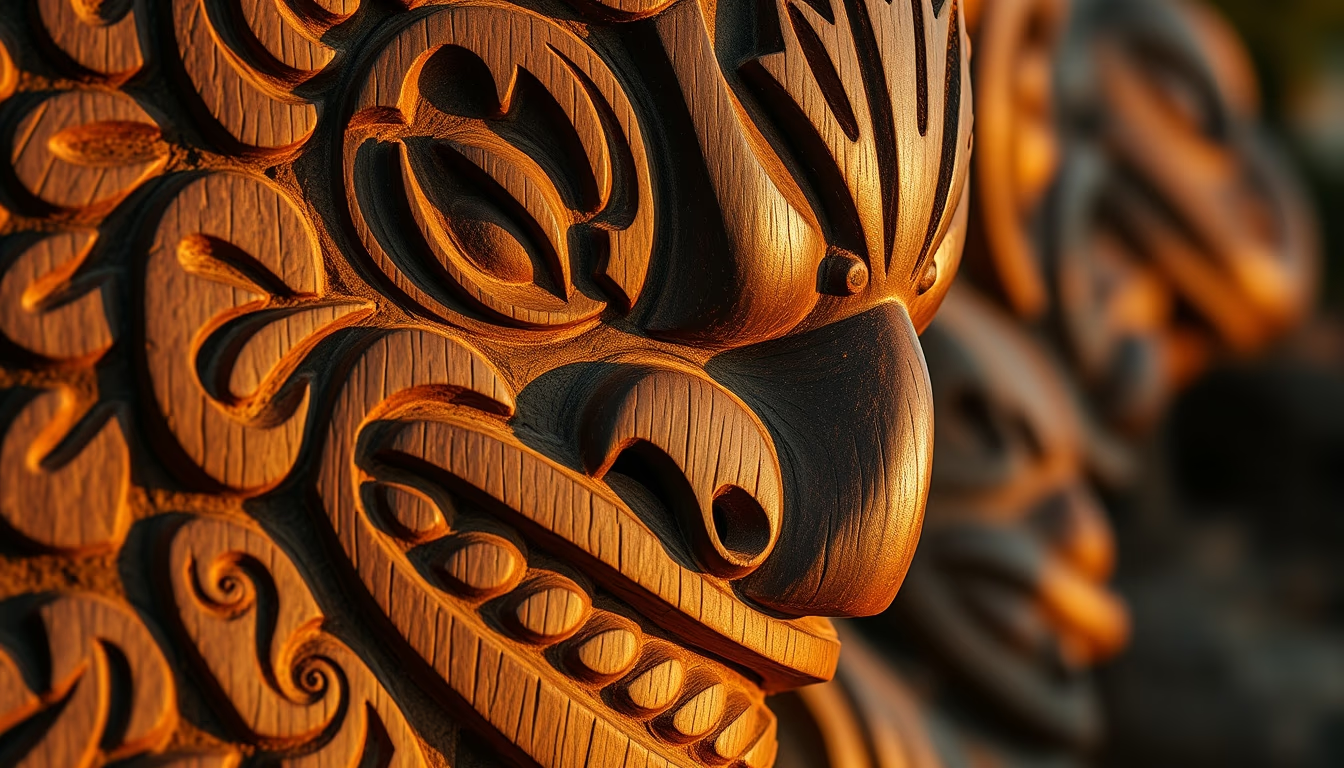
Totem poles of the Pacific Northwest are monumental carvings by Indigenous peoples like the Haida and Tlingit, representing clans, stories, and animal spirits.
About this subject
Totem poles are traditional monolithic carvings of the Indigenous peoples of the Pacific Northwest Coast, including the Haida, Tlingit, Kwakwaka'wakw, and Coast Salish, in regions now part of Alaska, British Columbia, and Washington state. Each pole is carved from a single red cedar log, a sacred tree resistant to rot and moisture. The tradition of carving totem poles dates back millennia, but flourished after the introduction of metal tools by Europeans in the 18th century.
Contrary to popular belief, totem poles are not religious idols. They serve as visual records of family lineages, historical events, myths, and social status. Carved figures include animals like the eagle, raven, bear, wolf, and whale, each with specific meanings. For instance, the raven is a trickster and creator, while the eagle symbolizes power and prestige. The order of figures on a pole can tell a story or represent the hierarchy of a clan.
The creation of a totem pole is a communal and ceremonial process. A master carver, often a hereditary artist, directs apprentices. Before carving, a ceremony thanks the tree. The pole is raised during a potlatch, a grand feast with gift-giving that reaffirms social bonds and property rights. In the late 19th century, missionaries and Canadian and U.S. governments suppressed potlatches, leading to a decline in the art. Fortunately, since the 1970s, a revival has occurred, with artists like Bill Reid (Haida) and Robert Davidson (Haida) revitalizing the tradition.
Today, original totem poles are found in museums, parks, and Indigenous villages. Replicas and new creations are erected worldwide as symbols of cultural resilience. One famous example is the Raven Pole at the Museum of Anthropology at UBC in Vancouver, which tells the mythical story of the release of the sun. Totem poles continue to inspire contemporary artists and represent the rich heritage of the Northwest Coast peoples.
Frequently Asked Questions
What is the meaning of the animals on totem poles?
Each animal has specific significance. The raven is a trickster and creator, the eagle symbolizes power and prestige, the bear represents strength and motherhood, and the wolf is associated with loyalty and intelligence. Figures may vary according to the culture of the carvers.
Are totem poles religious objects?
No, totem poles are not objects of worship. They function as historical and cultural records, telling stories of clans, lineages, and important events. They are often raised during potlatch ceremonies to affirm social status and rights.
Where can I see original totem poles today?
Original totem poles can be found in museums such as the Museum of Anthropology at UBC in Vancouver, the Royal British Columbia Museum in Victoria, and Stanley Park in Vancouver. There are also poles in Indigenous villages like Alert Bay and Ketchikan.
Direct URL
https://pub-c7d6a6ea828543ac903a74a341ccb2e1.r2.dev/imagens/totem-pole-pacific-northwest-studio-still-life-fresh13.avifHow to credit
Include a visible link back to UtilizAí. Copy one of the snippets below:
<a href="https://xn--utiliza-eza.com/en/midia/imagens/totem-pole-pacific-northwest-studio-still-life-fresh13">Totem pole pacific northwest</a> by <a href="https://xn--utiliza-eza.com">UtilizAí</a>, licensed under <a href="https://creativecommons.org/licenses/by/4.0/">CC BY 4.0</a>.
[Totem pole pacific northwest](https://xn--utiliza-eza.com/en/midia/imagens/totem-pole-pacific-northwest-studio-still-life-fresh13) by [UtilizAí](https://xn--utiliza-eza.com), CC BY 4.0
License: CC-BY-4.0