Totem pole pacific northwest
1344×768 · AVIF · CC BY 4.0
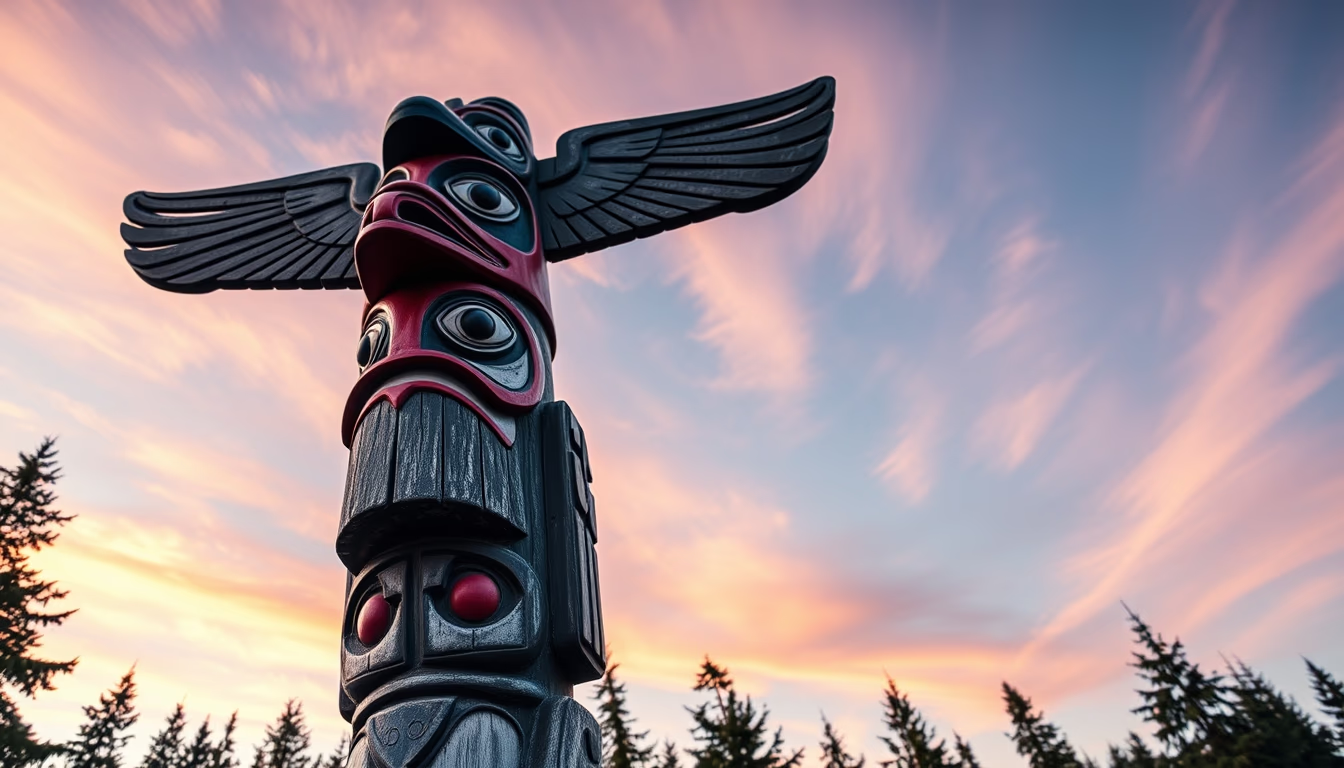
Totem poles of the Pacific Northwest are carved monuments by Indigenous peoples representing clans, histories, and spiritual beliefs.
About this subject
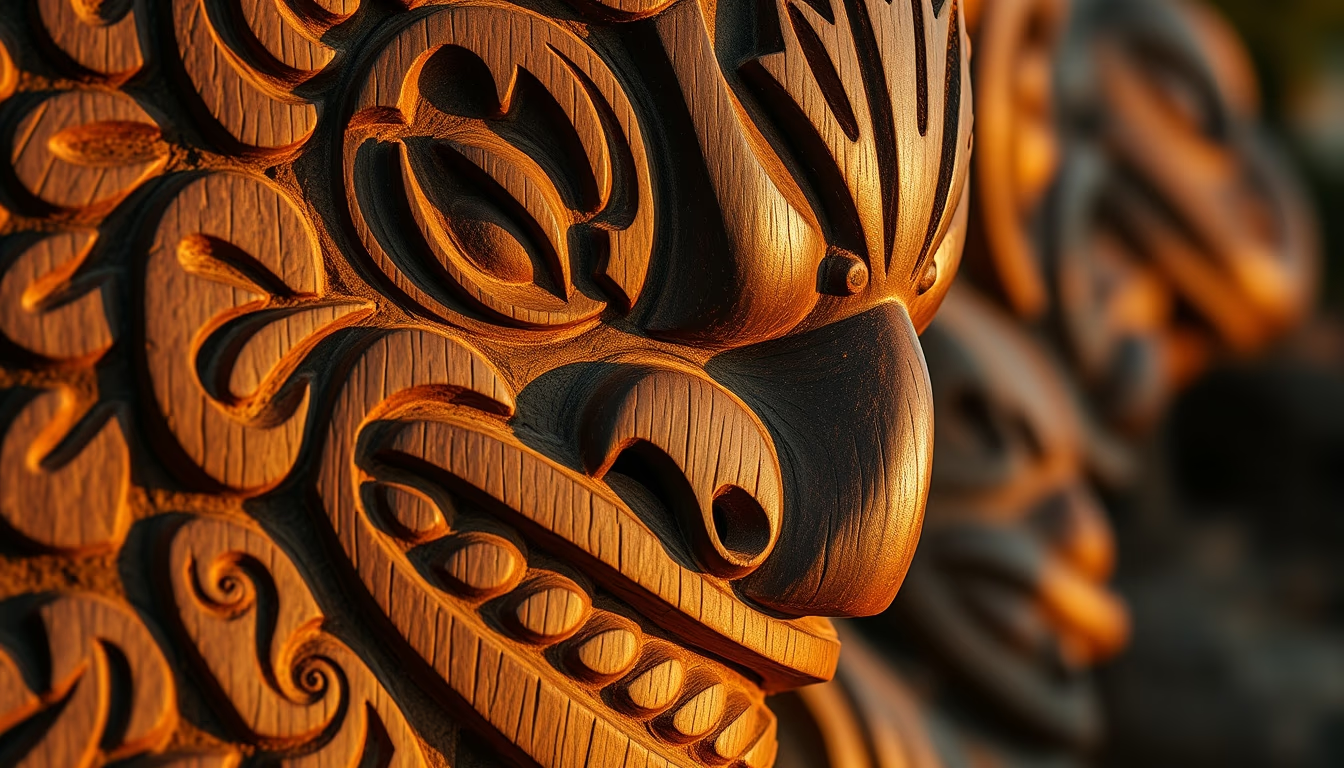
Totem poles are monumental sculptures traditionally carved from western red cedar by Indigenous peoples of the Pacific Northwest Coast, such as the Haida, Tlingit, Kwakwaka'wakw, and Coast Salish. Each carved figure carries specific meaning: animals like the raven, eagle, bear, wolf, and thunderbird represent clans or family lineages. The vertical arrangement of figures is not random; it can tell a story or commemorate important community events.
Contrary to popular belief, totem poles are not objects of religious worship. They serve as historical records, territorial markers, honors for ancestors, or support beams for communal longhouses. There are several types: welcome poles at village entrances, memorial poles for deceased leaders, and mortuary poles that contain human remains. Carving was traditionally done with stone adzes and bone chisels, but modern artists use chainsaws and contemporary tools.
The art of totem carving nearly disappeared during the period of cultural suppression in the late 19th and early 20th centuries, when the Canadian government banned ceremonies such as the potlatch. In recent decades, a strong revival has occurred, with new generations of carvers learning ancestral techniques. Many original 19th-century poles are housed in museums worldwide, but Indigenous communities continue to create new poles to celebrate their identity and cultural sovereignty.
Today, totem poles are an iconic symbol of the Pacific Northwest region, attracting visitors to parks such as Stanley Park in Vancouver and Sitka National Historical Park in Alaska. Preserving old poles is challenging due to the damp climate, which accelerates wood decay. Nevertheless, traditional knowledge about tree selection, carving, and natural pigments continues to be passed down within the community.
Frequently Asked Questions
What do the carved figures on a totem pole mean?
Each figure represents a clan, family story, or guardian spirit. Common animals like the raven, eagle, and bear carry symbolic meanings tied to local mythology.
Who can carve a totem pole?
Traditionally, carving is done by specialized artists within the community, who learn techniques through apprenticeship with elder masters. Today, there are schools and cultural revitalization programs teaching the art.
Are totem poles considered religious objects?
No. Although they have spiritual significance, they are not worshiped as idols. They serve as historical records, territorial markers, and symbols of clan status.
Direct URL
https://pub-c7d6a6ea828543ac903a74a341ccb2e1.r2.dev/imagens/totem-pole-pacific-northwest-long-exposure-fresh14.avifHow to credit
Include a visible link back to UtilizAí. Copy one of the snippets below:
<a href="https://xn--utiliza-eza.com/en/midia/imagens/totem-pole-pacific-northwest-long-exposure-fresh14">Totem pole pacific northwest</a> by <a href="https://xn--utiliza-eza.com">UtilizAí</a>, licensed under <a href="https://creativecommons.org/licenses/by/4.0/">CC BY 4.0</a>.
[Totem pole pacific northwest](https://xn--utiliza-eza.com/en/midia/imagens/totem-pole-pacific-northwest-long-exposure-fresh14) by [UtilizAí](https://xn--utiliza-eza.com), CC BY 4.0
License: CC-BY-4.0