Totem pole pacific northwest
1344×768 · AVIF · CC BY 4.0
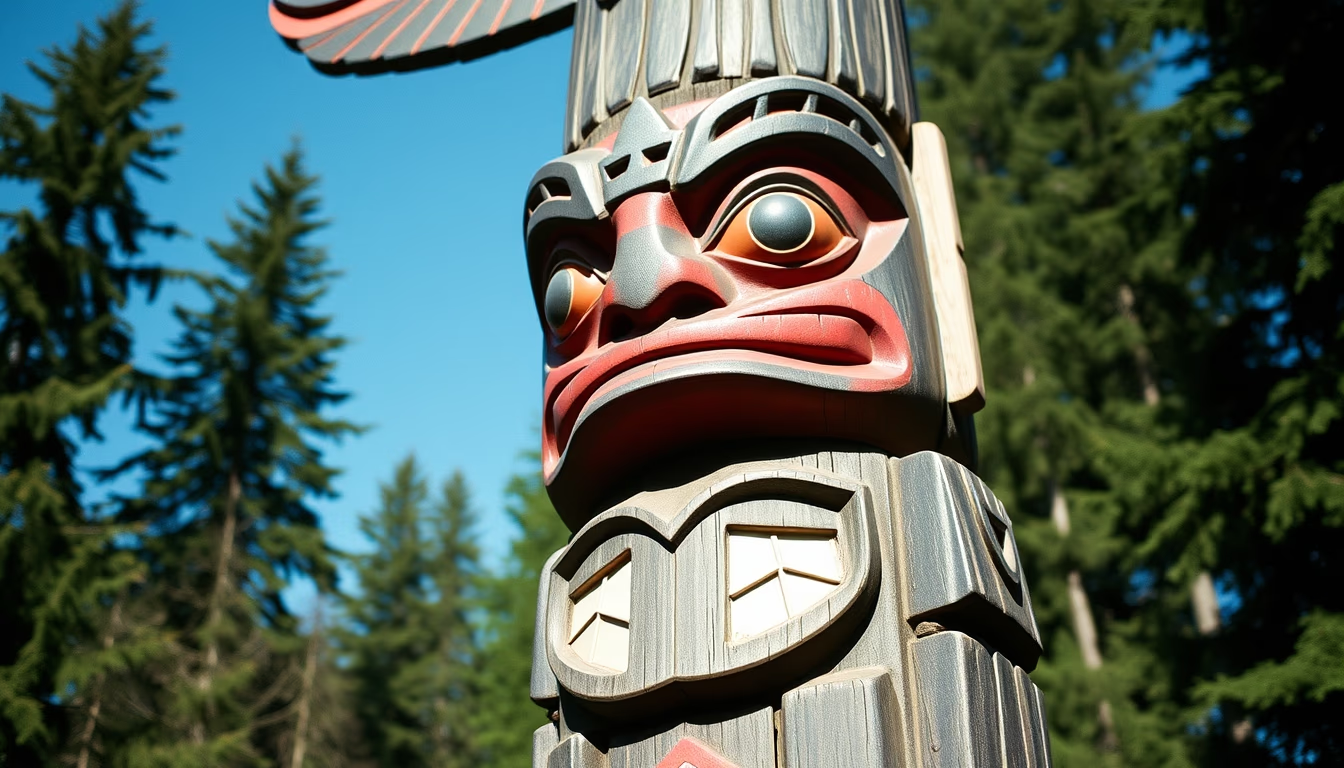
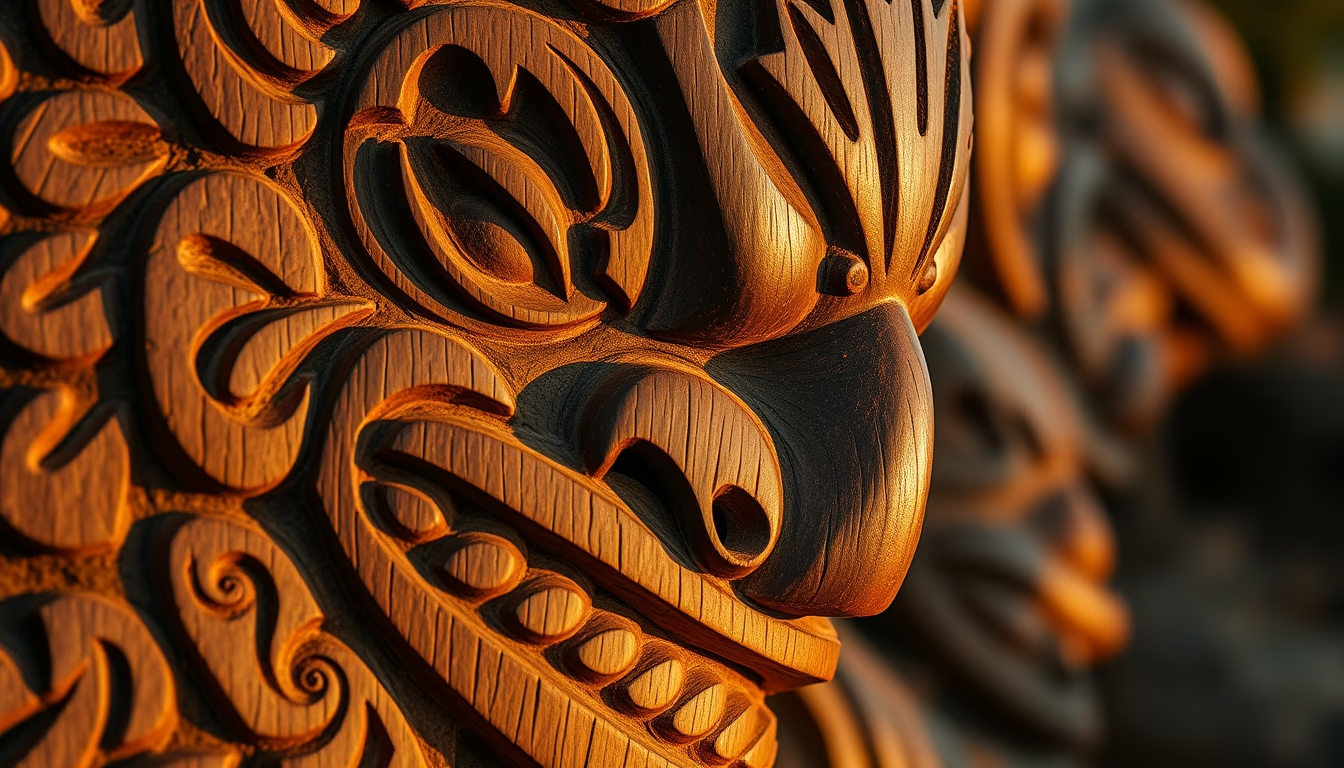
Totem poles are monumental carvings by Indigenous peoples of the Pacific Northwest Coast, telling stories of clans and lineages.
About this subject
Totem poles are monumental carvings characteristic of the Indigenous peoples of the Pacific Northwest Coast, such as the Haida, Tlingit, Tsimshian, and Kwakwaka'wakw. Contrary to popular belief, they are not religious idols but heraldic records that tell the story of a family or clan, displaying mythological creatures, ancestors, and important events. Each carved figure holds specific meaning: the eagle represents power and nobility, the raven is the creator and trickster, and the wolf symbolizes loyalty and strength.
Traditionally carved from Western red cedar, these poles can reach over 20 meters in height. The carving is done using tools like adzes and knives made of bone or stone, and then painted with natural pigments from minerals and plants. Erecting a totem pole usually occurs during ceremonies called potlatches, where the community gathers to celebrate and reaffirm social status and family ties. Unfortunately, many original poles were destroyed or removed by colonizers and religious missions, but today there is a cultural revitalization movement, with new poles being raised in parks and museums.
A curiosity is that totem poles are never buried with the dead, they are left to decay naturally, symbolizing the cycle of life. In the 19th century, anthropologists and collectors took many poles to museums worldwide, sparking repatriation debates. Currently, Indigenous communities are reclaiming pieces and training new carvers to keep the tradition alive, blending ancestral techniques with contemporary narratives.
Frequently Asked Questions
What is the meaning of the animals on totem poles?
Each animal or figure carries symbolic meaning varying by clan. For instance, the eagle represents power and protection, the raven is the creator and messenger, and the bear symbolizes strength and healing. The order of figures tells a specific lineage story.
Are totem poles still made today?
Yes, many contemporary Indigenous artists continue to carve totem poles for ceremonial purposes and public display. New poles are often raised in communities or cultural institutions, keeping the tradition alive.
What is the difference between a totem pole and a shame pole?
While totem poles celebrate clan history and status, shame poles were erected to publicly embarrass an enemy or debtor. They represent a distinct practice within the same carving tradition.
Direct URL
https://pub-c7d6a6ea828543ac903a74a341ccb2e1.r2.dev/imagens/totem-pole-pacific-northwest-film-grain-authentic-fresh11.avifHow to credit
Include a visible link back to UtilizAí. Copy one of the snippets below:
<a href="https://xn--utiliza-eza.com/en/midia/imagens/totem-pole-pacific-northwest-film-grain-authentic-fresh11">Totem pole pacific northwest</a> by <a href="https://xn--utiliza-eza.com">UtilizAí</a>, licensed under <a href="https://creativecommons.org/licenses/by/4.0/">CC BY 4.0</a>.
[Totem pole pacific northwest](https://xn--utiliza-eza.com/en/midia/imagens/totem-pole-pacific-northwest-film-grain-authentic-fresh11) by [UtilizAí](https://xn--utiliza-eza.com), CC BY 4.0
License: CC-BY-4.0