Totem pole pacific northwest
1344×768 · AVIF · CC BY 4.0
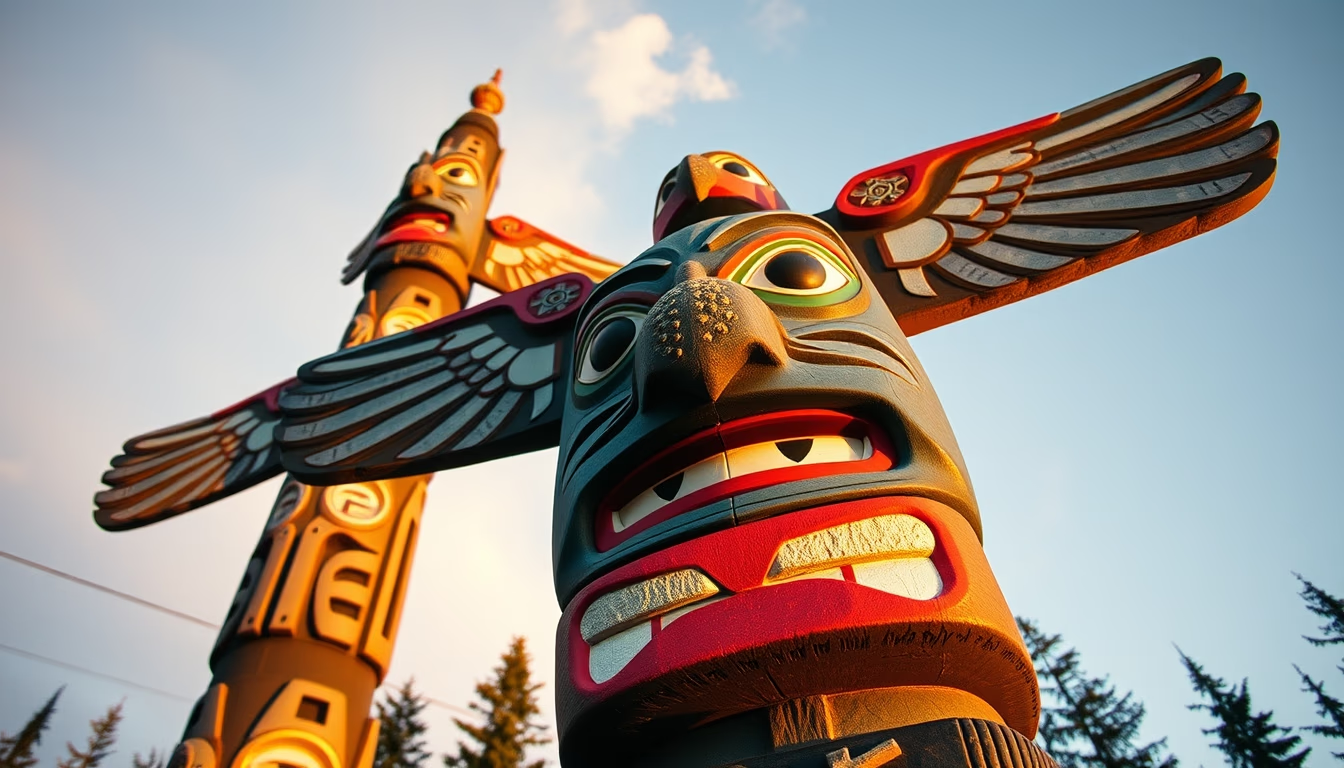
Monumental totem poles from the Pacific Northwest, carved by Indigenous peoples like Haida and Tlingit, tell clan histories and ancestral stories in red cedar.
About this subject
Totem poles of the Pacific Northwest are monumental carvings from red cedar logs, created by Indigenous peoples such as the Haida, Tlingit, Kwakwaka'wakw, and Coast Salish. Contrary to common misconception, they are not religious idols but visual narratives recording genealogies, historical events, myths, and social status. Each animal or human figure represents a clan symbol, like the eagle, raven, whale, or wolf, and their arrangement follows a specific sequence to tell a story.
Carving a totem pole is a process that can take months, performed by master carvers who inherit techniques passed down through generations. Red cedar is chosen for its durability and workability, and traditional colors come from natural pigments: black from charcoal, red from ochre, and blue-green from malachite. Poles are raised in ceremonial events, often accompanied by potlatches, feasts that reaffirm community ties and redistribute wealth.
Historically, totem poles were looted by collectors and missionaries in the 19th century, and many now reside in museums worldwide, such as the British Museum and the Smithsonian. However, Indigenous communities are actively seeking repatriation and revitalizing carving traditions. National parks like Sitka National Historical Park in Alaska and Stanley Park in Vancouver house significant collections of original and replica poles. The tradition remains vibrant, with new poles carved to celebrate cultural identity and resilience.
Frequently Asked Questions
What is the meaning of the animals carved on totem poles?
Each animal represents a clan symbol: eagle (leadership), raven (creativity), whale (protection), wolf (strength). The order of figures tells the group's genealogical or mythological story.
Are totem poles still made today?
Yes, the tradition continues. Indigenous master carvers create new poles for celebrations, memorials, and cultural affirmation, both in communities and public parks.
What is the difference between a totem pole and a shame pole?
Totem poles generally honor ancestors or record positive events. Shame poles (or ridicule poles) were erected to publicly shame someone who failed to pay a debt or uphold an agreement.
Direct URL
https://pub-c7d6a6ea828543ac903a74a341ccb2e1.r2.dev/imagens/totem-pole-pacific-northwest-cinematic-wide-shot-fresh0.avifHow to credit
Include a visible link back to UtilizAí. Copy one of the snippets below:
<a href="https://xn--utiliza-eza.com/en/midia/imagens/totem-pole-pacific-northwest-cinematic-wide-shot-fresh0">Totem pole pacific northwest</a> by <a href="https://xn--utiliza-eza.com">UtilizAí</a>, licensed under <a href="https://creativecommons.org/licenses/by/4.0/">CC BY 4.0</a>.
[Totem pole pacific northwest](https://xn--utiliza-eza.com/en/midia/imagens/totem-pole-pacific-northwest-cinematic-wide-shot-fresh0) by [UtilizAí](https://xn--utiliza-eza.com), CC BY 4.0
License: CC-BY-4.0