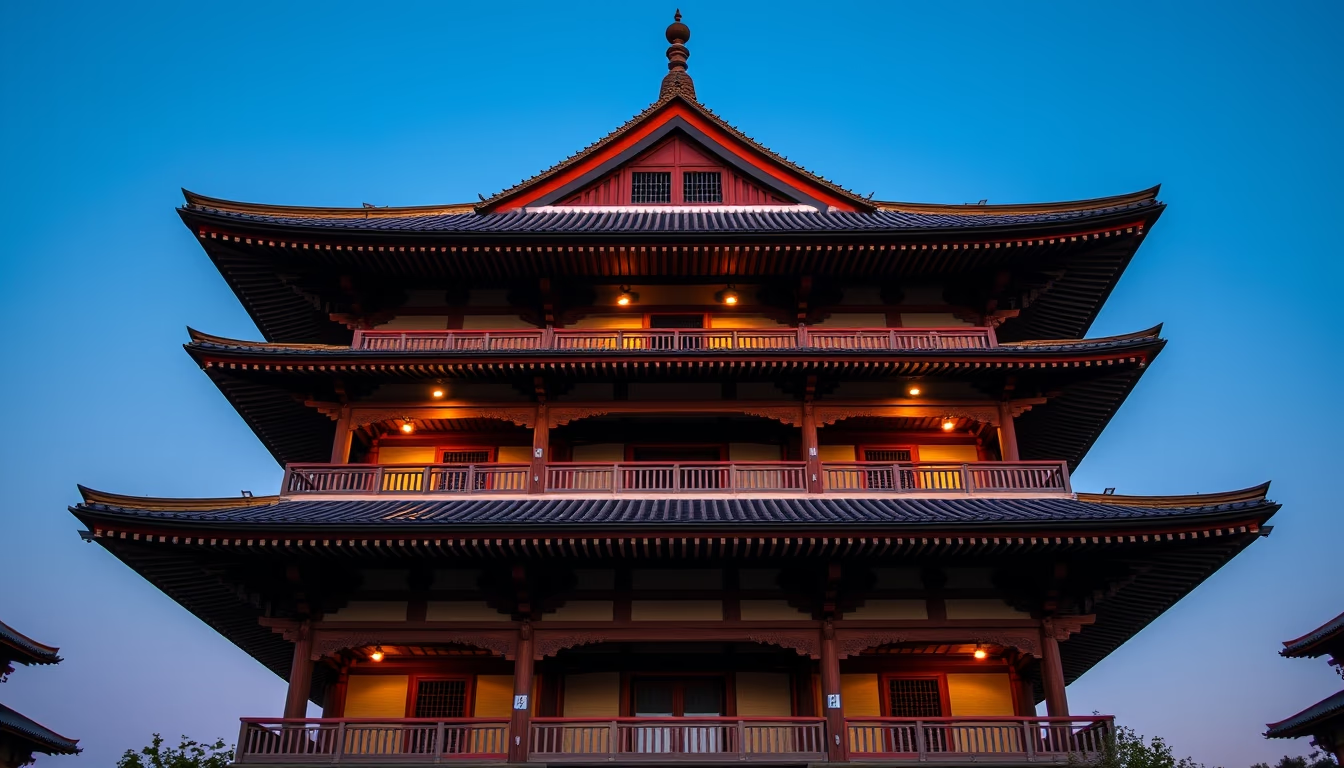
Pagoda multiple stories
1344×768 · AVIF · CC BY 4.0
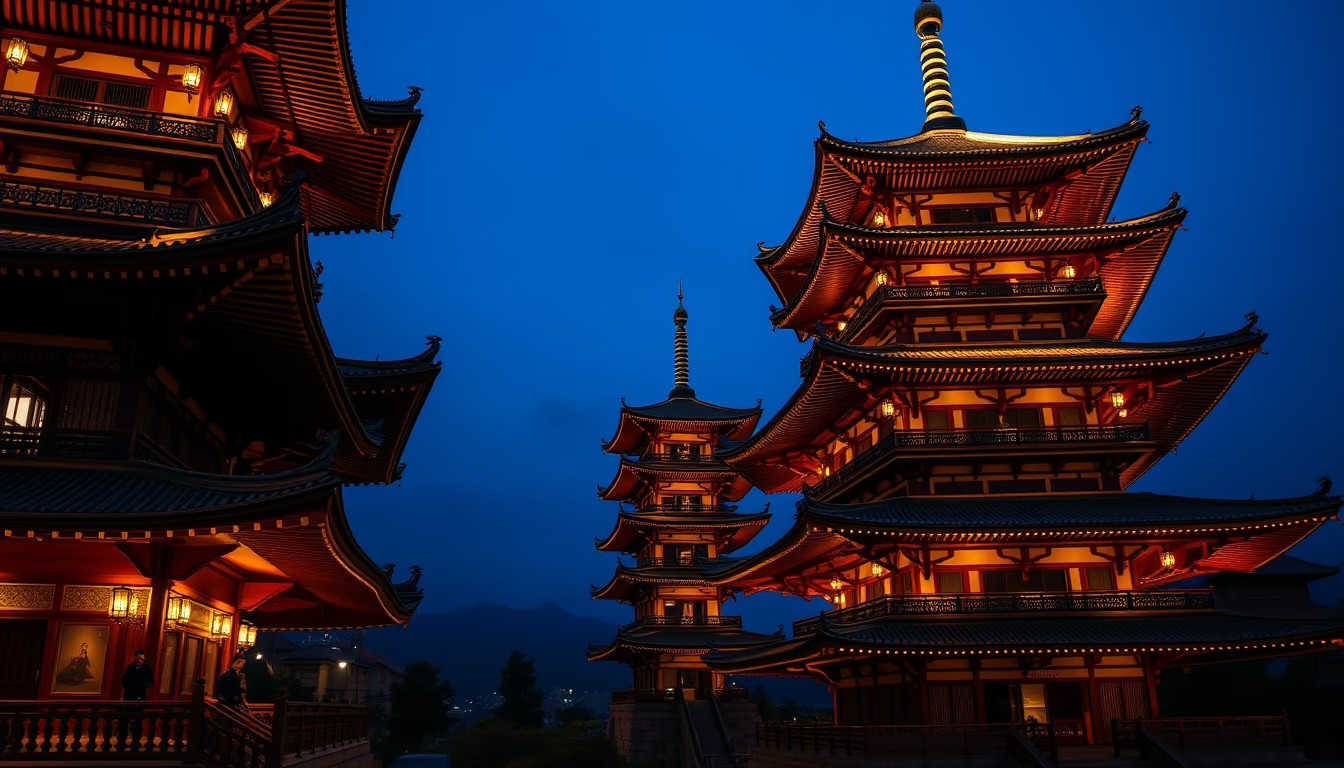
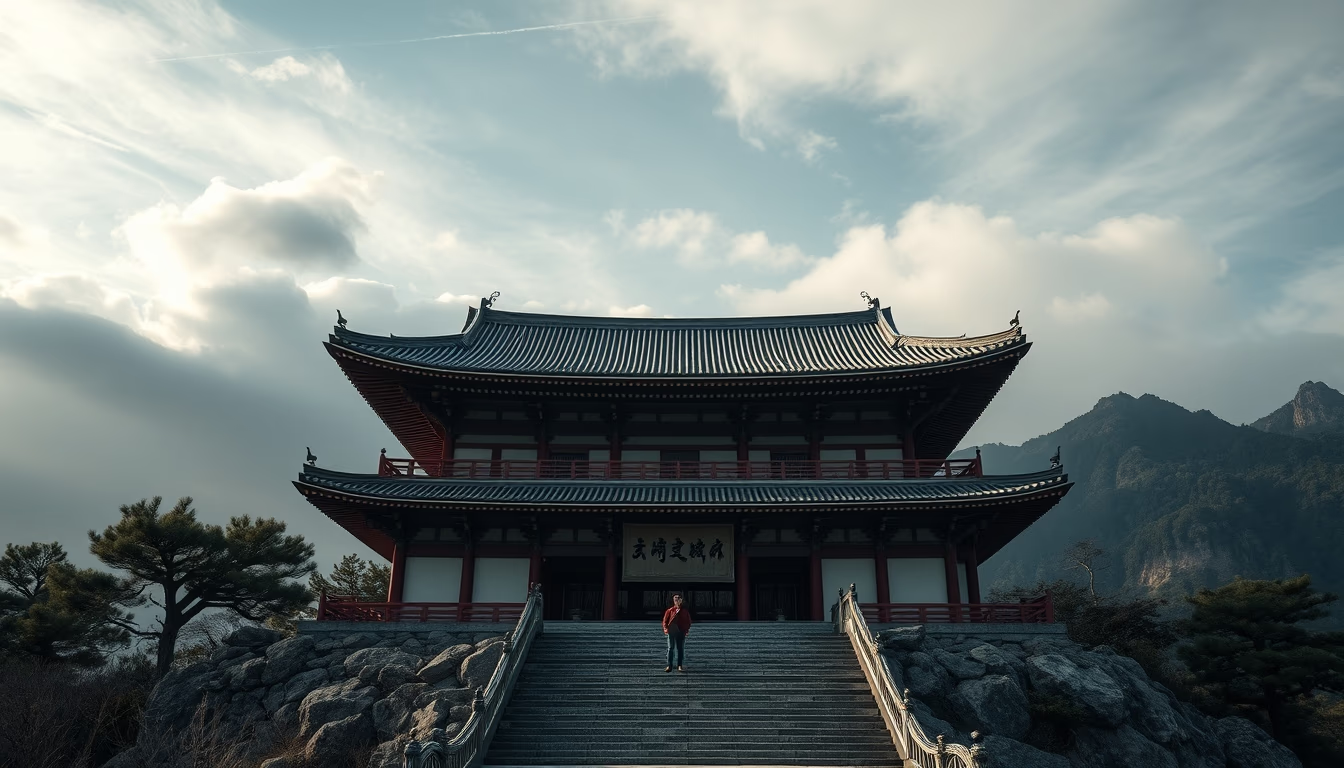
The multi-storied pagoda is an architectural icon of East Asia, found in Buddhist temples and associated with Zen meditation.
About this subject
Originating from the Indian stupa, pagodas began as funerary mounds and evolved into multi-storied towers as Buddhism spread across China, Korea, and Japan. Unlike hemispherical stupas, East Asian pagodas adopted a vertical form with curved eaves, influenced by Chinese woodworking. Each story represents one of the five elements of Buddhist cosmology: earth, water, fire, air, and void. The pinnacle often features a spire with rings, symbolizing the axis mundi.
In Zen Buddhism, pagodas are integral to temple complexes, serving as reliquaries for sutras or the ashes of enlightened masters. Kyoto's Ryoan-ji, famous for its Zen rock garden, features a three-storied pagoda that contrasts with the garden's austerity. The vertical form invites contemplation, mirroring the path to enlightenment. Japanese pagodas, called tō, typically have five stories, while Chinese pagodas range from three to thirteen.
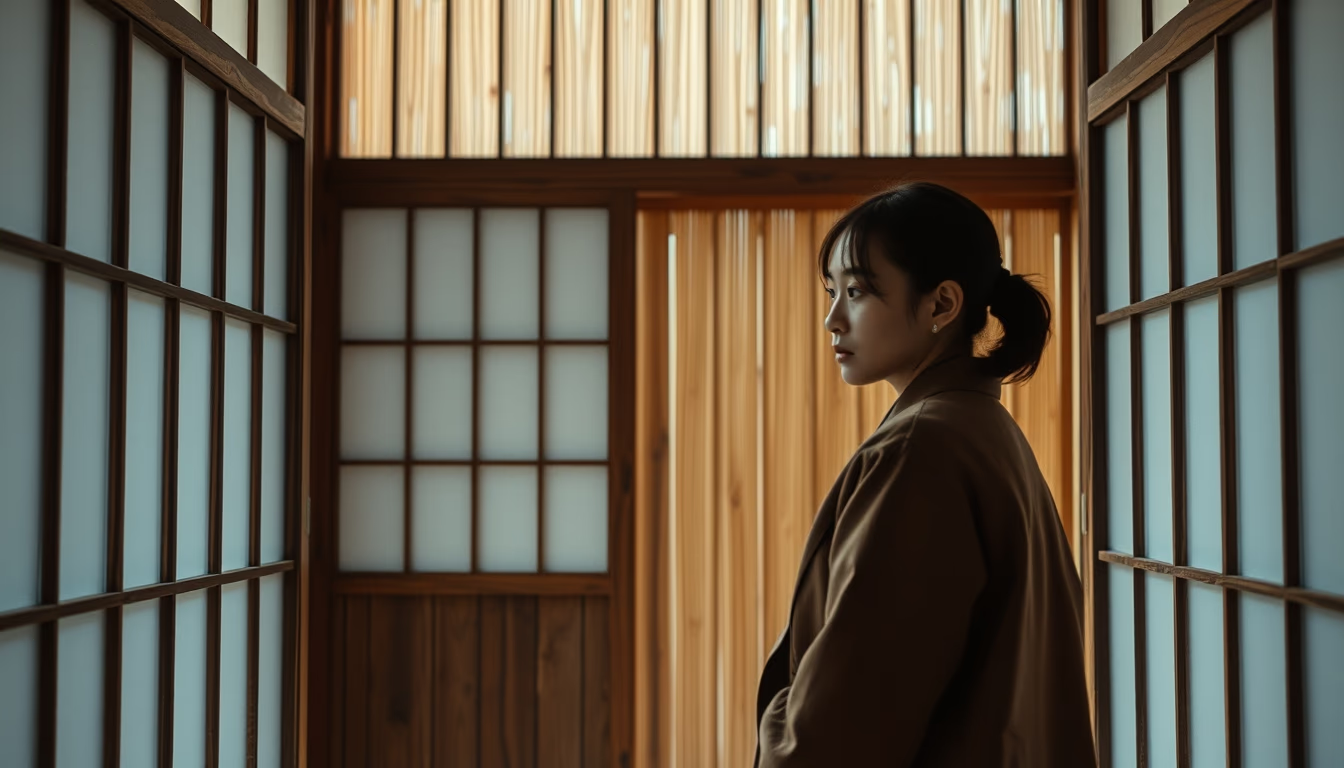
In high-fashion editorials, pagodas are frequently used as backdrops to evoke a sense of oriental mystique. The tiered silhouette and curved roofs create a dramatic aesthetic that contrasts with contemporary pieces. Brands like Gucci and Alexander McQueen have featured pagodas in campaigns, associating the ancient structure with timeless luxury. The image titled "Pagoda multiple stories" fits into this fashion tradition, highlighting architectural grandeur in harmony with Zen minimalism.
Frequently Asked Questions
What is the historical origin of multi-storied pagodas?
Pagodas evolved from Indian stupas, which were mounds built to hold Buddhist relics. In China, they transformed into wooden towers with curved eaves, eventually spreading across East Asia.
What do the stories of a pagoda symbolize?
Each story represents one of the five elements of Buddhist cosmology: earth, water, fire, air, and void. The number of stories varies, but five is most common in Japan.
How are pagodas connected to Zen aesthetics in fashion?
In Zen, the pagoda's simplicity and verticality inspire contemplation. In fashion, this symbolism is used in editorials to blend Eastern tradition with modern design, creating visual contrast and cultural depth.
Direct URL
https://pub-c7d6a6ea828543ac903a74a341ccb2e1.r2.dev/imagens/pagoda-multiple-stories-high-fashion-editorial-fresh16.avifHow to credit
Include a visible link back to UtilizAí. Copy one of the snippets below:
<a href="https://xn--utiliza-eza.com/en/midia/imagens/pagoda-multiple-stories-high-fashion-editorial-fresh16">Pagoda multiple stories</a> by <a href="https://xn--utiliza-eza.com">UtilizAí</a>, licensed under <a href="https://creativecommons.org/licenses/by/4.0/">CC BY 4.0</a>.
[Pagoda multiple stories](https://xn--utiliza-eza.com/en/midia/imagens/pagoda-multiple-stories-high-fashion-editorial-fresh16) by [UtilizAí](https://xn--utiliza-eza.com), CC BY 4.0
License: CC-BY-4.0