Zen tea house rural japan
1344×768 · AVIF · CC BY 4.0
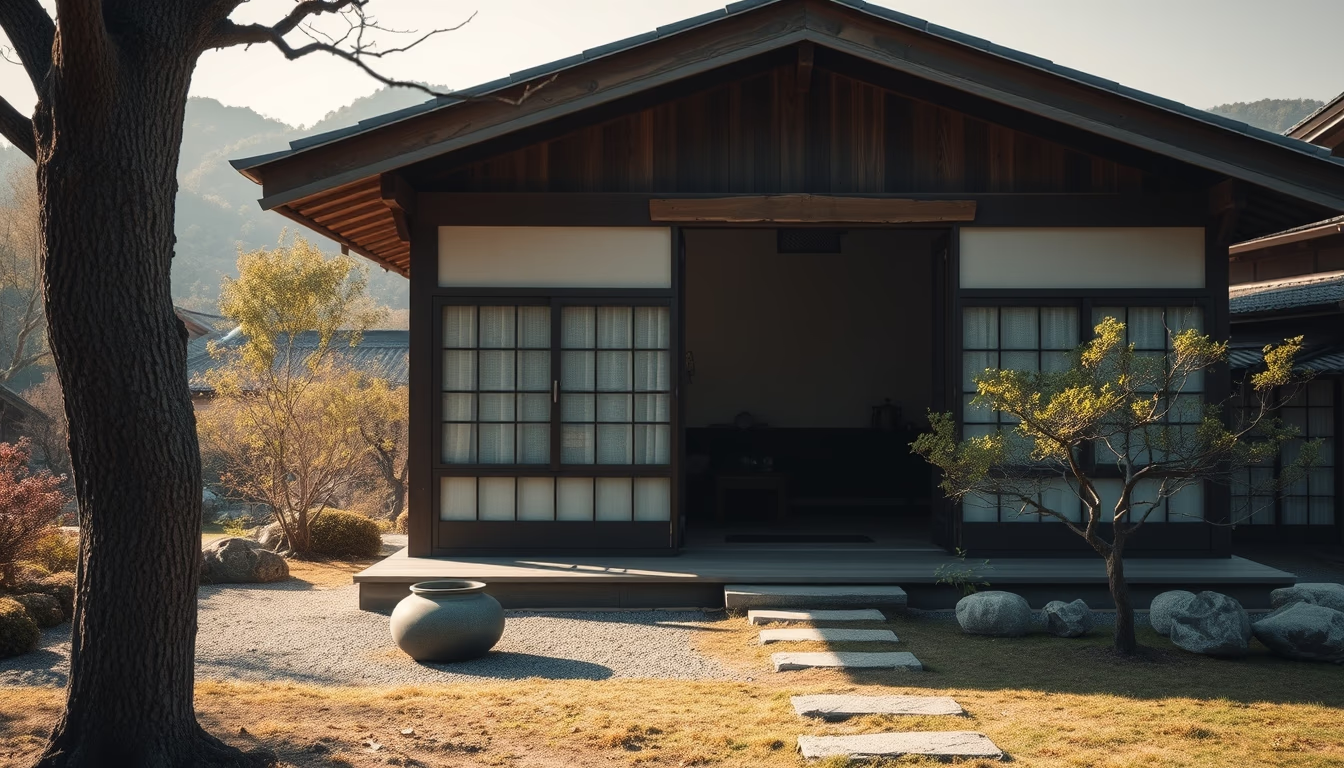
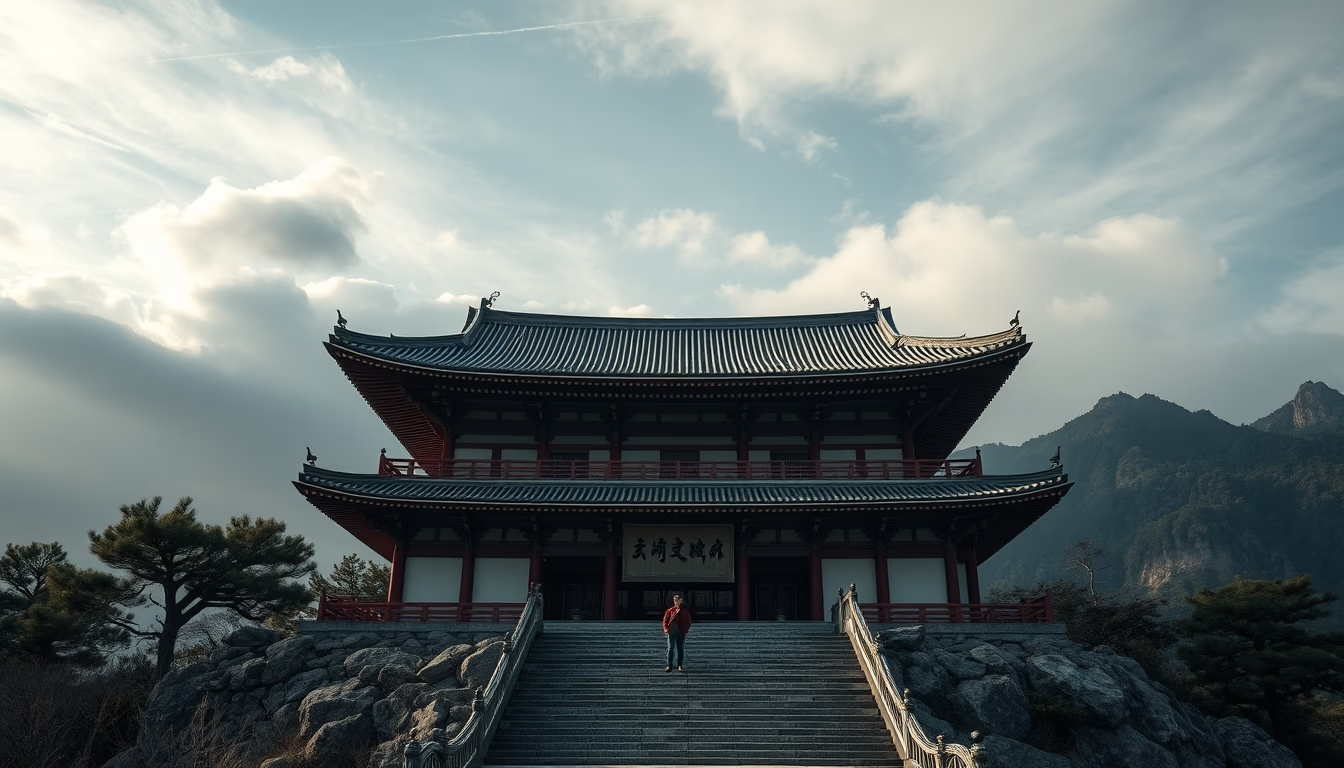
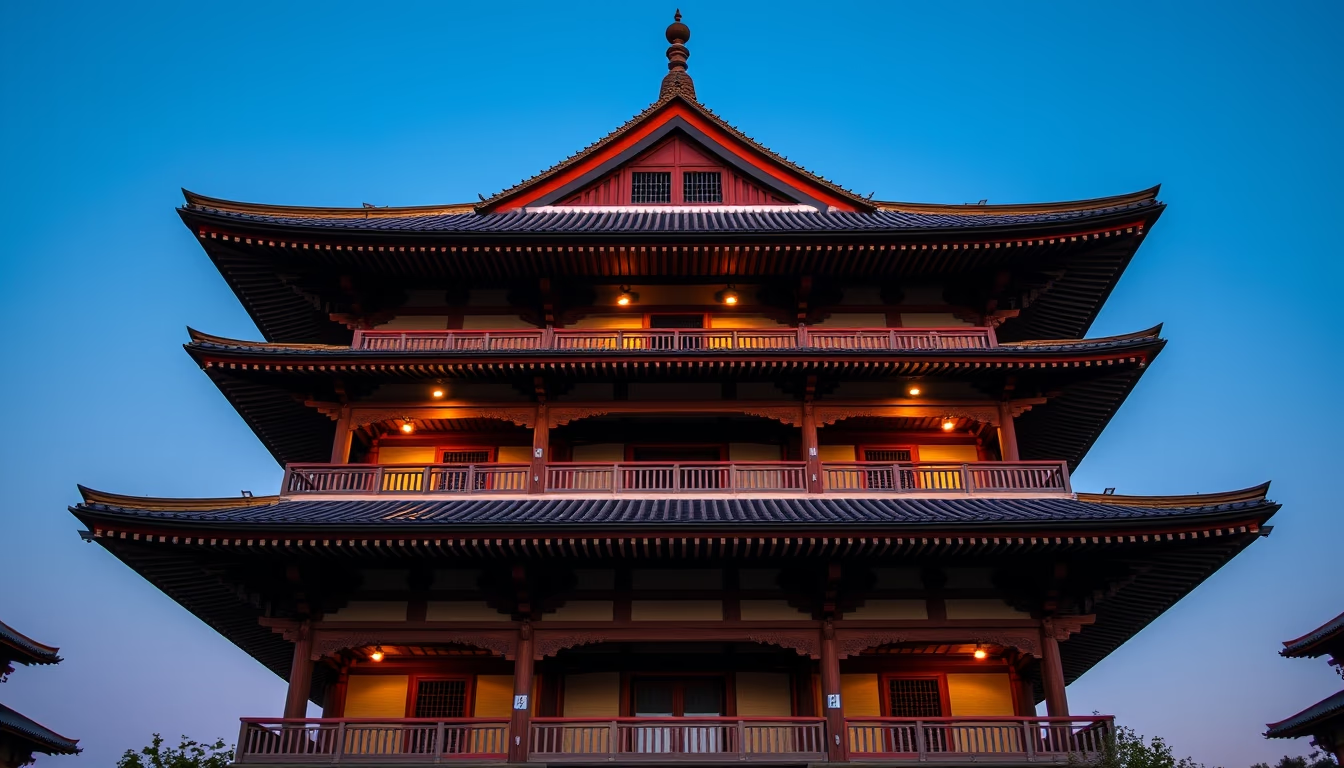
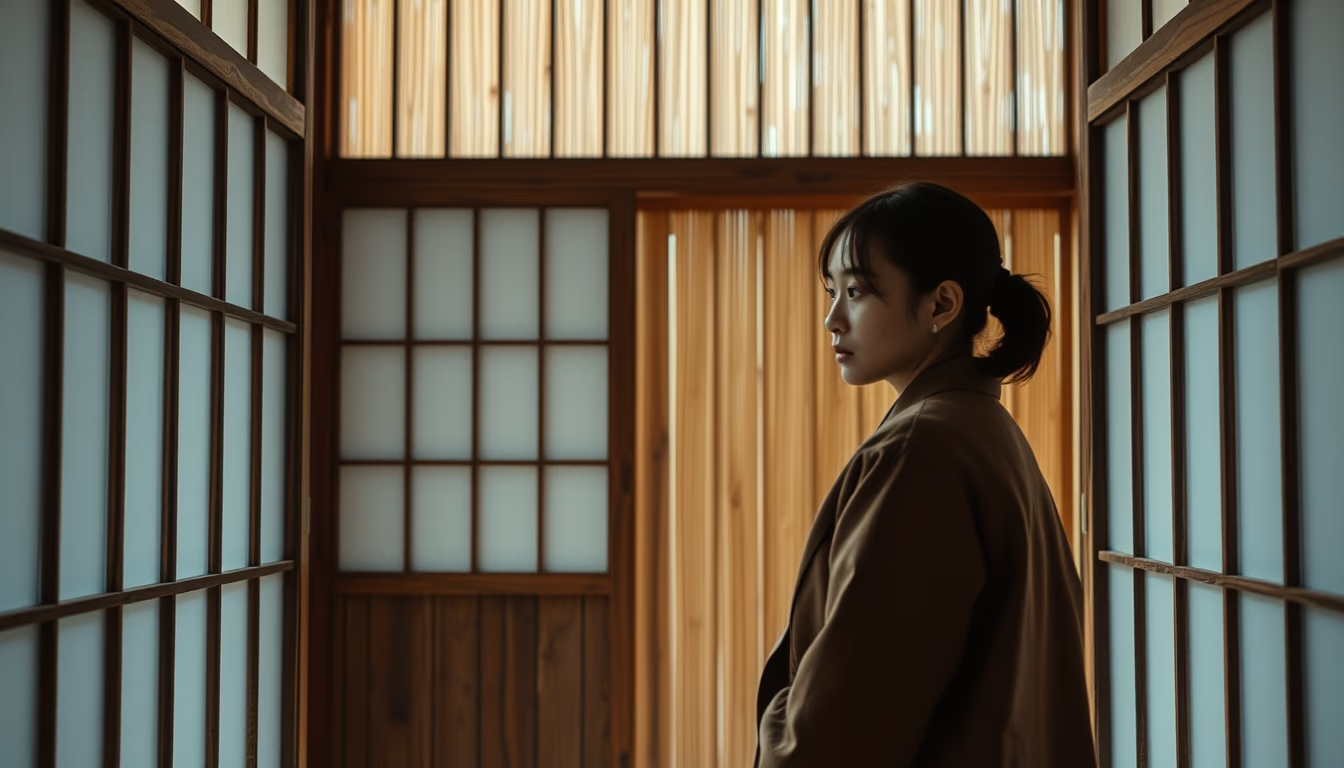
The Zen tea house (chashitsu) is a minimalist architectural space in rural Japan, designed for the tea ceremony and meditation.
About this subject
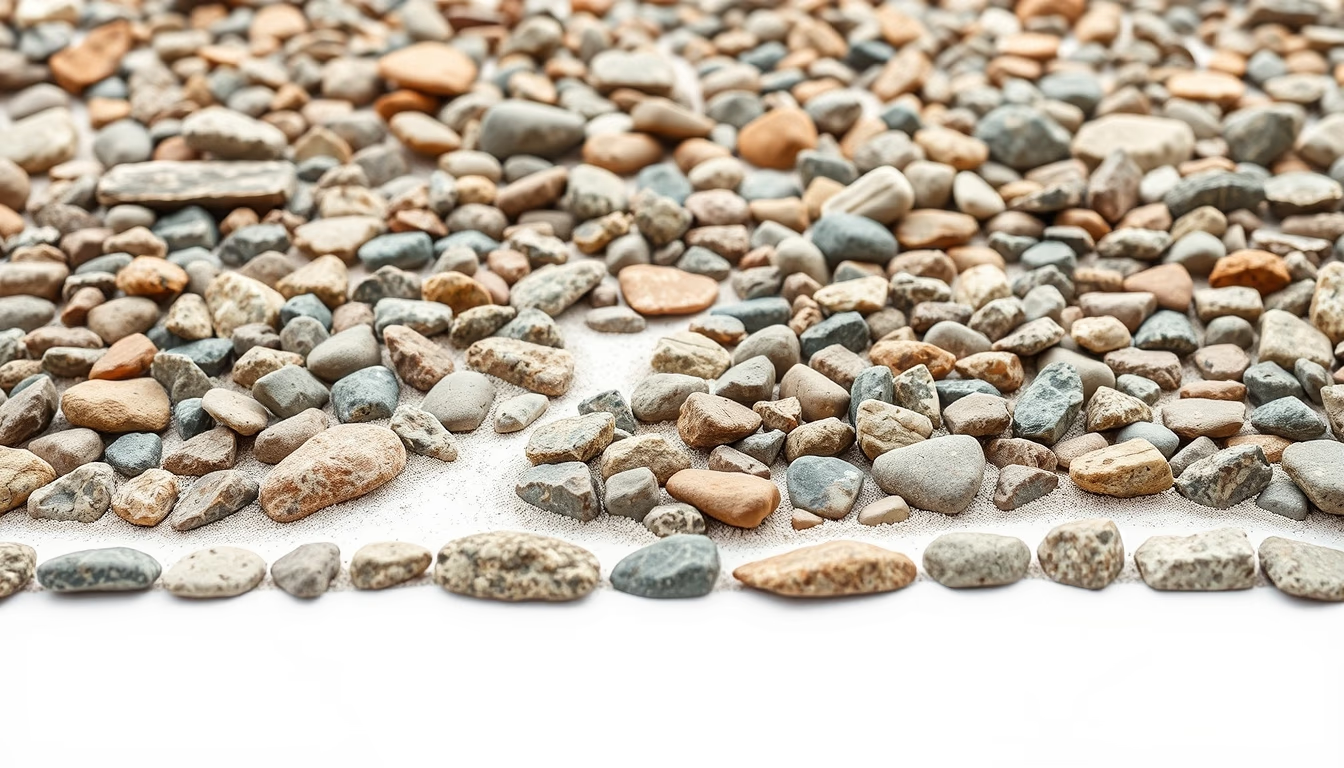
The Zen tea house, also known as chashitsu, is a central element of Japanese culture and the practice of tea (chanoyu). Originating in the 16th century under the influence of masters like Sen no Rikyū, the chashitsu reflects Zen Buddhist principles: simplicity, harmony with nature, and introspection. Typically built from natural materials such as wood, bamboo, and clay, its minimalist architecture aims to create an atmosphere of tranquility and focus. The narrow entrance (nijiriguchi) requires guests to bow, symbolizing humility and leaving behind worldly concerns. The interior, of small size (usually 4.5 tatami mats), houses the hearth (ro) and tea utensils, while a tokonoma (alcove) displays a calligraphy scroll and seasonal flower arrangements. Nestled in rustic gardens, the chashitsu blends into the rural landscape, encouraging contemplation of nature. The wabi-sabi aesthetic, which values imperfection and transience, is essential: irregular pottery, aged wood, and soft light create a serene ambiance. The tea ceremony, or cha-no-yu, is far more than drinking matcha tea; it is a ritual cultivating presence, mindfulness, and connection between host and guests. The chashitsu is not merely a building but a gateway to the Zen experience, where every gesture and object carries meaning. While many tea houses are found in temples or urban areas, those in rural Japan often preserve a more authentic character integrated with the natural environment, such as those in the Kyoto region or the mountains of Yanaka.
Frequently Asked Questions
What is a Zen tea house and what is its origin?
A Zen tea house (chashitsu) is a traditional Japanese minimalist structure for the tea ceremony. It originated in the 16th century with masters like Sen no Rikyū, inspired by Zen Buddhism.
What are typical architectural elements of a chashitsu?
They include natural materials (wood, bamboo), a narrow entrance (nijiriguchi), tatami flooring, a hearth (ro), a tokonoma (alcove), and an outer garden. The design emphasizes simplicity and integration with nature.
How does the Zen tea house relate to the wabi-sabi aesthetic?
The chashitsu embodies wabi-sabi by using rustic, imperfect, and aged objects, promoting beauty in simplicity and transience. This reflects Zen ideals of detachment and harmony with the present moment.
Direct URL
https://pub-c7d6a6ea828543ac903a74a341ccb2e1.r2.dev/imagens/zen-tea-house-rural-japan-magazine-editorial-fresh17.avifHow to credit
Include a visible link back to UtilizAí. Copy one of the snippets below:
<a href="https://xn--utiliza-eza.com/en/midia/imagens/zen-tea-house-rural-japan-magazine-editorial-fresh17">Zen tea house rural japan</a> by <a href="https://xn--utiliza-eza.com">UtilizAí</a>, licensed under <a href="https://creativecommons.org/licenses/by/4.0/">CC BY 4.0</a>.
[Zen tea house rural japan](https://xn--utiliza-eza.com/en/midia/imagens/zen-tea-house-rural-japan-magazine-editorial-fresh17) by [UtilizAí](https://xn--utiliza-eza.com), CC BY 4.0
License: CC-BY-4.0