Navajo blanket pattern
1344×768 · AVIF · CC BY 4.0
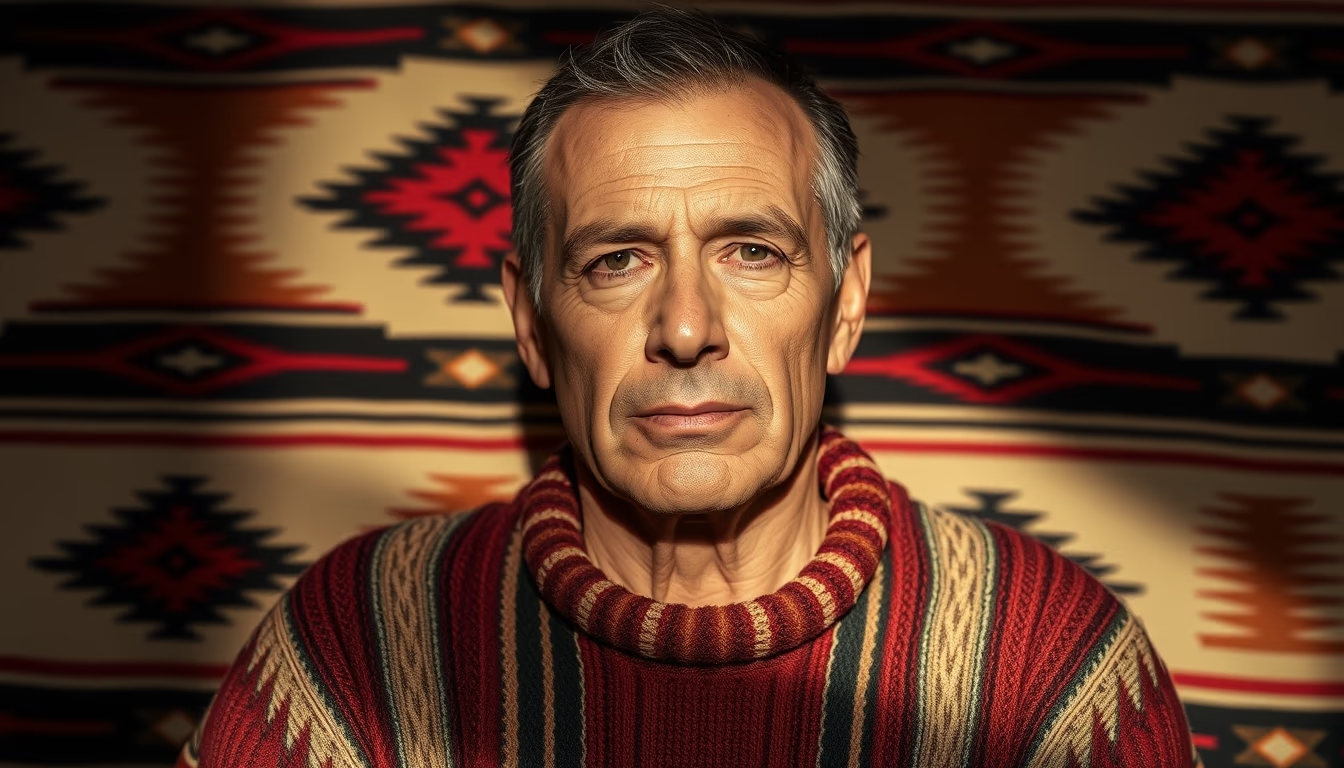
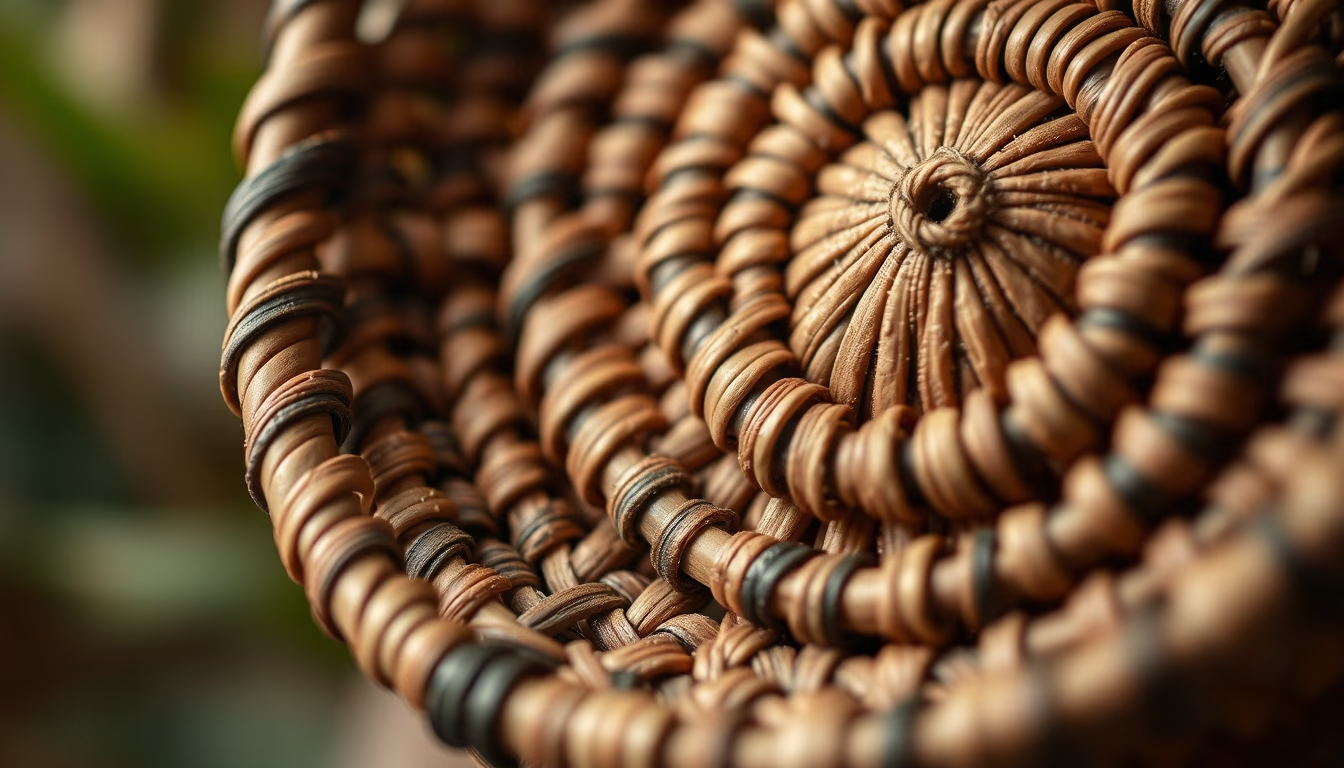
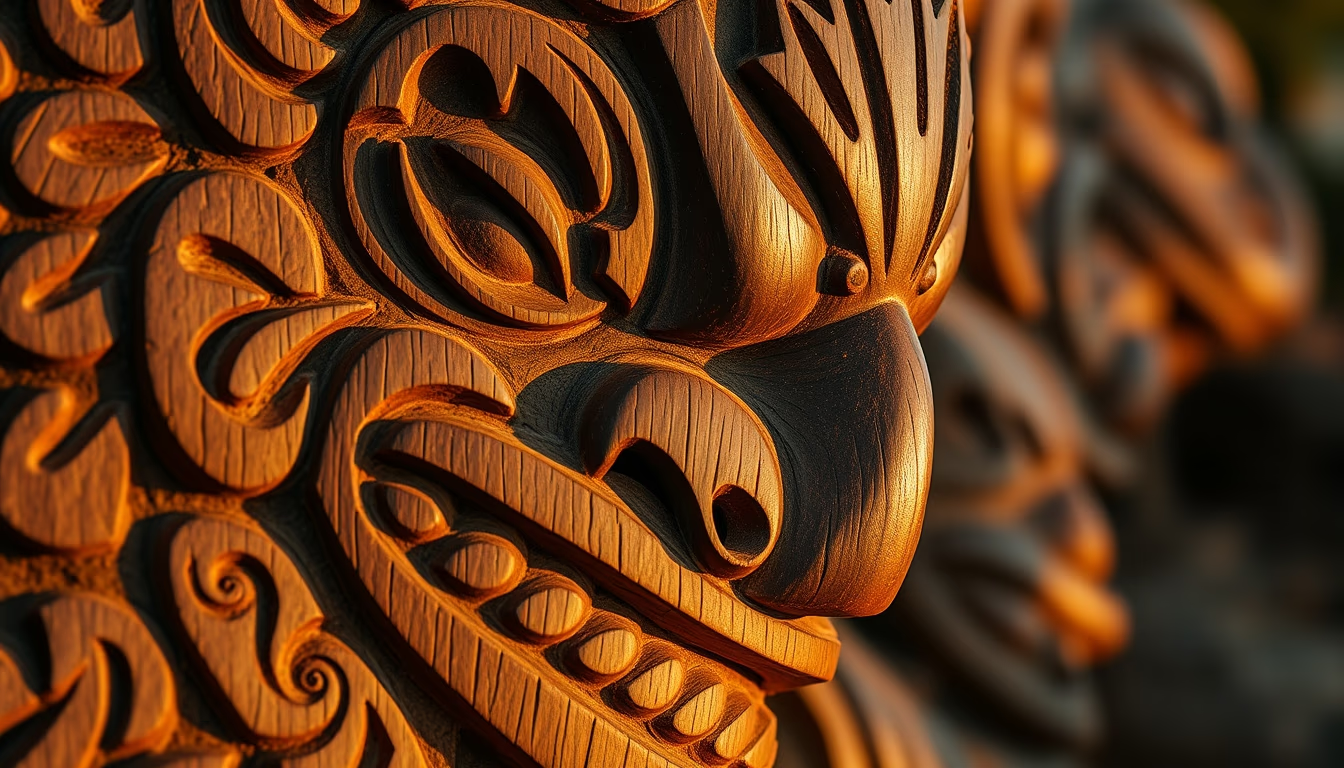
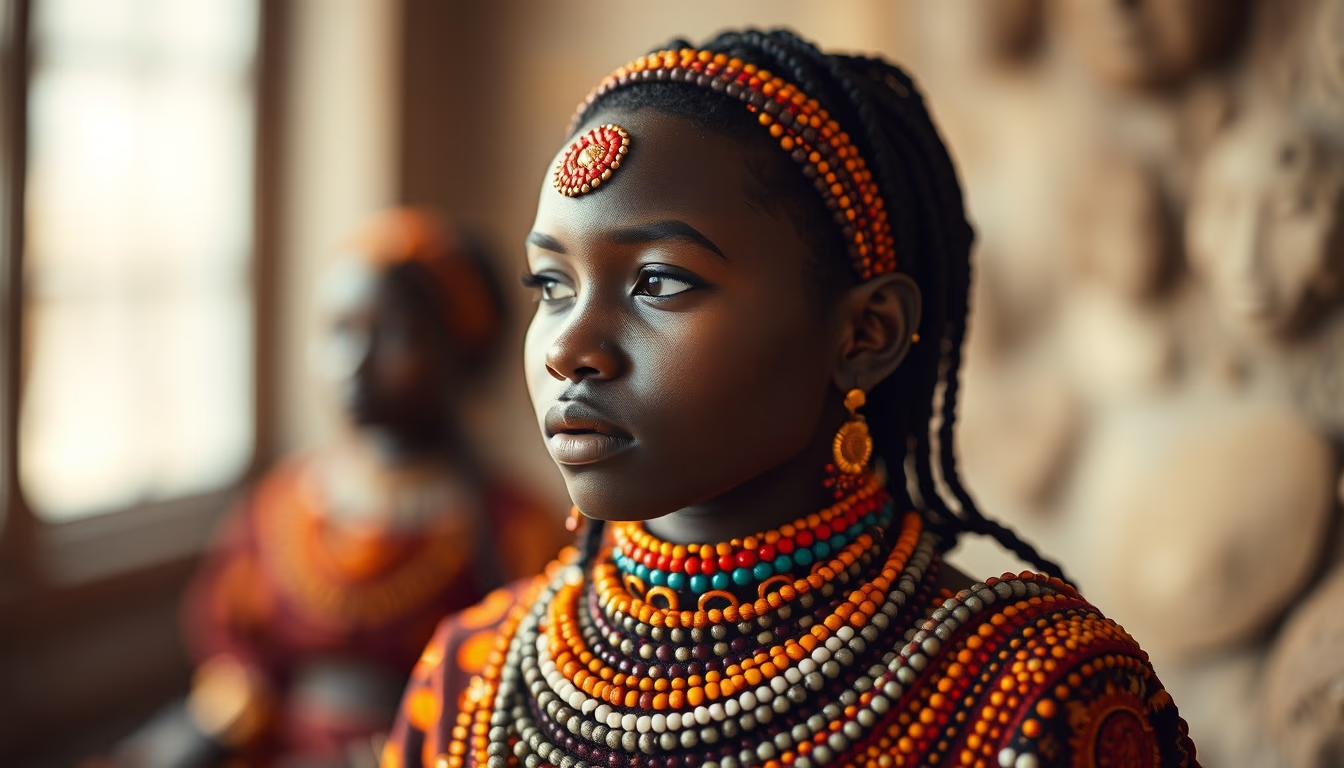
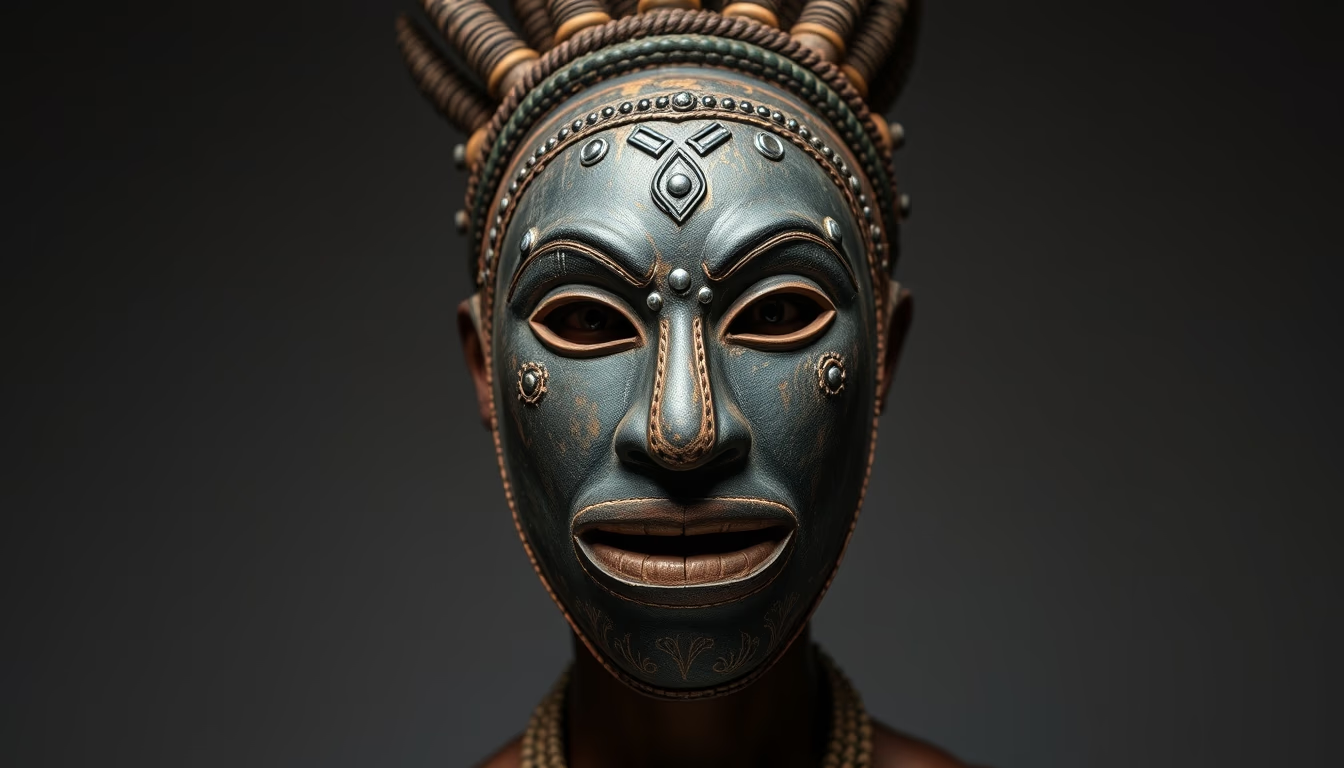
The Navajo blanket pattern, with its geometric designs and cultural symbolism, is an ancient artistic expression of the Diné people.
About this subject
Navajo blankets, woven by the Diné people in the southwestern United States, are renowned for their intricate geometric patterns and vibrant colors. The weaving tradition dates back to the 17th century, when the Diné learned the craft from the Pueblo Indians and later adopted wool from Churra sheep brought by Spanish colonizers. Each design carries deep meanings: horizontal stripes represent mountains and valleys, diamonds symbolize the morning star, and zigzags evoke lightning and water. Navajo weavers use vertical looms and fibers dyed with natural pigments from local plants and minerals, such as indigo for blue and cochineal for red.
By the 19th century, Navajo blankets became highly valued trade items among settlers and merchants, who influenced the creation of new patterns like the "eye-dazzler," characterized by bold contrasts and repetitive motifs. During the trade rug era (1890-1930), designs were standardized to suit non-native buyers, resulting in pieces such as the "Ganado red," with a red background and black-and-white geometric forms. Despite this commercialization, weavers preserved ancestral knowledge and techniques that require months of labor, including hand-spinning and tight weaving that makes the blankets waterproof.
Today, Navajo blankets are celebrated as indigenous art and symbols of cultural resilience. Museums like the Heard Museum in Phoenix and the Museum of Indian Arts and Culture in Santa Fe display historic and contemporary examples. Weaving remains a living practice among the Diné, passed down through generations, with each piece telling a unique story of identity, nature, and spirituality. The patterns are not merely decorative; they encode knowledge about the cosmos, agriculture, and community life, functioning as visual texts that preserve collective memory.
Frequently Asked Questions
What are the traditional patterns of Navajo blankets?
Traditional patterns include the 'chief blanket' with horizontal stripes and red blocks, and the 'eye-dazzler' with repetitive motifs and vivid contrasts. Each design has symbolic meaning, such as mountains, stars, and lightning.
How are Navajo blankets made?
They are woven on a vertical loom using hand-spun wool and natural dyes. The process is slow and requires great skill, resulting in dense, often waterproof fabrics.
What is the significance of colors in Navajo weaving?
Colors are symbolic: blue represents sky and water, red fire and earth, black the underworld lining, and white light. The combination reflects cosmic harmony in Diné worldview.
Direct URL
https://pub-c7d6a6ea828543ac903a74a341ccb2e1.r2.dev/imagens/navajo-blanket-pattern-rembrandt-lighting-dramatic-shadows-fresh17.avifHow to credit
Include a visible link back to UtilizAí. Copy one of the snippets below:
<a href="https://xn--utiliza-eza.com/en/midia/imagens/navajo-blanket-pattern-rembrandt-lighting-dramatic-shadows-fresh17">Navajo blanket pattern</a> by <a href="https://xn--utiliza-eza.com">UtilizAí</a>, licensed under <a href="https://creativecommons.org/licenses/by/4.0/">CC BY 4.0</a>.
[Navajo blanket pattern](https://xn--utiliza-eza.com/en/midia/imagens/navajo-blanket-pattern-rembrandt-lighting-dramatic-shadows-fresh17) by [UtilizAí](https://xn--utiliza-eza.com), CC BY 4.0
License: CC-BY-4.0