Navajo blanket pattern
1344×768 · AVIF · CC BY 4.0
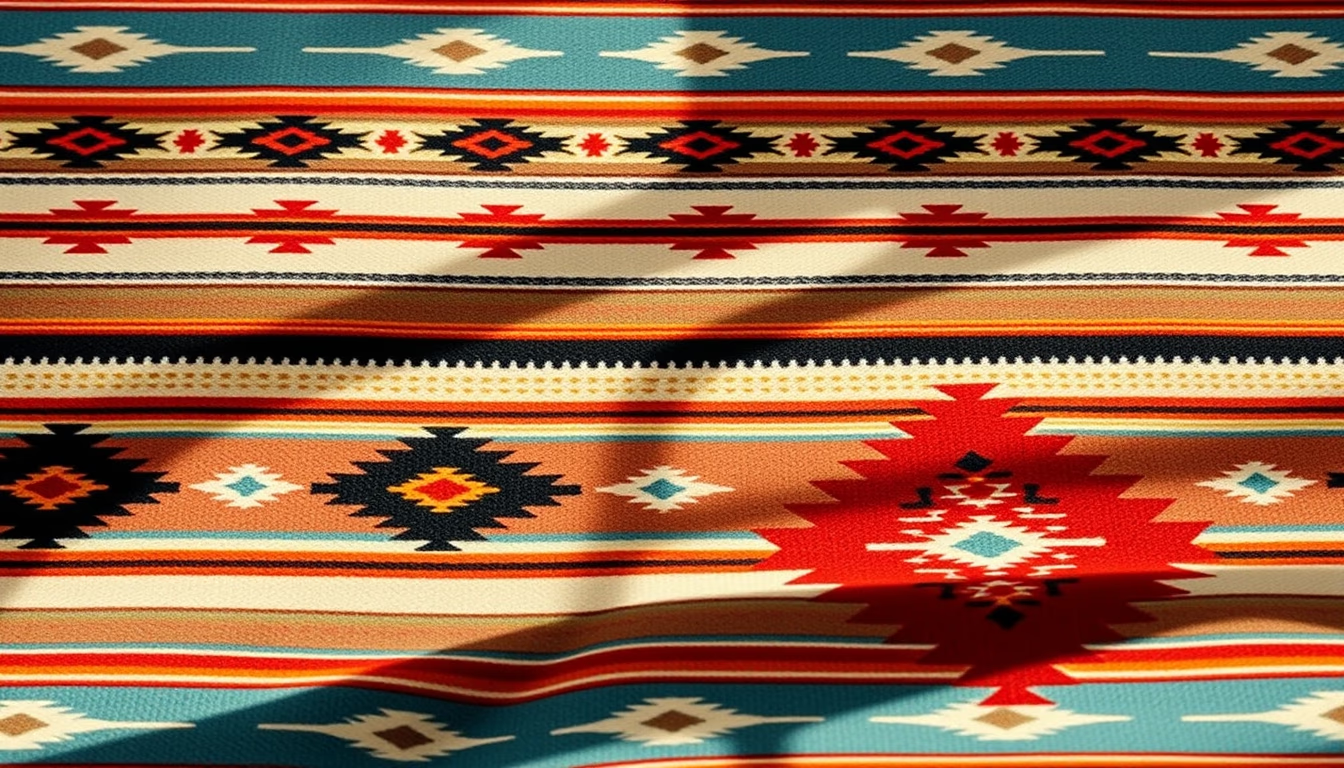
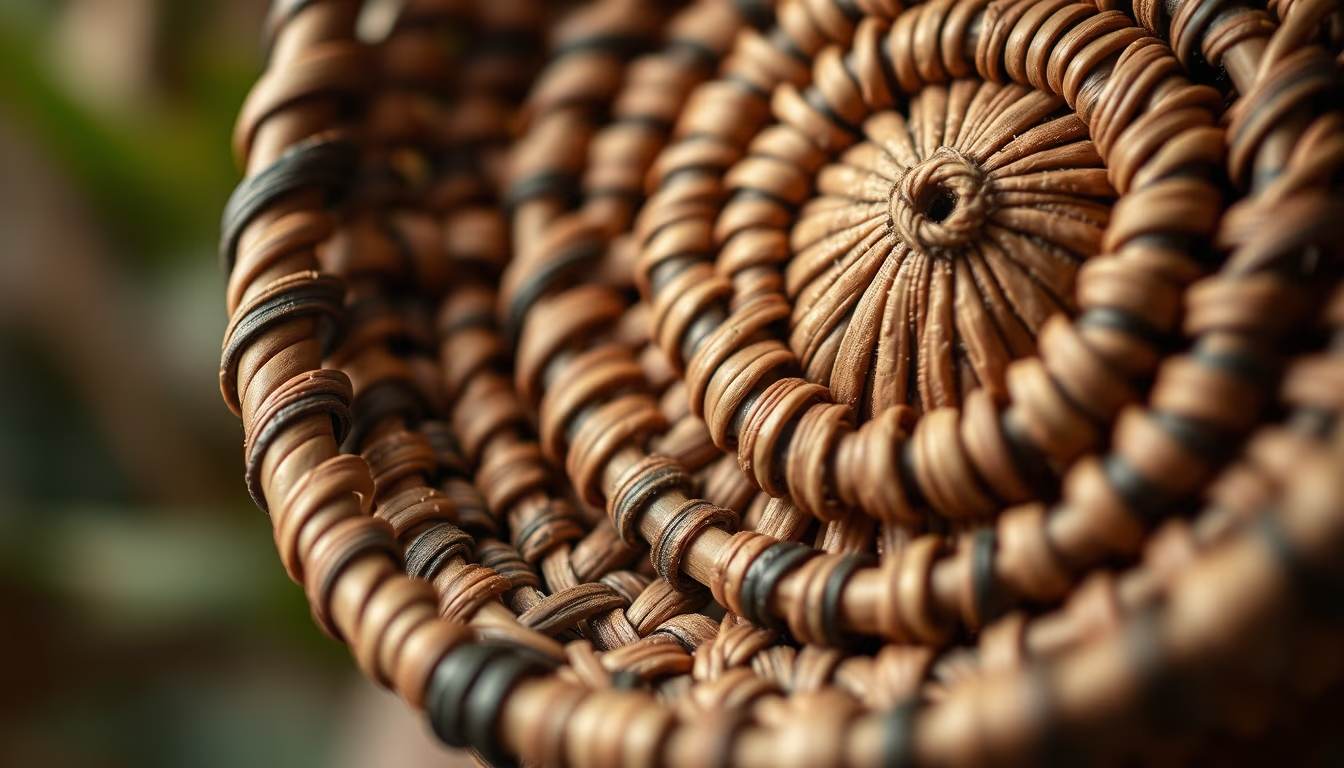
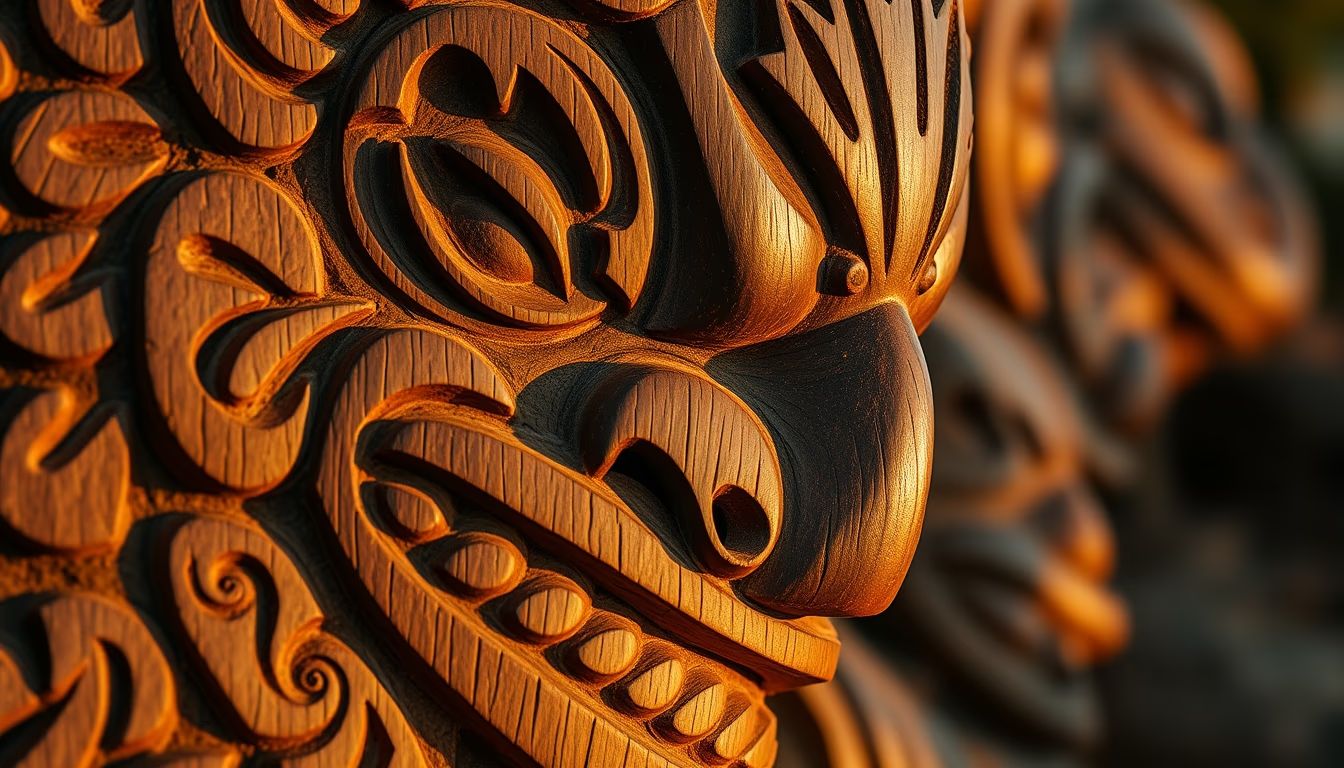
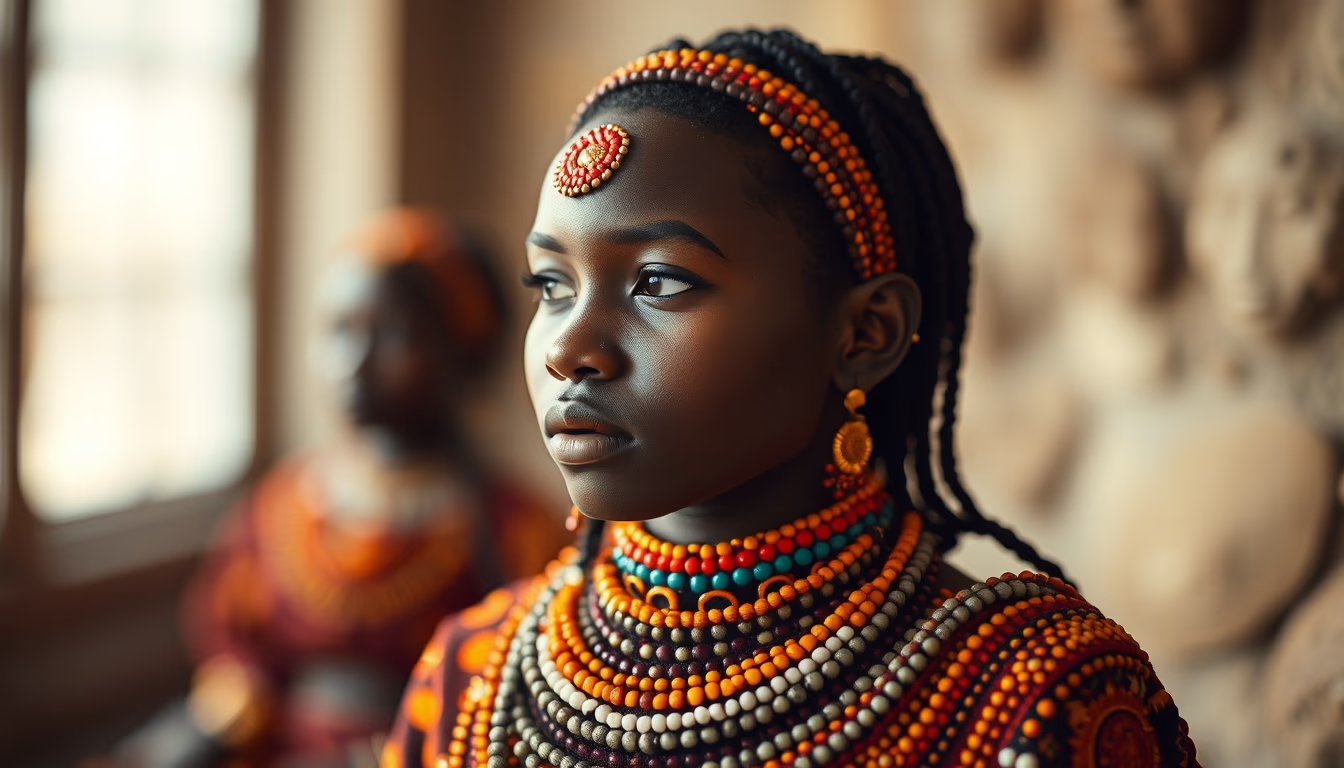
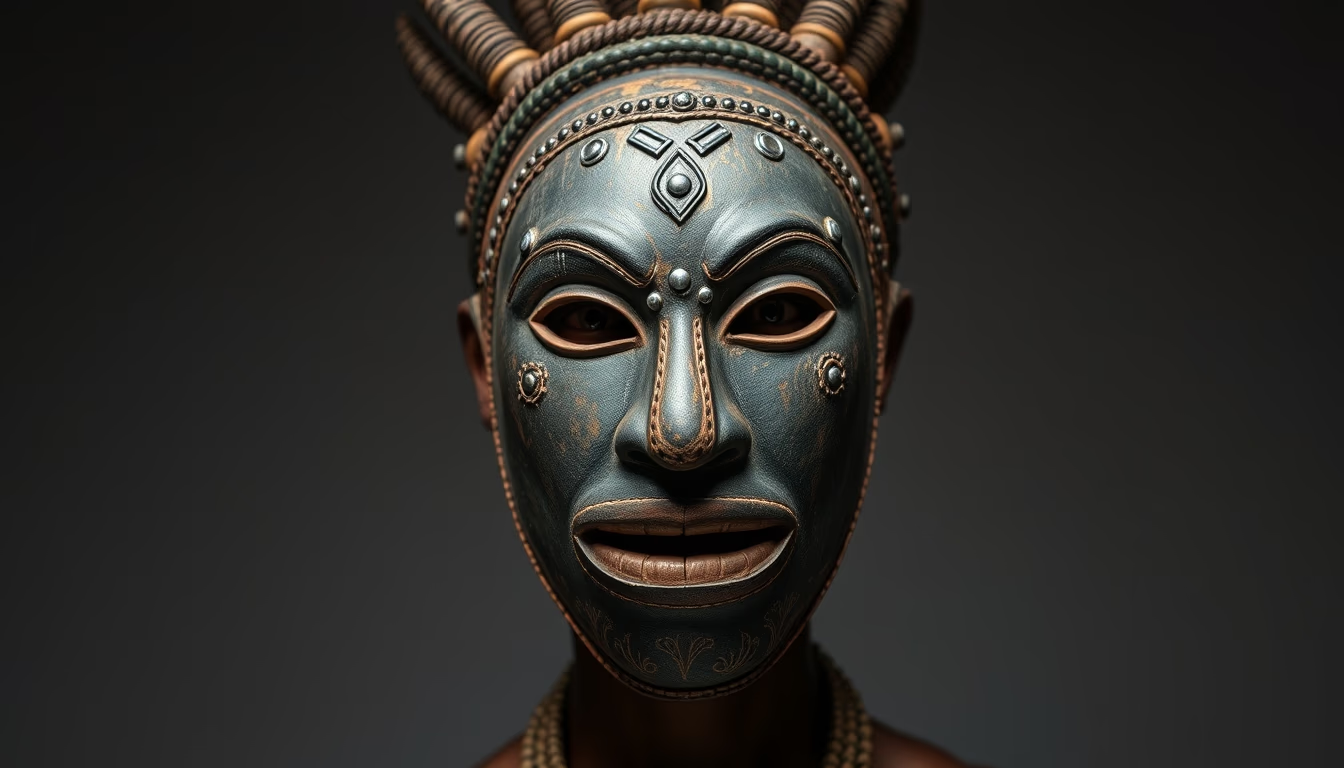
Navajo (Diné) blanket patterns are ancient artistic expressions blending spiritual symbolism, textile techniques, and commercial adaptations since the 17th century.
About this subject
Navajo blankets, woven by the Diné people of the southwestern United States, are renowned worldwide for their geometric patterns and vibrant colors. Originating around the 17th century when the Navajo learned weaving from the Pueblo, these textiles evolved from utilitarian blankets into highly valued art objects. Traditional patterns include parallel bands, diamonds, zigzags, and rainbow motifs, each carrying deep cultural meanings such as the representation of Mount Hesperus, a sacred mountain for the Diné.
During the forced confinement at Bosque Redondo from 1864 to 1868, the Navajo began weaving blankets for sale to the U.S. Army, introducing new colors and designs. The commercial availability of dyed wool and aniline expanded the palette but also sparked debates over authenticity. Today, Navajo weaving is recognized as an Indigenous art form protected by intellectual property laws, with weavers like D.Y. Begay and Barbara Teller Ornelas keeping the tradition alive.
Minimalist patterns, such as broad stripes and simple geometric shapes, have gained popularity in contemporary interior design, being reproduced on pillows, rugs, and digital prints. However, unauthorized use of these motifs can be cultural appropriation, as many patterns have ceremonial meanings or belong to specific clans. Authenticity is ensured by certifications from the Navajo Nation, guaranteeing that the product was made by Navajo artisans using traditional techniques.
Frequently Asked Questions
What do the geometric patterns on Navajo blankets mean?
Geometric patterns like diamonds and bands often represent natural elements, sacred mountains, or spiritual concepts. For example, the diamond may symbolize Mount Hesperus, one of the four sacred peaks of the Navajo.
How can you tell an authentic Navajo blanket from a fake?
Authentic blankets usually have a Navajo Nation tag or certificate of authenticity. Traditional weavers use Churro sheep wool and natural dyes, though some use commercial yarn. The pattern and hand-finished edges are also indicators.
What are the most famous types of Navajo blankets?
Famous types include the Chief Blankets with broad stripes and red spots, and the Two Gray Hills, known for geometric patterns in neutral colors like black, white, and gray.
Direct URL
https://pub-c7d6a6ea828543ac903a74a341ccb2e1.r2.dev/imagens/navajo-blanket-pattern-minimalist-composition-fresh3.avifHow to credit
Include a visible link back to UtilizAí. Copy one of the snippets below:
<a href="https://xn--utiliza-eza.com/en/midia/imagens/navajo-blanket-pattern-minimalist-composition-fresh3">Navajo blanket pattern</a> by <a href="https://xn--utiliza-eza.com">UtilizAí</a>, licensed under <a href="https://creativecommons.org/licenses/by/4.0/">CC BY 4.0</a>.
[Navajo blanket pattern](https://xn--utiliza-eza.com/en/midia/imagens/navajo-blanket-pattern-minimalist-composition-fresh3) by [UtilizAí](https://xn--utiliza-eza.com), CC BY 4.0
License: CC-BY-4.0