Navajo blanket pattern
1344×768 · AVIF · CC BY 4.0
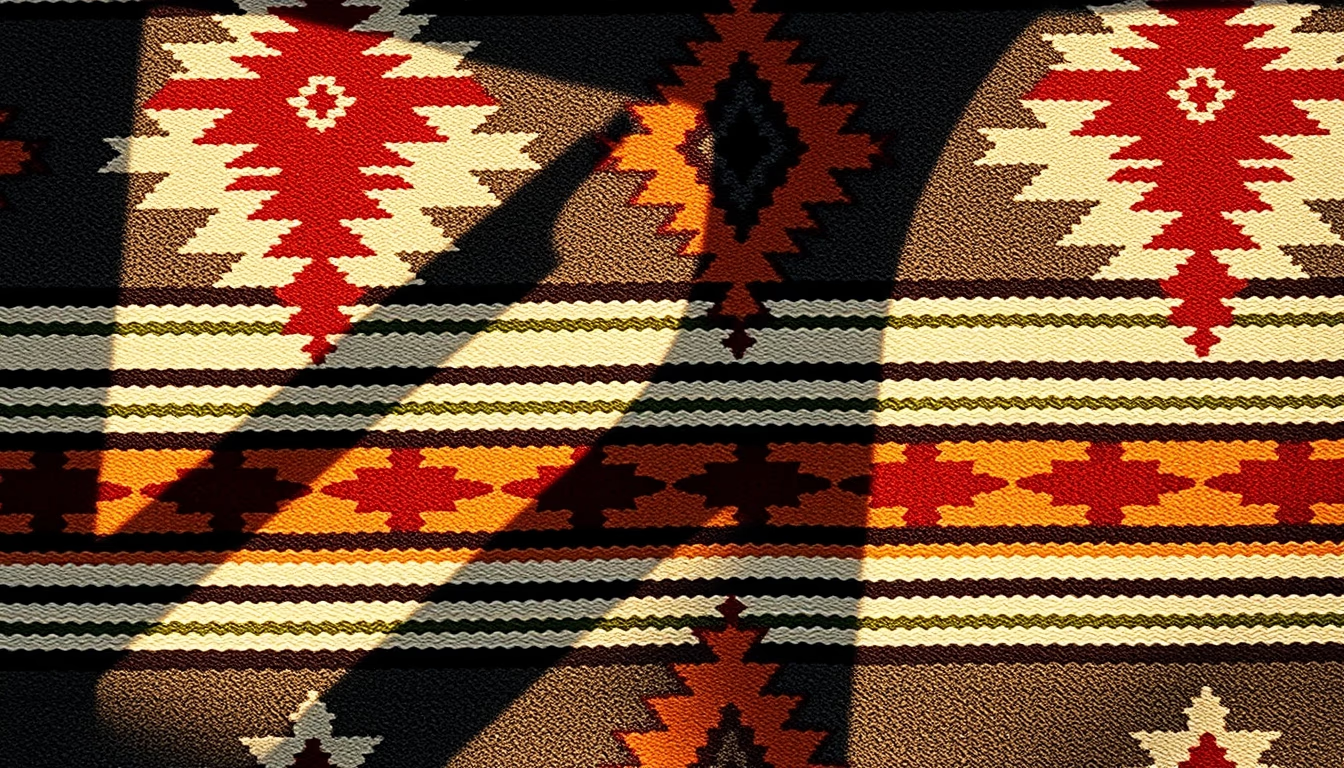
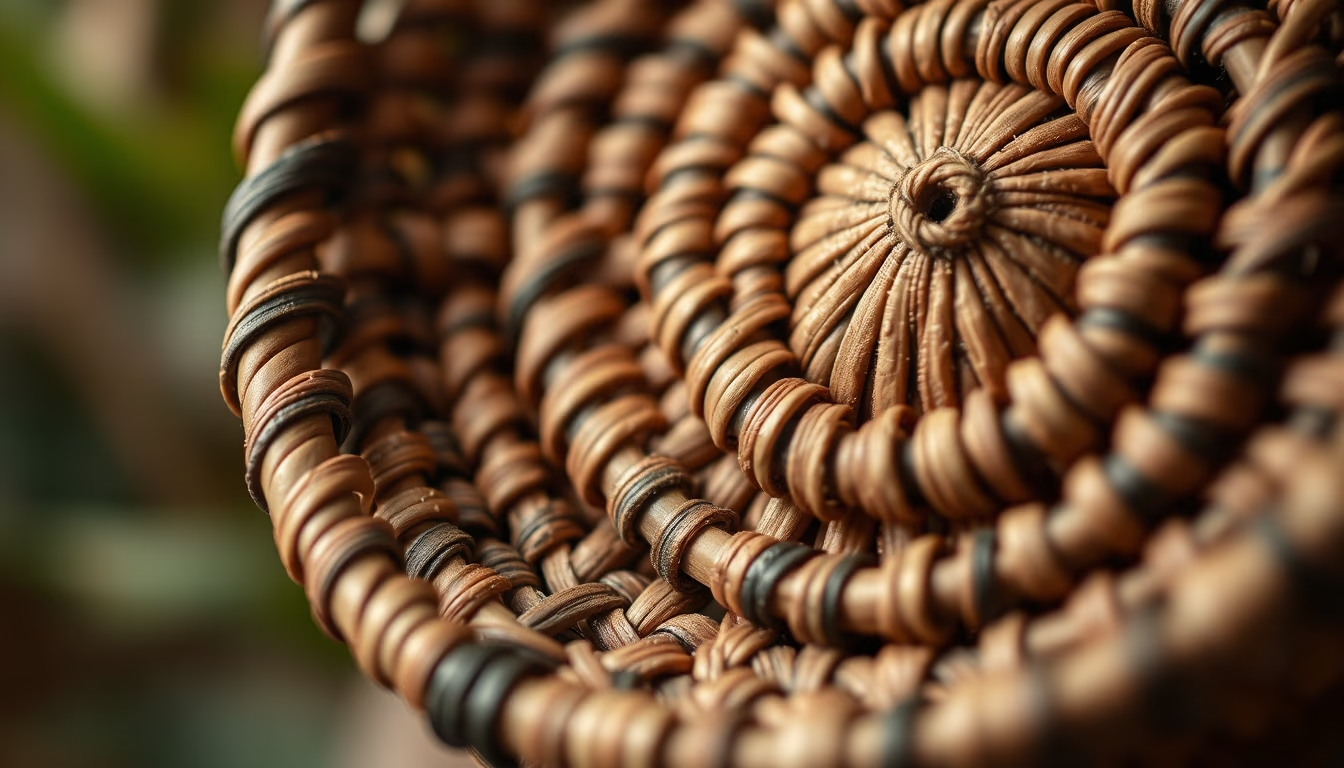
Navajo blanket patterns, featuring geometric stripes and diamonds, carry centuries of textile tradition and cultural symbolism of the Diné people.
About this subject
Navajo blankets, woven by the Diné people of the southwestern United States, are globally recognized for their distinct geometric patterns, including parallel stripes, diamonds, and stepped shapes. These designs are not merely decorative: each motif can represent natural elements such as mountains, lightning, or clouds, or convey stories and spiritual beliefs. The upright loom technique, introduced by Spaniards in the 17th century, was adapted by Navajo weavers, who developed their own style using wool from Churro sheep, an Iberian breed brought to the region.
The period from 1860 to 1880 is known as the "Classic Blanket Era," when Navajo textiles reached their peak in quality and complexity. The so-called "Chief's Blankets" were prestige items traded with neighboring tribes like the Ute and Sioux. They evolved from simple horizontal bands (First Phase) to designs with central diamonds and borders (Third Phase). After the arrival of railroads and synthetic dyes in the late 19th century, the "Eye-Dazzler" style emerged, featuring vibrant colors like red, orange, and green, creating intense optical effects.
Today, Navajo blankets continue to be produced by artisans on reservations in Arizona and New Mexico, preserving ancestral techniques. Authenticity is ensured by certifications such as the Navajo Nation’s Trademark, which protects cultural heritage against counterfeits. Beyond their artistic value, these textiles are studied by ethnologists and designers, who recognize their influence on modernist movements and contemporary textile art.
Frequently Asked Questions
What do the geometric patterns on Navajo blankets mean?
Patterns like stripes and diamonds can represent natural elements (mountains, clouds, lightning) or spiritual concepts. Each design carries meanings passed down orally through generations of weavers.
How can I identify an authentic Navajo blanket?
Genuine blankets typically have a Navajo Nation’s Trademark label, are hand-woven on a wooden loom, and use Churro sheep wool. Imitations often have machine-made fabric and irregular patterns.
What is the difference between a Navajo blanket and a Mexican blanket?
Mexican blankets are usually machine-made with repetitive patterns, while Navajo blankets are hand-woven on upright looms with intentional design flaws (spirit lines) that symbolize sacred imperfection.
Direct URL
https://pub-c7d6a6ea828543ac903a74a341ccb2e1.r2.dev/imagens/navajo-blanket-pattern-magazine-editorial-fresh5.avifHow to credit
Include a visible link back to UtilizAí. Copy one of the snippets below:
<a href="https://xn--utiliza-eza.com/en/midia/imagens/navajo-blanket-pattern-magazine-editorial-fresh5">Navajo blanket pattern</a> by <a href="https://xn--utiliza-eza.com">UtilizAí</a>, licensed under <a href="https://creativecommons.org/licenses/by/4.0/">CC BY 4.0</a>.
[Navajo blanket pattern](https://xn--utiliza-eza.com/en/midia/imagens/navajo-blanket-pattern-magazine-editorial-fresh5) by [UtilizAí](https://xn--utiliza-eza.com), CC BY 4.0
License: CC-BY-4.0