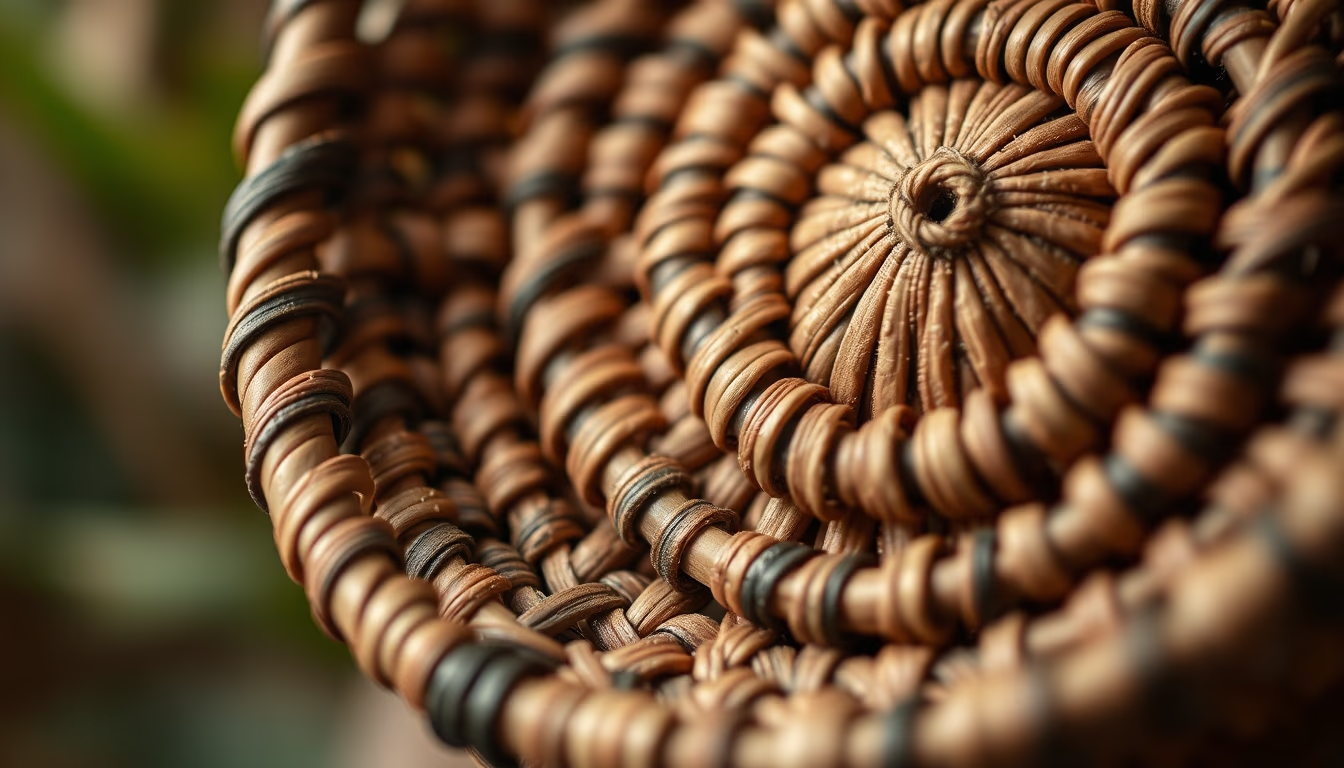
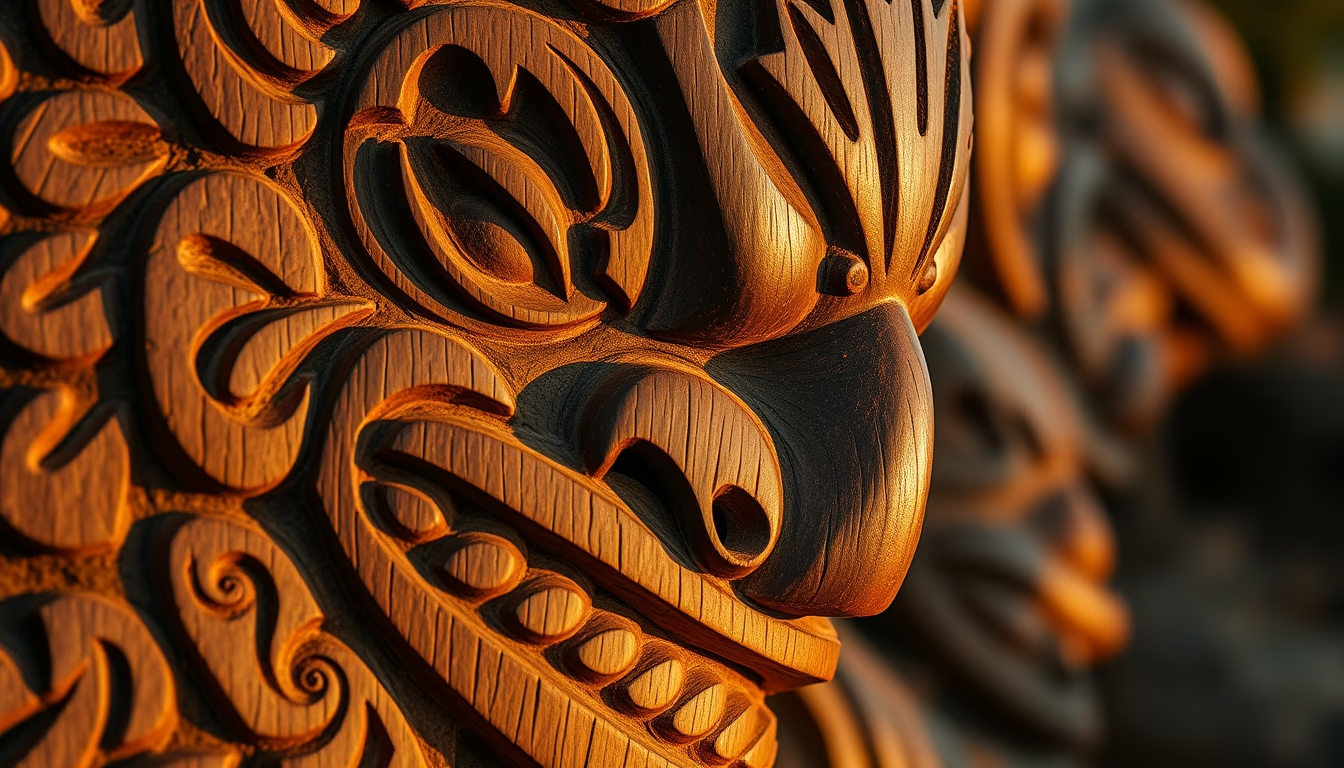
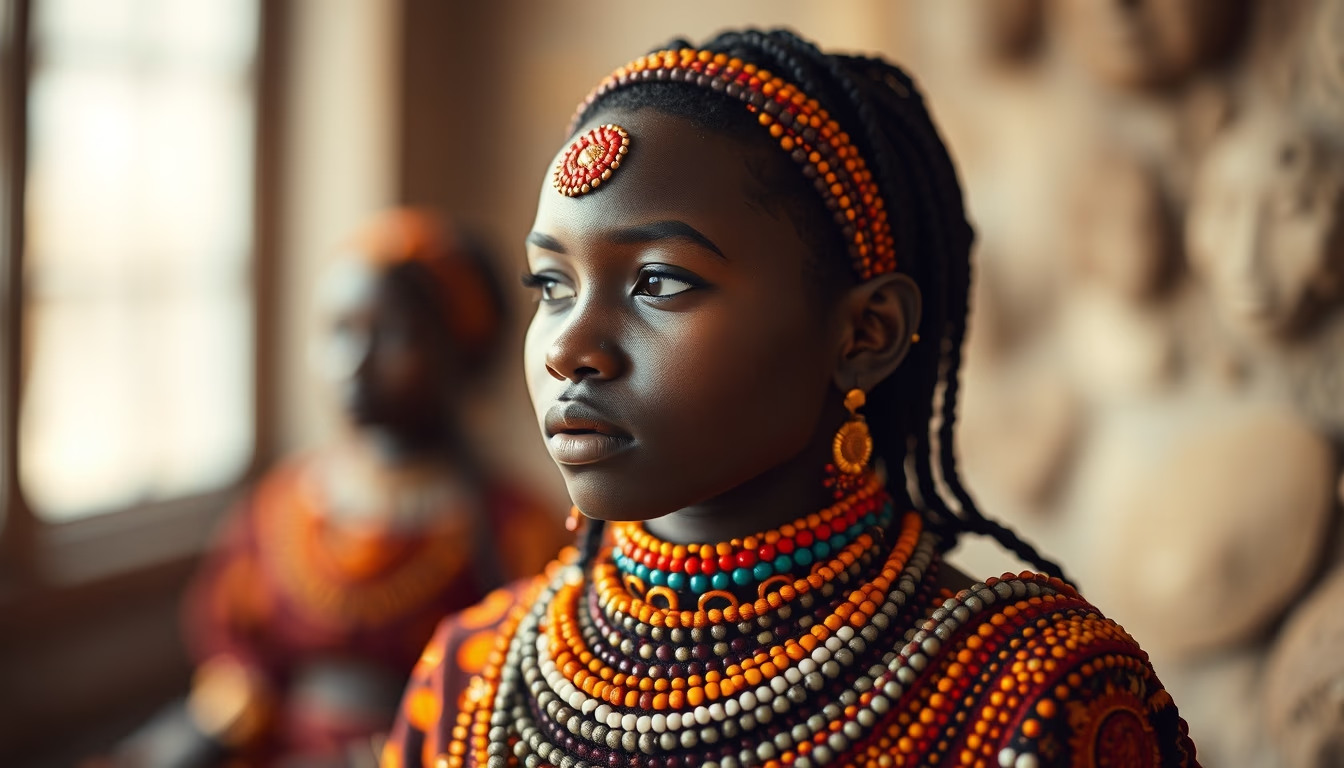
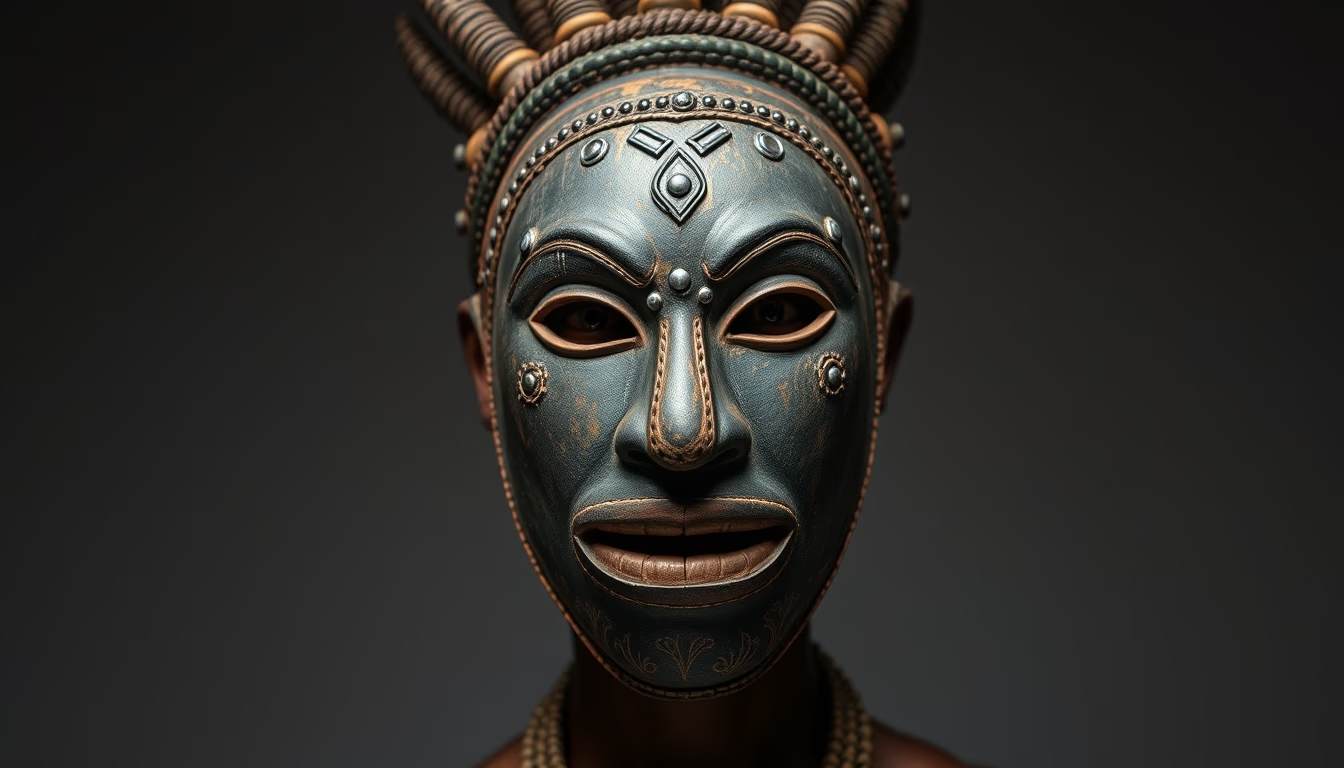
Navajo blanket pattern
1344×768 · AVIF · CC BY 4.0
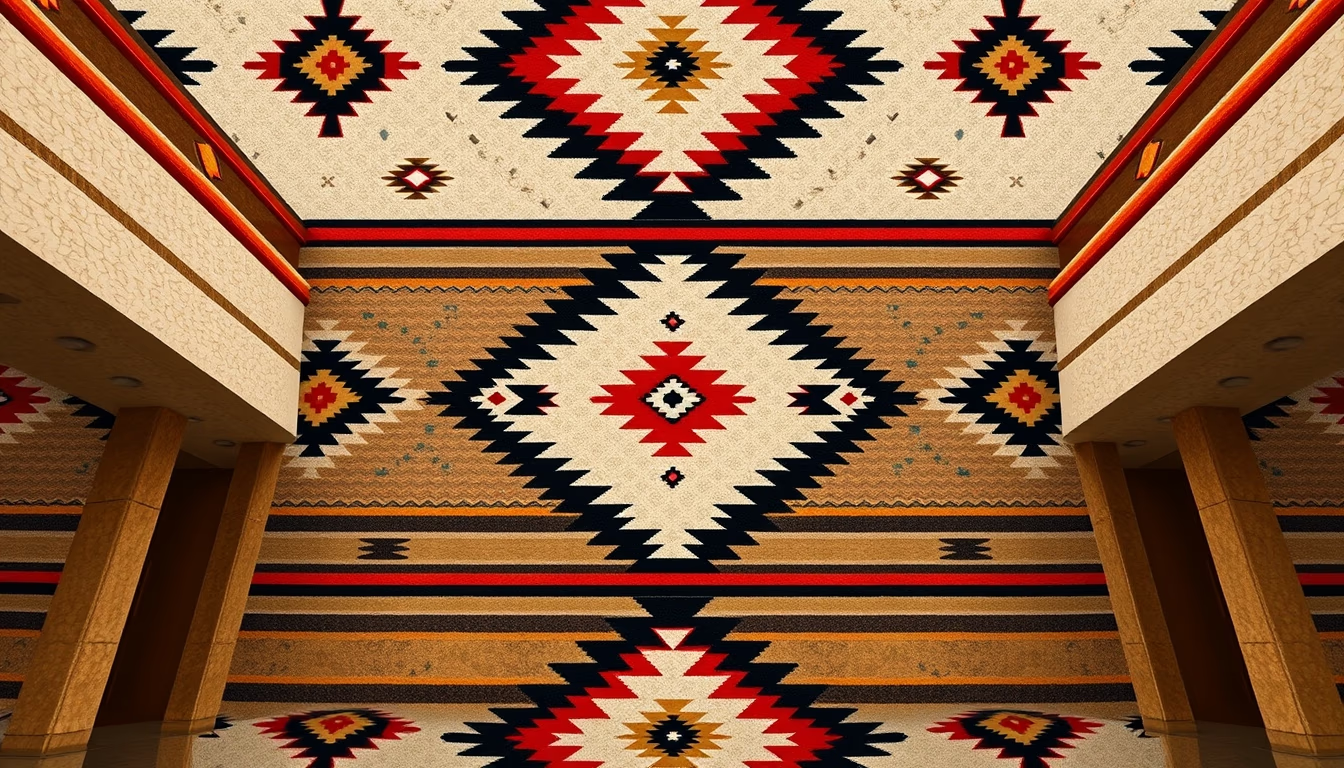
Navajo blanket patterns, symbols of Diné culture, blend geometry and symbolism. Their lines and shapes influence contemporary architecture.
About this subject
Navajo blanket patterns, also known as Diné textiles, are an ancient artistic expression of the Navajo people (Diné), who inhabit the southwestern United States. Traditionally woven on vertical looms using sheep wool dyed with natural pigments, these geometric patterns include parallel lines, diamonds, stepped forms, and zigzags. Each design carries spiritual and cultural meanings, such as the representation of Mother Earth (central diamond) or sacred mountains. Navajo blanket production flourished from the 18th century, when the Navajo learned weaving from the Pueblo peoples and later incorporated commercial yarns brought by Spanish colonizers. The classic period (1850, 1875) is known for blankets with broad stripes and simple patterns, while the modern period (post-1900) saw a explosion of complex designs influenced by the tourist market. In contemporary architecture, these patterns are often cited as inspiration for facades, flooring, and decorative elements, especially in projects seeking to connect the building to the desert landscape and indigenous traditions. For example, the use of broken lines and rhythmic repetitions in buildings of the American Southwest echoes the aesthetic of Navajo blankets. Designer Lloyd Kiva New, of Cherokee descent, incorporated Navajo motifs into his fabrics and tapestries, influencing fashion and interior design. The preservation and dissemination of these patterns are fundamental to Navajo cultural identity, despite economic challenges and cultural appropriation. Currently, artists like Nizhonniya Austin and Venancio Aragon revitalize the tradition with contemporary techniques.
Frequently Asked Questions
What do the geometric patterns of Navajo blankets mean?
Each pattern can represent elements of nature such as mountains, rivers, or Mother Earth. For example, the central diamond symbolizes harmony and the four sacred directions. Meanings vary by weaver and community.
How are Navajo patterns used in architecture?
Architects incorporate these shapes in facades, cladding, and floor designs to evoke indigenous culture and connect buildings to the desert environment. Examples include the use of stepped lines and diamonds in murals and panels.
Who are contemporary Navajo artists keeping this tradition alive?
Artists such as Nizhonniya Austin and Venancio Aragon combine traditional techniques with modern designs, helping to preserve and innovate Navajo weaving. They sell their work at galleries and indigenous art fairs.
Direct URL
https://pub-c7d6a6ea828543ac903a74a341ccb2e1.r2.dev/imagens/navajo-blanket-pattern-architectural-photography-fresh9.avifHow to credit
Include a visible link back to UtilizAí. Copy one of the snippets below:
<a href="https://xn--utiliza-eza.com/en/midia/imagens/navajo-blanket-pattern-architectural-photography-fresh9">Navajo blanket pattern</a> by <a href="https://xn--utiliza-eza.com">UtilizAí</a>, licensed under <a href="https://creativecommons.org/licenses/by/4.0/">CC BY 4.0</a>.
[Navajo blanket pattern](https://xn--utiliza-eza.com/en/midia/imagens/navajo-blanket-pattern-architectural-photography-fresh9) by [UtilizAí](https://xn--utiliza-eza.com), CC BY 4.0
License: CC-BY-4.0