Navajo blanket pattern
1344×768 · AVIF · CC BY 4.0
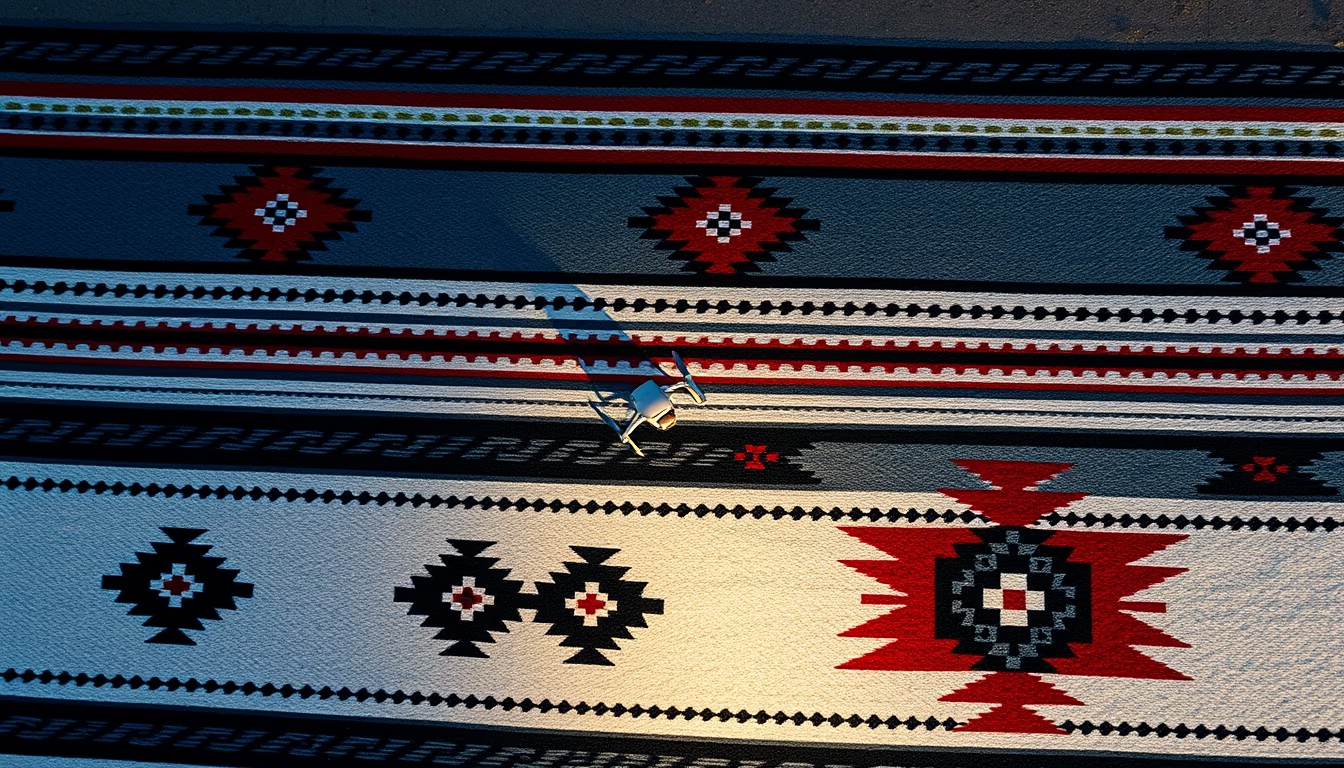
Navajo (Diné) blanket patterns are geometric designs rich in cultural meaning, representing mountains, cardinal directions, and creation stories.
About this subject
Navajo blankets, woven by the Diné people, are renowned for their distinctive geometric patterns, including diamonds, stripes, and zigzags. Traditionally made on vertical looms using sheep wool, these blankets served as clothing, bedding, and trade items. Each pattern carries symbolic meaning: shapes may represent the four cardinal directions, sacred mountains, or elements of the Navajo creation story. The weaving technique was learned from Pueblo peoples after the 1680 Pueblo Revolt, and later enriched by the introduction of sheep from Spanish colonizers.
The classic period of Navajo blankets (19th century) produced the famous "chief blanket," featuring horizontal stripes and diamond motifs. Colors came from natural dyes derived from plants, minerals, and insects, such as indigo and cochineal. After commercial yarns arrived in the late 19th century, color palettes expanded, allowing greater variation. Navajo weaving is considered an art form and a cultural expression, passed down through generations, with each piece carrying the weaver's history and identity.
Today, Navajo patterns are reproduced in various media, from tapestries to textile prints. An aerial photograph of a Navajo pattern can reveal the complexity and symmetry of the designs, often resembling mandalas or labyrinths. These patterns are not merely decorative; they tell visual narratives about the Diné people's relationship with the land and the cosmos. Preserving this art is essential for maintaining Indigenous culture, and contemporary weavers continue to innovate within the tradition.
Frequently Asked Questions
What do Navajo blanket patterns mean?
The geometric patterns represent elements of Diné culture, such as the four cardinal directions, sacred mountains, and creation stories. Each shape and color carries specific meaning, often conveying protection, tribal identity, or spiritual connection.
How are traditional Navajo blankets made?
They are woven on vertical looms using sheep wool yarn. The wool is hand-spun and dyed with natural dyes from plants and minerals. The process is slow and meticulous, requiring knowledge passed down through generations.
What is the historical significance of Navajo weaving?
Navajo weaving began after the 1680 Pueblo Revolt, when the Diné learned from the Pueblo. In the 19th century, Navajo blankets became valuable trade items. Today, the art is a symbol of cultural resilience and artistic expression.
Direct URL
https://pub-c7d6a6ea828543ac903a74a341ccb2e1.r2.dev/imagens/navajo-blanket-pattern-aerial-drone-shot-fresh1.avifHow to credit
Include a visible link back to UtilizAí. Copy one of the snippets below:
<a href="https://xn--utiliza-eza.com/en/midia/imagens/navajo-blanket-pattern-aerial-drone-shot-fresh1">Navajo blanket pattern</a> by <a href="https://xn--utiliza-eza.com">UtilizAí</a>, licensed under <a href="https://creativecommons.org/licenses/by/4.0/">CC BY 4.0</a>.
[Navajo blanket pattern](https://xn--utiliza-eza.com/en/midia/imagens/navajo-blanket-pattern-aerial-drone-shot-fresh1) by [UtilizAí](https://xn--utiliza-eza.com), CC BY 4.0
License: CC-BY-4.0