Maori carving pacific
1344×768 · AVIF · CC BY 4.0
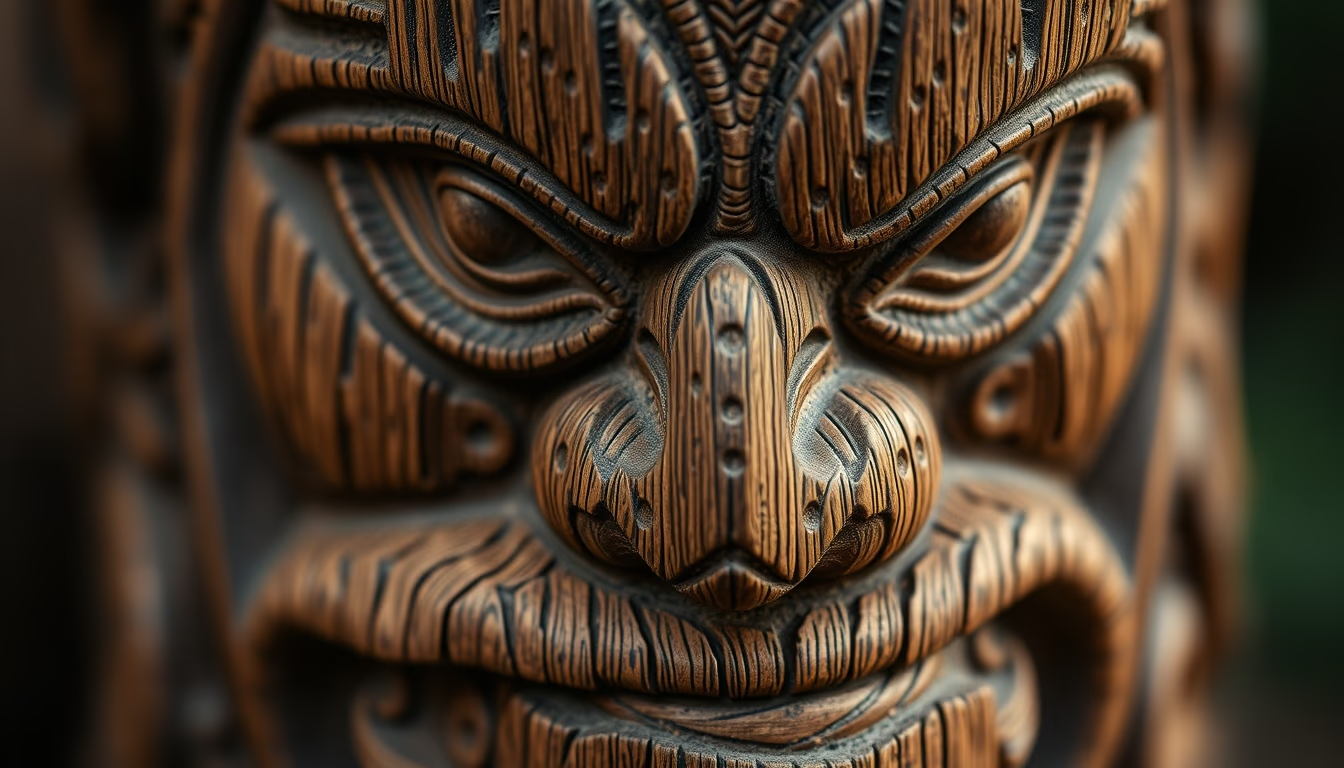
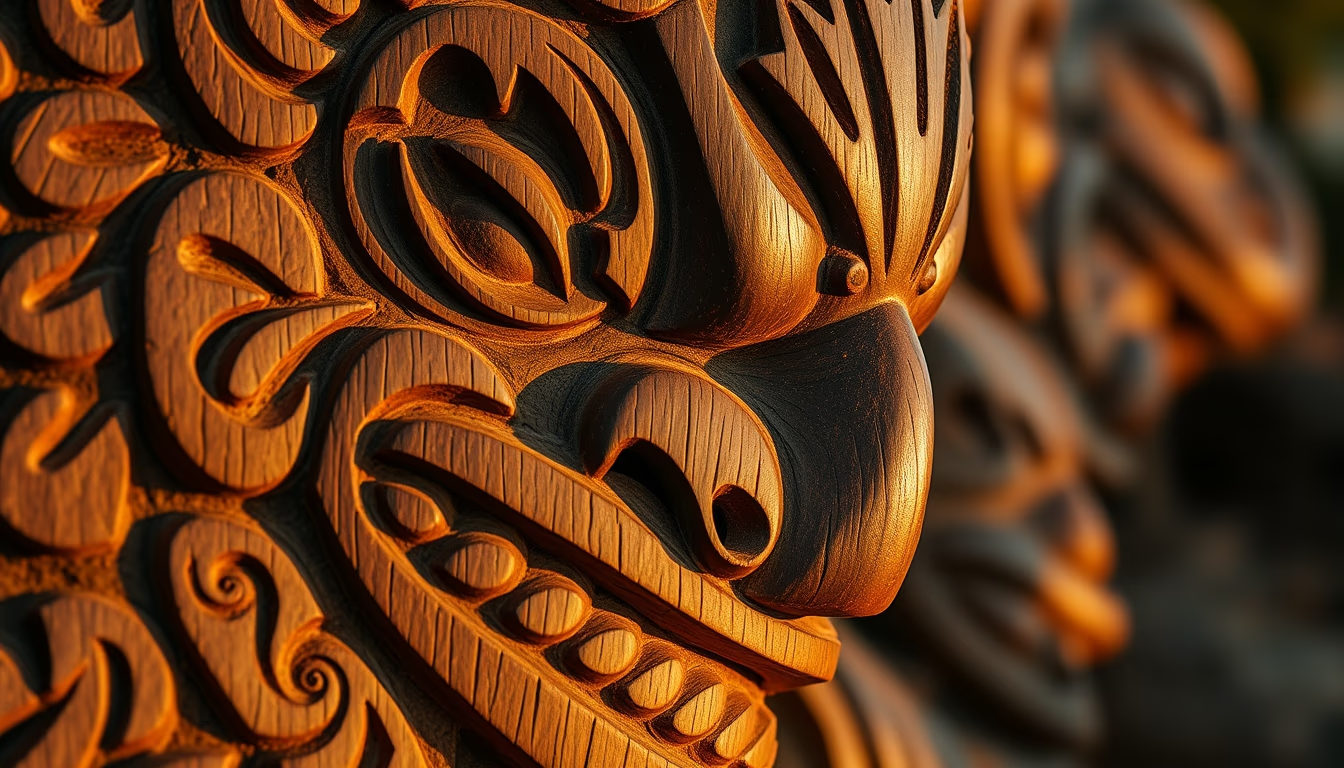
The art of Maori carving, known as whakairo, is a Polynesian cultural expression that tells ancestral stories through intricate carvings in wood, bone, and stone.
About this subject
Maori carving, known as whakairo, represents one of the most refined artistic traditions of Polynesia. Originating in New Zealand, these works are primarily carved from native woods such as totara, kauri, and rimu, but also from whale bone and stone (pounamu, or greenstone). The carvings feature intricate spiral patterns, stylized human figures (tiki), and geometric motifs that carry deep meanings. Each curve and notch is not merely decorative but serves as a visual language recording genealogies, legends, and historical events.
The cultural significance of whakairo is immense. Carvings adorn meeting houses (wharenui), war canoes (waka taua), weapons, and ceremonial objects. Each piece is considered a taonga (treasure) and often possesses a spirit (mauri). The spiral patterns, known as koru, symbolize new life, growth, and harmony. Human figures often represent deified ancestors or gods, establishing a connection between the physical and spiritual worlds. The carving process is surrounded by rituals and protocols, as the craftsman (tohunga whakairo) must respect the tapu (sacredness) of the wood and designs.
Traditionally, tools were made from stone, bone, and whale teeth, but with European contact, metal tools were adopted. Despite this, many contemporary artists still use ancestral techniques combined with modern approaches. Whakairo is not just an art form; it is a means of preserving Maori identity and transmitting intergenerational knowledge. Today, these carvings are appreciated worldwide, found in museums and private collections, but their true essence remains rooted in the living culture of New Zealand.
Frequently Asked Questions
What materials are used in Maori carvings?
Traditional materials include totara, kauri, and rimu wood, whale bone, and pounamu (greenstone). Each material is chosen for its durability and spiritual significance.
What is the meaning of the spiral patterns (koru) in whakairo?
The koru symbolizes new life, growth, harmony, and renewal. It is inspired by the shape of an unfolding fern frond and represents the continuity of lineage and Maori culture.
How are Maori carvings preserved today?
Many are kept in wharenui (meeting houses) and museums with controlled humidity and temperature. Contemporary artists teach traditional techniques in schools and communities, ensuring knowledge transmission.
Direct URL
https://pub-c7d6a6ea828543ac903a74a341ccb2e1.r2.dev/imagens/maori-carving-pacific-macro-closeup-fresh1.avifHow to credit
Include a visible link back to UtilizAí. Copy one of the snippets below:
<a href="https://xn--utiliza-eza.com/en/midia/imagens/maori-carving-pacific-macro-closeup-fresh1">Maori carving pacific</a> by <a href="https://xn--utiliza-eza.com">UtilizAí</a>, licensed under <a href="https://creativecommons.org/licenses/by/4.0/">CC BY 4.0</a>.
[Maori carving pacific](https://xn--utiliza-eza.com/en/midia/imagens/maori-carving-pacific-macro-closeup-fresh1) by [UtilizAí](https://xn--utiliza-eza.com), CC BY 4.0
License: CC-BY-4.0