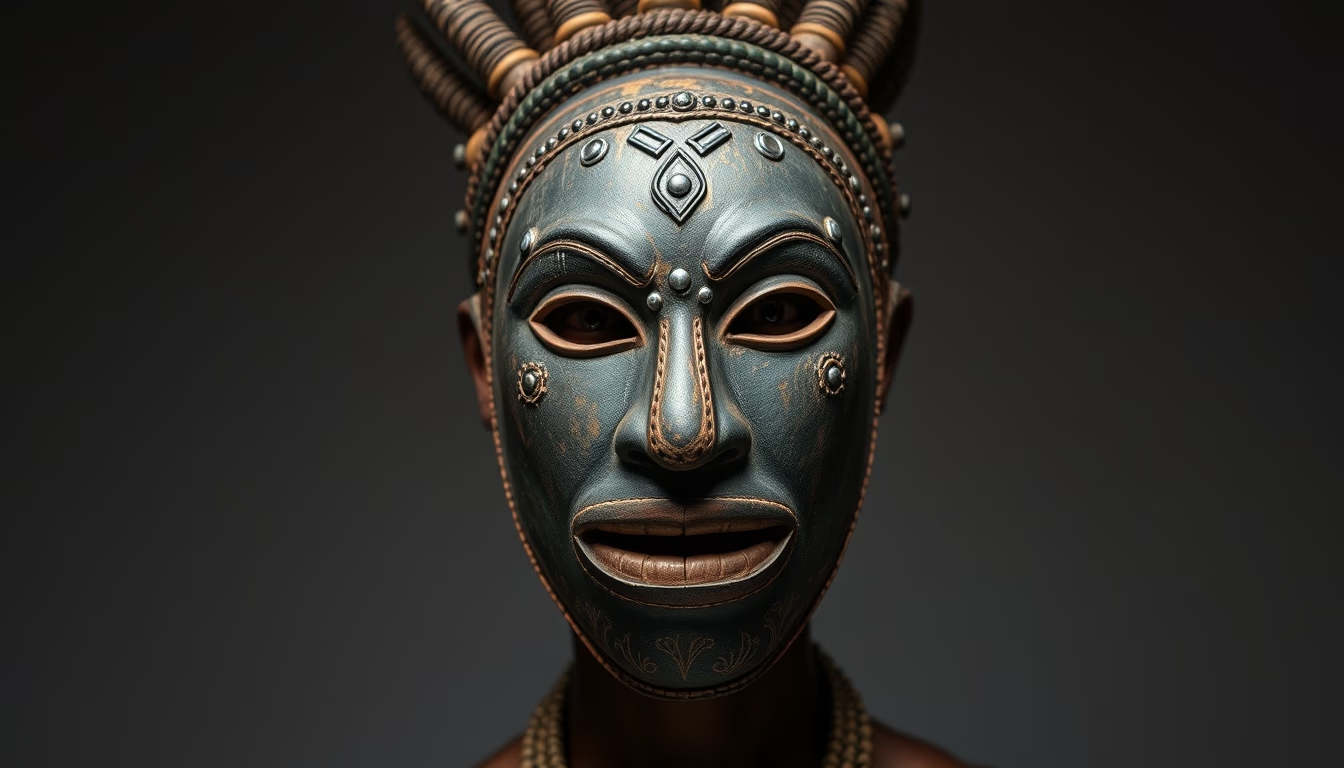
Maori carving pacific
1344×768 · AVIF · CC BY 4.0
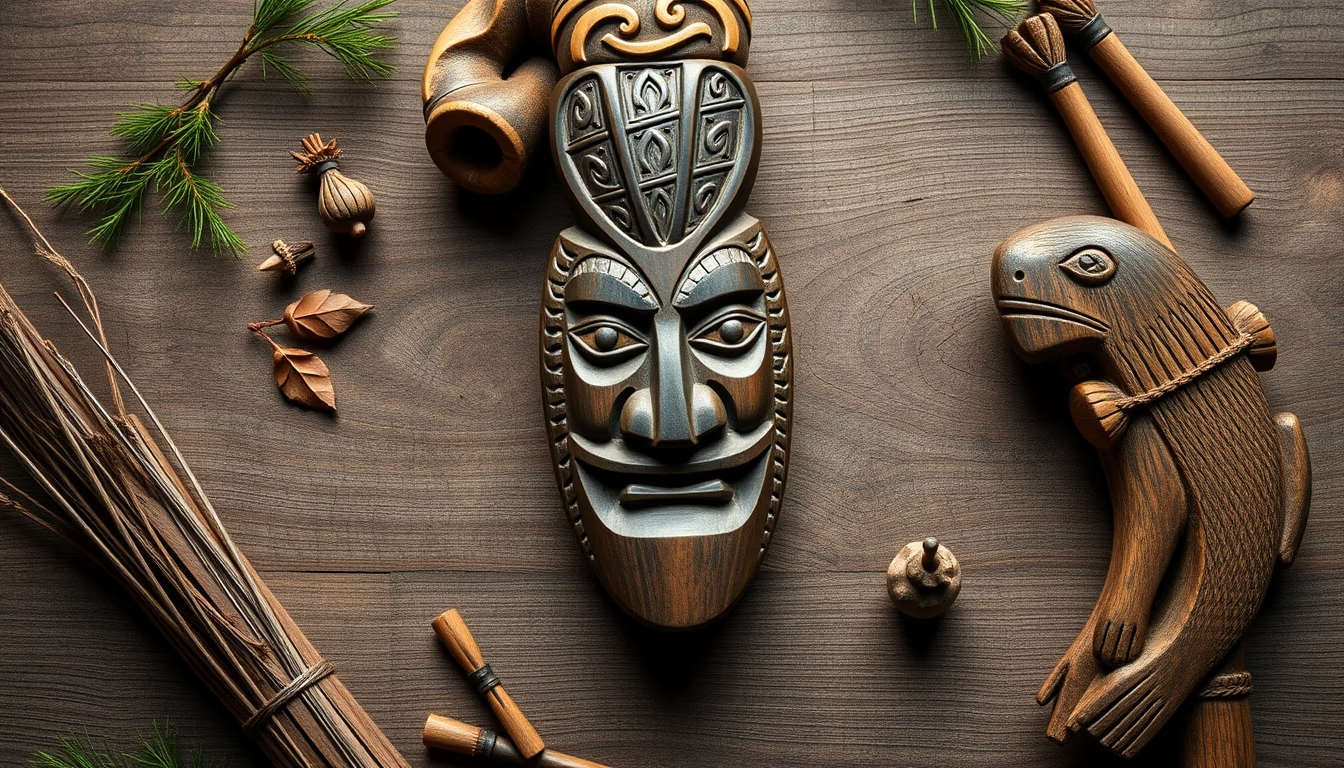
The art of Maori carving (whakairo) is an ancestral tradition from New Zealand, rich in symbolism and techniques passed down through generations.
About this subject
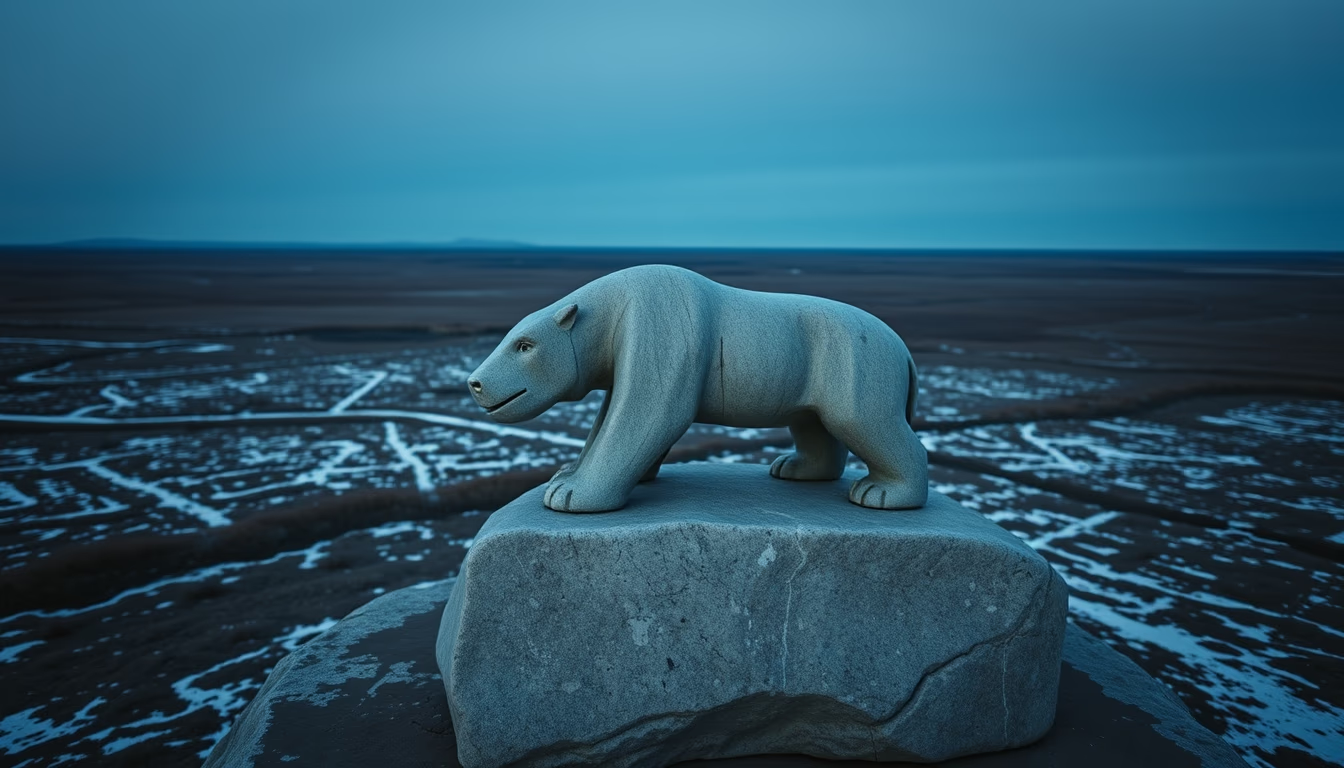
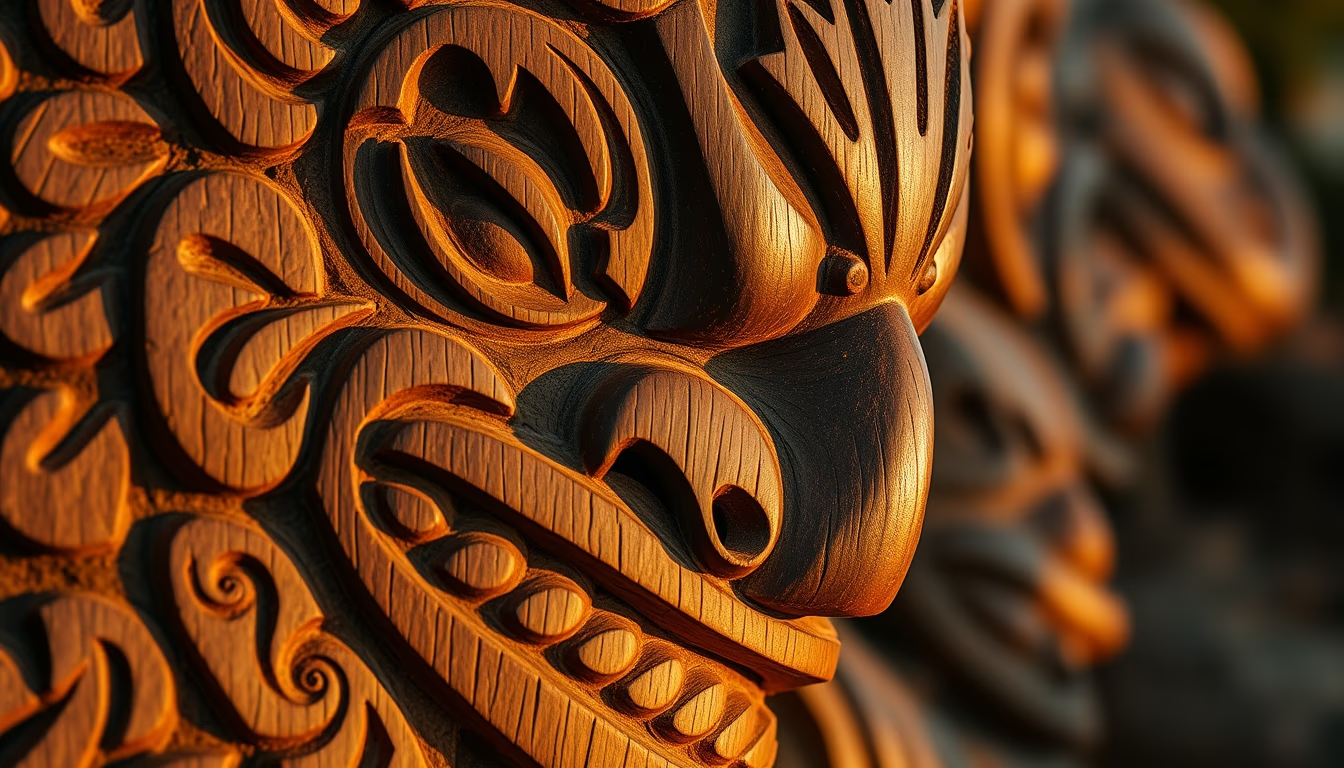
Maori carving, known as whakairo, is a deeply rooted art form in the culture of the Maori people of New Zealand. Master carvers (tohunga whakairo) use wood, bone, stone, and jade (pounamu) to create works that tell stories of ancestors, deities, and historical events. Common motifs include the human figure (tiki), the mythical bird manaia, and spiral patterns (koru) representing growth and life.
Wood carvings are the most famous, with meeting houses (wharenui) richly adorned with carved panels narrating tribal genealogy. Canoe prows (waka) and boundary posts (pouwhenua) are also significant examples. Each carving is made with traditional tools like stone and bone chisels, although steel tools are now common. The preferred wood is totara, prized for its durability and resistance.
The spiritual significance of whakairo is central: carvings are not merely decorative but carry the mana (prestige) and tapu (sacredness) of ancestors. The carving technique is transmitted orally and through practice, with specific rituals for wood extraction and carving. Unfortunately, many artifacts were lost during colonization, but there is a strong cultural revitalization movement that values and preserves this art.
Frequently Asked Questions
What materials are used in Maori carving?
Traditional materials include wood (especially totara), whale bone, stone, and pounamu (New Zealand jade). Each material holds spiritual significance and is chosen according to the purpose of the piece.
What do the spiral patterns (koru) in Maori carvings represent?
The koru symbolizes growth, renewal, and life. Inspired by the fern shoot, it is a common motif representing connection to nature and life cycles.
What is the significance of carved meeting houses (wharenui) for the Maori?
Wharenui are ceremonial centers that represent the body of an ancestor. Each part of the house is carved with figures and patterns telling the tribe's history, reinforcing identity and genealogy.
Direct URL
https://pub-c7d6a6ea828543ac903a74a341ccb2e1.r2.dev/imagens/maori-carving-pacific-isometric-flat-lay-fresh13.avifHow to credit
Include a visible link back to UtilizAí. Copy one of the snippets below:
<a href="https://xn--utiliza-eza.com/en/midia/imagens/maori-carving-pacific-isometric-flat-lay-fresh13">Maori carving pacific</a> by <a href="https://xn--utiliza-eza.com">UtilizAí</a>, licensed under <a href="https://creativecommons.org/licenses/by/4.0/">CC BY 4.0</a>.
[Maori carving pacific](https://xn--utiliza-eza.com/en/midia/imagens/maori-carving-pacific-isometric-flat-lay-fresh13) by [UtilizAí](https://xn--utiliza-eza.com), CC BY 4.0
License: CC-BY-4.0