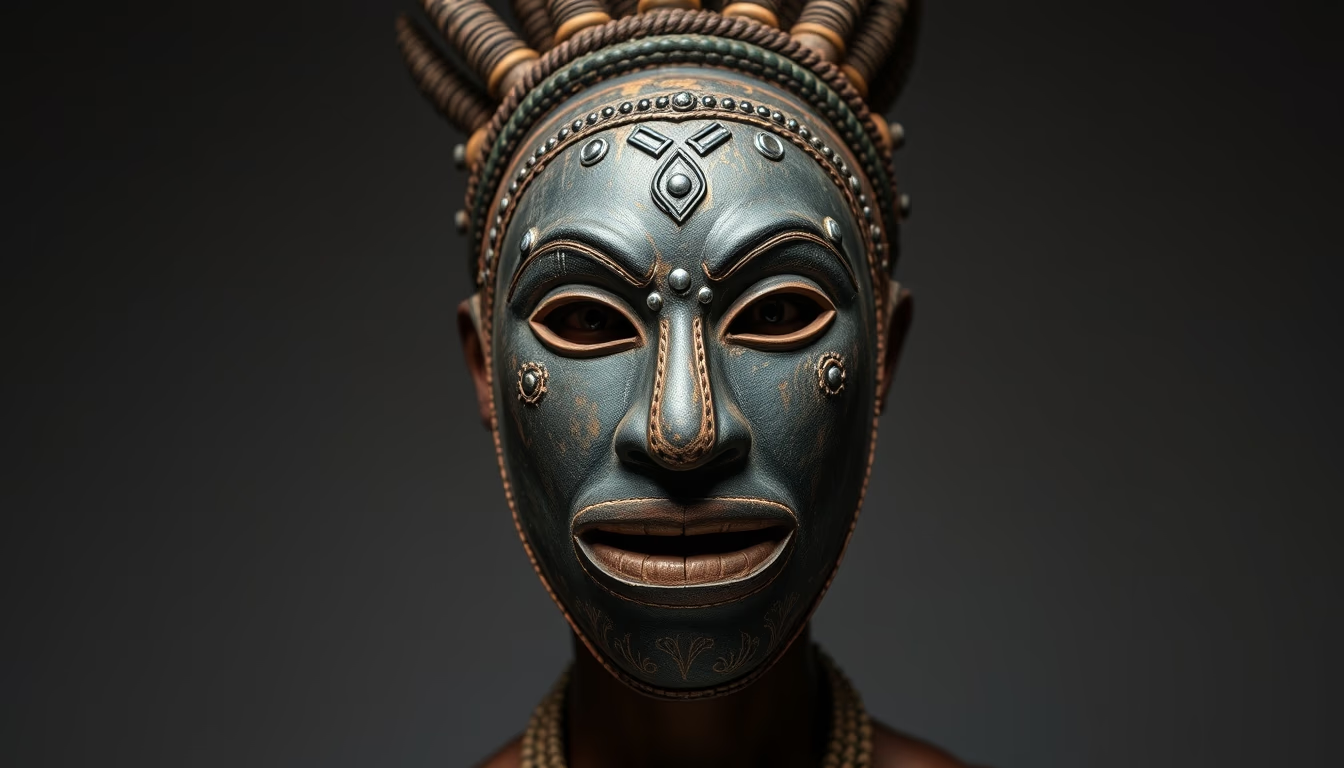
Maori carving pacific
1344×768 · AVIF · CC BY 4.0
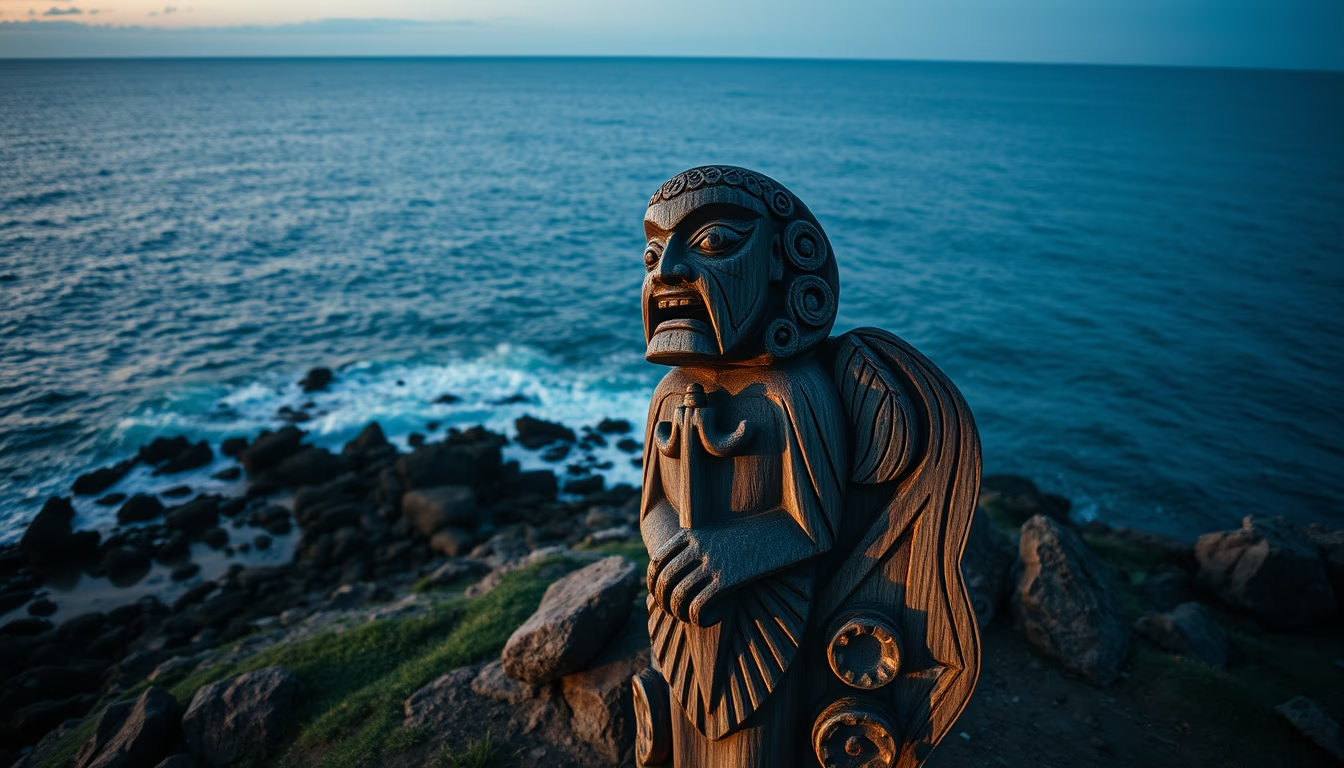
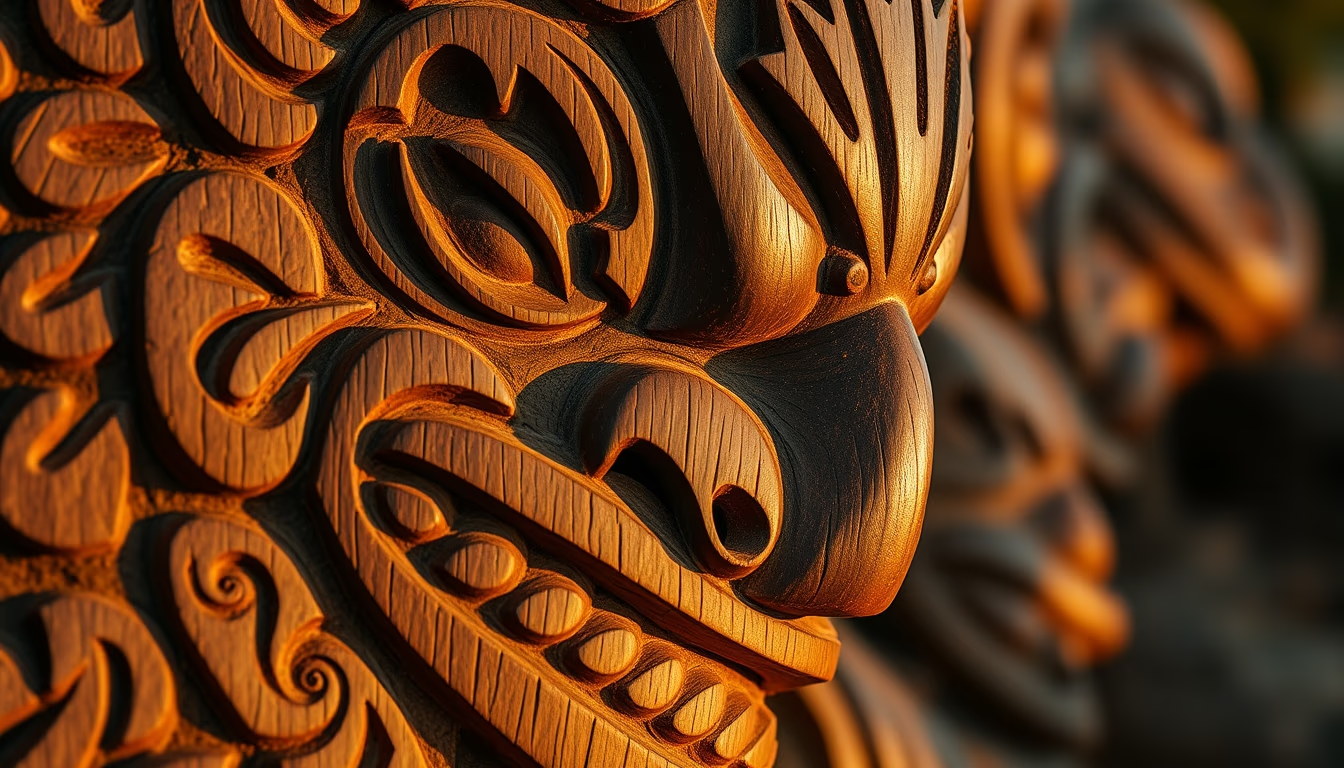
Maori carving, or whakairo, is a fundamental artistic expression of New Zealand's indigenous culture, primarily carved from wood and stone.
About this subject
The art of Maori carving, known as whakairo, is an ancient practice that represents the history, genealogy, and spirituality of the Maori people. Traditionally, carvings are made from native woods like kauri, totara, and rimu, using stone and bone tools before European colonization. Each carving holds specific meaning: human figures represent ancestors (tupuna), while spiral and geometric shapes symbolize the cycle of life and connection to nature. Carvings adorn meeting houses (wharenui), war canoes (waka taua), and ceremonial objects, serving as repositories of tribal knowledge.
Carving technique requires years of apprenticeship, passed down orally and through direct observation. Master carvers (tohunga whakairo) are highly respected in the community. Each piece is unique and carries the mana (spiritual power) of its creators and ancestors. A distinctive feature is the koru curve, which mimics an unfurling fern frond, symbolizing growth and renewal. Maori carving also incorporates materials like jade (pounamu) for pendants (hei tiki) and tools.
Despite cultural suppression during the colonial period, whakairo experienced a revival from the 1960s onward, with the establishment of Maori art schools and the integration of traditional designs into modern buildings. Today, it is recognized as a global art form, displayed in museums and international collections. Maori carving in the Pacific represents not only artistic heritage but also an affirmation of identity and cultural resilience.
Frequently Asked Questions
What materials are used in Maori carving?
Traditionally, native woods like kauri, totara, and rimu are used, along with jade (pounamu), bone, and stone. Steel tools are common today, but ancient techniques used obsidian flakes and shark teeth.
What is the meaning of spirals and curves in Maori carvings?
The koru curve, inspired by an unfurling fern frond, symbolizes renewal, growth, and harmony. Other patterns like pitau (double spiral) represent the union of two worlds or ancestors.
Where can I see famous examples of Maori carving?
At the Auckland Museum (Tamaki Paenga Hira) and the Museum of New Zealand Te Papa Tongarewa in Wellington. Also, traditional meeting houses on marae (community grounds) throughout New Zealand.
Direct URL
https://pub-c7d6a6ea828543ac903a74a341ccb2e1.r2.dev/imagens/maori-carving-pacific-aerial-drone-shot-fresh0.avifHow to credit
Include a visible link back to UtilizAí. Copy one of the snippets below:
<a href="https://xn--utiliza-eza.com/en/midia/imagens/maori-carving-pacific-aerial-drone-shot-fresh0">Maori carving pacific</a> by <a href="https://xn--utiliza-eza.com">UtilizAí</a>, licensed under <a href="https://creativecommons.org/licenses/by/4.0/">CC BY 4.0</a>.
[Maori carving pacific](https://xn--utiliza-eza.com/en/midia/imagens/maori-carving-pacific-aerial-drone-shot-fresh0) by [UtilizAí](https://xn--utiliza-eza.com), CC BY 4.0
License: CC-BY-4.0