Koan mountain temple
1344×768 · AVIF · CC BY 4.0
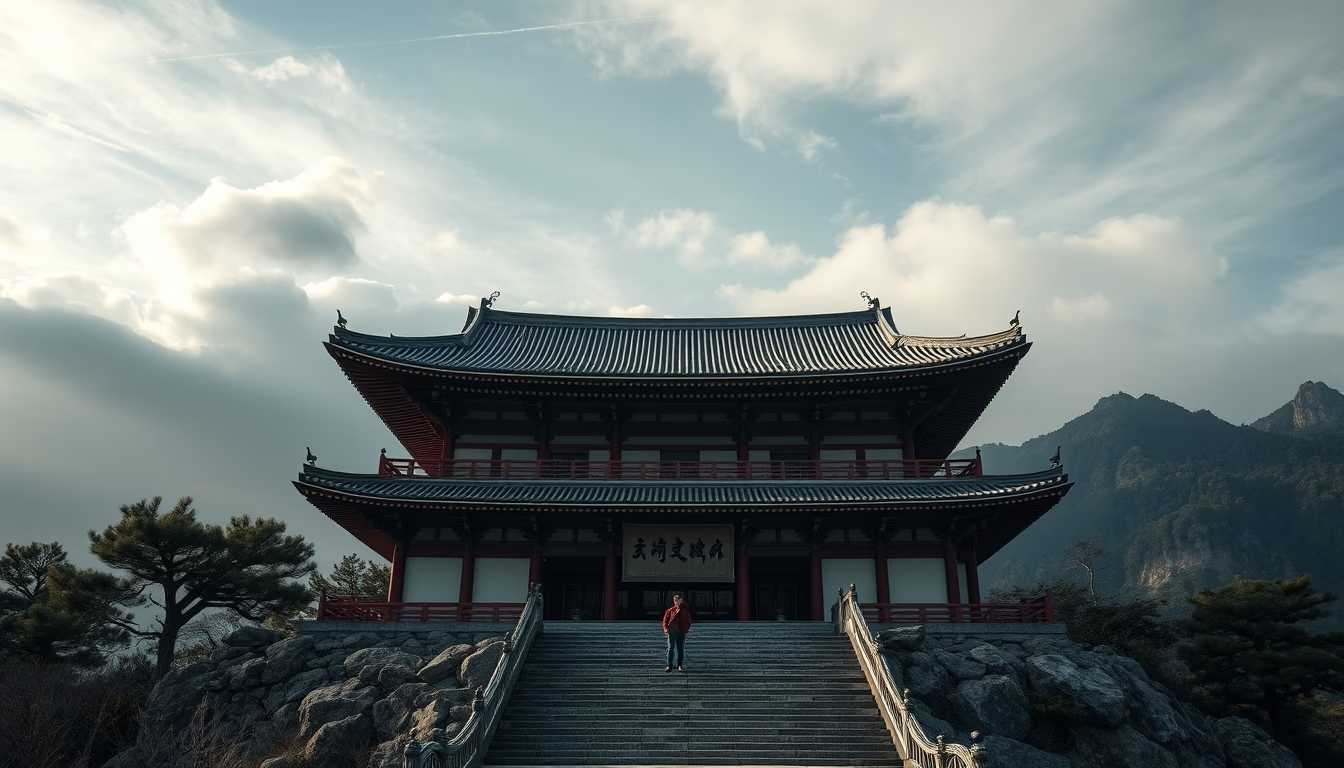
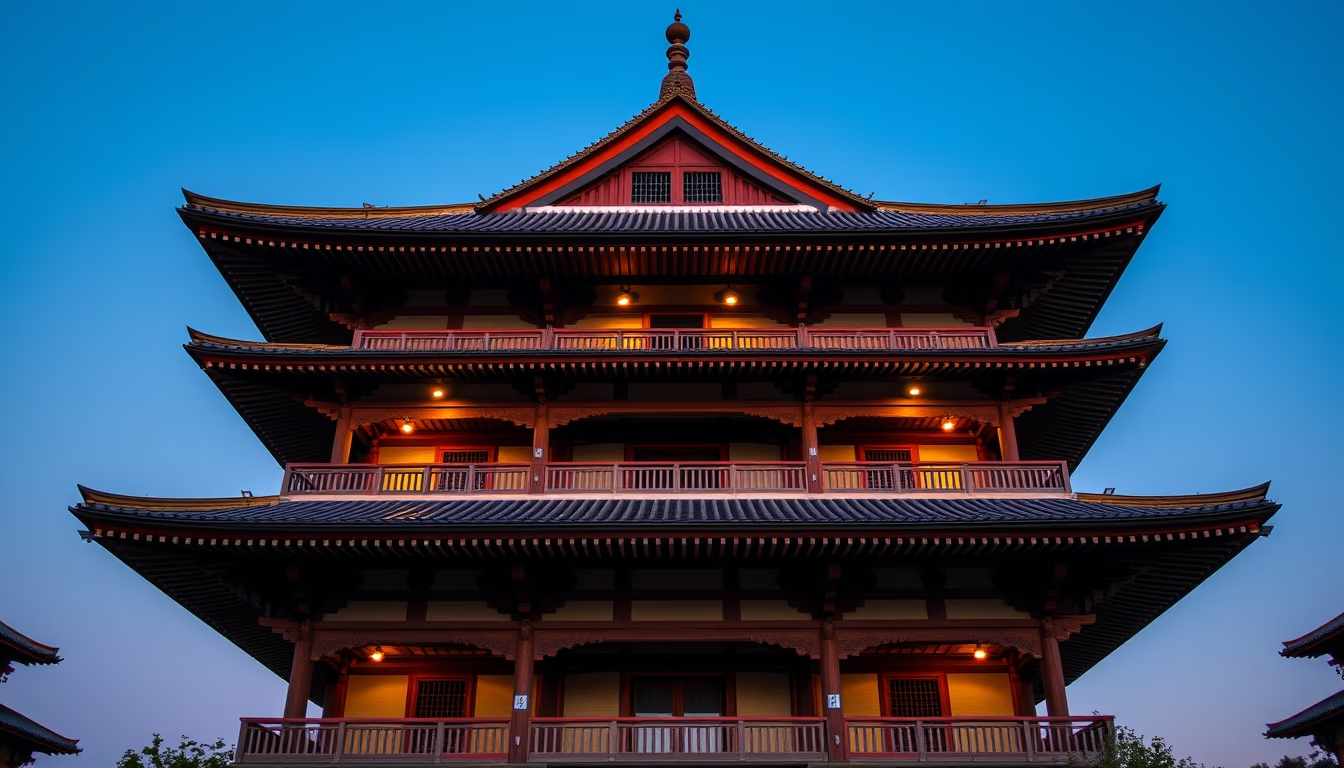
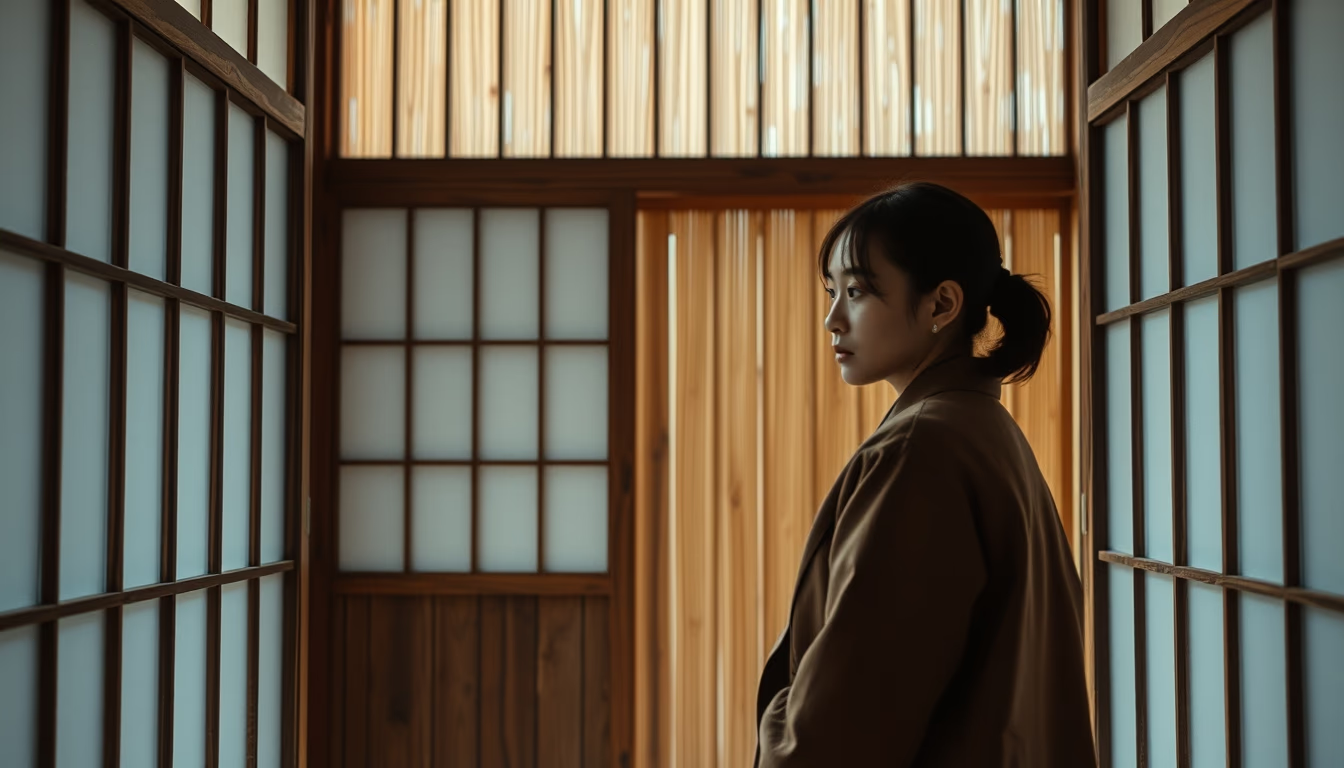
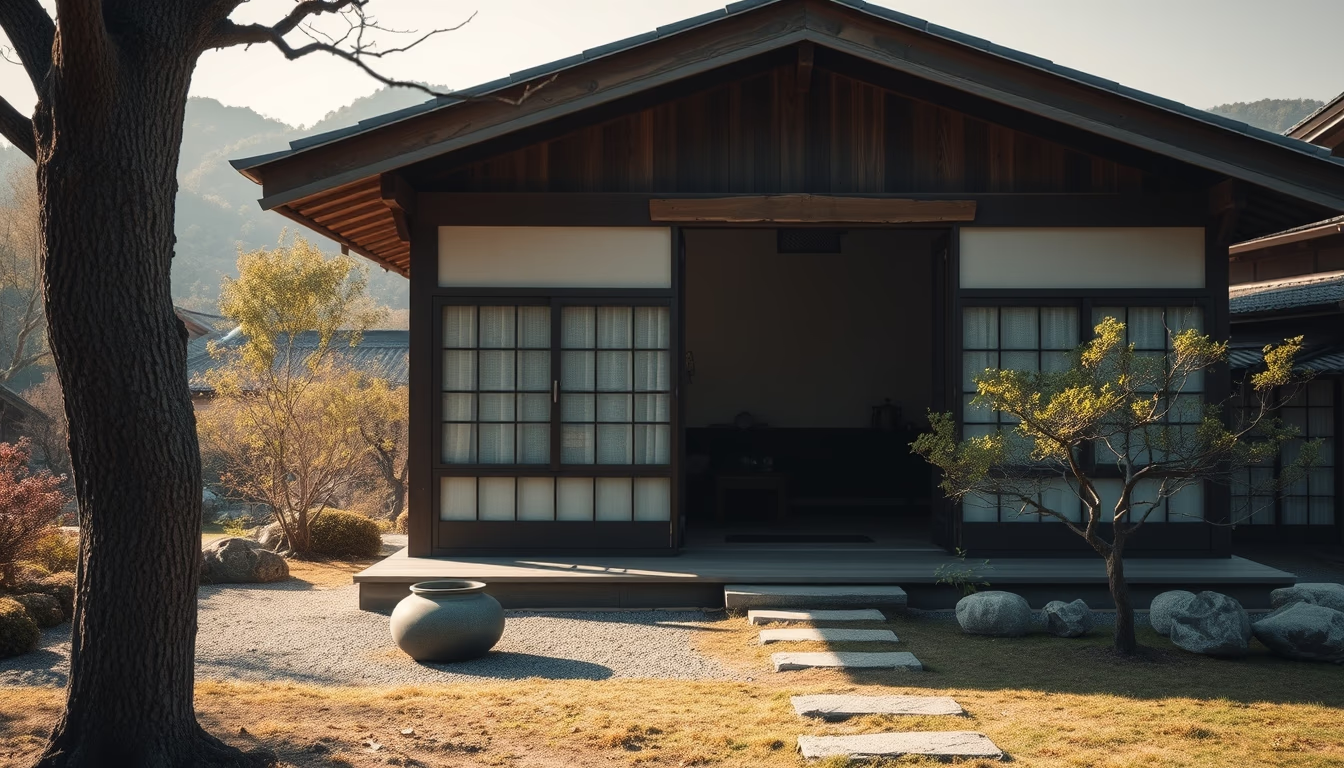
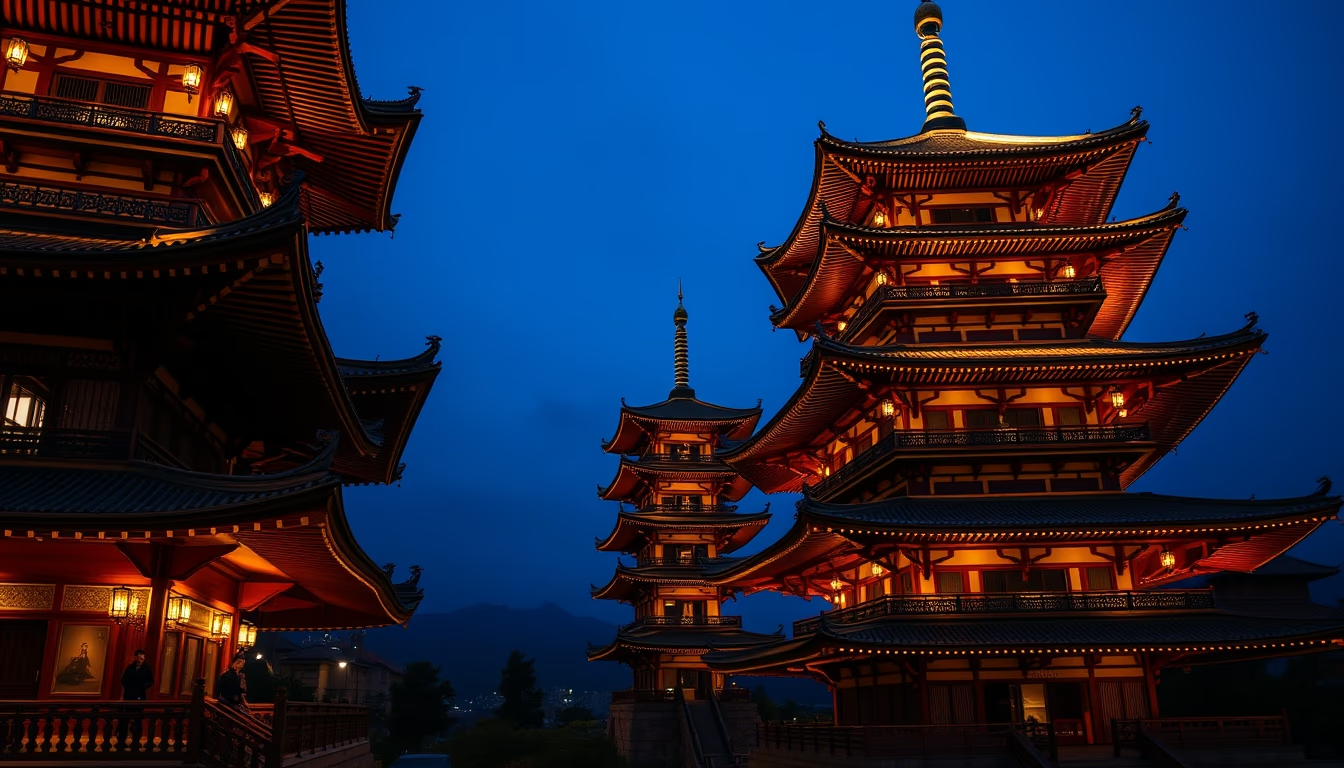
Koan mountain temple: a Zen mountain temple that hosts the practice of koans, meditative paradoxes of Buddhism, with cultural and spiritual significance.
About this subject
In Zen Buddhism, mountain temples are privileged places for studying koans, paradoxical riddles that challenge rational thought and lead to enlightenment. These temples, typically located on isolated peaks in East Asia, provide the silence and simplicity needed for intensive practice. Mount Kōya in Japan, founded by Kūkai in the 9th century, houses Kongōbu-ji monastery and is a center of Shingon but also influenced Zen traditions. Mount Wutai in China, sacred to Buddhism, has dozens of temples where monks study sutras and koans.
Koan practice dates back to the Tang dynasty and was systematized by masters like Linji Yixuan. Famous koans, such as "What is the sound of one hand clapping?", are used to break the subject-object dualism. The mountainous environment reinforces detachment from the mundane, with architecture integrated into nature, curved roofs, and stone gardens. In Japan, temples like Eihei-ji and Daitoku-ji include meditation halls (zendo) where koans are presented during dokusan (private interview).
Culturally, mountain temples have become symbols of pilgrimage and spiritual renewal. Visitors walk ancient trails, attend zazen sessions, and listen to talks on Zen teachings. Literature and art also celebrate these places: haiku poems, sumi-e paintings, and the tea ceremony. The term "koan" itself carries the idea of "public record" (gōng'àn in Chinese), a legal document used metaphorically for the enlightenment process.
Today, many mountain temples open their doors to lay retreats, keeping the tradition alive. They represent not only architectural heritage but a space for inner transformation, where nature and silence are teachers.
Frequently Asked Questions
What is a koan in Zen Buddhism?
A koan is a paradoxical riddle used by Zen masters to push the practitioner beyond logical thought and toward enlightenment. Classic examples include 'What is the sound of one hand clapping?' and 'Show me your original face before your parents were born.'
Why are Zen temples often built on mountains?
Mountains offer isolation and silence conducive to deep meditation. In the Zen tradition, nature is seen as a teacher, and the mountainous landscape symbolizes detachment from the material world and closeness to the absolute.
What is practice like at a mountain Zen temple?
Typical practice includes zazen (sitting meditation), kinhin (walking meditation), koan study, Dharma talks by the master, and manual work. Many temples offer short retreats for laypeople, following the monastic schedule.
Direct URL
https://pub-c7d6a6ea828543ac903a74a341ccb2e1.r2.dev/imagens/koan-mountain-temple-high-fashion-editorial-fresh17.avifHow to credit
Include a visible link back to UtilizAí. Copy one of the snippets below:
<a href="https://xn--utiliza-eza.com/en/midia/imagens/koan-mountain-temple-high-fashion-editorial-fresh17">Koan mountain temple</a> by <a href="https://xn--utiliza-eza.com">UtilizAí</a>, licensed under <a href="https://creativecommons.org/licenses/by/4.0/">CC BY 4.0</a>.
[Koan mountain temple](https://xn--utiliza-eza.com/en/midia/imagens/koan-mountain-temple-high-fashion-editorial-fresh17) by [UtilizAí](https://xn--utiliza-eza.com), CC BY 4.0
License: CC-BY-4.0