Inuit sculpture stone
1344×768 · AVIF · CC BY 4.0
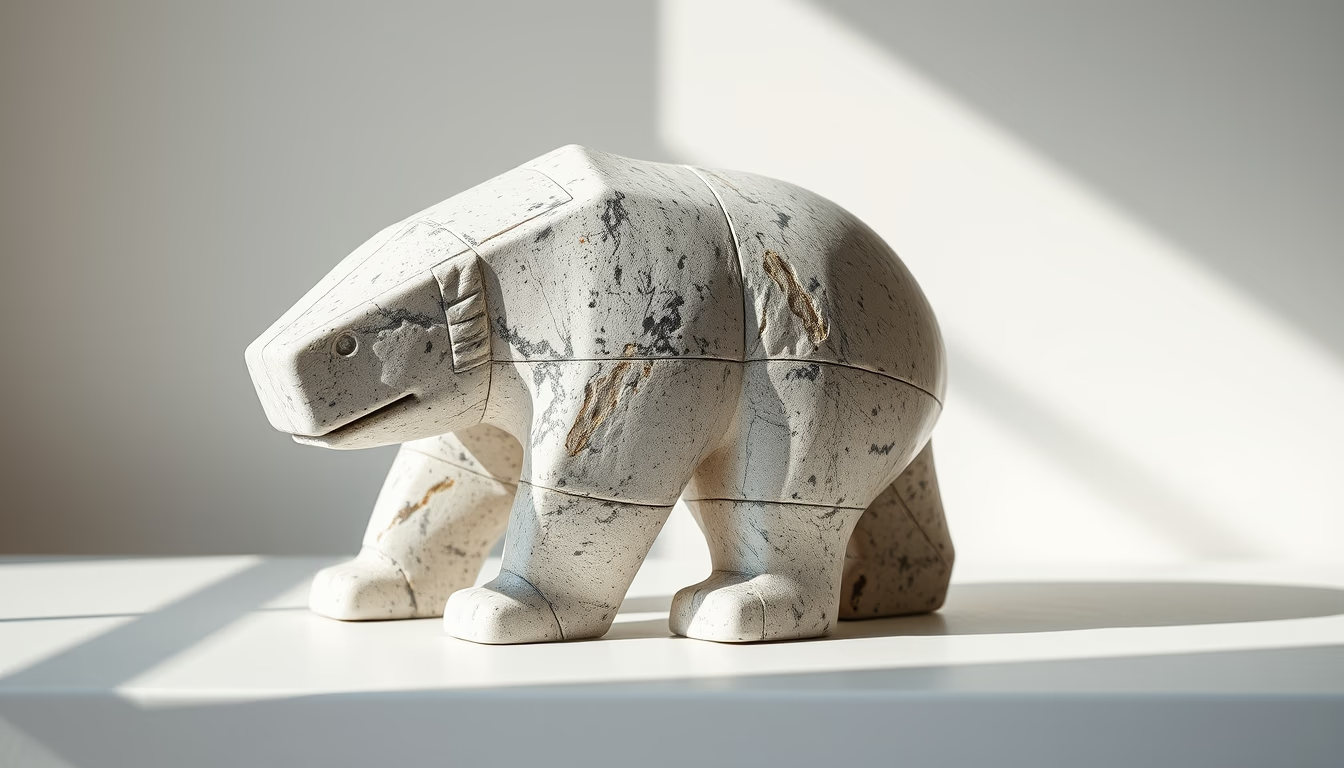
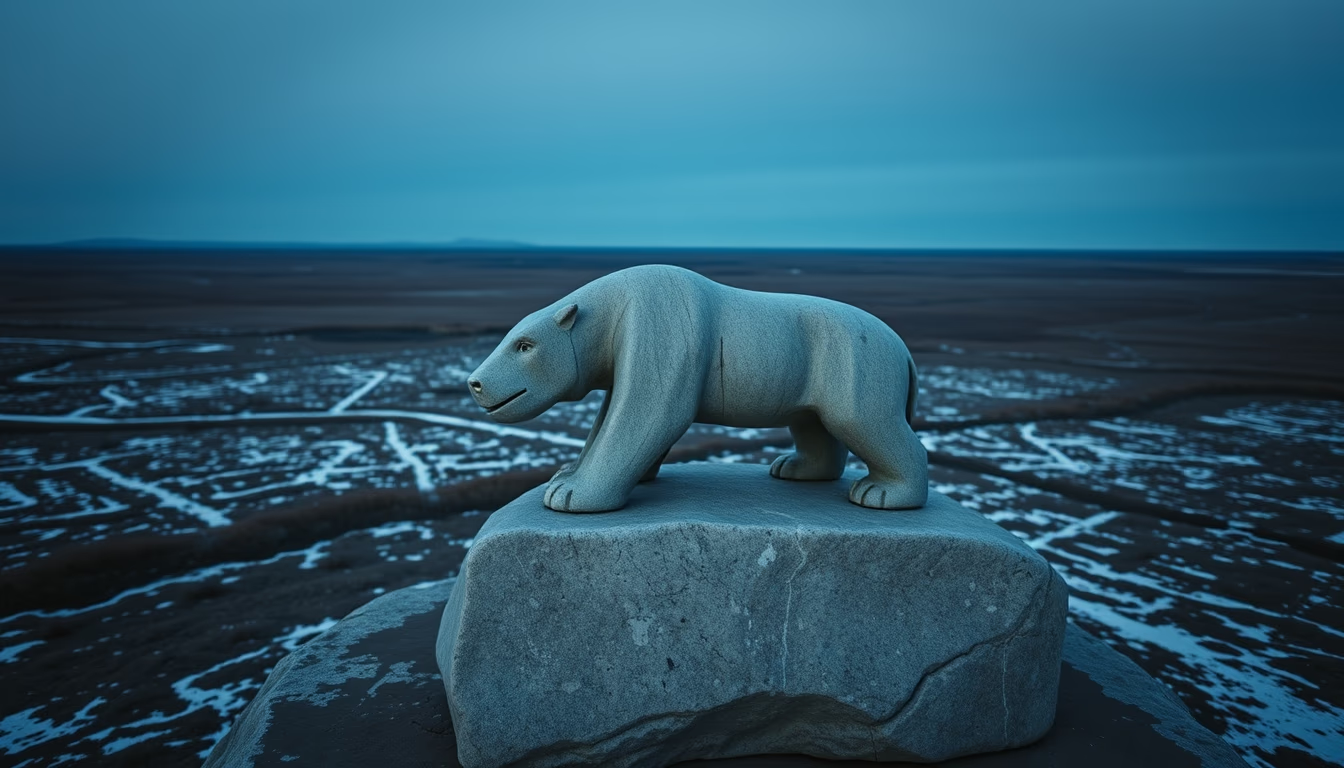
Inuit stone carvings are among the most authentic artistic expressions of the Arctic, blending ancient tradition with minimalist forms.
About this subject
Inuit stone carvings are an ancient art form practiced by Indigenous peoples of the Arctic, primarily in Canada, Greenland, and Alaska. Common materials include soapstone (steatite), serpentine, slate, and marble, chosen for their malleability and color variety. Soapstone is especially valued for its soft texture, allowing fine detail. The minimalist style features simplified forms, clean lines, and a focus on the subject’s essence, such as animals (polar bears, seals, birds) or human figures in hunting poses. This aesthetic mirrors the stark Arctic landscape and the Inuit philosophy of respect for nature.
This art form gained international prominence in the 1950s when the Canadian government encouraged artistic production as a source of income for Inuit communities. Artists like Kenojuak Ashevak (though better known for prints) and Pudlo Pudlat became well-known. Each piece is carved directly from stone without pre-made models, using hand tools such as files and sandpaper. Final polishing with oil enhances natural color and sheen. The process requires patience and skill, with works ranging from small figurines to large monuments.
Culturally, the carvings go beyond decoration: they carry spiritual meanings and narratives of survival, mythology, and the intimate relationship with the icy environment. The Indigenous art market is regulated by authenticity certifications, ensuring pieces are made by Inuit artists. The contemporary minimalist style dialogues with modern design while preserving cultural identity. A curious fact: unlike some myths, the stone is not heated to soften it; it is carved cold, utilizing its natural hardness.
Frequently Asked Questions
What materials are Inuit stone carvings made from?
They are typically made from soapstone (steatite), serpentine, slate, or marble. Soapstone is most common due to its softness and ease of carving.
What is the origin of Inuit stone carving?
The tradition dates back centuries, but modern commercialization began in the 1950s in Canada, with government support to generate income for communities.
What do these carvings symbolize?
Many depict Arctic animals (polar bears, seals, birds) or human figures in hunting scenes, reflecting spiritual connection and survival in the icy environment.
Direct URL
https://pub-c7d6a6ea828543ac903a74a341ccb2e1.r2.dev/imagens/inuit-sculpture-stone-minimalist-composition-fresh0.avifHow to credit
Include a visible link back to UtilizAí. Copy one of the snippets below:
<a href="https://xn--utiliza-eza.com/en/midia/imagens/inuit-sculpture-stone-minimalist-composition-fresh0">Inuit sculpture stone</a> by <a href="https://xn--utiliza-eza.com">UtilizAí</a>, licensed under <a href="https://creativecommons.org/licenses/by/4.0/">CC BY 4.0</a>.
[Inuit sculpture stone](https://xn--utiliza-eza.com/en/midia/imagens/inuit-sculpture-stone-minimalist-composition-fresh0) by [UtilizAí](https://xn--utiliza-eza.com), CC BY 4.0
License: CC-BY-4.0