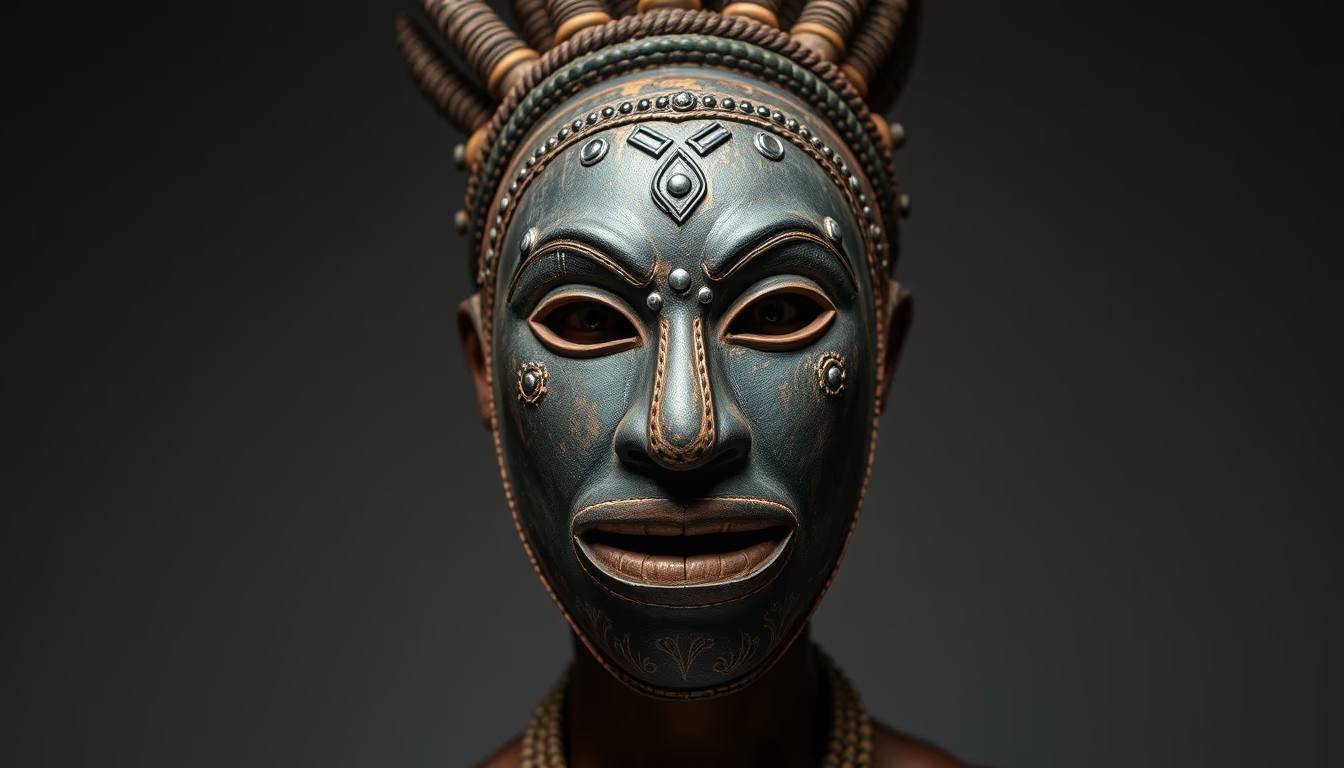
Inuit sculpture stone
1344×768 · AVIF · CC BY 4.0
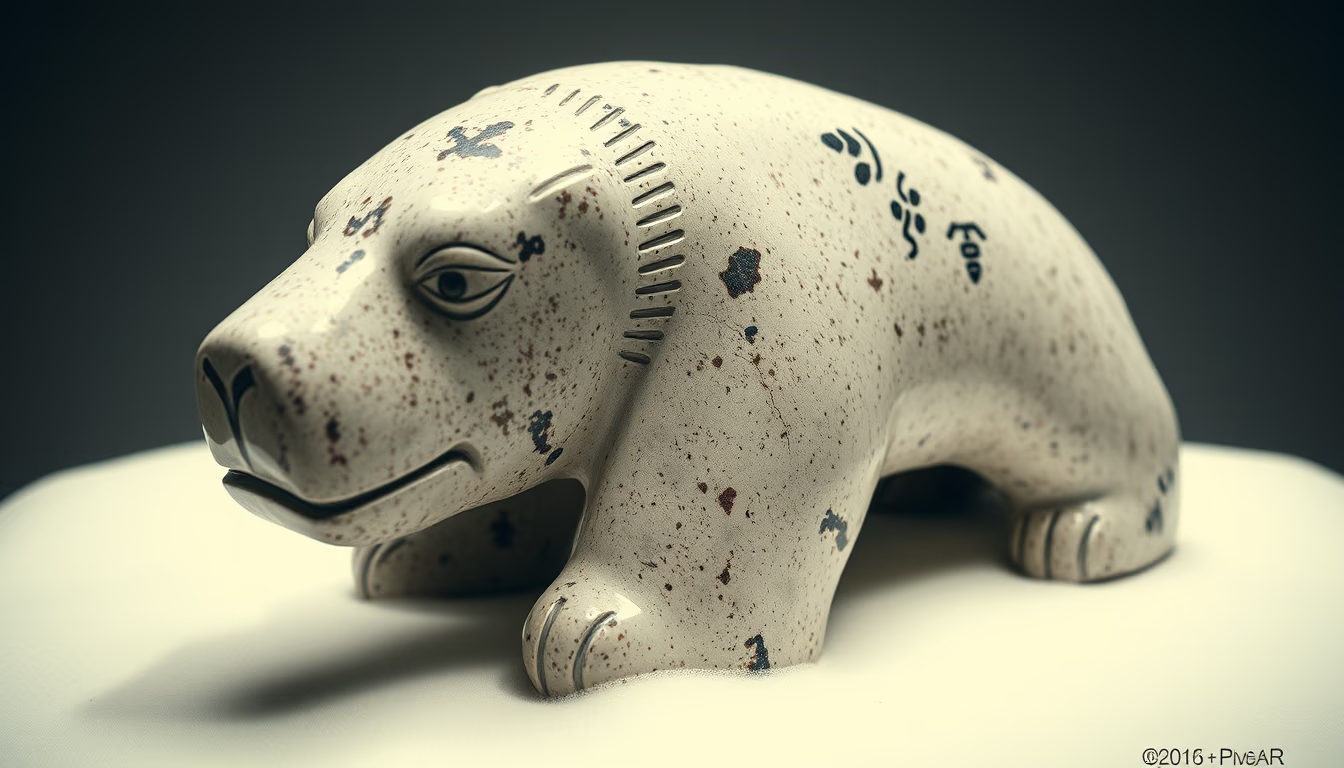
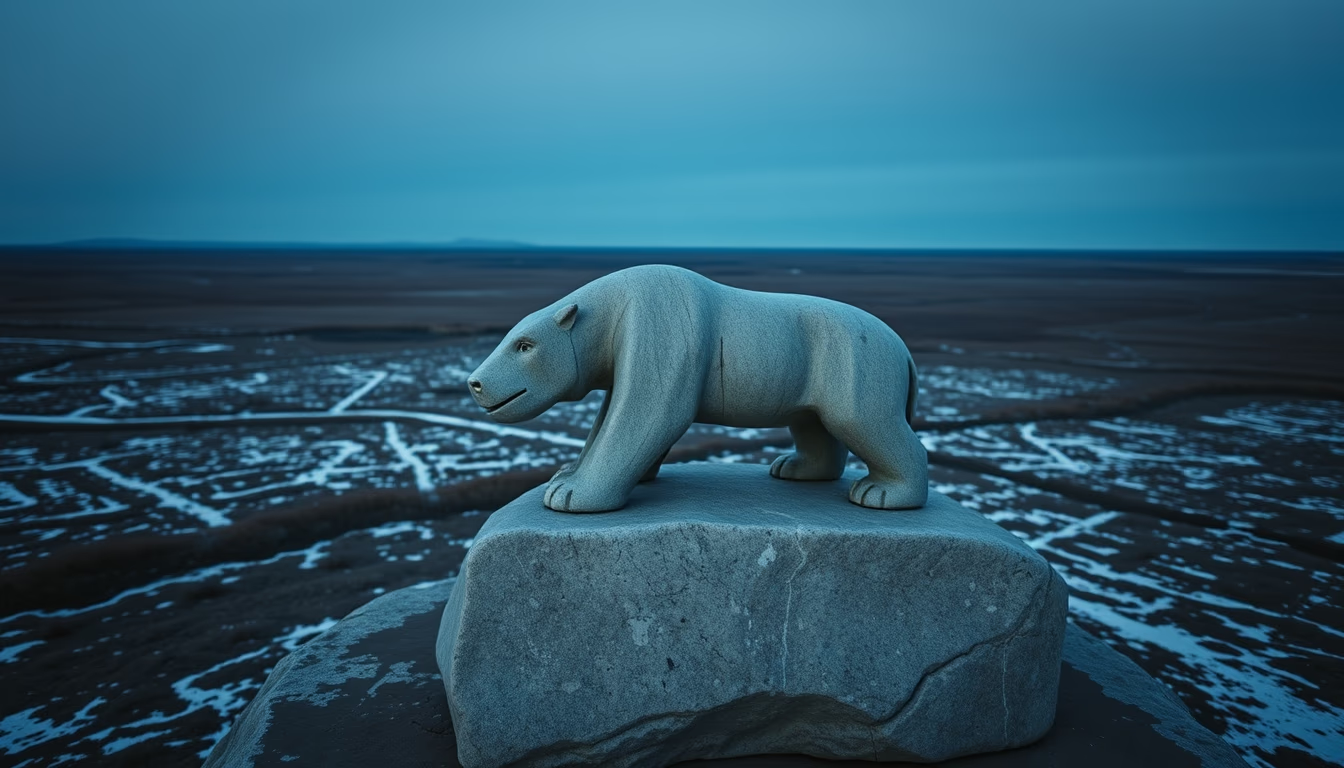
Inuit stone carvings, often made from soapstone or serpentine, depict animals and human figures, embodying millennia of cultural heritage and artistic skill.
About this subject
Inuit stone carving is one of the oldest and most significant art forms of the Inuit people, who inhabit the Arctic regions of Canada, Alaska, Greenland, and Russia. Traditionally, artists carve soapstone, serpentine, and shale using tools made from bone, ivory, or salvaged metal. The sculptures often depict Arctic animals such as polar bears, seals, walruses, and birds, as well as human figures engaged in hunting, fishing, or ceremonial dances. Each piece carries deep cultural meaning, often connected to shamanistic beliefs or the transmission of oral histories.
The carving process begins with selecting a stone block, which is cut and shaped with saws and files. Fine details are etched with pointed tools, and the surface is polished with cloth and natural abrasives. Inuit art gained international recognition in the 20th century, especially after the establishment of artist cooperatives in Canada that helped market sculptures and preserve ancestral techniques. Renowned Inuit artists like Kenojuak Ashevak and Pudlo Pudlat are celebrated worldwide.
Stone carving is more than craftsmanship; it is a means of asserting identity and cultural resilience. In communities such as Cape Dorset (Kinngait), Nunavut, art production generates income and keeps traditions alive. Some ancient carvings, dated to 2,000 years ago, have been found at archaeological sites, showing that the technique predates European contact. Soapstone is favored for its softness, which facilitates carving, and its color range from gray to green to dark brown.
Frequently Asked Questions
What is the most common material used in Inuit stone carvings?
The most common material is soapstone (steatite), prized for its softness and ease of carving. Serpentine and shale are also used.
What do Inuit stone sculptures typically depict?
They depict Arctic animals such as polar bears, seals, and walruses, as well as human figures engaged in hunting, fishing, or ceremonial dances, each with deep cultural and spiritual meaning.
How did Inuit stone art gain worldwide recognition?
In the 20th century, artist cooperatives in Canada, especially in Cape Dorset, helped market the works and nurture talents like Kenojuak Ashevak, bringing Inuit sculpture to international museums and collections.
Direct URL
https://pub-c7d6a6ea828543ac903a74a341ccb2e1.r2.dev/imagens/inuit-sculpture-stone-lo-fi-disposable-camera-fresh8.avifHow to credit
Include a visible link back to UtilizAí. Copy one of the snippets below:
<a href="https://xn--utiliza-eza.com/en/midia/imagens/inuit-sculpture-stone-lo-fi-disposable-camera-fresh8">Inuit sculpture stone</a> by <a href="https://xn--utiliza-eza.com">UtilizAí</a>, licensed under <a href="https://creativecommons.org/licenses/by/4.0/">CC BY 4.0</a>.
[Inuit sculpture stone](https://xn--utiliza-eza.com/en/midia/imagens/inuit-sculpture-stone-lo-fi-disposable-camera-fresh8) by [UtilizAí](https://xn--utiliza-eza.com), CC BY 4.0
License: CC-BY-4.0