Inuit sculpture stone
1344×768 · AVIF · CC BY 4.0
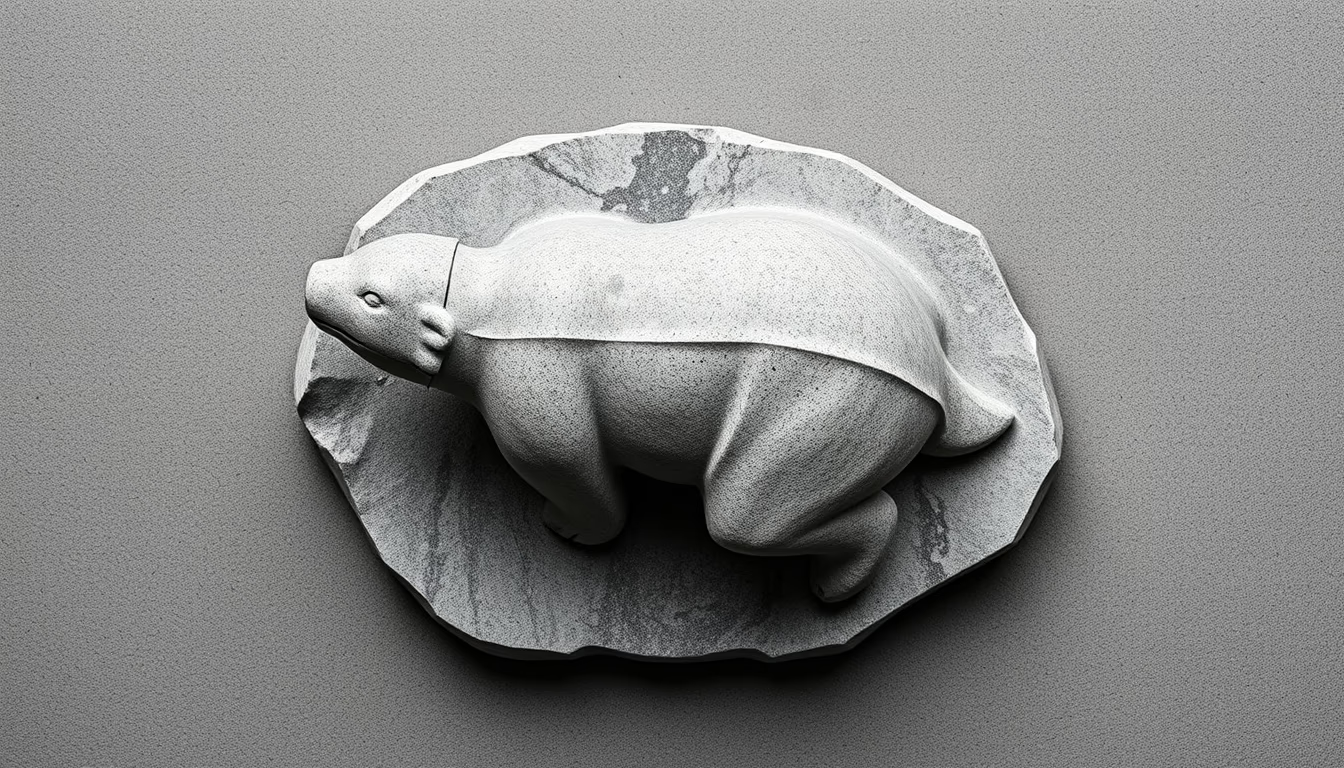
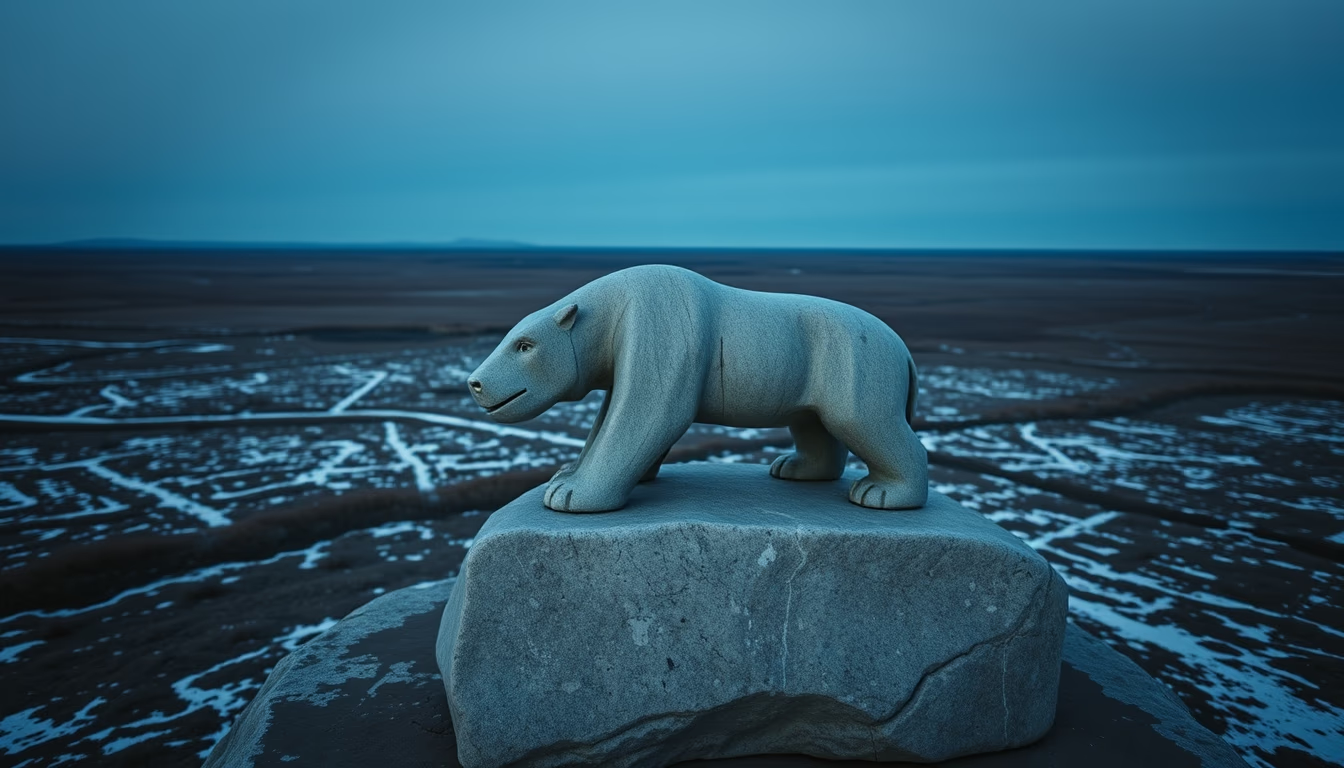
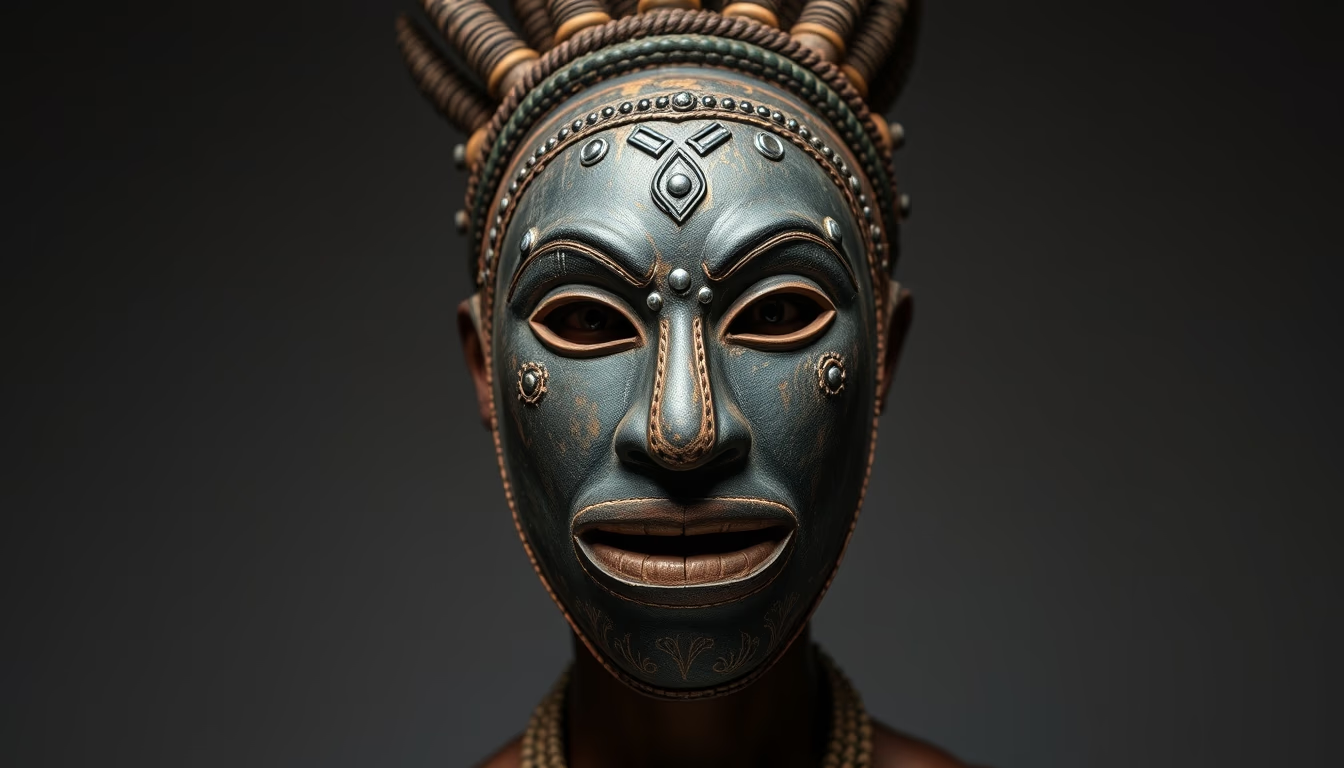
Inuit stone sculpture is an ancient art form reflecting the culture and spirituality of the Arctic people.
About this subject
Inuit stone sculptures are an artistic expression deeply rooted in the traditions of the indigenous peoples of the Canadian Arctic, particularly in Nunavut, the Northwest Territories, and Quebec. These works are traditionally carved from materials like soapstone (steatite), serpentine, slate, and marble, sourced from local deposits. Soapstone is especially valued for its softness, allowing intricate details, and its durability.
Depictions range from human figures and typical Arctic animals (polar bears, seals, caribou) to spiritual beings and everyday scenes like hunting and fishing. Each piece carries symbolic meaning: animals are often associated with guardian spirits or totems, while human figures may represent ancestors or shamans. Carving techniques are passed down through generations, combining traditional tools (such as bone knives) and modern ones (electric files).
Historically, Inuit sculpture gained international recognition in the 1950s, when artists like Kenojuak Ashevak and Pudlo Pudlat popularized the style. Today, works are sold in galleries worldwide but remain a means of preserving Inuit cultural identity. Stone is often polished with seal oil or wax to enhance its natural color, ranging from greenish-gray to black.
Interestingly, many modern Inuit sculptures incorporate abstract elements, innovating without losing connection to tradition. The carving process can take weeks or months, depending on size and complexity. Besides stone, artists also use walrus ivory and caribou antler, but stone remains the most emblematic material.
Frequently Asked Questions
What materials are used in Inuit stone sculpture?
The most common materials are soapstone (steatite), serpentine, slate, and marble. Soapstone is preferred for its softness and ease of carving.
What do Inuit sculptures represent?
They represent Arctic animals, human figures, spirits, and everyday scenes. Each piece carries symbolic meaning, such as guardian spirits or ancestors.
What is the historical origin of Inuit stone sculpture?
The tradition dates back thousands of years, but gained international recognition in the 1950s with artists like Kenojuak Ashevak.
Direct URL
https://pub-c7d6a6ea828543ac903a74a341ccb2e1.r2.dev/imagens/inuit-sculpture-stone-isometric-flat-lay-fresh11.avifHow to credit
Include a visible link back to UtilizAí. Copy one of the snippets below:
<a href="https://xn--utiliza-eza.com/en/midia/imagens/inuit-sculpture-stone-isometric-flat-lay-fresh11">Inuit sculpture stone</a> by <a href="https://xn--utiliza-eza.com">UtilizAí</a>, licensed under <a href="https://creativecommons.org/licenses/by/4.0/">CC BY 4.0</a>.
[Inuit sculpture stone](https://xn--utiliza-eza.com/en/midia/imagens/inuit-sculpture-stone-isometric-flat-lay-fresh11) by [UtilizAí](https://xn--utiliza-eza.com), CC BY 4.0
License: CC-BY-4.0