Inuit sculpture stone
1344×768 · AVIF · CC BY 4.0
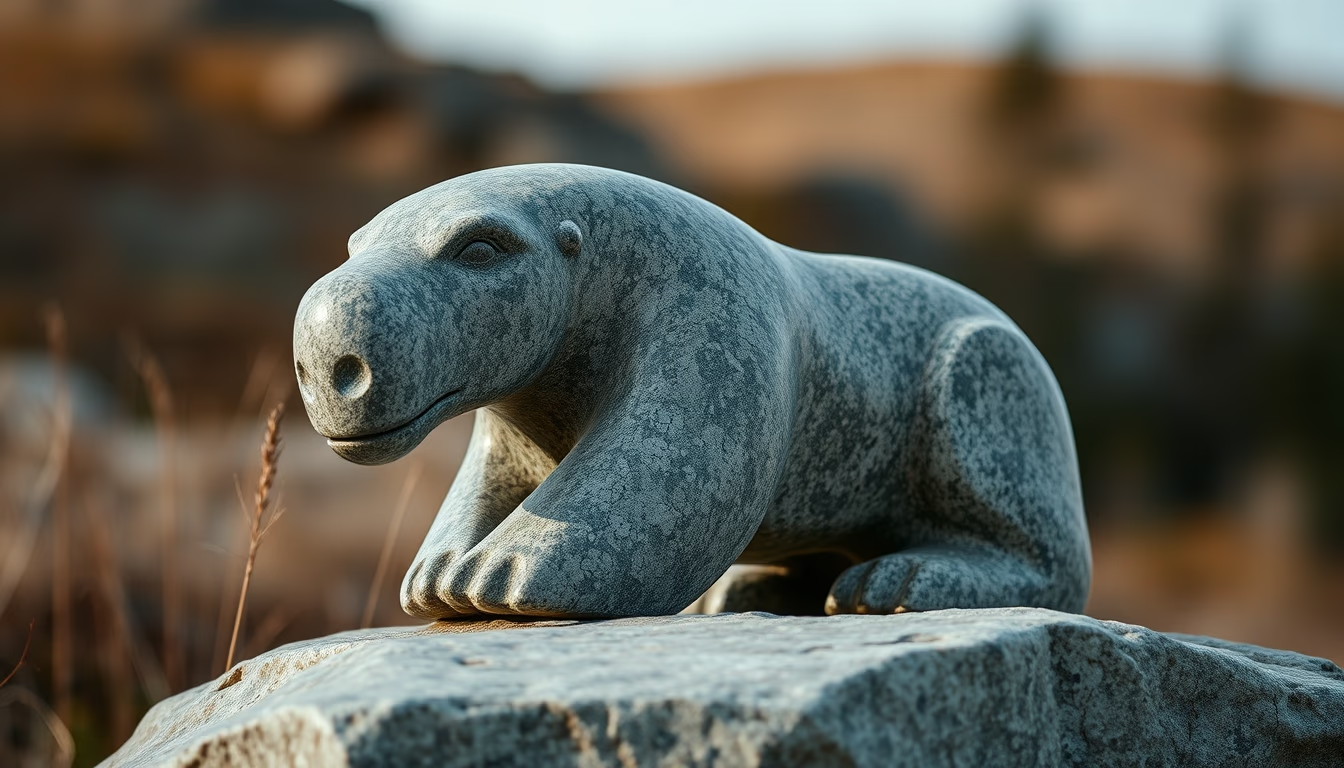
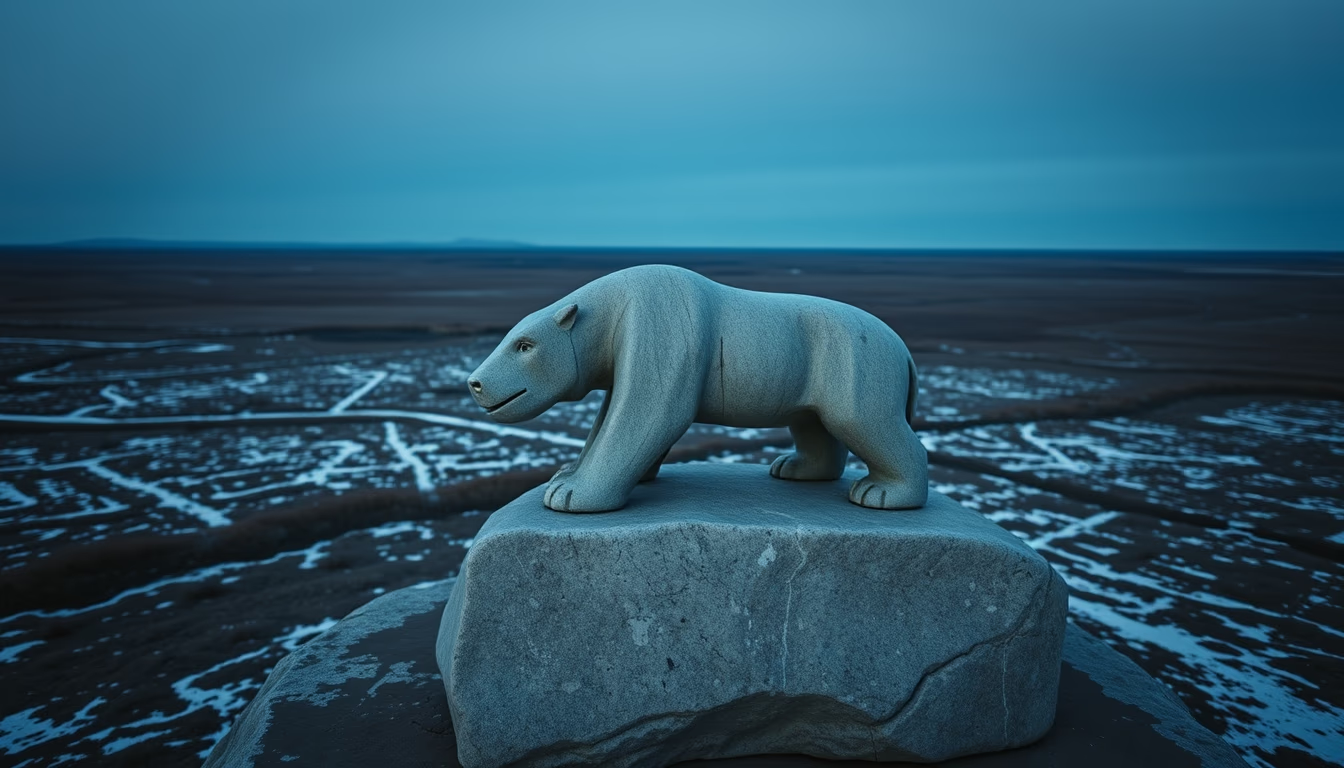
Inuit stone sculpture is a millennia-old art form depicting Arctic culture and environment, using materials like soapstone and serpentine.
About this subject
Inuit stone carving, practiced by Inuit peoples across the Arctic (Canada, Greenland, Alaska, and Chukotka), dates back thousands of years. Early carvings served functional purposes: tools, weapons, and oil lamps (qulliq). The transformation into a recognized art form began in the 1950s when artist and administrator James Houston introduced Inuit carvings to southern Canadian markets. This initiative provided economic opportunities for Inuit communities facing rapid social and environmental change.
Common materials include soapstone, serpentine, and argillite, chosen for their softness and rich color variations from gray to deep green and black. Subjects are drawn from Arctic life: polar bears, seals, walruses, birds like snowy owls and geese, and human figures engaged in hunting, fishing, or ceremonial dances. Supernatural beings and shamanic figures also appear, reflecting Inuit cosmology where humans, animals, and spirits are interconnected.
The carving style is characterized by simplified, solid forms and a smooth polished finish that highlights the stone's natural texture. Unlike geometric Indigenous art from other regions, Inuit carvings emphasize direct observation of nature and daily life. Each piece is crafted using hand tools such as files, sandpaper, and knives, a process taking days to weeks. Renowned contemporary carvers like Oviloo Tunnillie and John Tiktak have achieved international fame, with works in major museums including the Montreal Museum of Fine Arts and the National Gallery of Canada.
Beyond aesthetics, stone carvings preserve Inuit cultural memory, passing down stories and techniques through generations. In recent decades, Inuit art has become a symbol of identity and resilience amidst globalization and climate change. The Canadian Indigenous art market generates millions annually, with stone carvings among the most sought-after items.
Frequently Asked Questions
What is the main material used in Inuit stone carving?
The most common material is soapstone (steatite). Other materials include serpentine and argillite, each offering different colors and textures.
Do Inuit carvings have religious or spiritual meaning?
Yes, many carvings depict spirits or shamanic figures, reflecting the Inuit belief in the interconnectedness of humans, animals, and the spirit world. They were used in rituals and as talismans.
How did Inuit stone carving become known worldwide?
In the 1950s, artist James Houston promoted the sale of Inuit carvings in southern Canada, creating an international market. Since then, Inuit artists have gained prominence in exhibitions and museum collections globally.
Direct URL
https://pub-c7d6a6ea828543ac903a74a341ccb2e1.r2.dev/imagens/inuit-sculpture-stone-documentary-nature-style-fresh4.avifHow to credit
Include a visible link back to UtilizAí. Copy one of the snippets below:
<a href="https://xn--utiliza-eza.com/en/midia/imagens/inuit-sculpture-stone-documentary-nature-style-fresh4">Inuit sculpture stone</a> by <a href="https://xn--utiliza-eza.com">UtilizAí</a>, licensed under <a href="https://creativecommons.org/licenses/by/4.0/">CC BY 4.0</a>.
[Inuit sculpture stone](https://xn--utiliza-eza.com/en/midia/imagens/inuit-sculpture-stone-documentary-nature-style-fresh4) by [UtilizAí](https://xn--utiliza-eza.com), CC BY 4.0
License: CC-BY-4.0