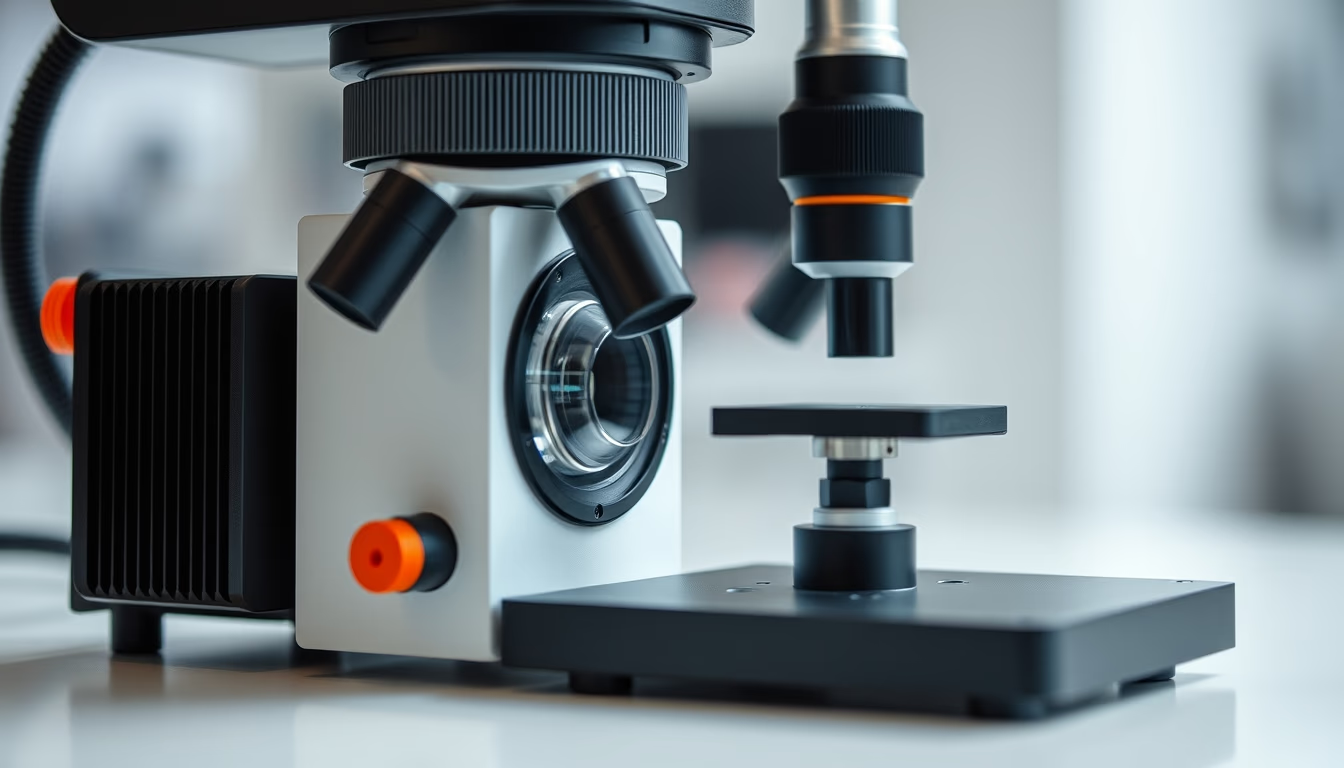
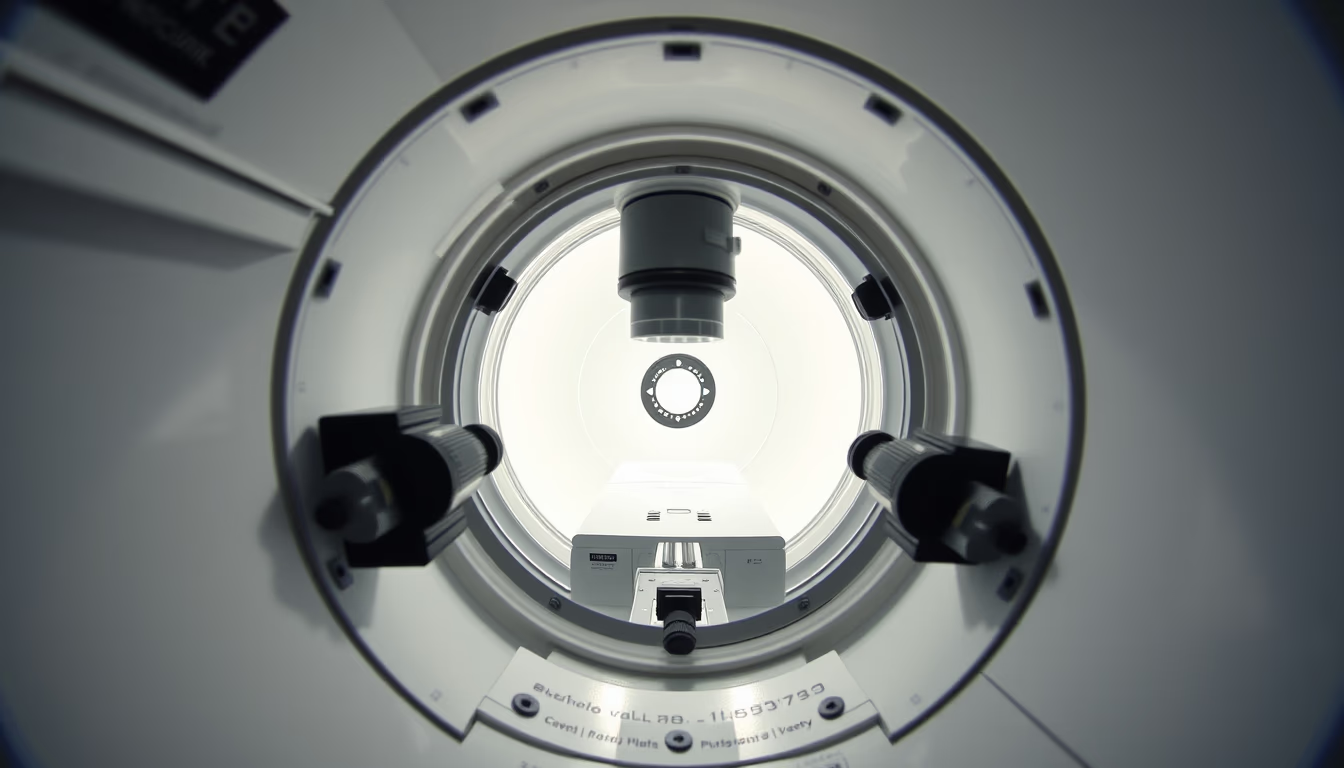
Gene sequencer machine
1344×768 · AVIF · CC BY 4.0

Gene sequencer machine, laboratory equipment that determines the order of nucleotides in DNA, revolutionizing genomic research.
About this subject
A gene sequencer is a scientific instrument used to determine the exact order of nucleotides (adenine, cytosine, guanine, and thymine) in a DNA molecule. This fundamental process enables the identification of genetic variations associated with hereditary diseases, cancer, and drug responses. Technology has evolved rapidly from the Human Genome Project, which took 13 years and cost billions, to modern next-generation sequencers (NGS) capable of processing whole genomes in hours for under a thousand dollars.
Major research centers like the Broad Institute and the Wellcome Sanger Institute use high-throughput sequencers to produce terabytes of genomic data daily. These machines operate through methods such as sequencing by synthesis (Illumina) or nanopore sequencing (Oxford Nanopore), each with advantages in read length, accuracy, and run time. Applications include clinical diagnosis, tracking infectious outbreaks (e.g., COVID-19 variant surveillance), precision agriculture, and evolutionary studies.
The widespread availability of genetic sequencing raises ethical concerns about genomic privacy, discrimination based on predispositions, and informed consent. In Brazil, Next-Generation Sequencing is regulated by ANVISA and used in public health services for diagnosing rare diseases. Constant miniaturization promises to bring sequencing into clinics and even space, with experiments already conducted on the International Space Station.
Beyond personalized medicine, this technology allows reconstructing the genomes of extinct species like the woolly mammoth and understanding Amazonian biodiversity. The combination with artificial intelligence accelerates data analysis, identifying pathogenic mutations in seconds. The gene sequencer has thus become an indispensable tool in modern biology, transforming our ability to read the language of life.
Frequently Asked Questions
How does a gene sequencer work?
A gene sequencer uses methods like sequencing by synthesis, where fluorescently labeled nucleotides are added to a DNA strand and a camera records the order. Another technique is nanopore sequencing, which measures electrical current changes as a DNA strand passes through a protein pore.
Why is genetic sequencing important in medicine?
It enables diagnosis of rare genetic diseases, identification of tumor mutations for targeted therapies, prediction of drug responses (pharmacogenomics), and non-invasive prenatal testing. It is also used in outbreak investigations to track pathogen variants.
Is genetic sequencing accessible in Brazil?
Yes, the public health system (SUS) offers sequencing for conditions such as cystic fibrosis and muscular dystrophies. Private labs provide genetic panels at various prices. The cost of a whole exome sequencing ranges from approximately R$ 2,000 to R$ 5,000, depending on complexity.
Direct URL
https://pub-c7d6a6ea828543ac903a74a341ccb2e1.r2.dev/imagens/gene-sequencer-machine-cinematic-wide-shot-fresh17.avifHow to credit
Include a visible link back to UtilizAí. Copy one of the snippets below:
<a href="https://xn--utiliza-eza.com/en/midia/imagens/gene-sequencer-machine-cinematic-wide-shot-fresh17">Gene sequencer machine</a> by <a href="https://xn--utiliza-eza.com">UtilizAí</a>, licensed under <a href="https://creativecommons.org/licenses/by/4.0/">CC BY 4.0</a>.
[Gene sequencer machine](https://xn--utiliza-eza.com/en/midia/imagens/gene-sequencer-machine-cinematic-wide-shot-fresh17) by [UtilizAí](https://xn--utiliza-eza.com), CC BY 4.0
License: CC-BY-4.0