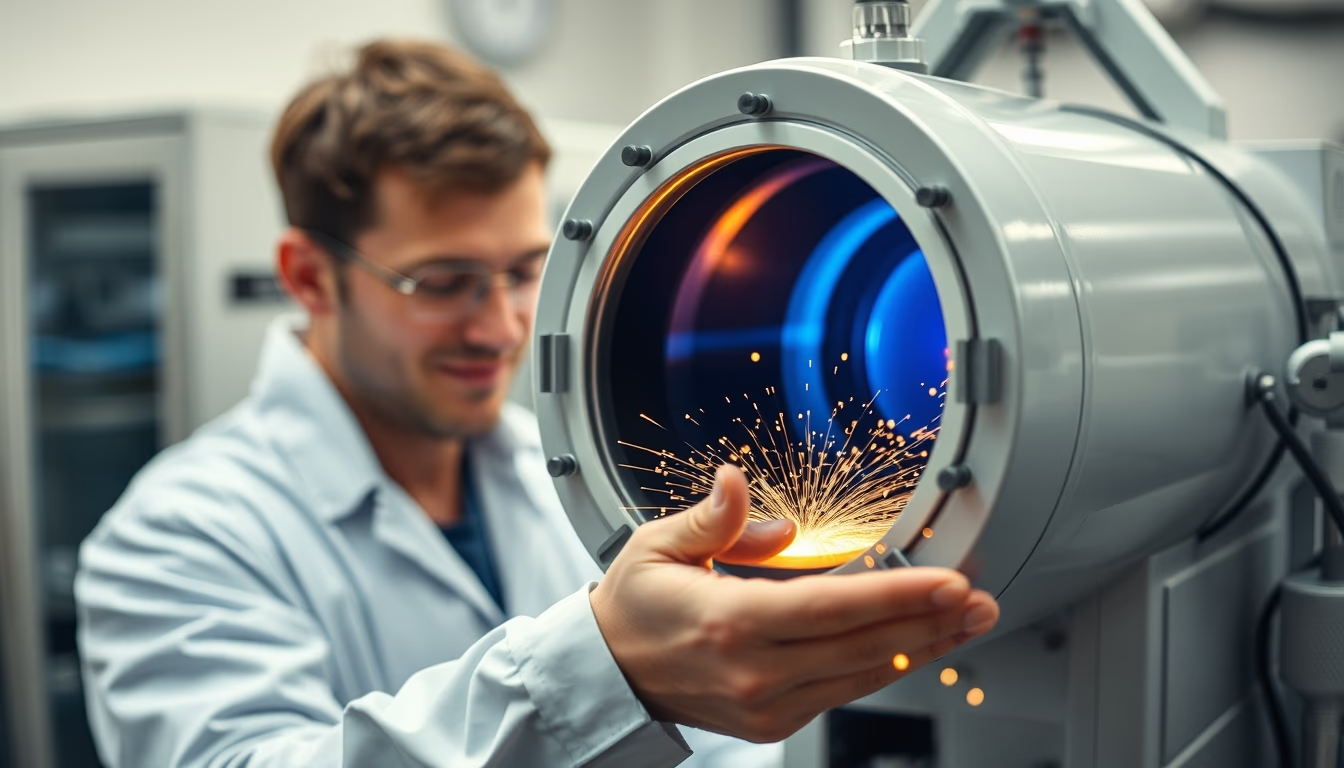
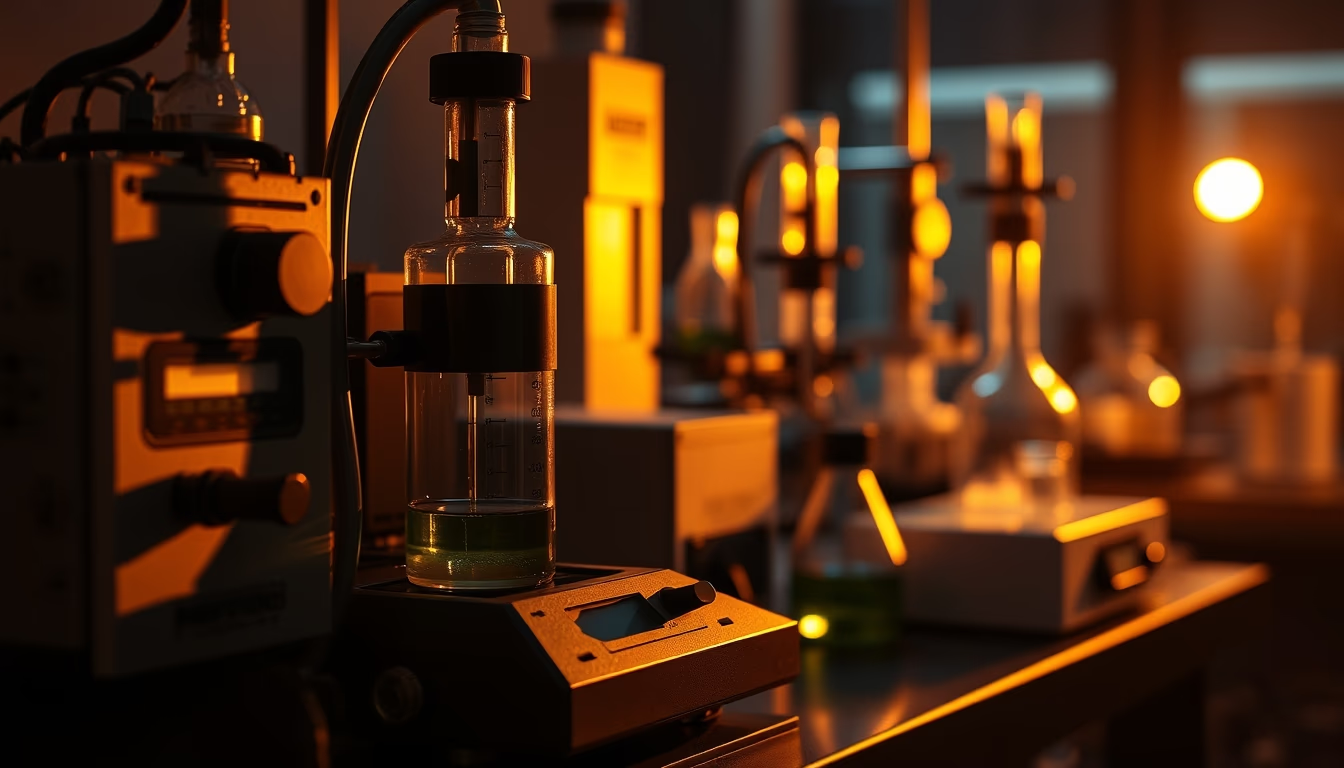
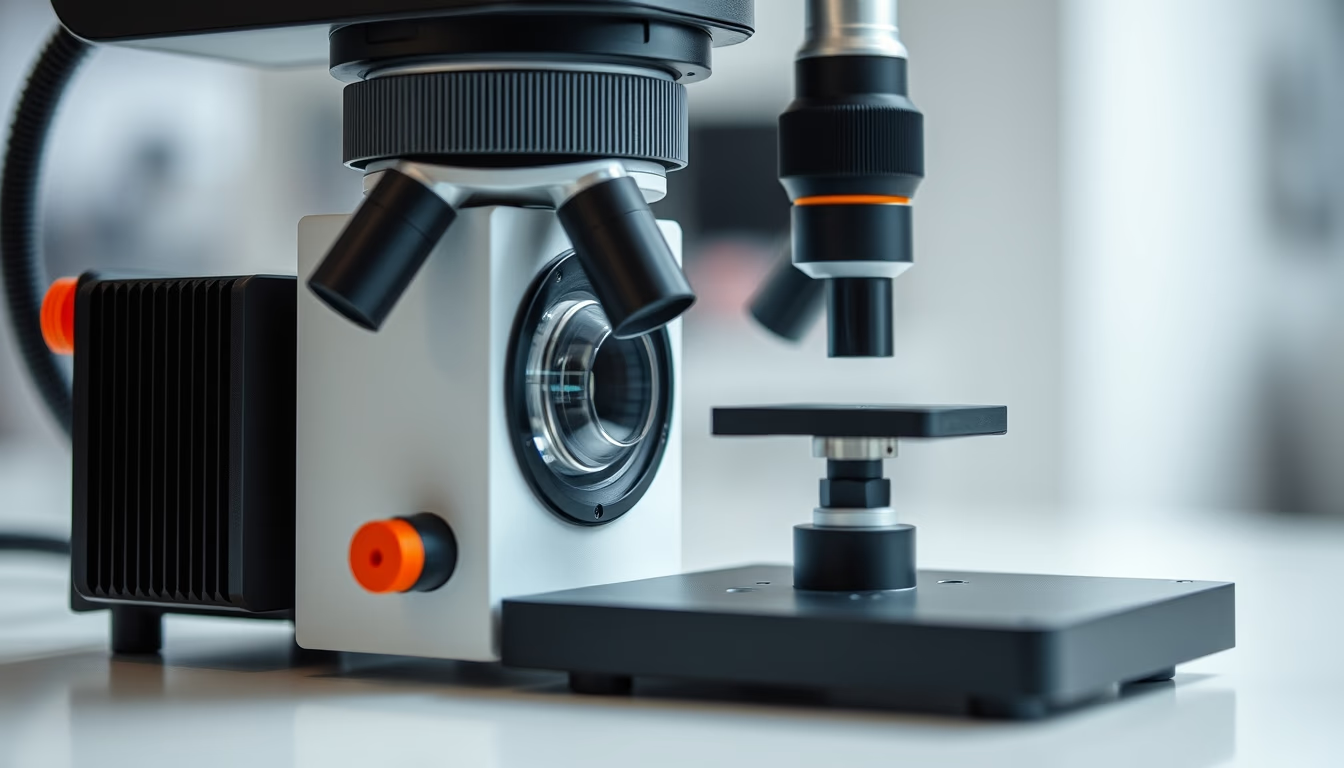
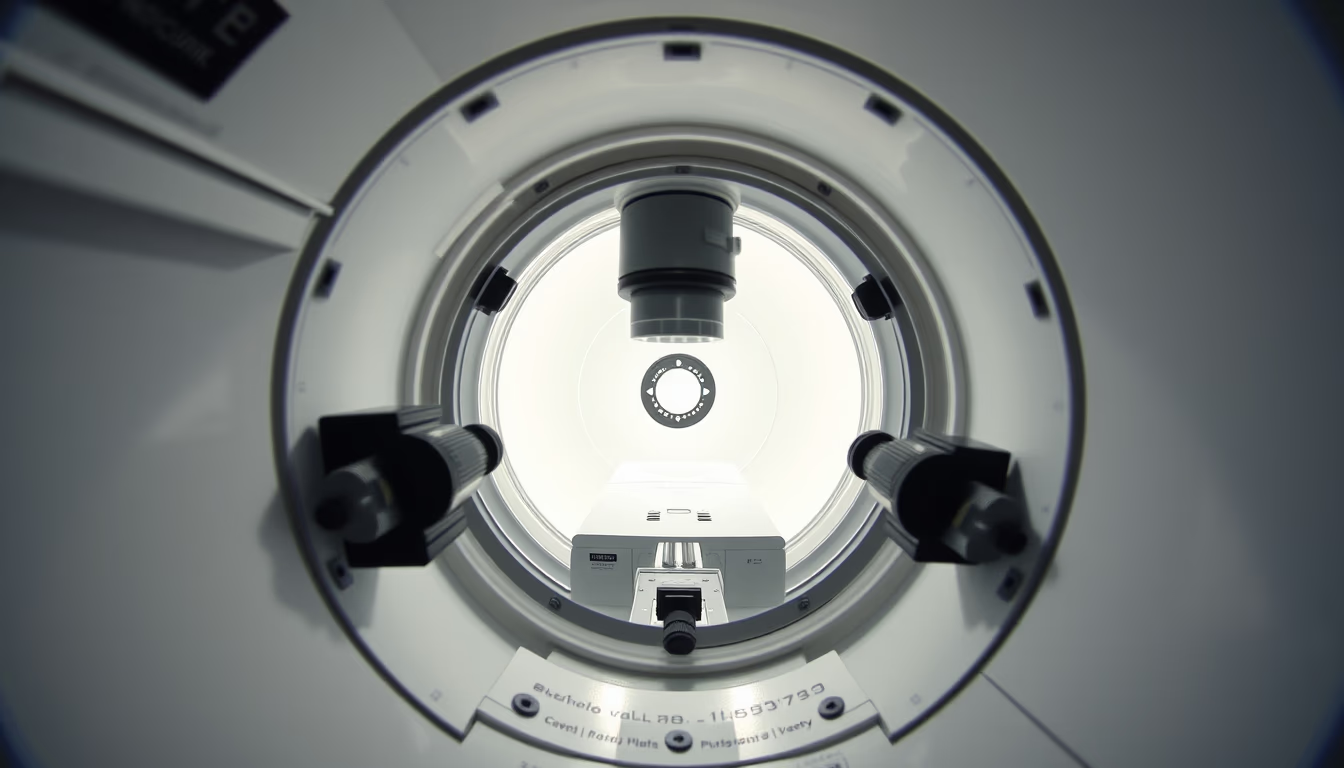
Gene sequencer machine
1344×768 · AVIF · CC BY 4.0

Laboratory device that determines the order of nucleotides in DNA, essential for genomic research and medical diagnostics.
About this subject
A gene sequencer is a laboratory instrument that performs DNA sequencing, determining the exact order of nitrogenous bases (adenine, cytosine, guanine, and thymine) in a DNA molecule. This process is crucial for many areas of biology and medicine, enabling everything from identifying genetic mutations to studying species evolution.
The first sequencing technique, the Sanger method, was developed by Frederick Sanger in the 1970s, earning him a Nobel Prize. Over time, next-generation technologies emerged, such as sequencing by synthesis (Illumina) and single-molecule sequencing (PacBio, Oxford Nanopore). These advances drastically reduced the cost and time required to sequence a human genome, dropping from billions of dollars to about a thousand dollars today.
Gene sequencers are used in basic research to study gene function, in medicine for diagnosing hereditary diseases and cancer, in pharmacogenomics to personalize treatments, and in epidemiology to track outbreaks of pathogens, as done with SARS-CoV-2. Additionally, projects like the Human Genome Project and the Earth BioGenome Project rely on these machines.
Portable sequencers, such as the Oxford Nanopore MinION, fit in the palm of a hand and can be used in the field. Sequencing has also given rise to metagenomics, which analyzes DNA from entire microbial communities without the need for cultivation.
Frequently Asked Questions
How does a gene sequencer work?
A gene sequencer determines the order of nucleotides in DNA using techniques like sequencing by synthesis or nanopores. DNA is fragmented, amplified, and read by sensors that detect each base.
What is the difference between Sanger and next-generation sequencing?
Sanger is slower and more expensive but produces long, accurate reads, suitable for small projects. Next-generation technologies are faster, cheaper, and process millions of fragments simultaneously, but generate shorter reads.
What are the practical applications of genetic sequencing?
Sequencing is used in diagnosing genetic diseases, in oncology to identify mutations, in pharmacogenomics to personalize drugs, in epidemiology to track pathogens, and in agriculture for crop improvement.
Direct URL
https://pub-c7d6a6ea828543ac903a74a341ccb2e1.r2.dev/imagens/gene-sequencer-machine-documentary-photography-fresh16.avifHow to credit
Include a visible link back to UtilizAí. Copy one of the snippets below:
<a href="https://xn--utiliza-eza.com/en/midia/imagens/gene-sequencer-machine-documentary-photography-fresh16">Gene sequencer machine</a> by <a href="https://xn--utiliza-eza.com">UtilizAí</a>, licensed under <a href="https://creativecommons.org/licenses/by/4.0/">CC BY 4.0</a>.
[Gene sequencer machine](https://xn--utiliza-eza.com/en/midia/imagens/gene-sequencer-machine-documentary-photography-fresh16) by [UtilizAí](https://xn--utiliza-eza.com), CC BY 4.0
License: CC-BY-4.0