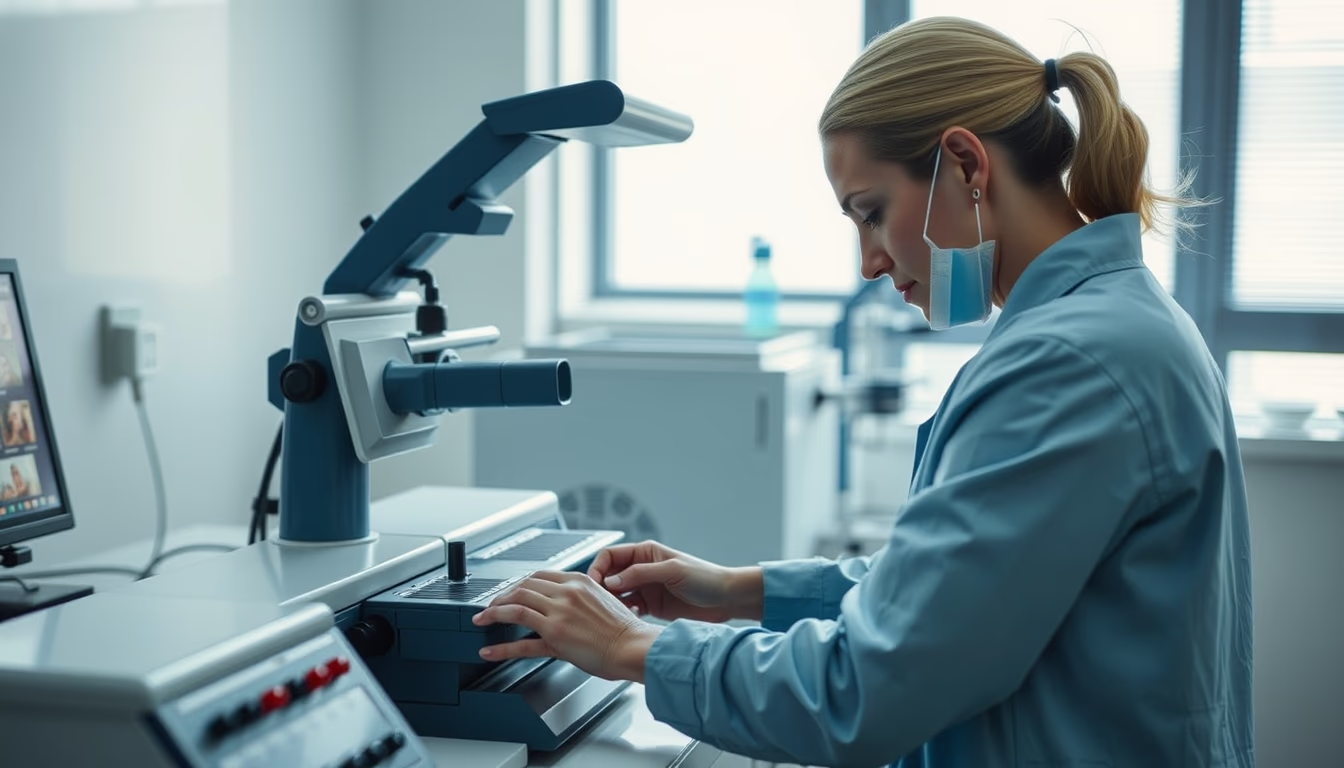
Gas chromatograph
1344×768 · AVIF · CC BY 4.0
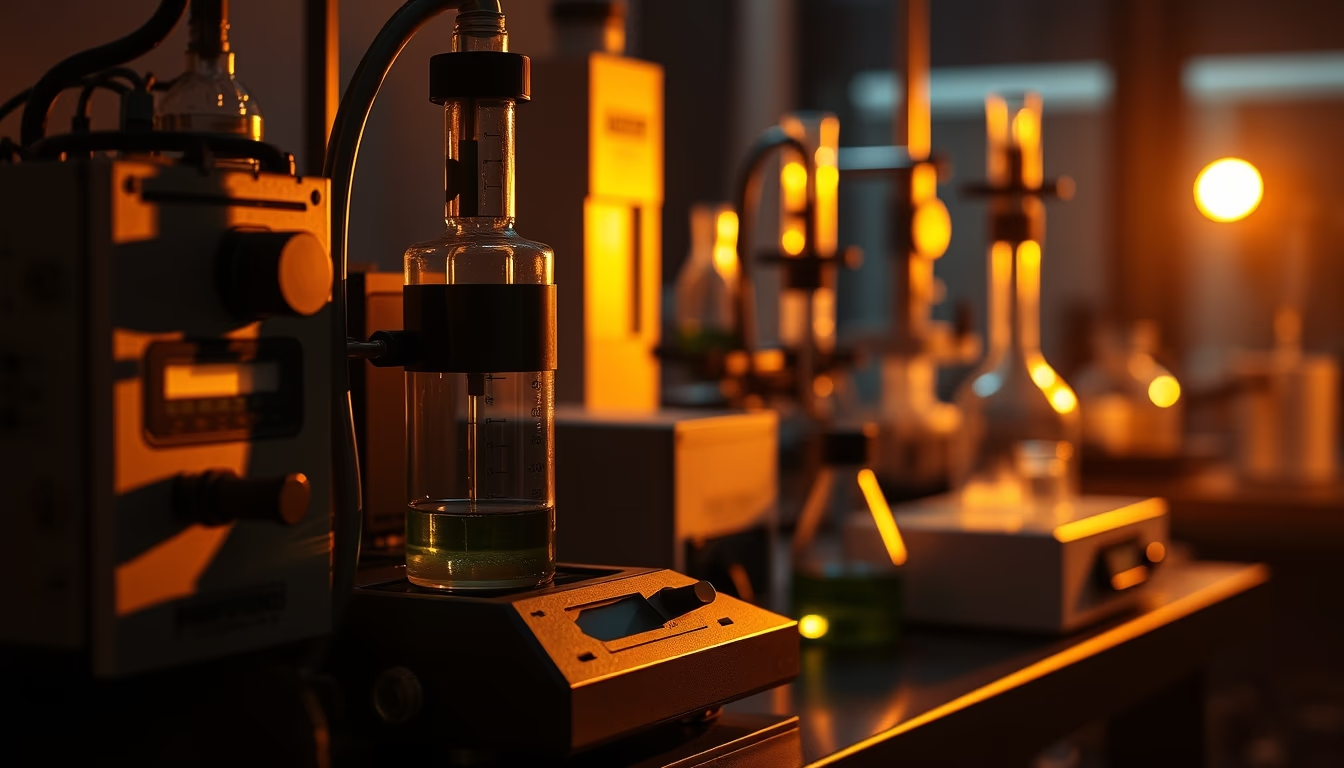
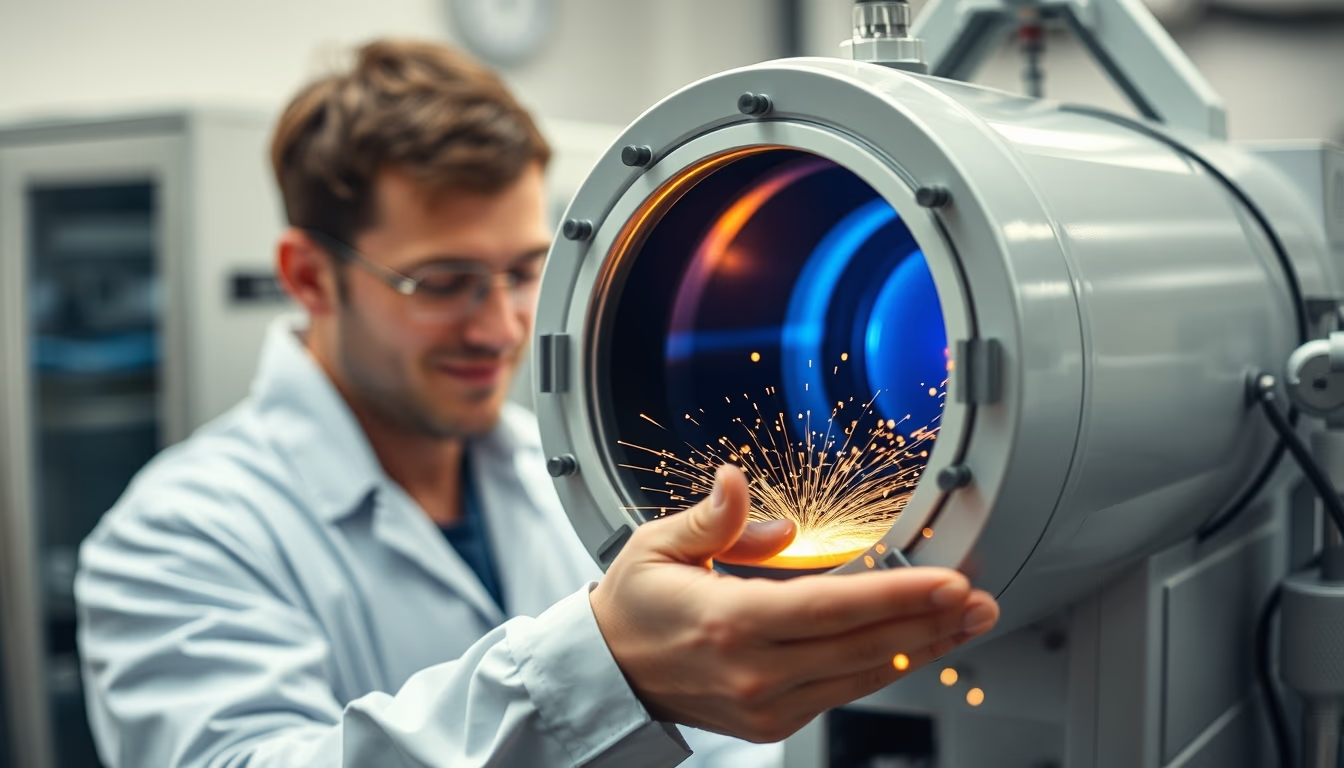
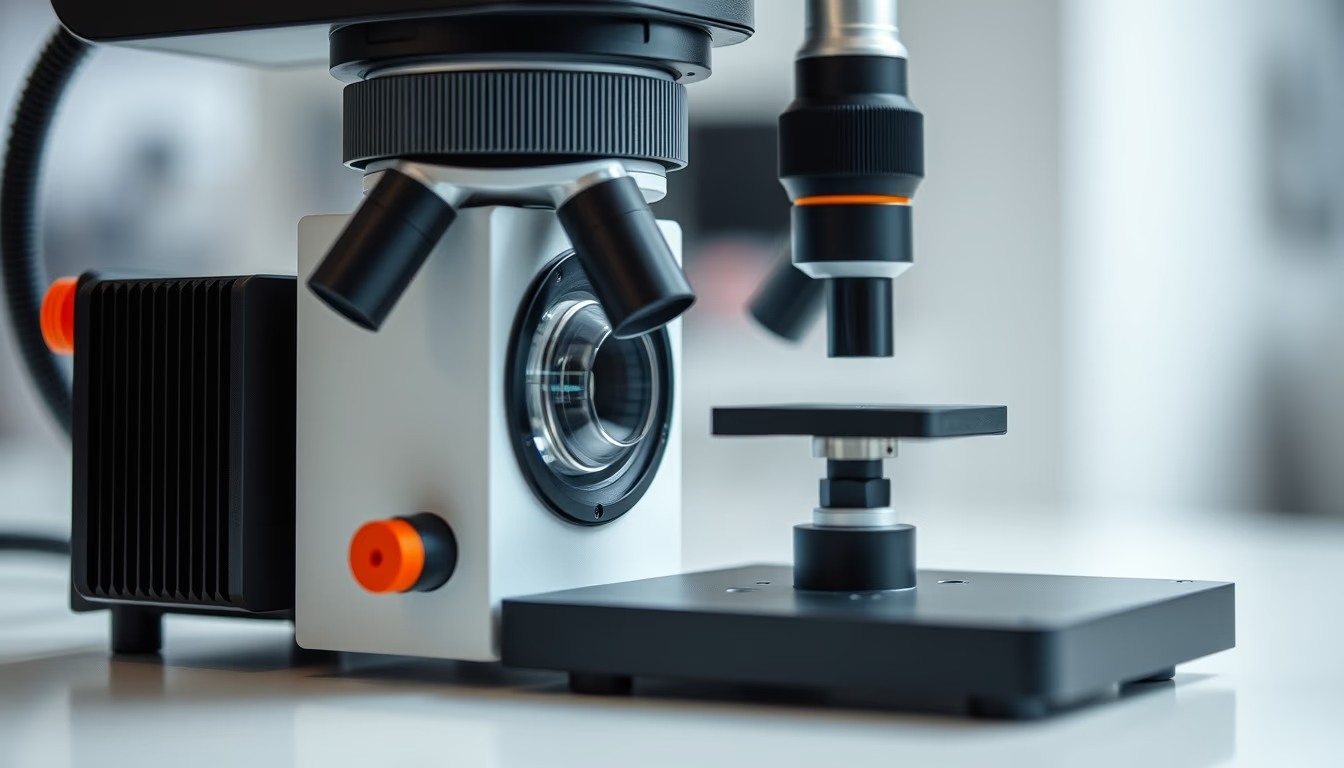
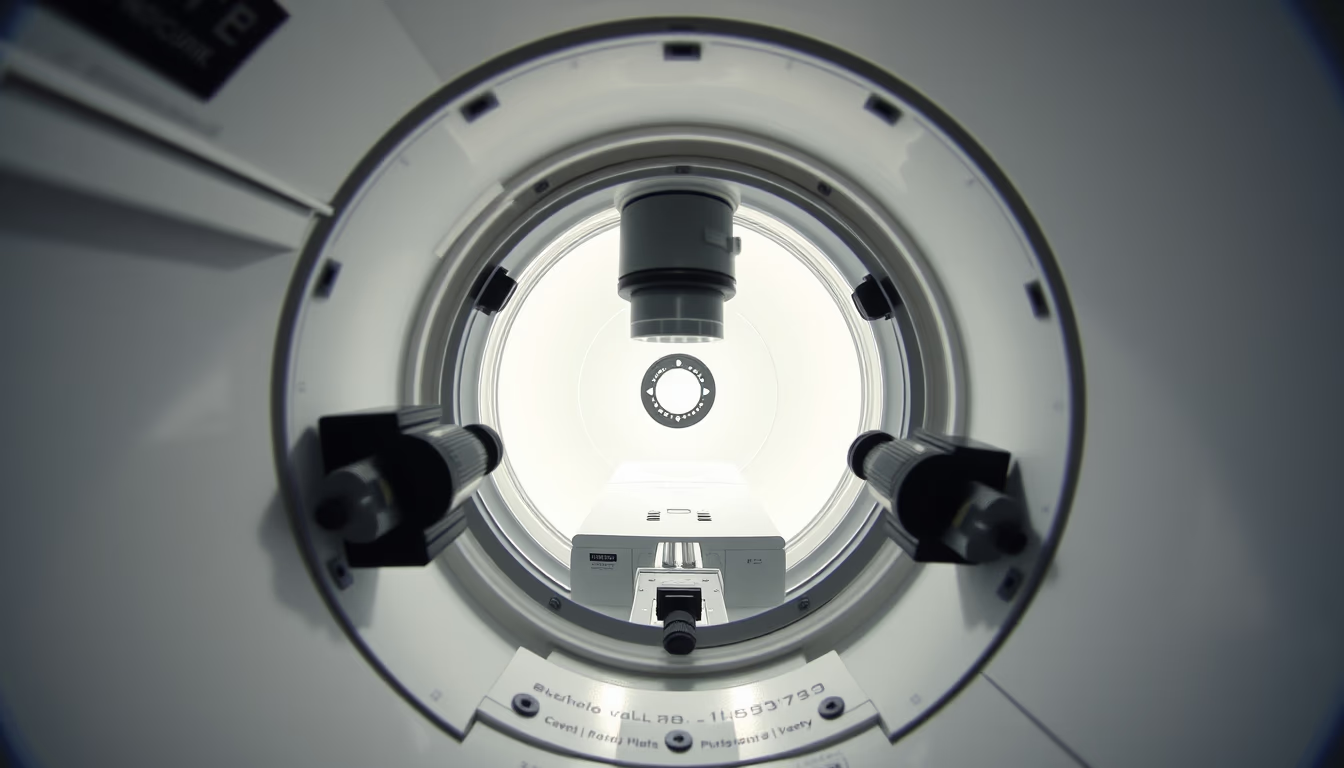
Gas chromatograph, an analytical instrument that separates and identifies volatile components in a sample, essential in forensic, environmental, and pharmaceutical chemistry.
About this subject
Gas chromatography is a separation technique that uses an inert carrier gas, such as helium or nitrogen, to transport the vaporized sample through a capillary or packed column. Inside the column, components interact with a stationary phase, typically a liquid or polymer, and are separated based on their volatilities and affinities. The detector, such as a flame ionization detector (FID) or mass spectrometer (MS), quantifies and identifies each compound as it elutes at different retention times.
Developed by Archer Martin and Anthony James in the 1950s, the technique earned Martin the Nobel Prize in Chemistry in 1952, shared with Richard Synge for the development of partition chromatography. Since then, the gas chromatograph has become indispensable in quality control laboratories, environmental analysis, and toxicology. In the petrochemical industry, for example, it is used to determine fuel composition and monitor pollutants. In food laboratories, it detects pesticide residues and aromas.
Accuracy of the gas chromatograph depends on factors such as oven temperature, carrier gas flow rate, and column type. A typical analysis may last from 5 to 60 minutes, depending on sample complexity and chromatographic conditions. Coupling with mass spectrometry (GC-MS) allows unambiguous identification of unknown compounds, making it the gold standard in forensic and drug analysis.
Frequently Asked Questions
What is a gas chromatograph used for?
It separates and quantifies volatile components in a sample. It is used in environmental analysis, food quality control, petrochemical industry, and forensic toxicology.
What is the difference between gas and liquid chromatography?
Gas chromatography is for volatile, thermally stable compounds, while liquid chromatography (HPLC) is for non-volatile or thermolabile compounds. The mobile phase in GC is an inert gas; in LC, it is a solvent.
How long does a typical gas chromatograph analysis take?
It ranges from 5 to 60 minutes, depending on compound volatility, temperature ramp, and column setup. Complex samples may require longer runs.
Direct URL
https://pub-c7d6a6ea828543ac903a74a341ccb2e1.r2.dev/imagens/gas-chromatograph-rembrandt-lighting-dramatic-shadows-fresh17.avifHow to credit
Include a visible link back to UtilizAí. Copy one of the snippets below:
<a href="https://xn--utiliza-eza.com/en/midia/imagens/gas-chromatograph-rembrandt-lighting-dramatic-shadows-fresh17">Gas chromatograph</a> by <a href="https://xn--utiliza-eza.com">UtilizAí</a>, licensed under <a href="https://creativecommons.org/licenses/by/4.0/">CC BY 4.0</a>.
[Gas chromatograph](https://xn--utiliza-eza.com/en/midia/imagens/gas-chromatograph-rembrandt-lighting-dramatic-shadows-fresh17) by [UtilizAí](https://xn--utiliza-eza.com), CC BY 4.0
License: CC-BY-4.0