Andean textile vivid
1344×768 · AVIF · CC BY 4.0
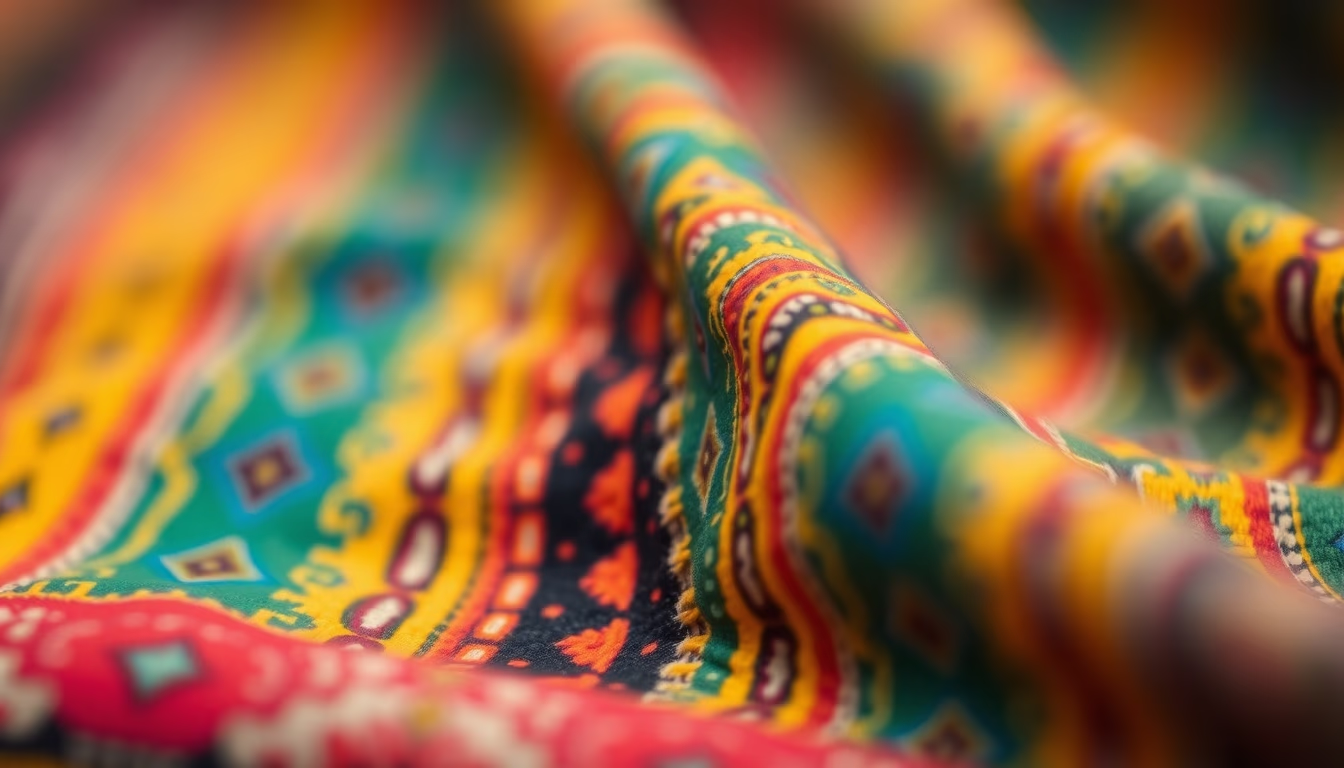
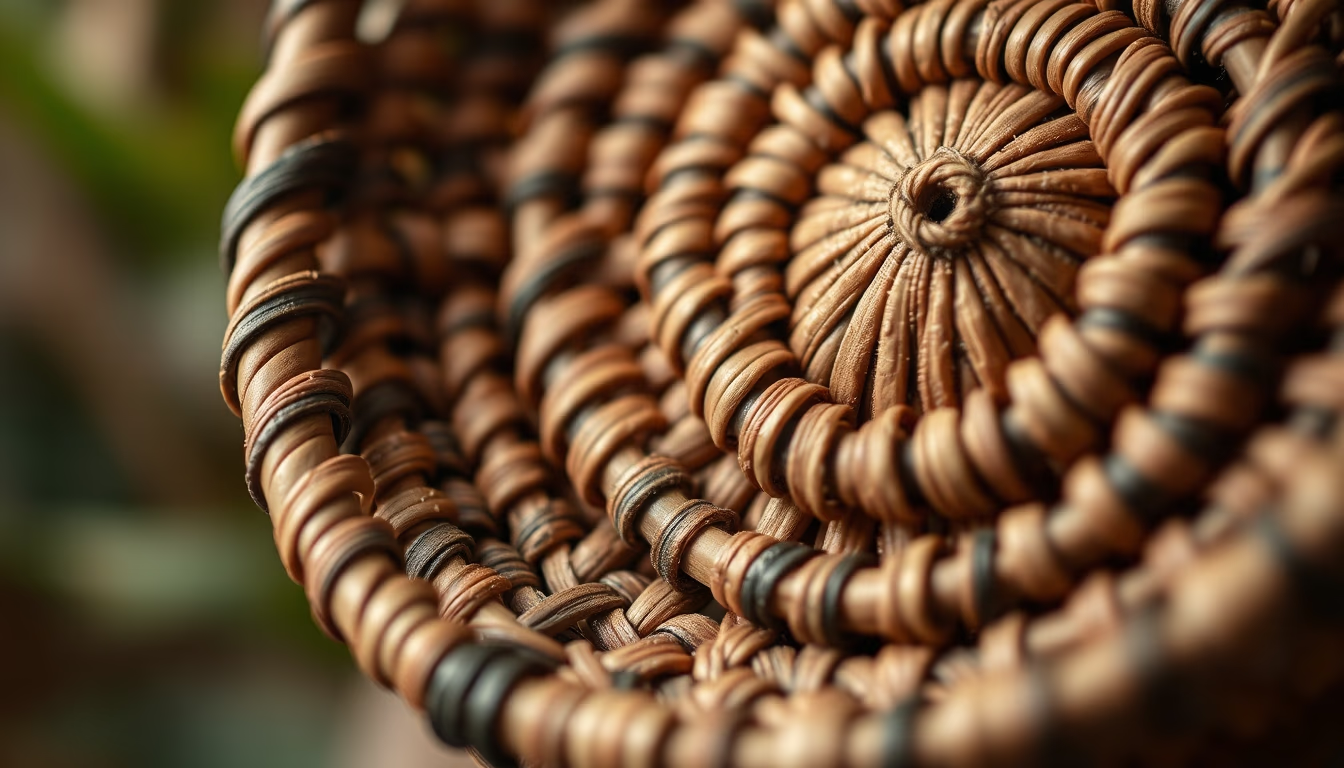
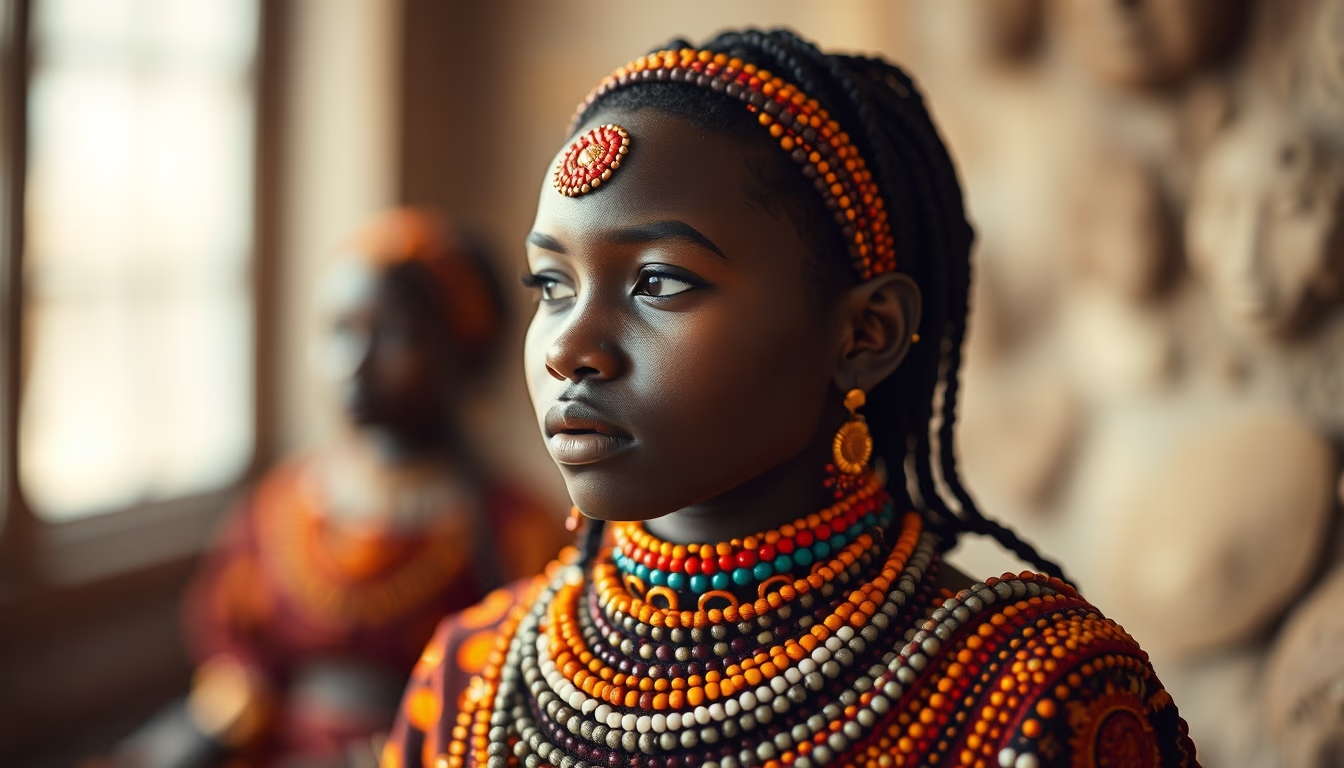
Andean textiles, handwoven for millennia, represent one of the most sophisticated craft traditions in the Americas, combining ancestral techniques with deep cultural symbolism.
About this subject
Andean textiles have been produced for over 4,000 years in the Andean region, spanning present-day Peru, Bolivia, Ecuador, and parts of Chile and Argentina. They are considered one of the most important artistic and cultural expressions of pre-Columbian civilizations such as the Incas, Nazca, Paracas, and Wari. The traditional technique uses the backstrap loom, where the weaver sits on the ground and stretches the threads between a fixed point and her own body, allowing precise tension control. The threads are made from native cotton (with natural colors like white, brown, and beige) and wool from llamas, alpacas, or vicuñas, animals domesticated in the Andes for centuries.
The vibrant colors come from natural dyes obtained from plants (such as indigo and cochineal) and minerals. The intense red, for example, is extracted from the cochineal insect that lives on cacti. Geometric and figurative patterns carry deep meanings: triangles represent mountains, zigzags symbolize rivers, and animal figures like the alpaca or condor are linked to Andean religious beliefs. Each community has its own motifs, functioning as a visual language that conveys ethnic identity and social status.
Frequently Asked Questions
How are Andean textiles made?
They are handwoven on a backstrap loom using cotton or wool from llamas, alpacas, or vicuñas. The fibers are hand-spun and dyed with natural colorants from plants and insects.
What do the patterns in Andean textiles mean?
Geometric and figurative patterns represent natural elements (mountains, rivers, animals) and religious symbols. Each community has specific designs that tell stories and indicate ethnic origin.
Why are Andean textiles considered important?
They are a living cultural heritage preserving ancient techniques. During Inca times, textiles were more valuable than gold, used as currency and symbols of power.
Direct URL
https://pub-c7d6a6ea828543ac903a74a341ccb2e1.r2.dev/imagens/andean-textile-vivid-tilt-shift-miniature-fresh11.avifHow to credit
Include a visible link back to UtilizAí. Copy one of the snippets below:
<a href="https://xn--utiliza-eza.com/en/midia/imagens/andean-textile-vivid-tilt-shift-miniature-fresh11">Andean textile vivid</a> by <a href="https://xn--utiliza-eza.com">UtilizAí</a>, licensed under <a href="https://creativecommons.org/licenses/by/4.0/">CC BY 4.0</a>.
[Andean textile vivid](https://xn--utiliza-eza.com/en/midia/imagens/andean-textile-vivid-tilt-shift-miniature-fresh11) by [UtilizAí](https://xn--utiliza-eza.com), CC BY 4.0
License: CC-BY-4.0