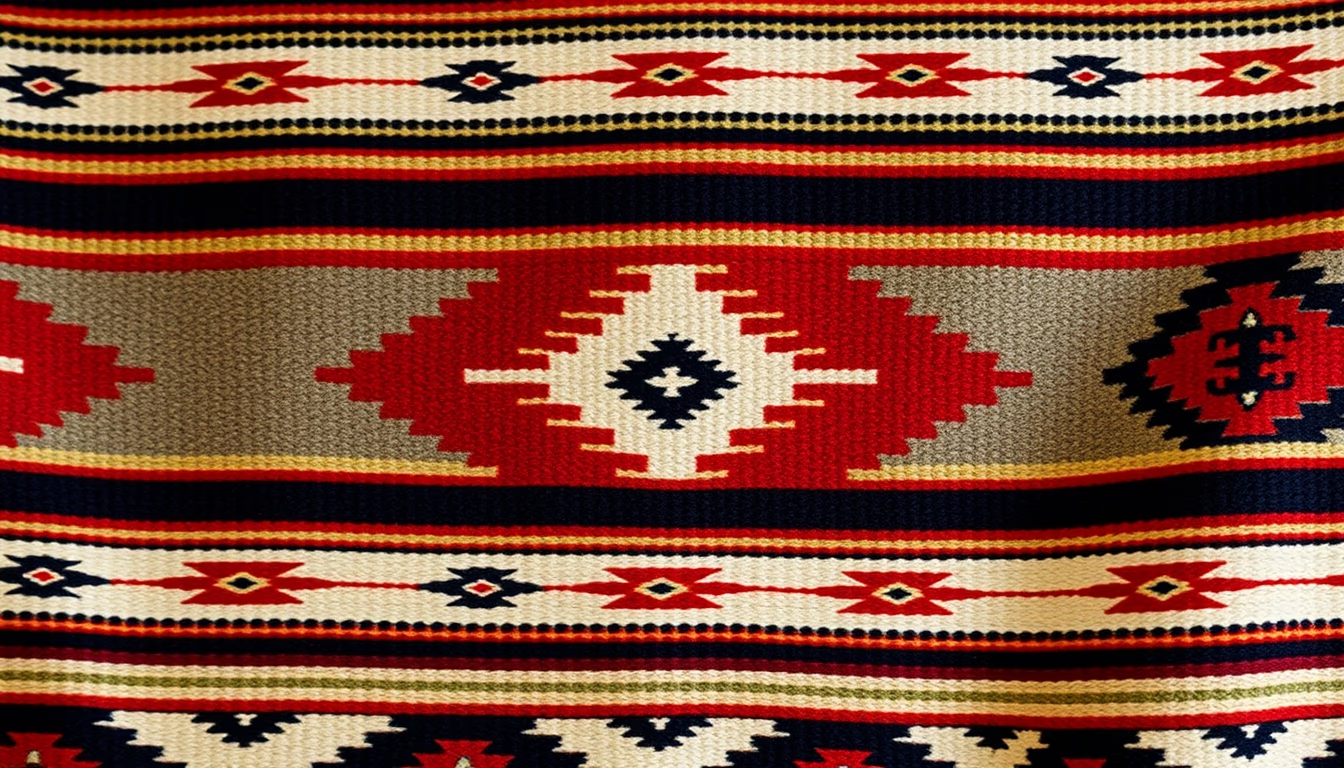
Andean textile vivid
1344×768 · AVIF · CC BY 4.0

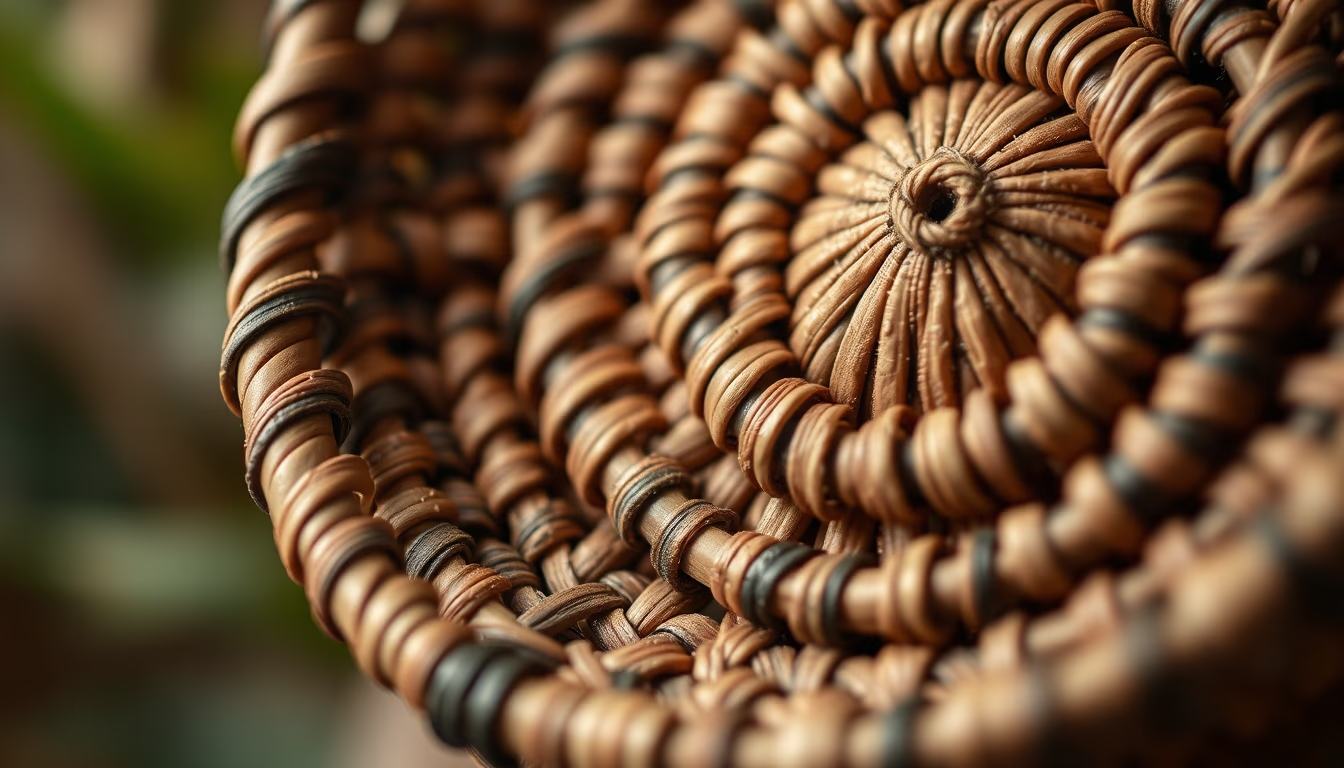
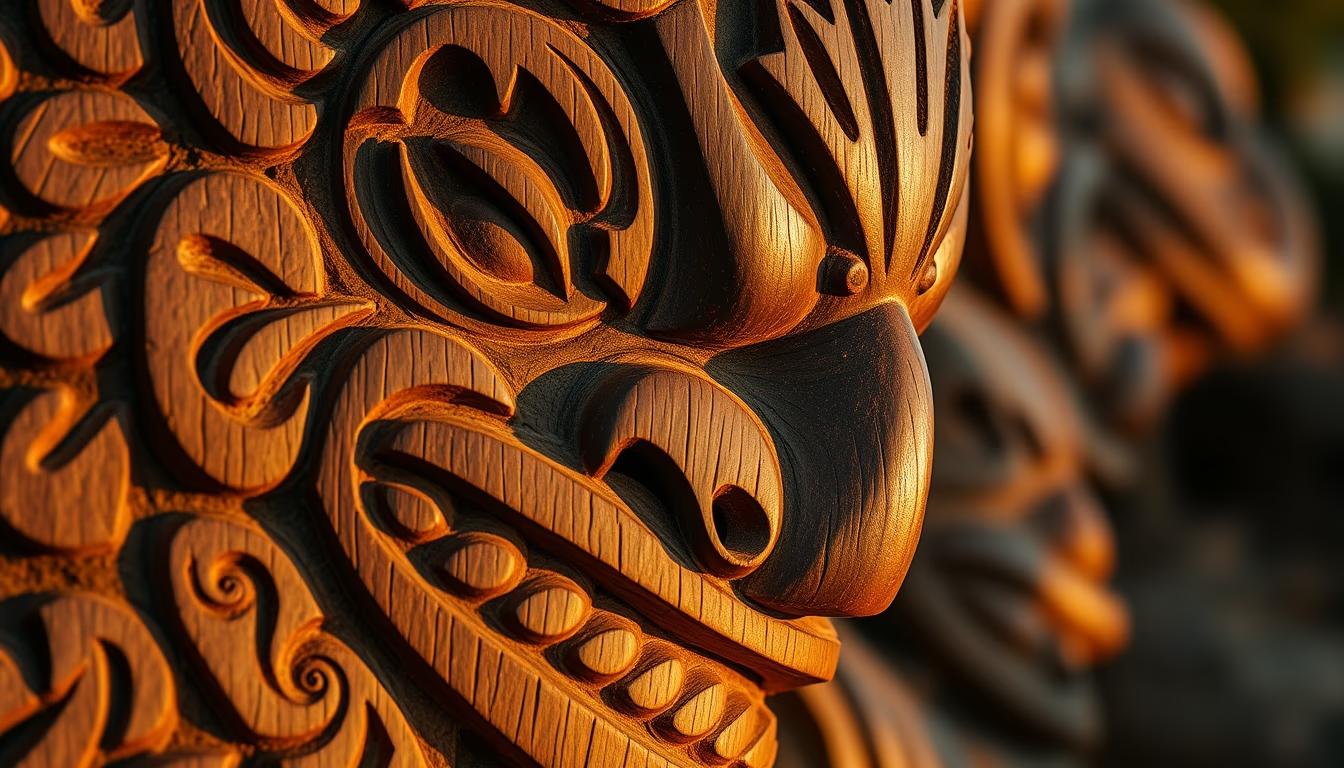
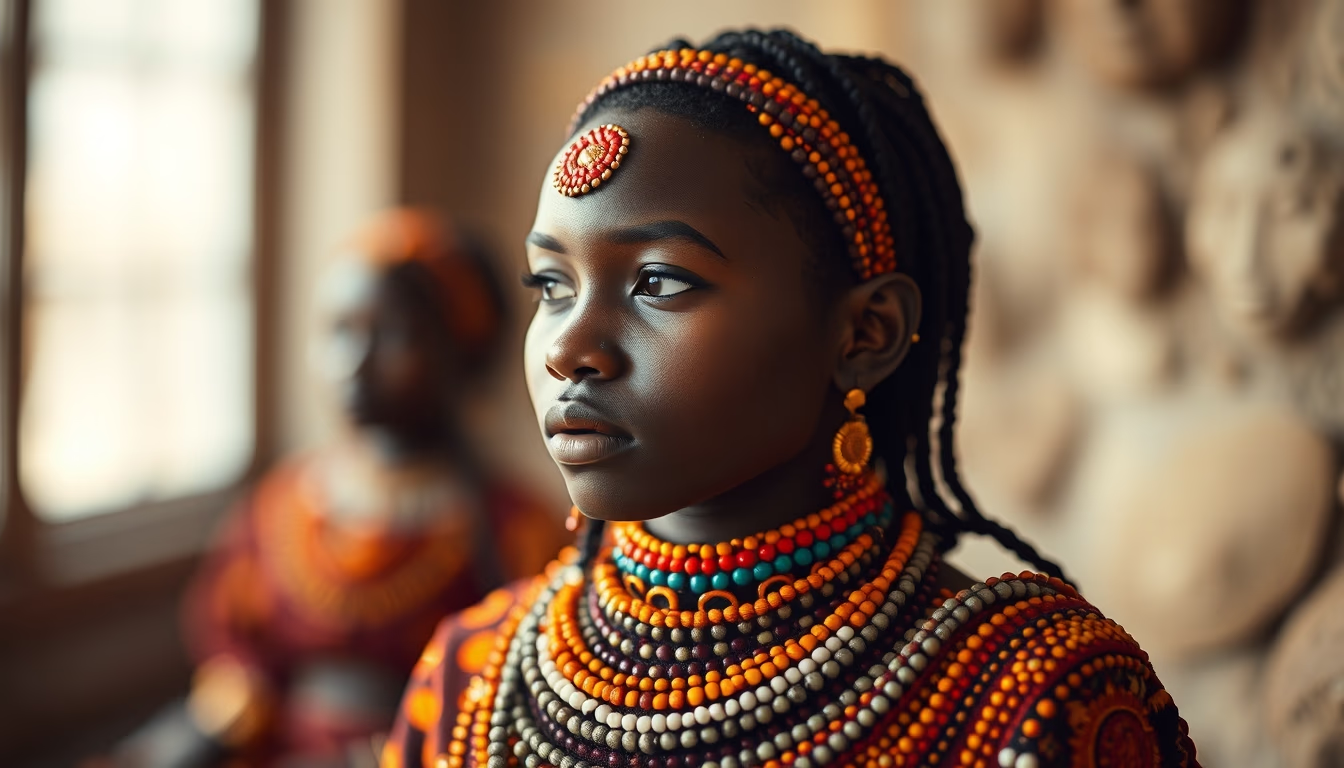
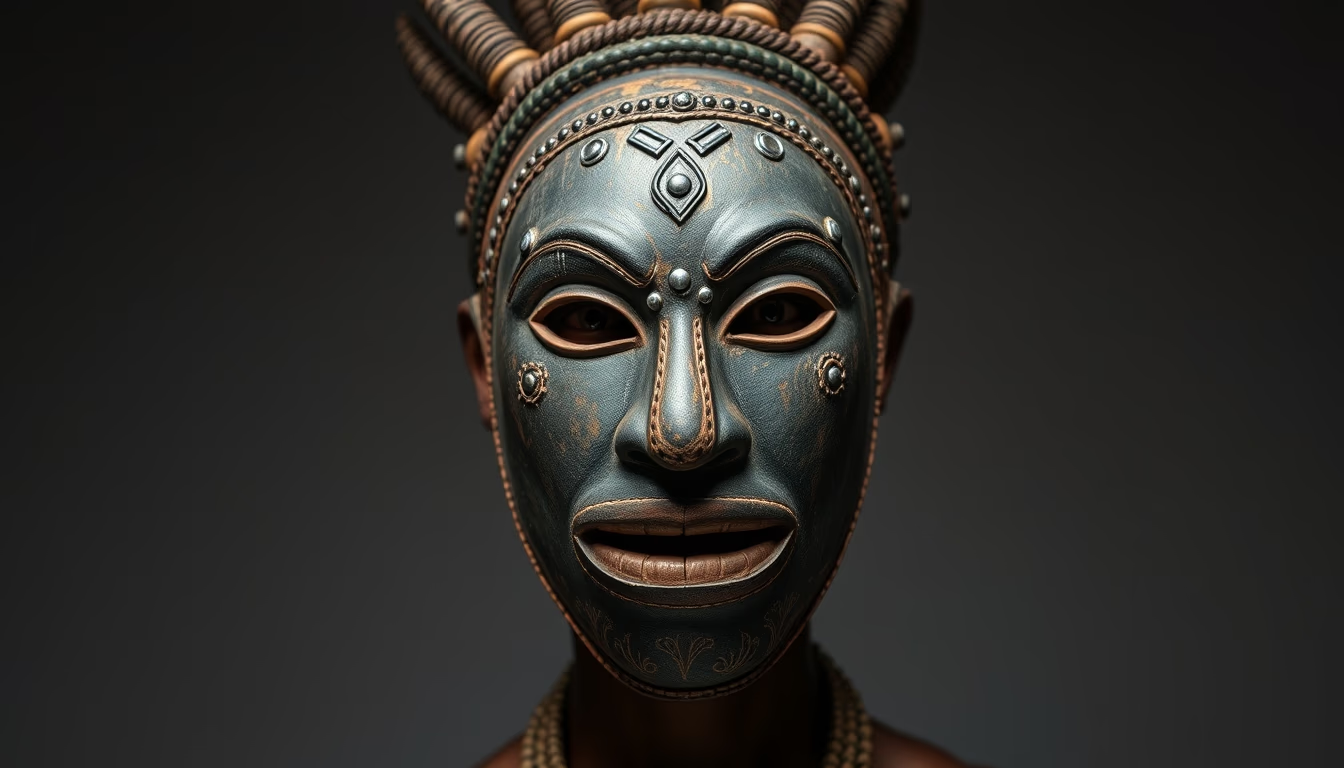
Andean weaving, a millennia-old tradition of the Andean peoples, expresses cultural identity through vibrant colors and geometric patterns.
About this subject
Andean weaving is an ancestral art practiced by indigenous peoples of the Andes, especially in Peru and Bolivia, for over 5,000 years. Using fibers from llama, alpaca, and vicuña, weavers create pieces that carry deep meanings related to the Andean worldview. Each geometric pattern, such as the chakana (Andean cross) or zigzags representing mountains, tells a story or conveys a community value.
The vibrant colors come from natural dyes extracted from plants, minerals, and insects. Red is obtained from cochineal, blue from indigo, yellow from turmeric or the qolle plant. These hues are not merely aesthetic: each color has symbolism associated with Pachamama (Mother Earth) and natural elements. For instance, red refers to life and energy, while green symbolizes fertility.
Today, Andean weaving is recognized by UNESCO as Intangible Cultural Heritage of Humanity (in 2005, the textile art of Taquile, Peru, was inscribed). Many communities maintain traditional techniques, such as the backstrap loom, passed down from generation to generation. Global market demand has brought challenges and opportunities: some artisans adapt designs to suit international tastes while still preserving the cultural essence.
The term "vivid" in the title refers to the chromatic intensity of these textiles, which contrasts with life in the high Andes, an environment of clear skies and austere landscapes. This explosion of color represents cultural resistance and celebration of identity.
Frequently Asked Questions
What makes Andean weaving unique?
Andean weaving is unique for its millennia-old techniques, use of South American camelid fibers and natural dyes, and geometric patterns loaded with cosmological and social symbolism.
How are the colors produced in Andean textiles?
Colors come from natural dyes: red from cochineal insects, blue from indigo, yellow from turmeric or qolle, and green from mixtures. Each color has specific meaning.
What is the cultural importance of Andean textiles today?
They are symbols of identity and cultural resistance, recognized by UNESCO. Many communities depend on this art for livelihood, balancing tradition and market.
Direct URL
https://pub-c7d6a6ea828543ac903a74a341ccb2e1.r2.dev/imagens/andean-textile-vivid-minimalist-composition-fresh18.avifHow to credit
Include a visible link back to UtilizAí. Copy one of the snippets below:
<a href="https://xn--utiliza-eza.com/en/midia/imagens/andean-textile-vivid-minimalist-composition-fresh18">Andean textile vivid</a> by <a href="https://xn--utiliza-eza.com">UtilizAí</a>, licensed under <a href="https://creativecommons.org/licenses/by/4.0/">CC BY 4.0</a>.
[Andean textile vivid](https://xn--utiliza-eza.com/en/midia/imagens/andean-textile-vivid-minimalist-composition-fresh18) by [UtilizAí](https://xn--utiliza-eza.com), CC BY 4.0
License: CC-BY-4.0