Andean textile vivid
1344×768 · AVIF · CC BY 4.0

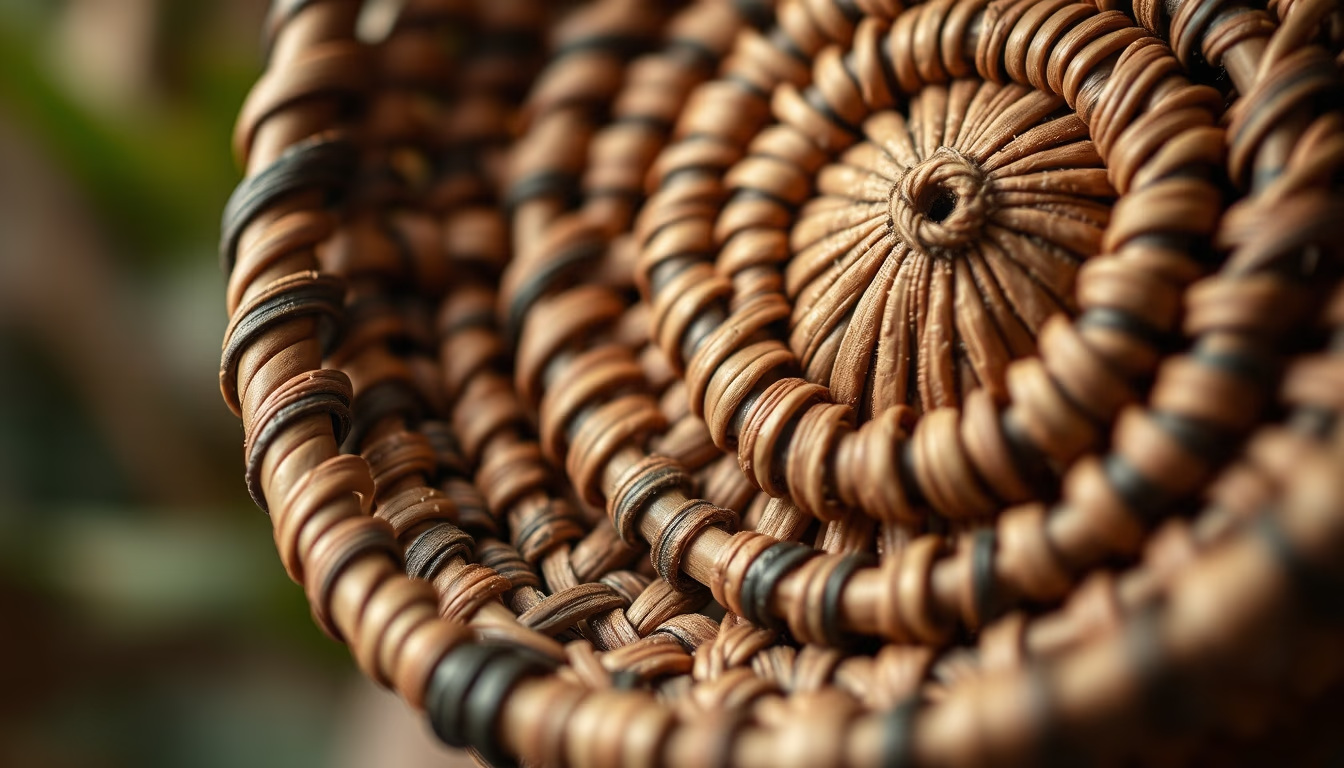
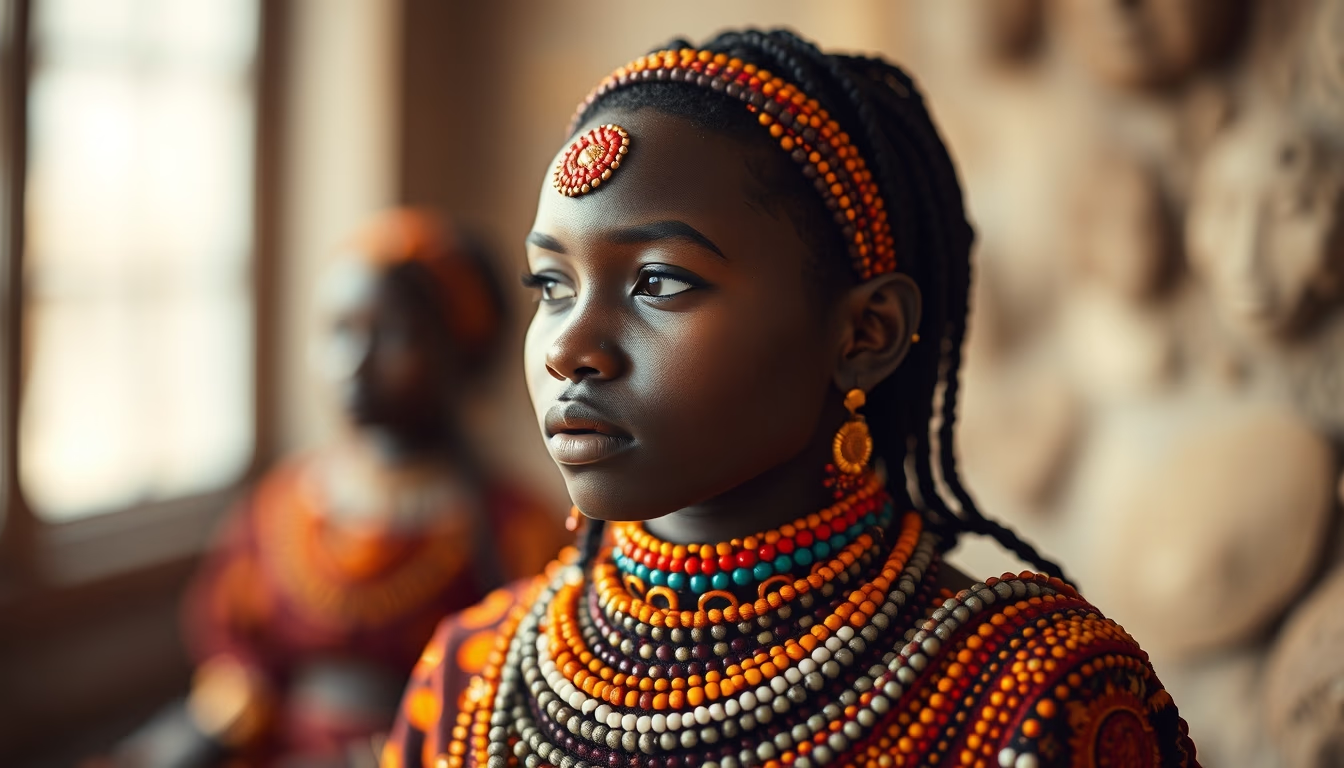
Vibrant and intricate Andean textiles, a millennia-old symbol of indigenous communities in the Andes region.
About this subject
Andean textiles represent one of the oldest and most sophisticated textile traditions in the Americas. Originating from pre-Columbian civilizations such as the Incas, Wari, and Paracas, these textiles have been produced for over 4,000 years. Using natural fibers like llama, alpaca, vicuña wool, and cotton, Andean weavers employ ancient techniques such as the backstrap loom. Dyes are extracted from natural sources: cochineal insects produce vibrant reds, indigo provides deep blues, and plants like chilca and molle yield yellows and greens.
Each geometric or figurative pattern carries symbolic meaning. Zoomorphic motifs, such as birds and felines, represent deities or natural forces. Shamans and leaders wore specific garments for rituals, while common textiles served as clothing and currency. The Cusco region in Peru and the Aymara communities of Bolivia and Chile keep these techniques alive, passed down through generations.
Today, Andean textiles have gained global recognition as contemporary art. UNESCO declared the textile art of Taquile (Peru) as a Masterpiece of the Oral and Intangible Heritage of Humanity. Craft markets in Andean countries sell items ranging from simple blankets to complex rugs and ponchos, preserving cultural identity and generating income for rural communities.
Frequently Asked Questions
What materials are used in Andean textiles?
Andean textiles use natural fibers such as alpaca, llama, vicuña wool, and cotton. Dyes come from plants, insects (cochineal), and minerals.
What is the cultural significance of the patterns?
Each geometric or figurative pattern carries symbolic meaning, representing deities, natural forces, or social status. They serve as visual communication and ethnic identity.
Where can I find authentic Andean textiles?
Authentic Andean textiles are found in artisan markets in Peru, Bolivia, Chile, and Ecuador, especially in Cusco, Puno, and La Paz. There are also cooperatives selling online.
Direct URL
https://pub-c7d6a6ea828543ac903a74a341ccb2e1.r2.dev/imagens/andean-textile-vivid-magazine-editorial-fresh0.avifHow to credit
Include a visible link back to UtilizAí. Copy one of the snippets below:
<a href="https://xn--utiliza-eza.com/en/midia/imagens/andean-textile-vivid-magazine-editorial-fresh0">Andean textile vivid</a> by <a href="https://xn--utiliza-eza.com">UtilizAí</a>, licensed under <a href="https://creativecommons.org/licenses/by/4.0/">CC BY 4.0</a>.
[Andean textile vivid](https://xn--utiliza-eza.com/en/midia/imagens/andean-textile-vivid-magazine-editorial-fresh0) by [UtilizAí](https://xn--utiliza-eza.com), CC BY 4.0
License: CC-BY-4.0