Andean textile vivid
1344×768 · AVIF · CC BY 4.0
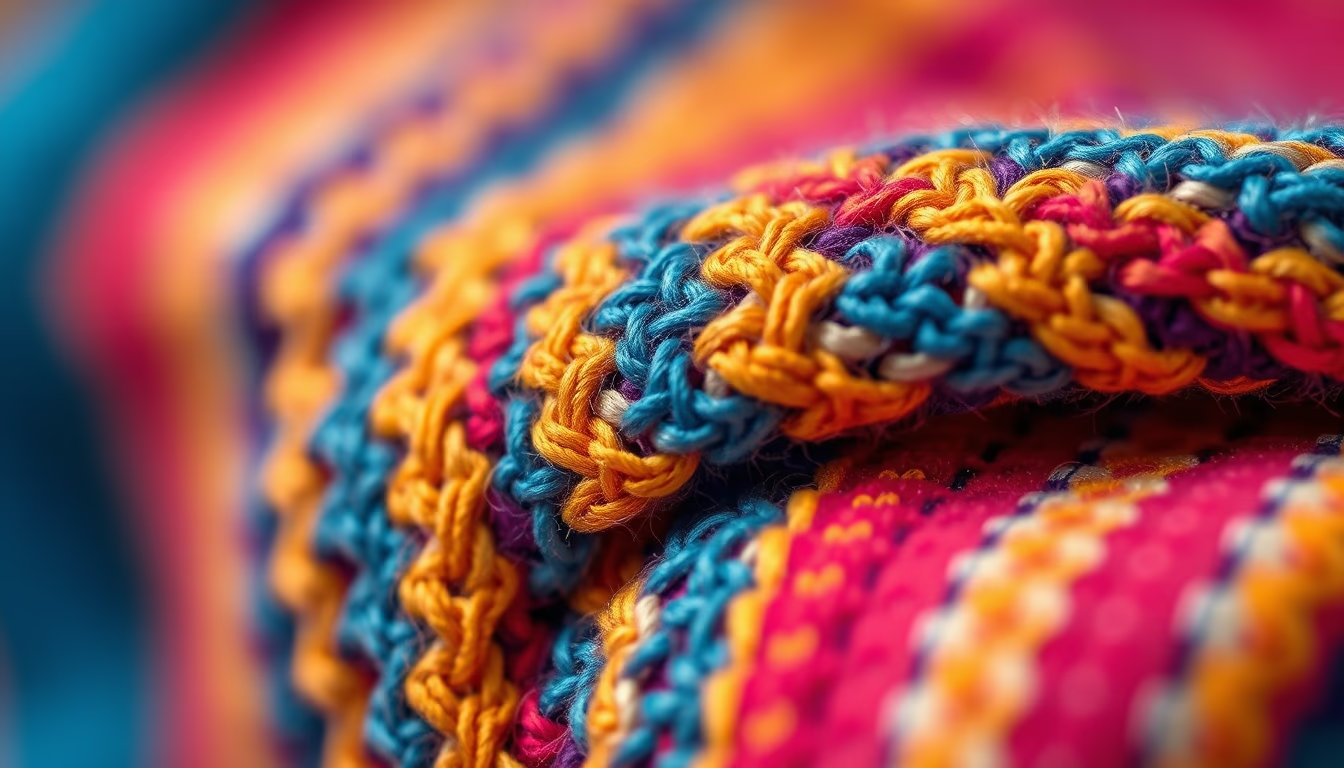
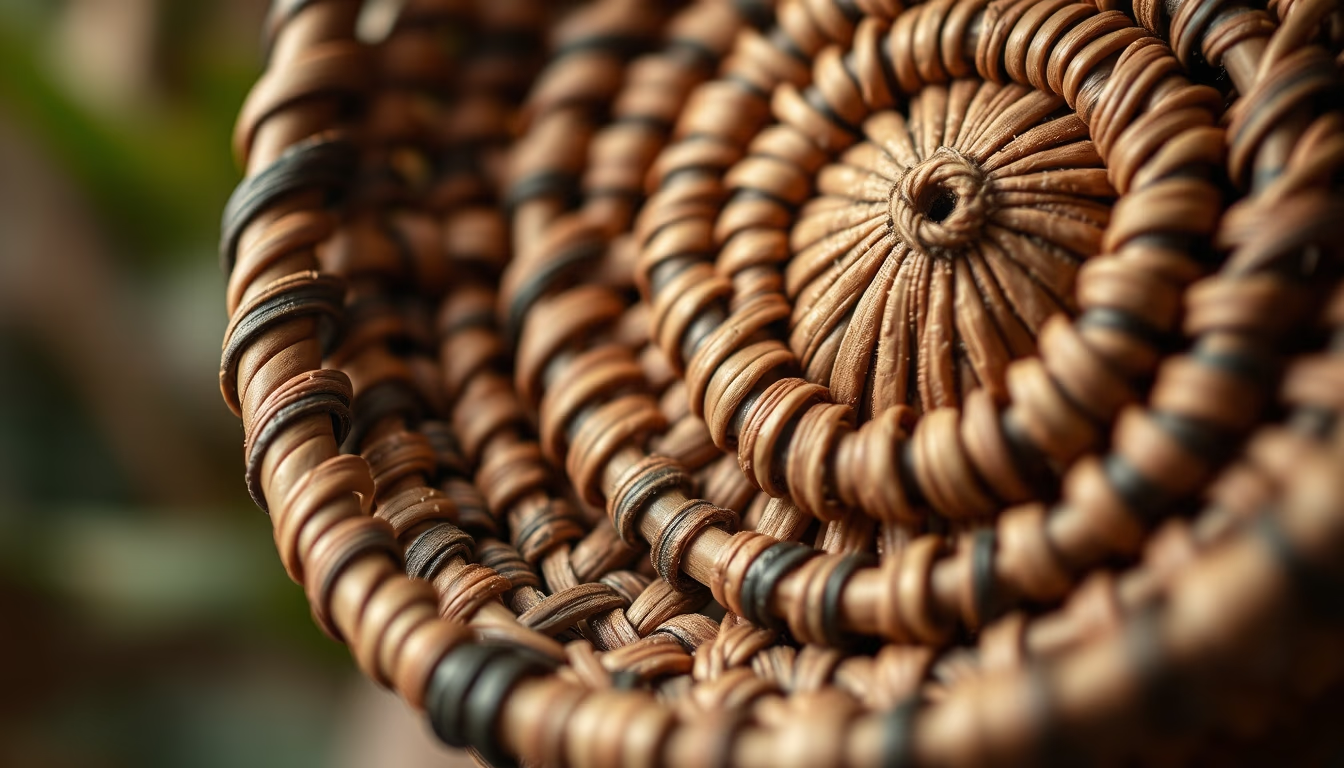
Andean textile displays vibrant colors and traditional geometric patterns, showcasing the ancient weaving mastery of the Andean peoples.
About this subject
Andean textiles are one of the oldest and most sophisticated cultural expressions in South America, with origins dating back over 2000 years. Produced mainly by indigenous communities in Peru, Bolivia, and Ecuador, these fabrics are handwoven on backstrap looms using fibers from llamas, alpacas, and native cotton. The vibrant colors come from natural dyes extracted from plants, minerals, and insects such as cochineal, which yields intense reds. Each piece reflects knowledge passed down through generations, combining functionality and art.
Geometric and figurative patterns carry deep symbolism. Motifs like the Andean cross (chakana), felines, birds, and anthropomorphic beings represent religious and cosmological concepts such as the tripartite division of the world (underworld, terrestrial world, and upper world). During the Inca Empire, textiles were used as currency, tribute, and status markers. Weaving was so valued that there were acllahuasi, houses dedicated to elite female weavers.
Today, the Andean textile tradition is recognized as intangible cultural heritage in several countries. Communities in Cusco, Lake Titicaca, and the sacred valleys maintain artisanal production, selling pieces in local markets and international fairs. The Paracas region in Peru produced the oldest textiles in the Americas, over 2000 years old. Preserving this art faces challenges like industrialization and loss of ancestral knowledge, but sustainable tourism and fair trade projects help value artisans' work.
Frequently Asked Questions
What are Andean textiles?
They are handwoven fabrics made by indigenous peoples of the Andes region, using natural fibers like alpaca wool and cotton, dyed with plant and mineral dyes. The tradition dates back over two thousand years.
What techniques are used in Andean weaving?
The main technique is the backstrap loom, which allows the creation of complex patterns. Pedal looms and dyeing techniques using cochineal and indigo are also common.
Where can I buy authentic Andean textiles?
In artisan markets in Peru, Bolivia, and Ecuador, such as San Pedro Market in Cusco or the Handicraft Fair in La Paz. Also in fair trade online stores.
Direct URL
https://pub-c7d6a6ea828543ac903a74a341ccb2e1.r2.dev/imagens/andean-textile-vivid-macro-closeup-fresh17.avifHow to credit
Include a visible link back to UtilizAí. Copy one of the snippets below:
<a href="https://xn--utiliza-eza.com/en/midia/imagens/andean-textile-vivid-macro-closeup-fresh17">Andean textile vivid</a> by <a href="https://xn--utiliza-eza.com">UtilizAí</a>, licensed under <a href="https://creativecommons.org/licenses/by/4.0/">CC BY 4.0</a>.
[Andean textile vivid](https://xn--utiliza-eza.com/en/midia/imagens/andean-textile-vivid-macro-closeup-fresh17) by [UtilizAí](https://xn--utiliza-eza.com), CC BY 4.0
License: CC-BY-4.0