Andean textile vivid
1344×768 · AVIF · CC BY 4.0
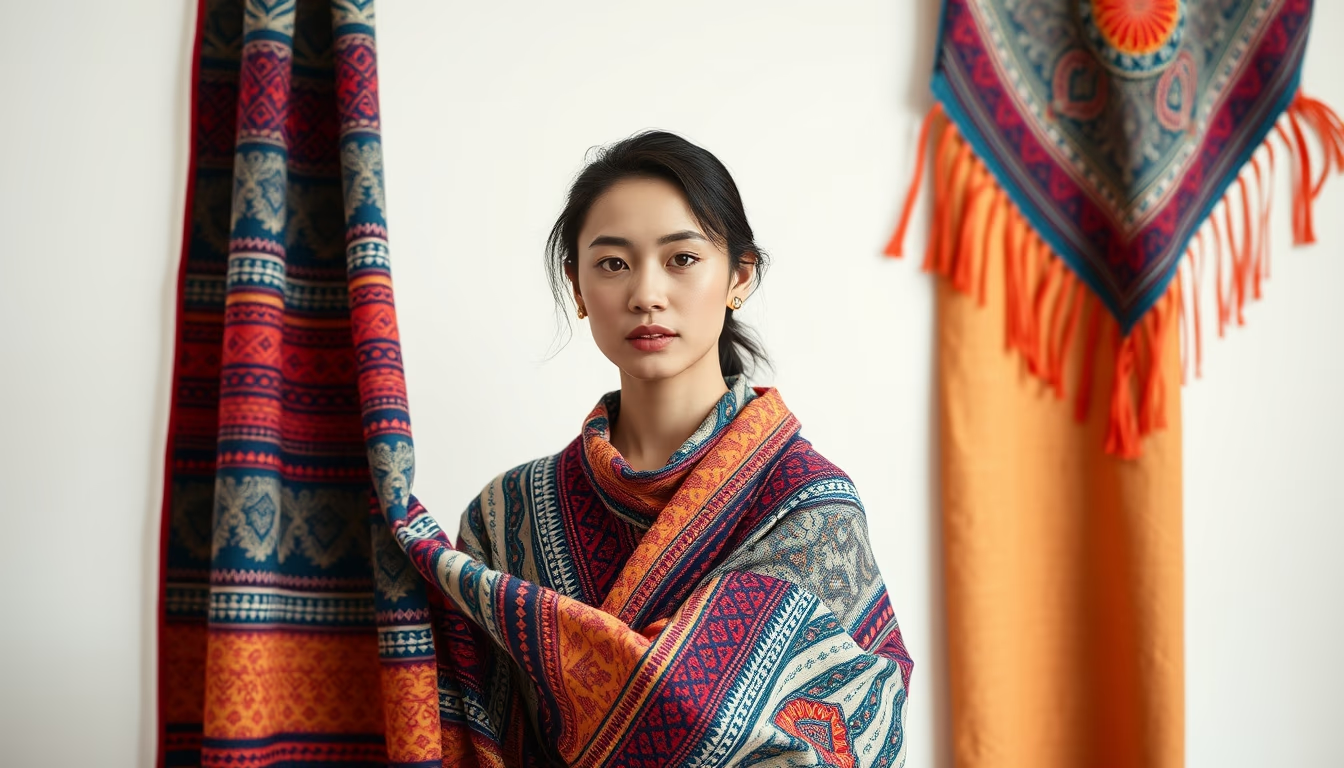
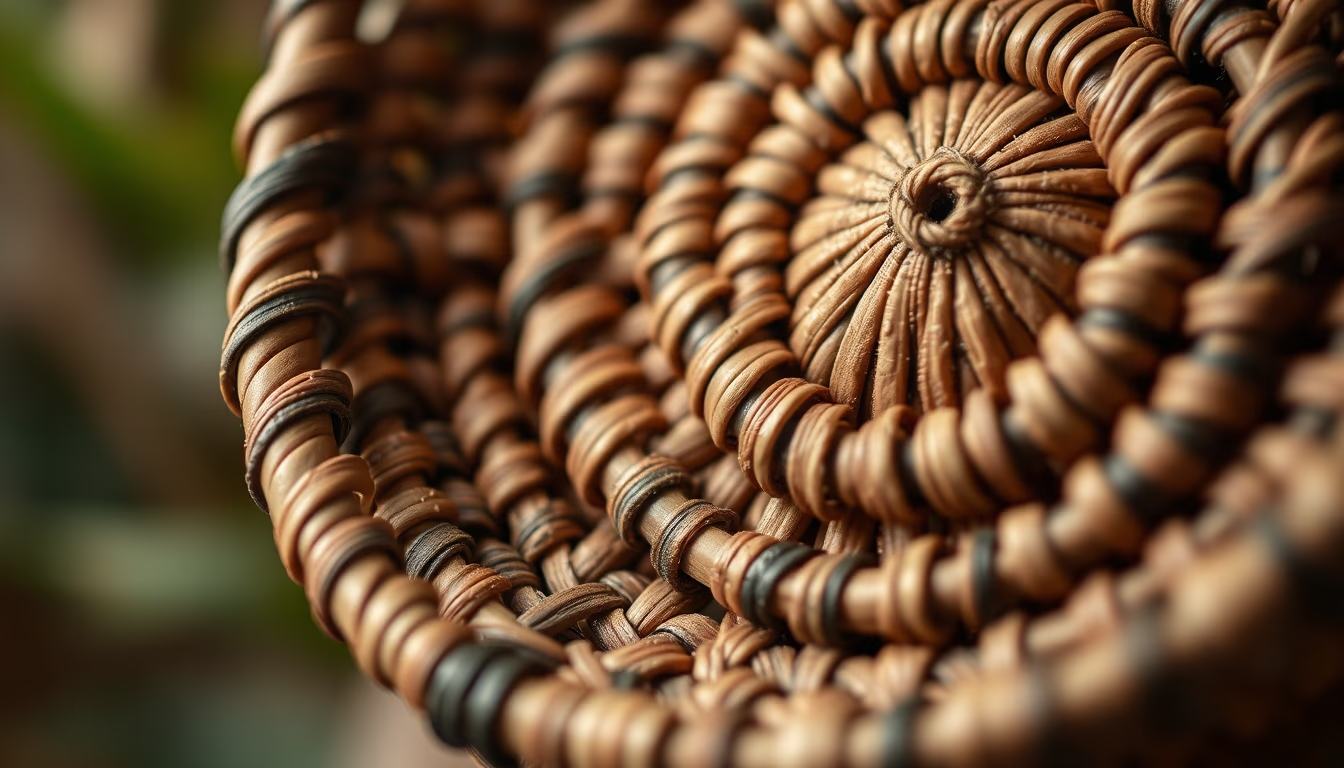
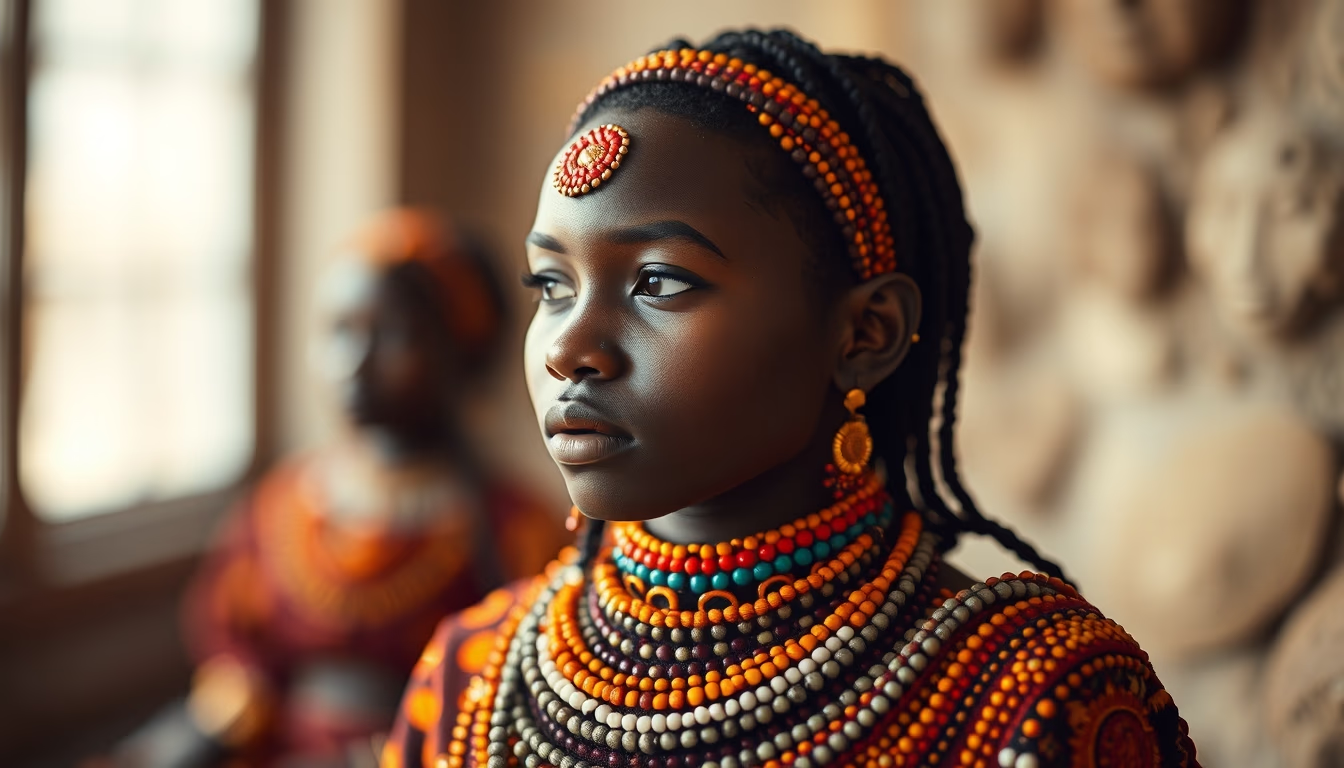
The rich Andean textile tradition, with vibrant colors and symbolic patterns, reflects millennia of ancestral knowledge and cultural identity.
About this subject
Andean textiles are among the oldest forms of cultural expression in the Americas, dating back to pre-Columbian civilizations such as Chavín, Paracas, Nazca, Wari, and Inca. Using fibers from alpaca, vicuña, and llama, along with native cotton, these fabrics were dyed with natural colorants extracted from plants (like indigo and cochineal), minerals, and insects. Techniques such as the backstrap loom and ikat were perfected over centuries and continue to be practiced by communities in the Peruvian, Bolivian, and Ecuadorian Andes.
Each geometric pattern or zoomorphic figure carries deep meaning within the Andean worldview. Figures like the condor, serpent, and feline represent deities and natural forces, while geometric symbols indicate seasons, harvests, or social hierarchies. Textiles were not just clothing but also historical records and status objects, used in rituals and as currency.
Today, indigenous communities maintain this tradition, adapting it to the global market without losing its essence. UNESCO recognized the textile art of Taquile (Peru) as Intangible Cultural Heritage of Humanity. The process involves raising animals, dyeing, and weaving, which can take months for a single piece. These fabrics are valued internationally for their quality and authenticity.
A curiosity: the vibrant red of Andean textiles comes from cochineal, a parasitic insect on cacti, used since pre-Hispanic times. Blue is obtained from indigo, a plant grown in wetter regions. The ikat technique, which dyes threads before weaving, creates patterns with slightly blurred edges, a hallmark of Andean textiles.
Frequently Asked Questions
What makes Andean textiles so distinctive?
The use of noble camelid fibers (alpaca, vicuña, llama), natural dyes from cochineal and indigo, and geometric patterns loaded with millennia-old symbolism reflecting the Andean worldview.
Which materials are traditionally used?
Wool from alpaca, vicuña, and llama, plus native cotton. Colors come from plants (indigo, annatto), insects (cochineal), and minerals (ochre, manganese).
How are these textiles made?
On backstrap or foot looms, using techniques like ikat (tie-dye). The process includes spinning, dyeing, and weaving, often taking months for a complex piece.
Direct URL
https://pub-c7d6a6ea828543ac903a74a341ccb2e1.r2.dev/imagens/andean-textile-vivid-commercial-product-photography-fresh1.avifHow to credit
Include a visible link back to UtilizAí. Copy one of the snippets below:
<a href="https://xn--utiliza-eza.com/en/midia/imagens/andean-textile-vivid-commercial-product-photography-fresh1">Andean textile vivid</a> by <a href="https://xn--utiliza-eza.com">UtilizAí</a>, licensed under <a href="https://creativecommons.org/licenses/by/4.0/">CC BY 4.0</a>.
[Andean textile vivid](https://xn--utiliza-eza.com/en/midia/imagens/andean-textile-vivid-commercial-product-photography-fresh1) by [UtilizAí](https://xn--utiliza-eza.com), CC BY 4.0
License: CC-BY-4.0