Amazonian basketry
1344×768 · AVIF · CC BY 4.0
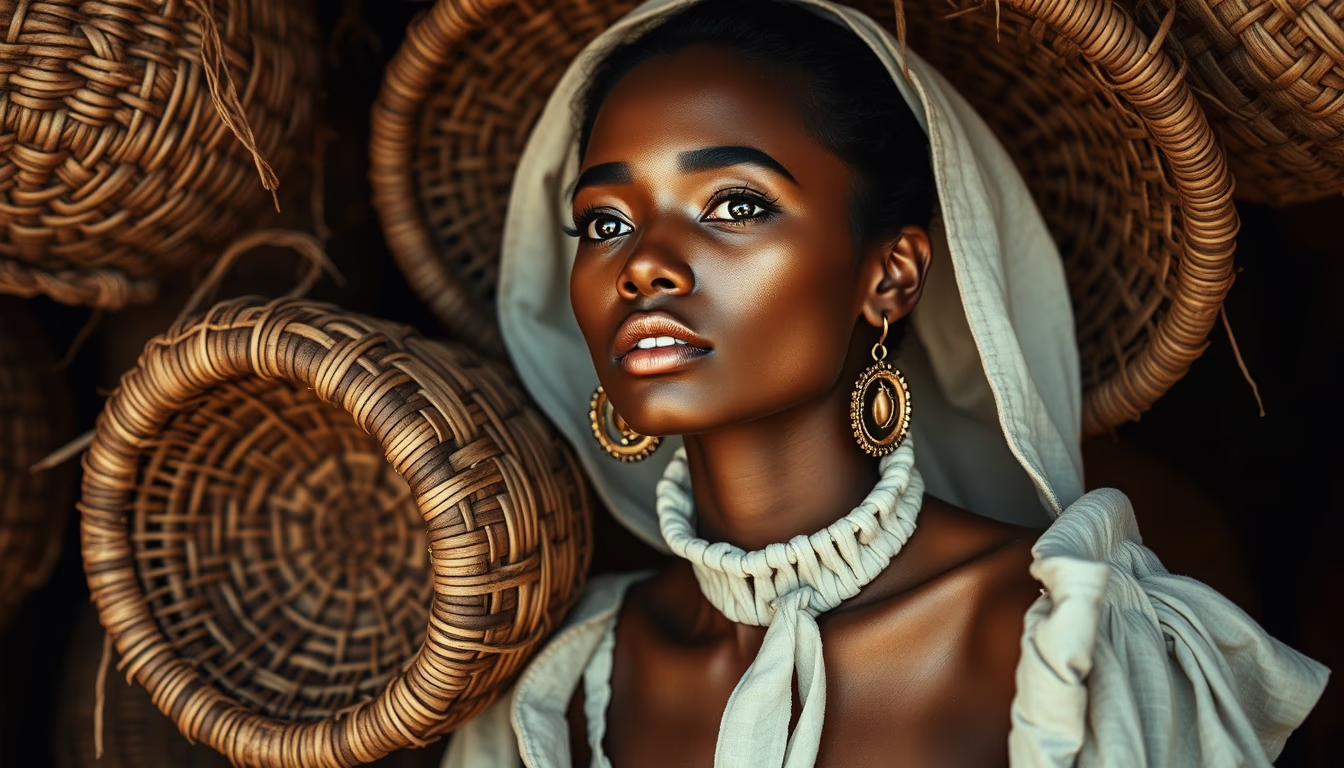
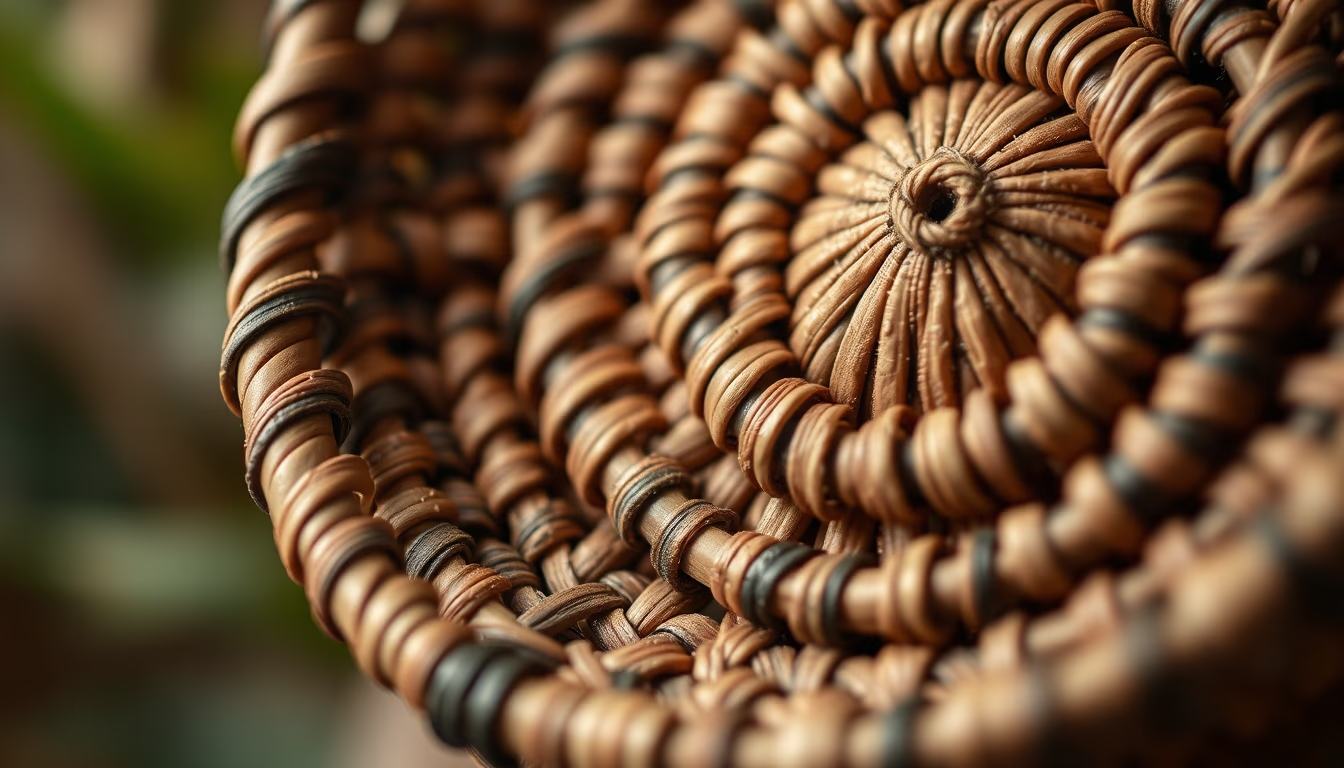
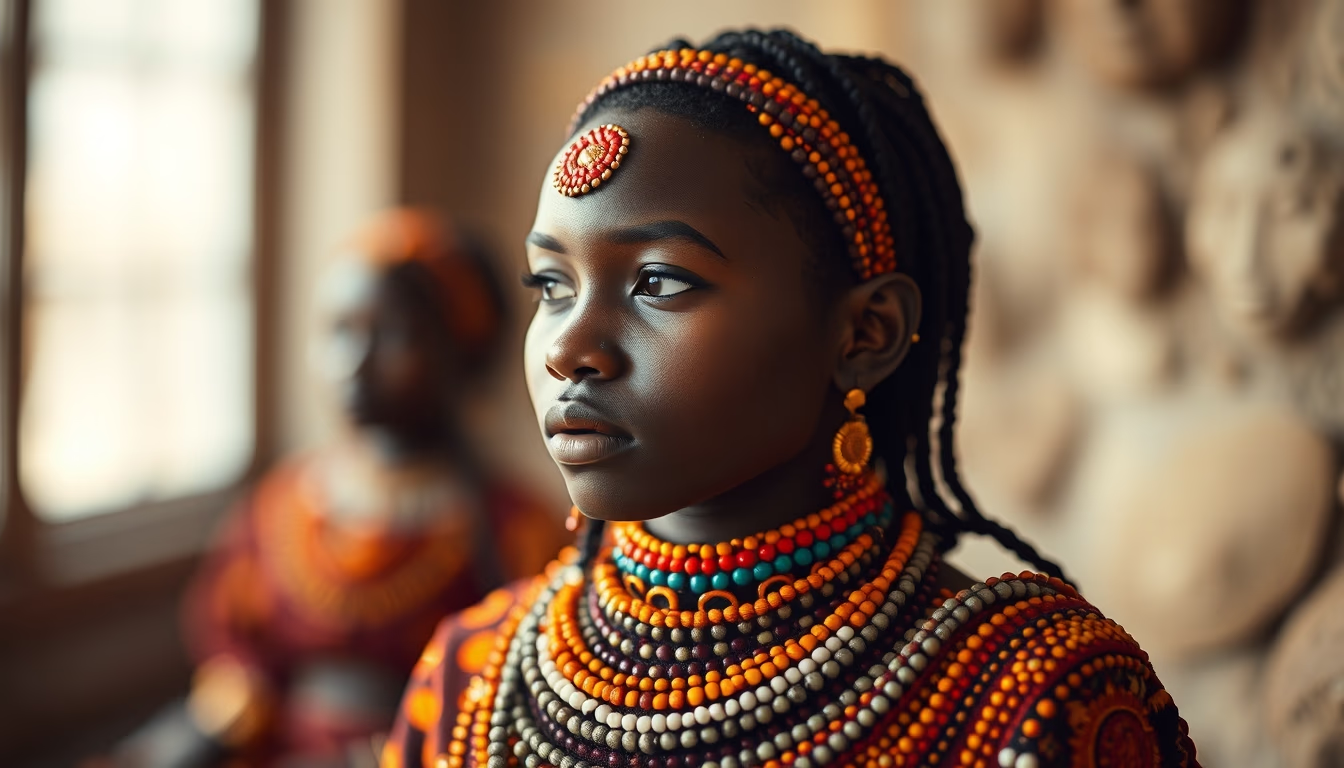
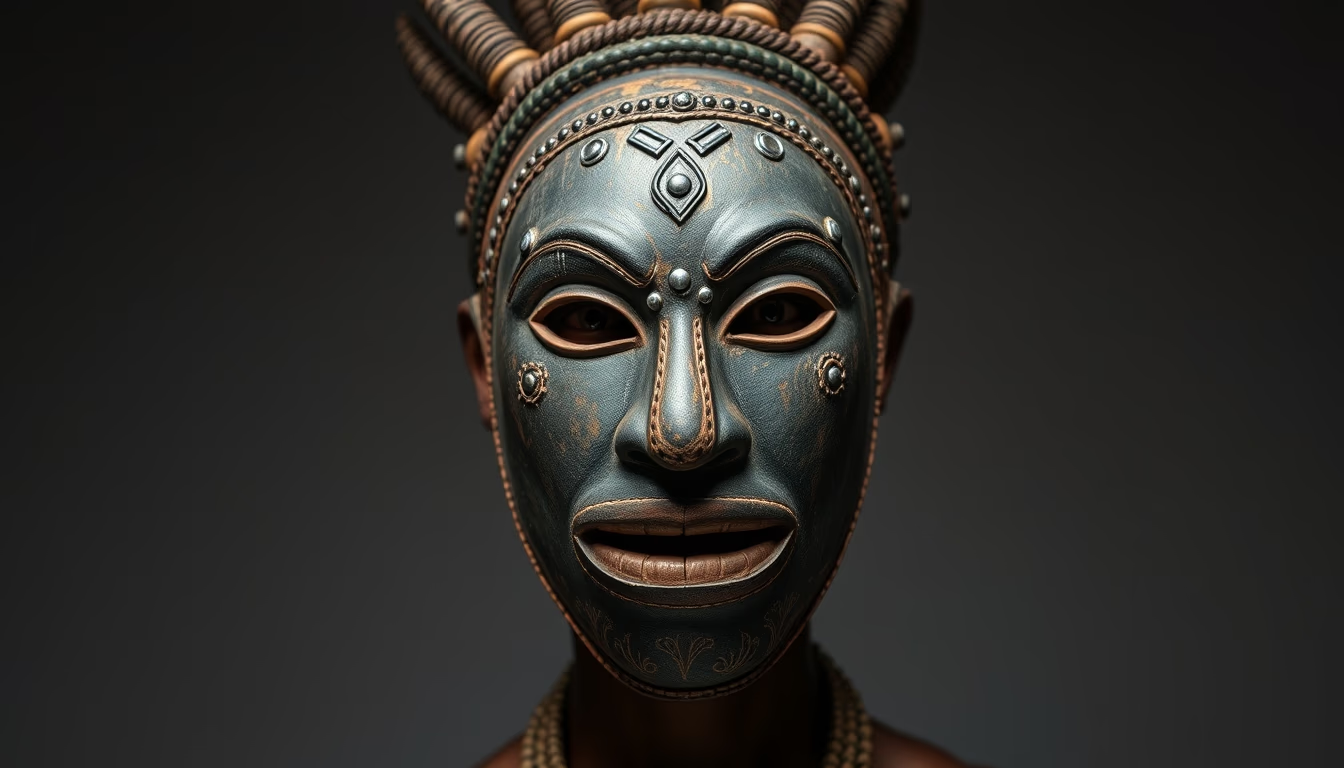
Amazonian basketry blends ancestral weaving techniques with natural fibers, gaining prominence in high fashion as a symbol of sustainability and cultural identity.
About this subject
Amazonian basketry stands as one of the oldest and most sophisticated artistic expressions of the indigenous peoples of the Amazon. Using fibers extracted from palms such as buriti, tucum, arumã, and piaçava, artisans create everything from utilitarian baskets for storage and transport to ceremonial objects and body ornaments. Each ethnic group developed specific weaving techniques, such as coiling, twining, and plaiting, passed down orally across generations. Among the Wauja of the Upper Xingu, for example, basketry is exclusively made by men and features geometric patterns representing myths and natural elements.
In recent decades, Amazonian basketry has transcended its original context and entered the world of high fashion and luxury design. Brazilian and international designers have incorporated woven pieces into dresses, accessories, and handbags, valuing manual techniques and sustainable fibers. Ethical partnerships with indigenous communities ensure that artisans receive fair compensation and recognition for their traditional knowledge. Brand Osklen, for instance, collaborated with the Ashaninka tribe to create fabrics and embroidery inspired by basketry. This approach not only generates income for communities but also helps preserve techniques threatened by deforestation and land loss.
The cultural significance of basketry goes beyond aesthetic appeal. It represents the deep connection of indigenous peoples with the forest, from which they extract raw materials sustainably. Each fiber is harvested at specific times and treated with methods that ensure durability and flexibility. The dyeing process uses natural colorants like annatto, genipap, and saffron, resulting in vibrant hues that vary by region. In the fashion context, Amazonian basketry challenges the industry to rethink its production models, offering an ecological and culturally rich alternative to fast fashion.
Moreover, international visibility strengthens the identity pride of communities and attracts young people to learn the craft. Initiatives like the "Indigenous Basketry" project by the Socioenvironmental Institute train new generations and document traditional techniques. Thus, Amazonian basketry establishes itself as an example of how tradition and innovation can coexist, generating economic and cultural benefits without sacrificing sustainability.
Frequently Asked Questions
What natural fibers are most commonly used in Amazonian basketry?
The most common fibers come from palms such as buriti, tucum, arumã, piaçava, and miriti. Each has specific strength, flexibility, and color properties, chosen according to the object's purpose.
How is Amazonian basketry being incorporated into high fashion?
Designers use traditional weaving techniques to create pieces like dresses, bags, and accessories. Ethical partnerships with indigenous communities ensure that knowledge is valued and artisans are fairly compensated.
What is the cultural importance of basketry for indigenous peoples?
Basketry carries spiritual and cosmological meanings, in addition to being essential for daily activities such as gathering and storage. It is a symbol of identity and cultural resistance, passed down through generations.
Direct URL
https://pub-c7d6a6ea828543ac903a74a341ccb2e1.r2.dev/imagens/amazonian-basketry-high-fashion-editorial-fresh4.avifHow to credit
Include a visible link back to UtilizAí. Copy one of the snippets below:
<a href="https://xn--utiliza-eza.com/en/midia/imagens/amazonian-basketry-high-fashion-editorial-fresh4">Amazonian basketry</a> by <a href="https://xn--utiliza-eza.com">UtilizAí</a>, licensed under <a href="https://creativecommons.org/licenses/by/4.0/">CC BY 4.0</a>.
[Amazonian basketry](https://xn--utiliza-eza.com/en/midia/imagens/amazonian-basketry-high-fashion-editorial-fresh4) by [UtilizAí](https://xn--utiliza-eza.com), CC BY 4.0
License: CC-BY-4.0