Amazonian basketry
1344×768 · AVIF · CC BY 4.0
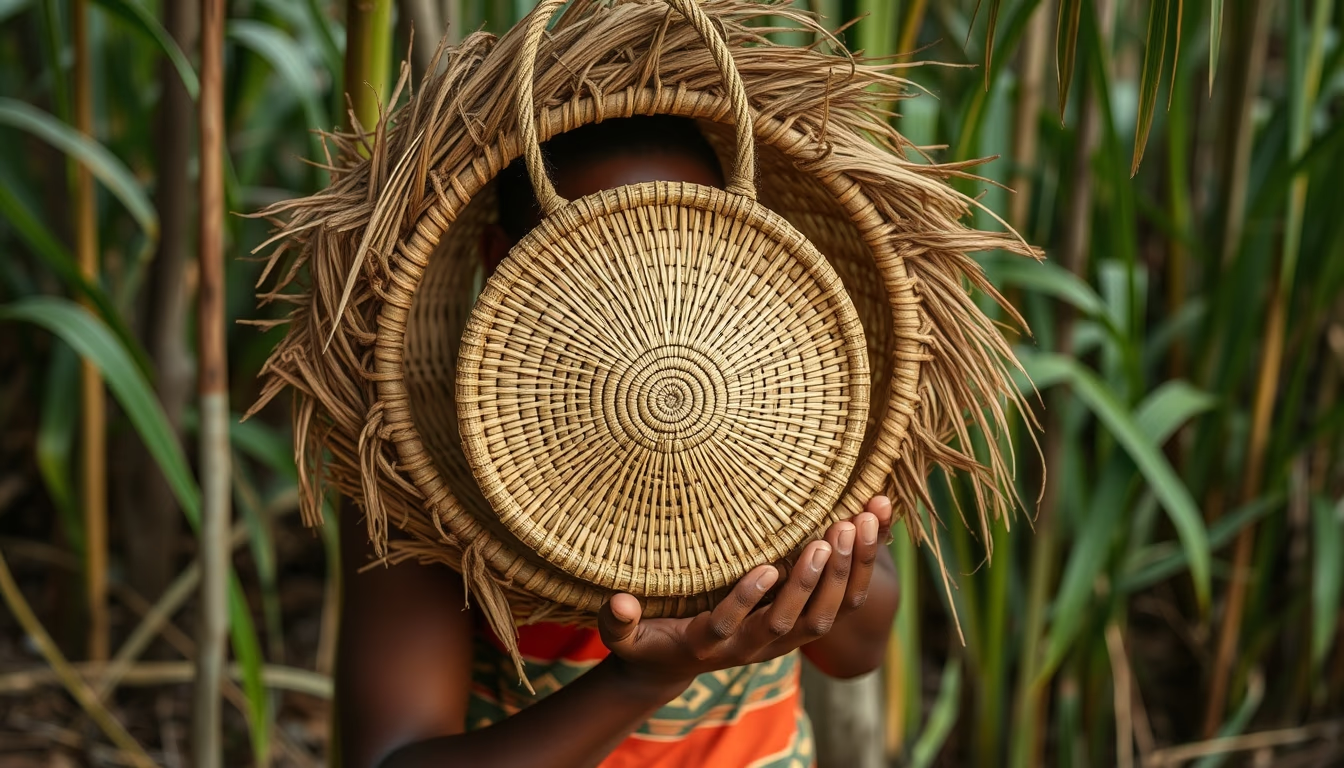
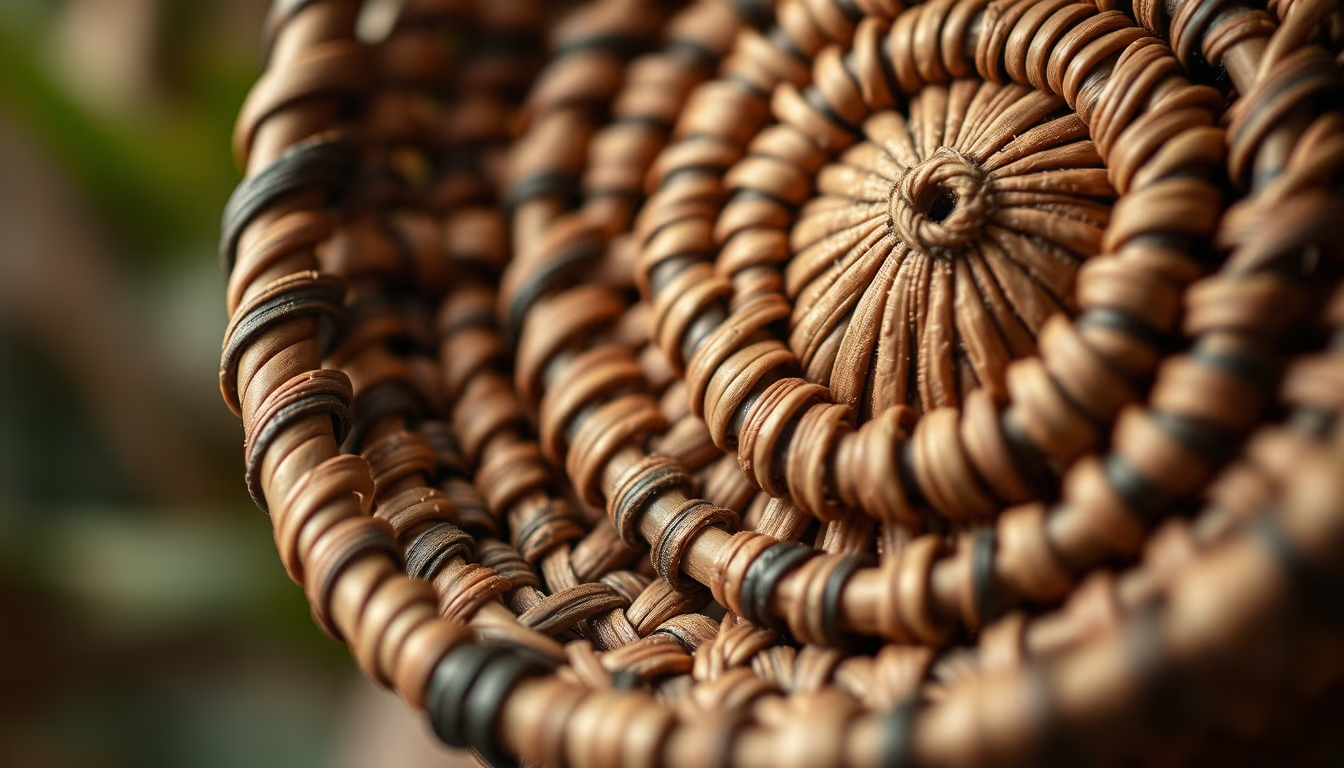
Amazonian basketry, crafted by indigenous peoples such as the Baniwa and Yanomami, uses plant fibers like arumã and buriti in ancient weaving techniques.
About this subject
Amazonian basketry is one of the oldest and most sophisticated craft expressions of the indigenous peoples of the Amazon. Using fibers extracted from palms such as buriti (Mauritia flexuosa) and tucumã (Astrocaryum aculeatum), as well as arumã (Ischnosiphon spp.), artisans create utilitarian and ceremonial objects through techniques like twining, coiling, and plaiting. Each ethnic group has developed specific patterns and shapes, often carrying symbolic meanings linked to local cosmology. For example, the baskets of the Wauja people from the Upper Xingu are known for their geometric designs representing animals and spiritual entities.
The production of basketry involves deep knowledge of plant cycles and fiber properties. Arumã, for instance, is harvested during the dry season and then treated with water and natural dyes such as genipap and annatto to achieve various colors. Pieces can take days or weeks to complete, depending on complexity. Besides baskets and hampers, artisans make fans, sieves, mats, and even tipitis (utensils for squeezing cassava). These objects not only serve practical daily needs but are also used in rituals, where baskets carry offerings or serve as adornments.
Amazonian basketry has gained international recognition as intangible cultural heritage. In Brazil, the National Institute of Historic and Artistic Heritage (IPHAN) has already registered the basketry techniques of the Wauja and Baniwa peoples. The skill is transmitted orally across generations, usually from mother to daughter or grandfather to grandson. In recent years, selling these pieces at craft fairs and online platforms has generated income for communities while boosting tradition preservation. However, deforestation and predatory exploitation of natural resources threaten the availability of fibers, endangering the continuity of this ancestral knowledge.
Frequently Asked Questions
What materials are used in Amazonian basketry?
The main materials are plant fibers such as arumã (from the Marantaceae family), buriti, tucumã, and vines. Fibers are dyed with natural colorants extracted from plants like genipap and annatto.
How are basketry techniques passed down among indigenous peoples?
Transmission occurs orally, from generation to generation, usually within the family. Children learn by watching and practicing with elders, a process that strengthens cultural and community bonds.
What is the cultural importance of basketry for Amazonian communities?
Beyond its utilitarian function, basketry carries symbolism, patterns, and stories that represent each ethnic group's identity. It is used in rituals, as a trade object, and as a source of sustainable income.
Direct URL
https://pub-c7d6a6ea828543ac903a74a341ccb2e1.r2.dev/imagens/amazonian-basketry-documentary-nature-style-fresh3.avifHow to credit
Include a visible link back to UtilizAí. Copy one of the snippets below:
<a href="https://xn--utiliza-eza.com/en/midia/imagens/amazonian-basketry-documentary-nature-style-fresh3">Amazonian basketry</a> by <a href="https://xn--utiliza-eza.com">UtilizAí</a>, licensed under <a href="https://creativecommons.org/licenses/by/4.0/">CC BY 4.0</a>.
[Amazonian basketry](https://xn--utiliza-eza.com/en/midia/imagens/amazonian-basketry-documentary-nature-style-fresh3) by [UtilizAí](https://xn--utiliza-eza.com), CC BY 4.0
License: CC-BY-4.0