African tribal mask
1344×768 · AVIF · CC BY 4.0
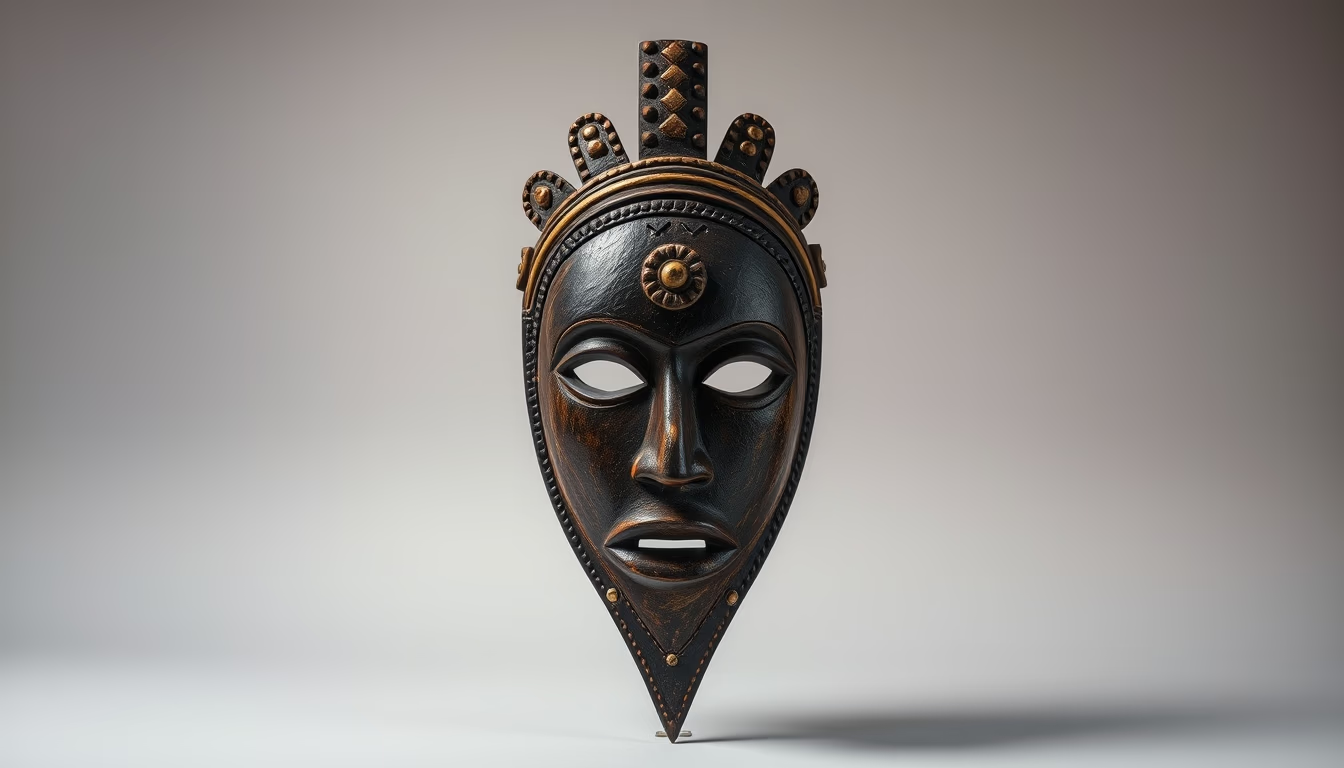
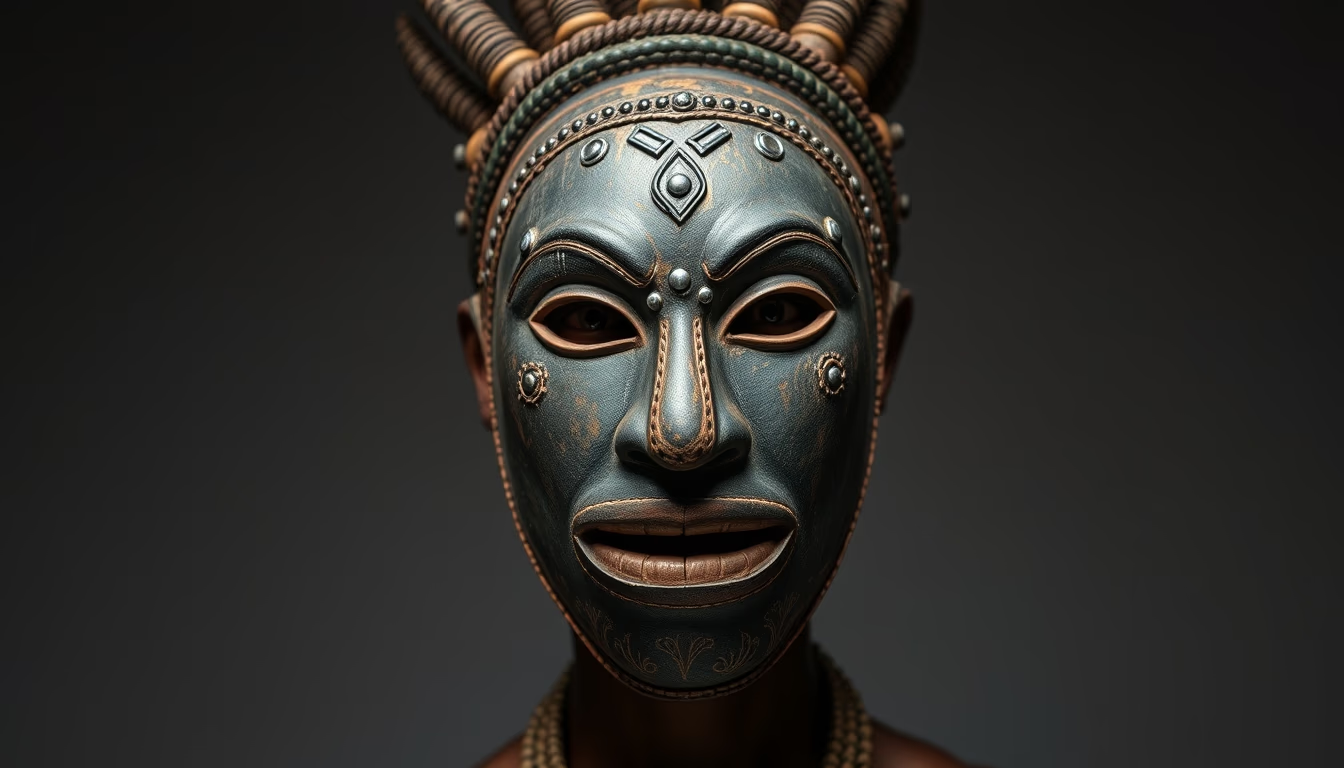
African tribal masks are ceremonial artifacts with deep spiritual meaning, used in rites of passage and communication with ancestors.
About this subject
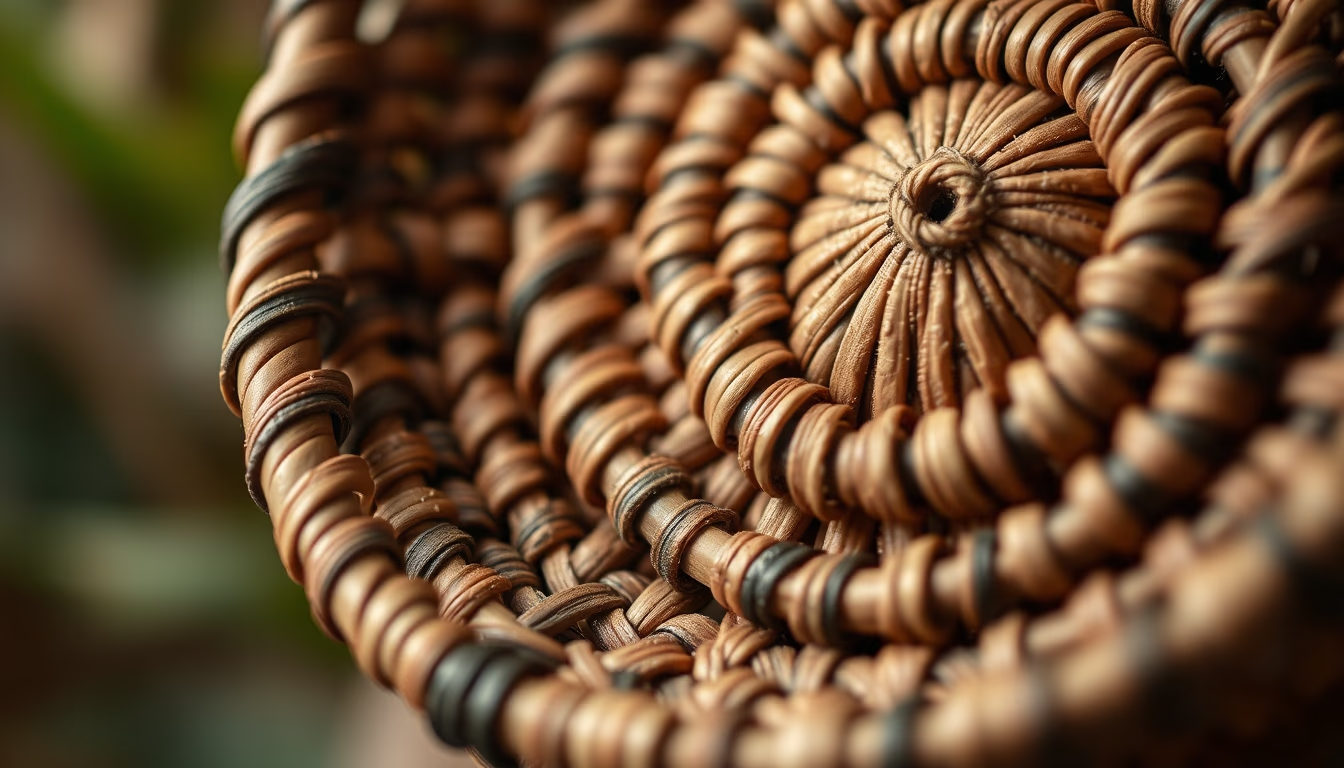
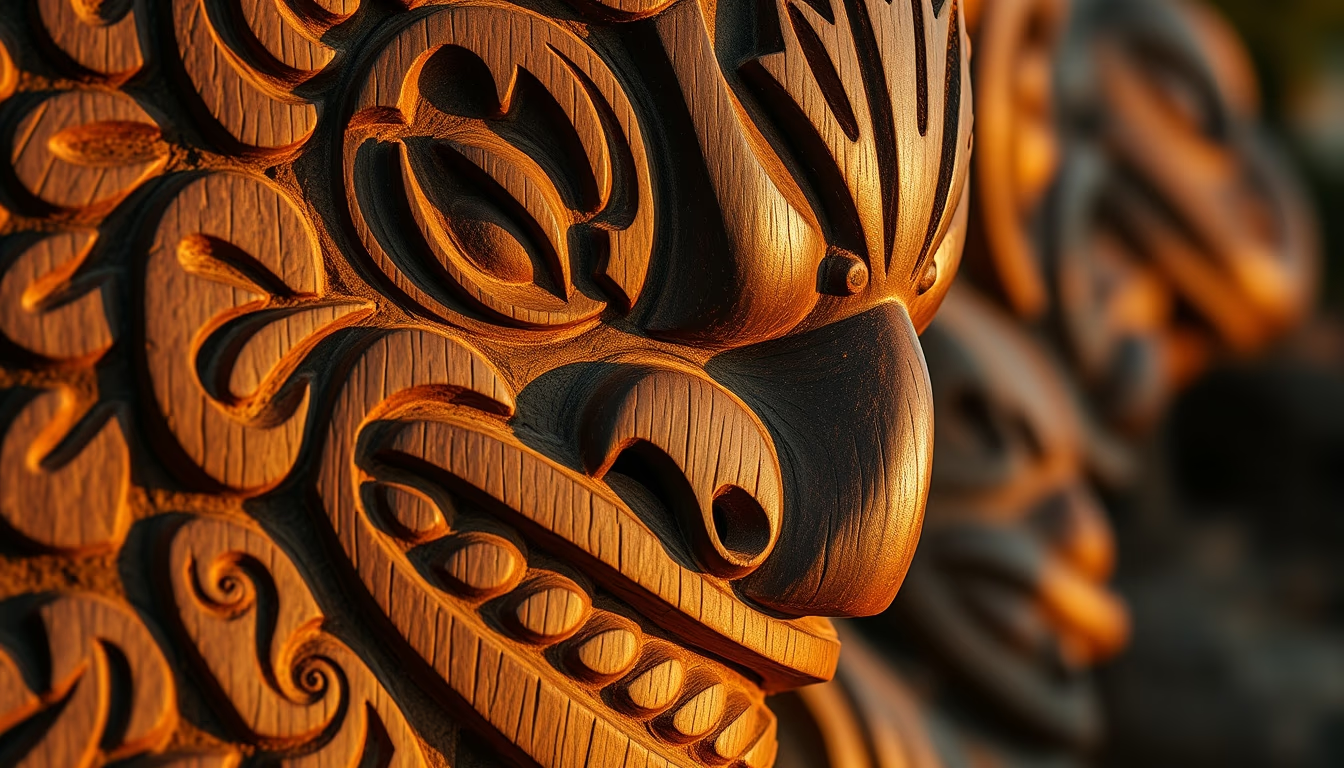
African tribal masks play a central role in the cultures of the continent, especially in West and Central Africa. They are not mere decorative objects but sacred instruments in religious rituals, funerals, initiations, and agricultural festivals. Each mask carries a unique symbolism, representing nature spirits, ancestors, or deities. Materials vary by region: wood, ivory, fabric, plant fibers, metals, and even human skulls in some traditions.
The making of a mask is a ritualized process, often performed by specialized sculptors who follow strict rules of purity and offerings. Among the Dogon people of Mali, Kanaga masks are used in Dama dances to guide the souls of the deceased. The Baoulé of Ivory Coast create Goli masks with large horns to represent the force of nature. In the Baga culture of Guinea, the Nimba mask symbolizes female fertility and is carved with protruding breasts and an elongated head.
The influence of African masks on modern Western art is remarkable. Artists like Pablo Picasso and Henri Matisse were inspired by the expressionist aesthetic and abstraction of these pieces, contributing to the development of Cubism and Fauvism. Today, many original masks are in European and American museums, but there is a growing movement of repatriation and appreciation for local craftsmanship. UNESCO recognizes the importance of these traditions, such as the Yoruba mask dance classified as Intangible Cultural Heritage.
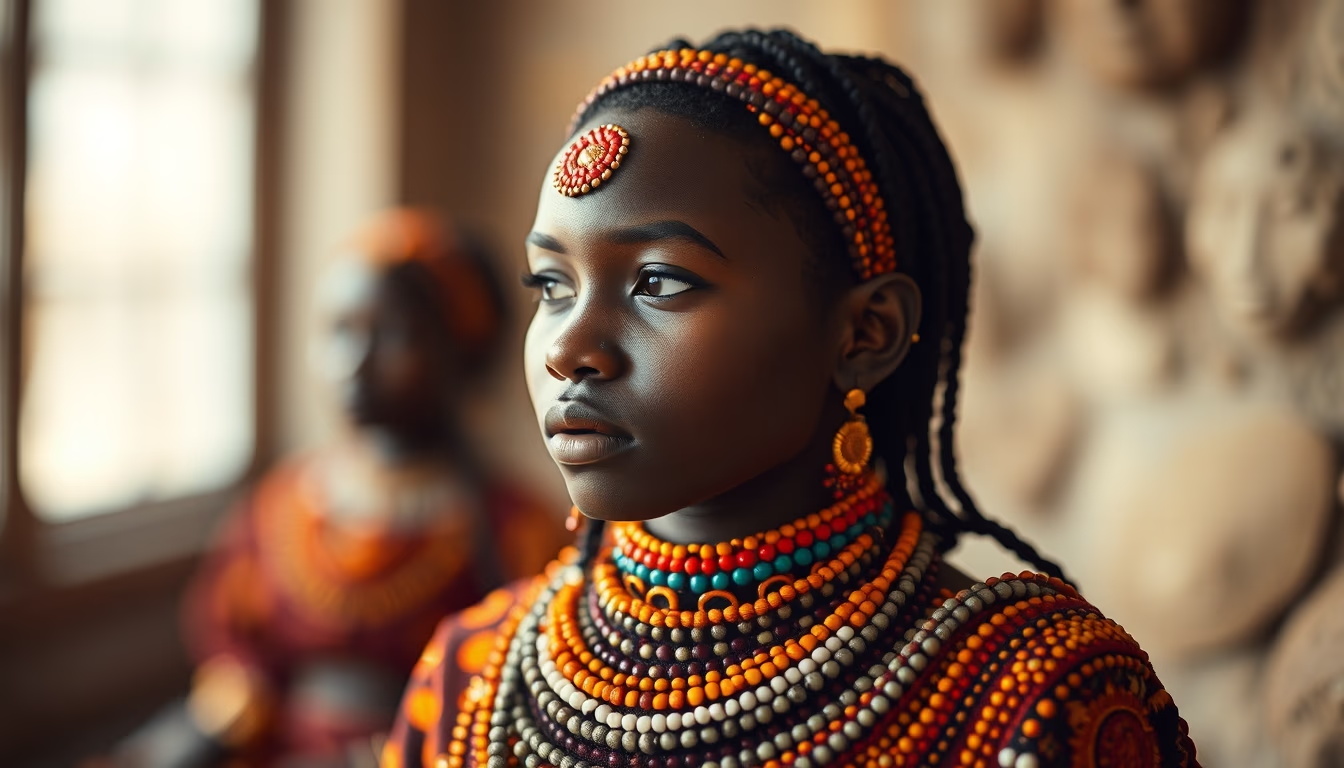
Interestingly, each mask has a specific name and choreography. The dancer who wears it believes they embody the represented spirit, entering a trance during the performance. The colors and geometric patterns are not random: red symbolizes life and power, black represents mystery and death, and white is associated with purity and ancestors. Even with modernization, these practices persist in rural and urban communities, adapting to new realities without losing their essence.
Frequently Asked Questions
What is the spiritual meaning of African tribal masks?
Masks are used to establish communication with the spirit world, representing ancestors, deities, or forces of nature. During rituals, the dancer embodies the spirit of the mask, mediating between the living and the dead.
What materials are traditional African masks made from?
Common materials include wood, ivory, fabric, plant fibers, metals like copper and brass, and occasionally human skulls or bones. The choice depends on the region and the ceremonial purpose of the mask.
Are African masks used only in religious rituals?
Not exclusively. They also appear in agricultural festivals, harvest celebrations, youth initiations, funerals, and even entertainment contexts. Each mask has a specific function within the community.
Direct URL
https://pub-c7d6a6ea828543ac903a74a341ccb2e1.r2.dev/imagens/african-tribal-mask-studio-still-life-fresh10.avifHow to credit
Include a visible link back to UtilizAí. Copy one of the snippets below:
<a href="https://xn--utiliza-eza.com/en/midia/imagens/african-tribal-mask-studio-still-life-fresh10">African tribal mask</a> by <a href="https://xn--utiliza-eza.com">UtilizAí</a>, licensed under <a href="https://creativecommons.org/licenses/by/4.0/">CC BY 4.0</a>.
[African tribal mask](https://xn--utiliza-eza.com/en/midia/imagens/african-tribal-mask-studio-still-life-fresh10) by [UtilizAí](https://xn--utiliza-eza.com), CC BY 4.0
License: CC-BY-4.0