African tribal mask
1344×768 · AVIF · CC BY 4.0
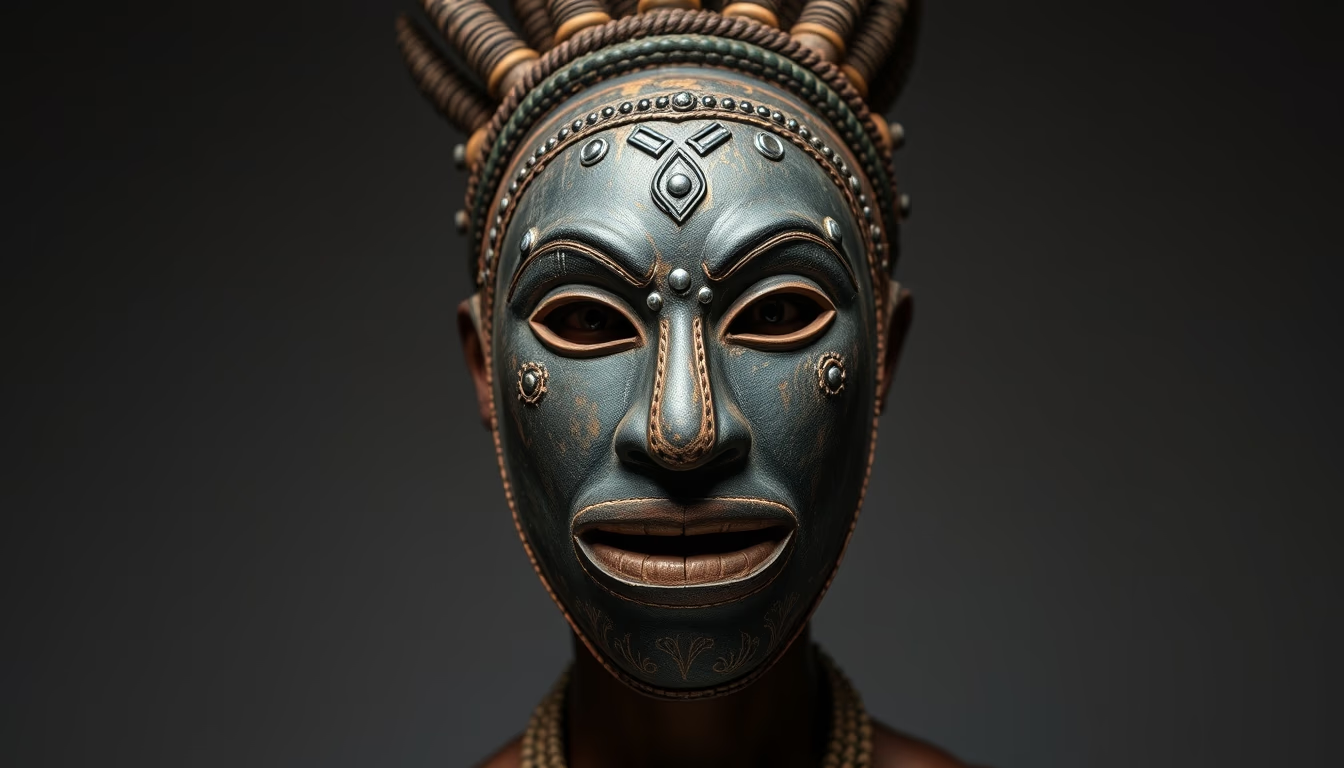
African tribal masks are ritual artifacts with deep spiritual meaning, used in initiation ceremonies, funerals, and festivals across various ethnic groups on the continent.
About this subject
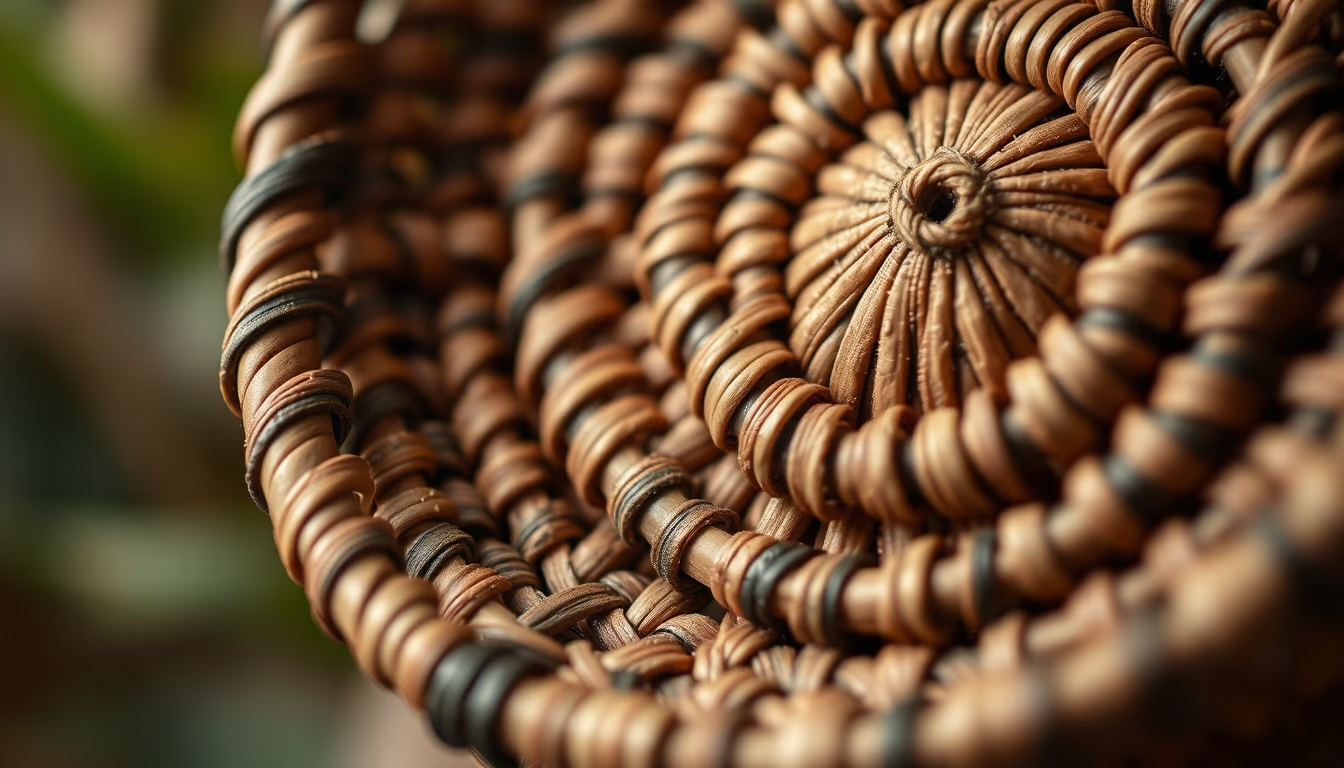
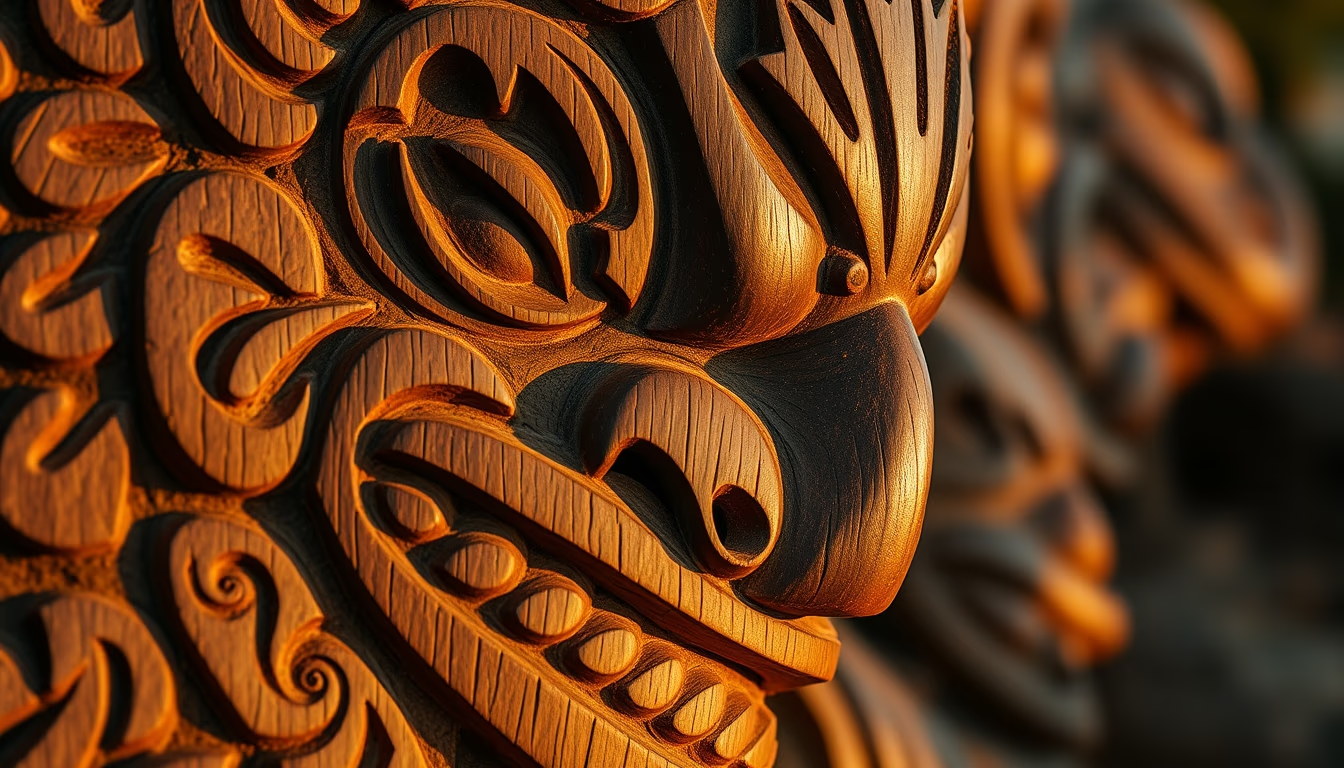
African tribal masks are among the most iconic forms of art and spirituality on the continent. Each mask is hand-carved by specialized artisans, usually from wood but also from ivory, bronze, or fabric, and carries specific symbolism according to the ethnic group. Among the Dogon people of Mali, Kanaga masks are used in funeral rituals to guide the souls of the dead. The Bwa of Burkina Faso create leaf and fiber masks during agricultural festivals to honor nature spirits. The mask is not merely decorative: it transforms the wearer into an intermediary between the human and supernatural worlds, often during sacred dances accompanied by drums and chants.
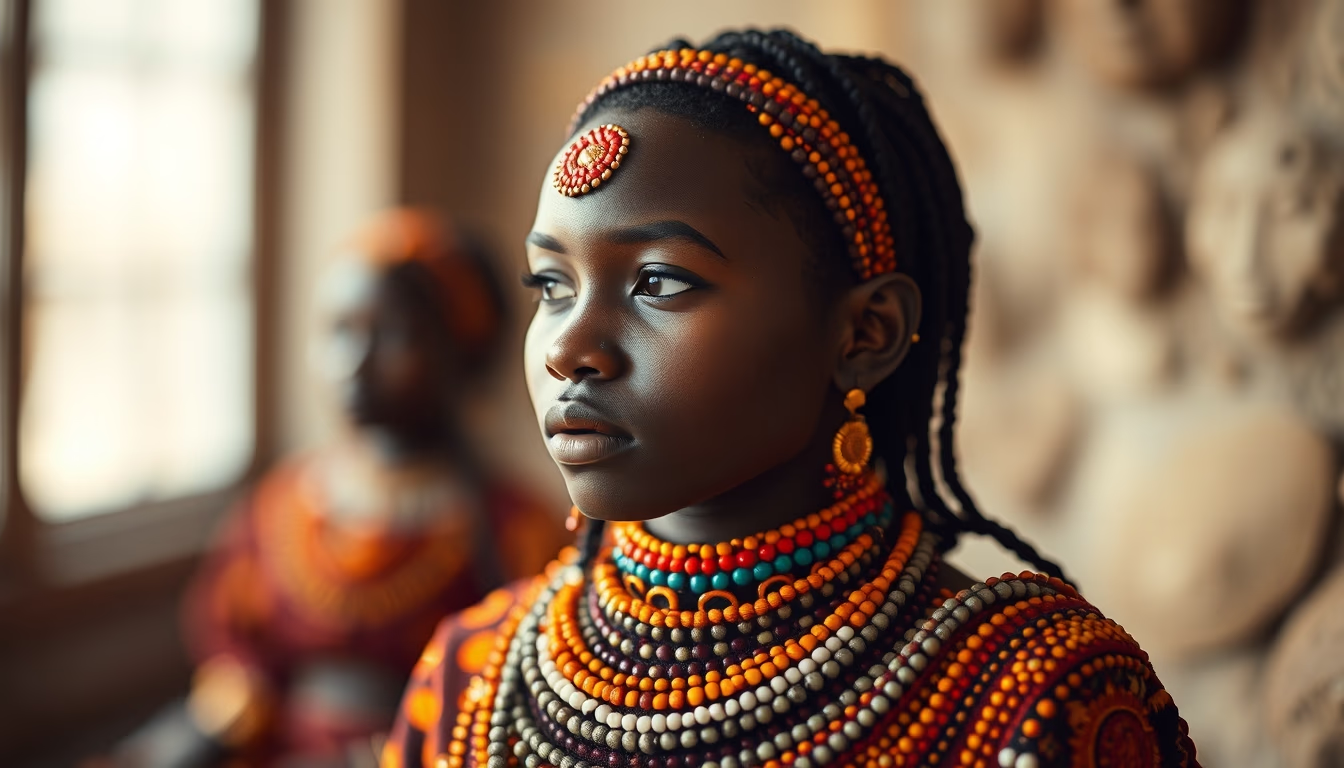
The diversity of styles reflects Africa's cultural wealth. In West Africa, Baule masks from Ivory Coast are known for their calm features and geometric details, used in fertility ceremonies. In the central region, the Kuba of the Democratic Republic of the Congo produce masks covered with beads and cowrie shells, symbols of status and royal power. Every element has meaning: almond-shaped eyes may represent knowledge, interwoven patterns recall ancestry, and the use of natural pigments like kaolin and ocher indicates purity or danger. The making of a mask is a ritualized process, often involving offerings and fasting, and the artisan must follow strict rules to avoid offending the spirits.
Historically, African masks profoundly influenced modern Western art. Artists like Picasso, Matisse, and Modigliani drew inspiration from masks displayed in European ethnographic museums in the early 20th century, incorporating their simplified forms and expressiveness into movements such as Cubism and Expressionism. However, it is crucial to understand that these masks were not created as art in the Western sense but as functional objects within complex religious and social systems. Today, many original masks reside in museum collections worldwide, while contemporary artisans continue producing replicas for the tourist market, keeping the tradition alive with technical and aesthetic adaptations.
Frequently Asked Questions
What is the spiritual meaning of African tribal masks?
Masks are used in rituals to connect the human world with the supernatural. They represent ancestral spirits, deities, or nature forces, and the wearer is believed to temporarily embody that entity during the ceremony.
What materials are African masks made from?
The most common material is wood, carved from trees like iroko or cedar. Other materials include ivory, bronze, copper, plant fibers, textiles, beads, and cowrie shells. Natural pigments such as kaolin and ocher are also frequently used.
How did African masks influence modern art?
In the early 20th century, European artists like Pablo Picasso and Amedeo Modigliani saw African masks in ethnographic museums and were inspired by their abstract and expressive forms. This contributed to the development of Cubism and Expressionism.
Direct URL
https://pub-c7d6a6ea828543ac903a74a341ccb2e1.r2.dev/imagens/african-tribal-mask-studio-editorial-portrait-fresh18.avifHow to credit
Include a visible link back to UtilizAí. Copy one of the snippets below:
<a href="https://xn--utiliza-eza.com/en/midia/imagens/african-tribal-mask-studio-editorial-portrait-fresh18">African tribal mask</a> by <a href="https://xn--utiliza-eza.com">UtilizAí</a>, licensed under <a href="https://creativecommons.org/licenses/by/4.0/">CC BY 4.0</a>.
[African tribal mask](https://xn--utiliza-eza.com/en/midia/imagens/african-tribal-mask-studio-editorial-portrait-fresh18) by [UtilizAí](https://xn--utiliza-eza.com), CC BY 4.0
License: CC-BY-4.0