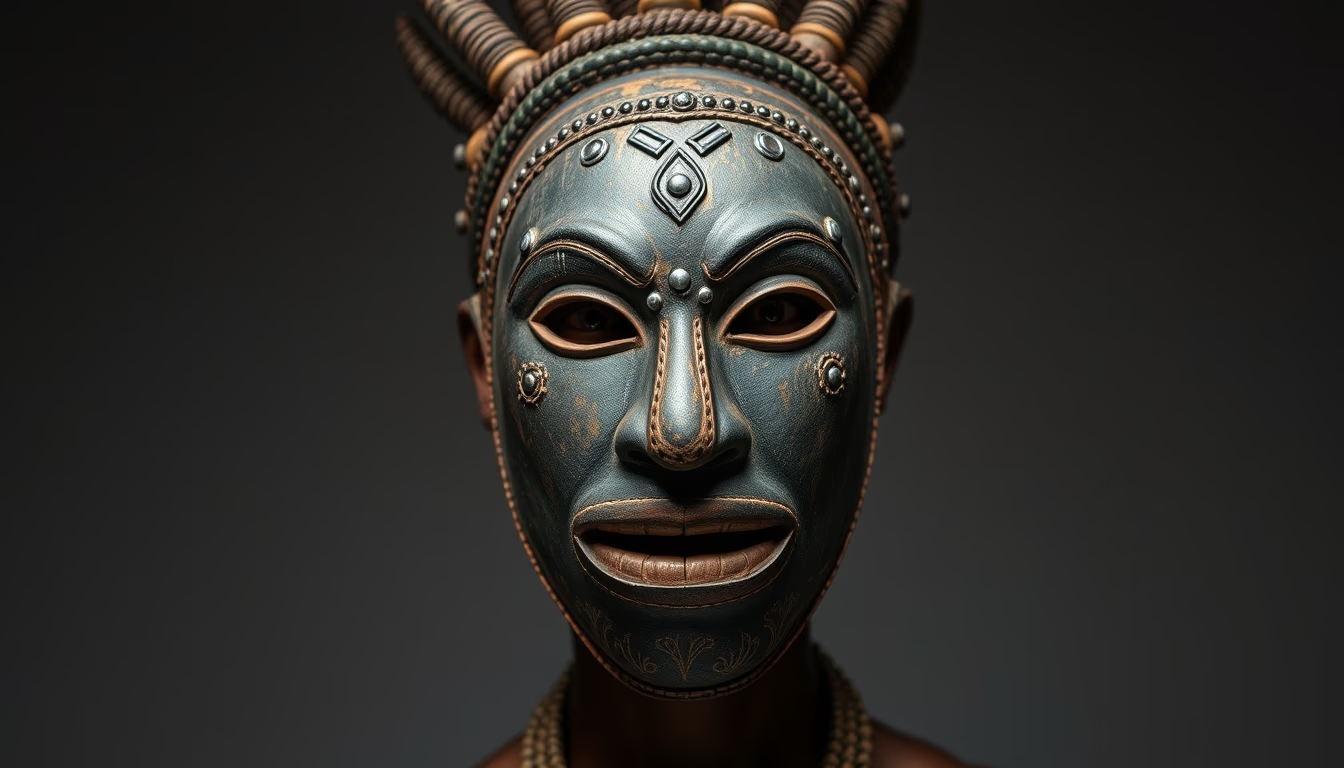
African tribal mask
1344×768 · AVIF · CC BY 4.0
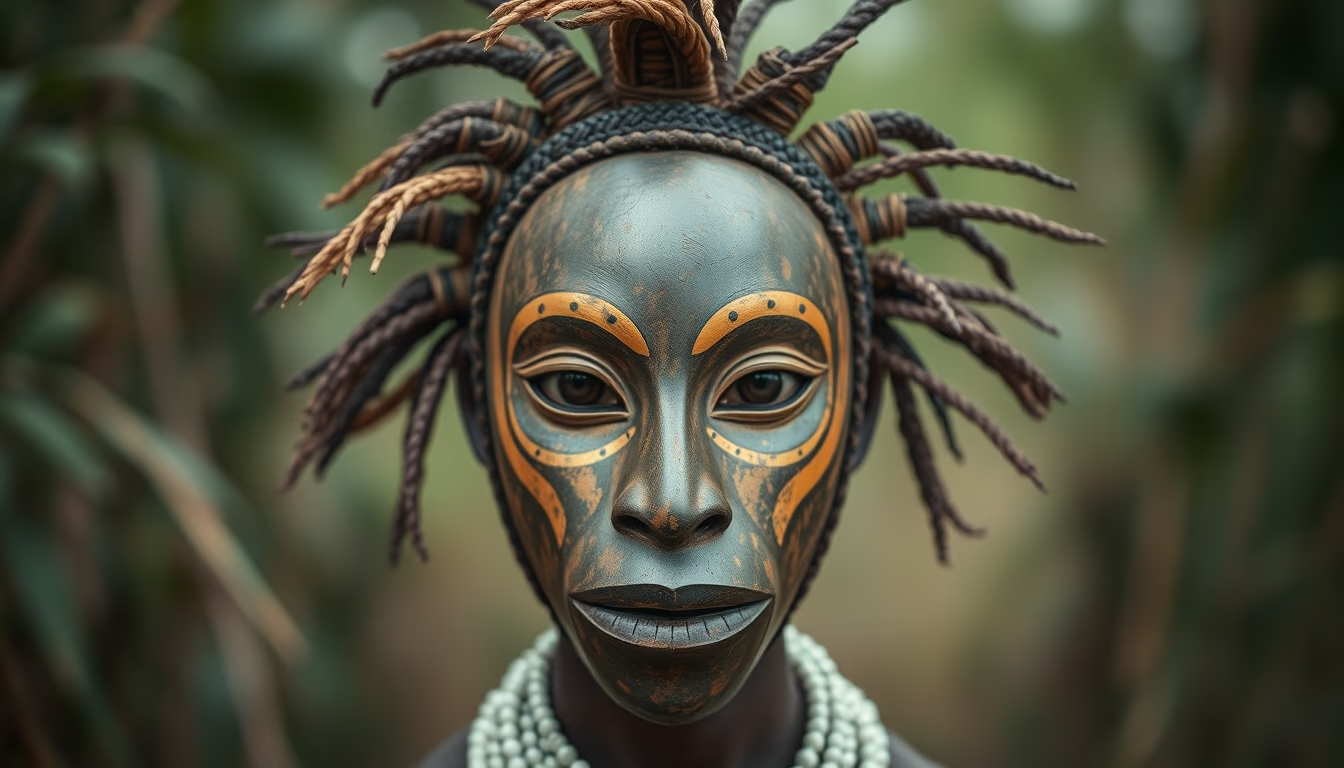
African tribal masks are ritual artifacts with deep spiritual and social significance, used in initiation ceremonies, harvests, and funerals.
About this subject
African masks are central objects in many cultures across the continent, especially in West and Central Africa. Carved from wood, ivory, or metal, they represent ancestors, nature spirits, or deities. Each ethnic group develops unique styles: the Baule masks of Ivory Coast have elongated, serene features; the Dogon of Mali create kanaga masks with stylized crosses representing cosmic order. The Punu of Gabon carve white masks with shell-shaped hairdos, associated with female beauty and forest spirits.
Mask usage is tied to specific rituals. During masked dances, the wearer is believed to be possessed by the depicted entity, conveying messages or blessings to the community. Masks also serve as instruments of social control, in some societies, judges or warriors wear them to enforce punishments. Preferred woods include ebony, iroko, or cedar, each with its own symbolism.
Many masks were taken to European museums during colonialism, sparking debates about repatriation. The Musée du Quai Branly in Paris and the British Museum hold significant collections. Modernist artists like Picasso drew inspiration from these pieces, influencing Cubism. Today, contemporary artisans renew traditions, creating works for the global market while maintaining spiritual ties.
The diversity of styles reflects the continent's cultural richness. Guro masks from Ivory Coast combine human and animal forms, while the Bwa of Burkina Faso produce crescent-shaped masks associated with fertility. Each piece tells a story, whether of power, reverence, or connection to the sacred.
Frequently Asked Questions
What is the function of masks in African ceremonies?
Masks are used in rites of passage, harvests, funerals, and initiations. During dances, the wearer embodies the represented spirit, conveying divine messages or imposing social order.
What materials are commonly used to make these masks?
Wood (ebony, iroko, cedar) predominates, but ivory, metal, plant fibers, and fabrics are also used. Each material carries symbolism, ivory, for instance, represents purity and power.
How can one identify the origin of an African mask?
Origin is recognized by stylistic features: eye shape, hairstyle type, geometric motifs, and materials. Baule masks have half-closed eyes; Punu are white with scarification marks; Dan have prominent lips.
Direct URL
https://pub-c7d6a6ea828543ac903a74a341ccb2e1.r2.dev/imagens/african-tribal-mask-documentary-nature-style-fresh5.avifHow to credit
Include a visible link back to UtilizAí. Copy one of the snippets below:
<a href="https://xn--utiliza-eza.com/en/midia/imagens/african-tribal-mask-documentary-nature-style-fresh5">African tribal mask</a> by <a href="https://xn--utiliza-eza.com">UtilizAí</a>, licensed under <a href="https://creativecommons.org/licenses/by/4.0/">CC BY 4.0</a>.
[African tribal mask](https://xn--utiliza-eza.com/en/midia/imagens/african-tribal-mask-documentary-nature-style-fresh5) by [UtilizAí](https://xn--utiliza-eza.com), CC BY 4.0
License: CC-BY-4.0