Aboriginal dot painting
1344×768 · AVIF · CC BY 4.0
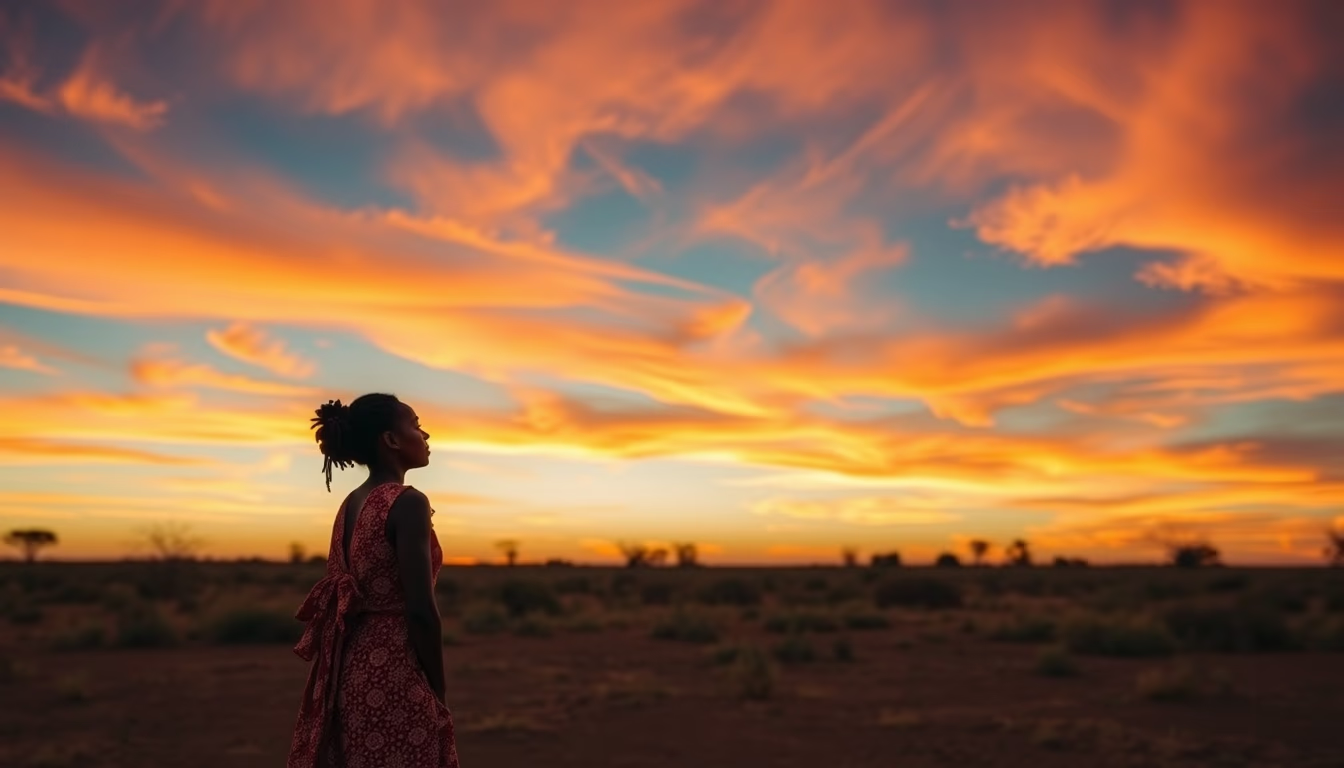
Australian Aboriginal dot painting is an ancient art form that represents Dreamtime stories through symbolic patterns.
About this subject
Aboriginal dot painting originated in Australia's Central Desert, with peoples such as the Pitjantjatjara and Warlpiri developing this technique thousands of years ago. Initially, paintings were created on the ground using sand, charcoal, and natural pigments, or on bodies during ceremonies. The shift to canvas began in the 1970s with the Papunya Tula art movement, which brought these traditional expressions to global attention.
Each dot pattern carries specific meanings linked to Dreamtime stories, the creation era in Aboriginal cosmology. Dots can represent territorial maps, animal tracks, water sources, or natural elements. Colors such as red ochre, yellow, and white are extracted from rocks and clays, while black comes from charcoal. The arrangement of dots guards sacred knowledge: only initiated individuals may paint certain designs, and restrictions exist regarding the depiction of ancestral beings.
The technique requires patience and precision, with dots applied using fine sticks or fingers. Each painting is a visual narrative that transmits laws and teachings to new generations. Dot art is not merely decorative but a vehicle for cultural identity and resistance against the erasure imposed by colonization. Today, contemporary Aboriginal artists expand the technique onto modern supports, keeping alive a tradition that connects past and present.
Frequently Asked Questions
What does Aboriginal dot painting mean?
Aboriginal dot painting records stories from the Dreamtime, the era of creation. The patterns represent maps, ancestral beings, and natural elements, functioning as a knowledge system passed down orally and visually.
What materials are used in traditional paintings?
Historically, natural pigments like ochre (red and yellow), white clay, and charcoal were mixed with water or sap. Tools included sticks, fingers, or feathers. Today, acrylic paints and canvas are common, but many artists still prefer earthy colors.
Why are certain symbols kept secret?
Some symbols and stories are considered sacred and restricted to initiated community members. Revealing these designs to outsiders is seen as a cultural violation. Therefore, artists often use dots to camouflage secret meanings.
Direct URL
https://pub-c7d6a6ea828543ac903a74a341ccb2e1.r2.dev/imagens/aboriginal-dot-painting-long-exposure-fresh15.avifHow to credit
Include a visible link back to UtilizAí. Copy one of the snippets below:
<a href="https://xn--utiliza-eza.com/en/midia/imagens/aboriginal-dot-painting-long-exposure-fresh15">Aboriginal dot painting</a> by <a href="https://xn--utiliza-eza.com">UtilizAí</a>, licensed under <a href="https://creativecommons.org/licenses/by/4.0/">CC BY 4.0</a>.
[Aboriginal dot painting](https://xn--utiliza-eza.com/en/midia/imagens/aboriginal-dot-painting-long-exposure-fresh15) by [UtilizAí](https://xn--utiliza-eza.com), CC BY 4.0
License: CC-BY-4.0