Zen tea house rural japan
1344×768 · AVIF · CC BY 4.0
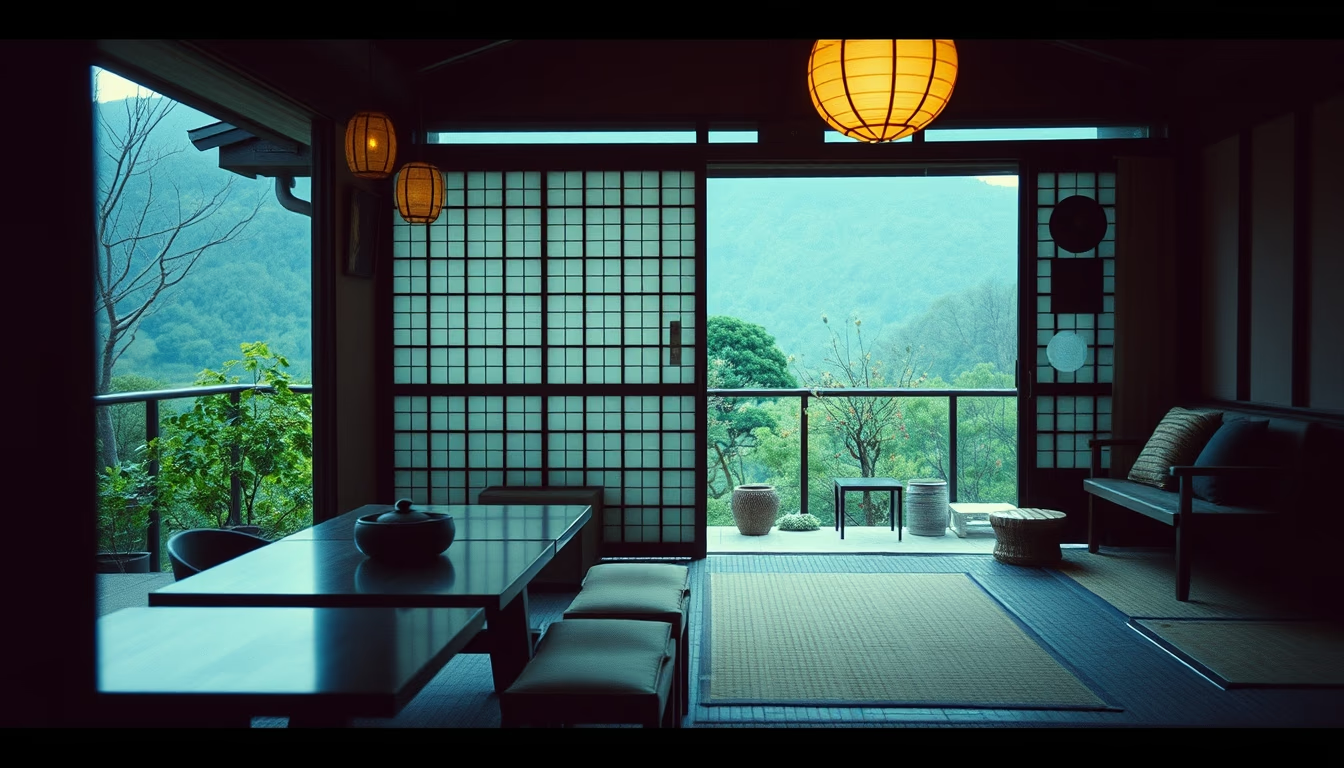
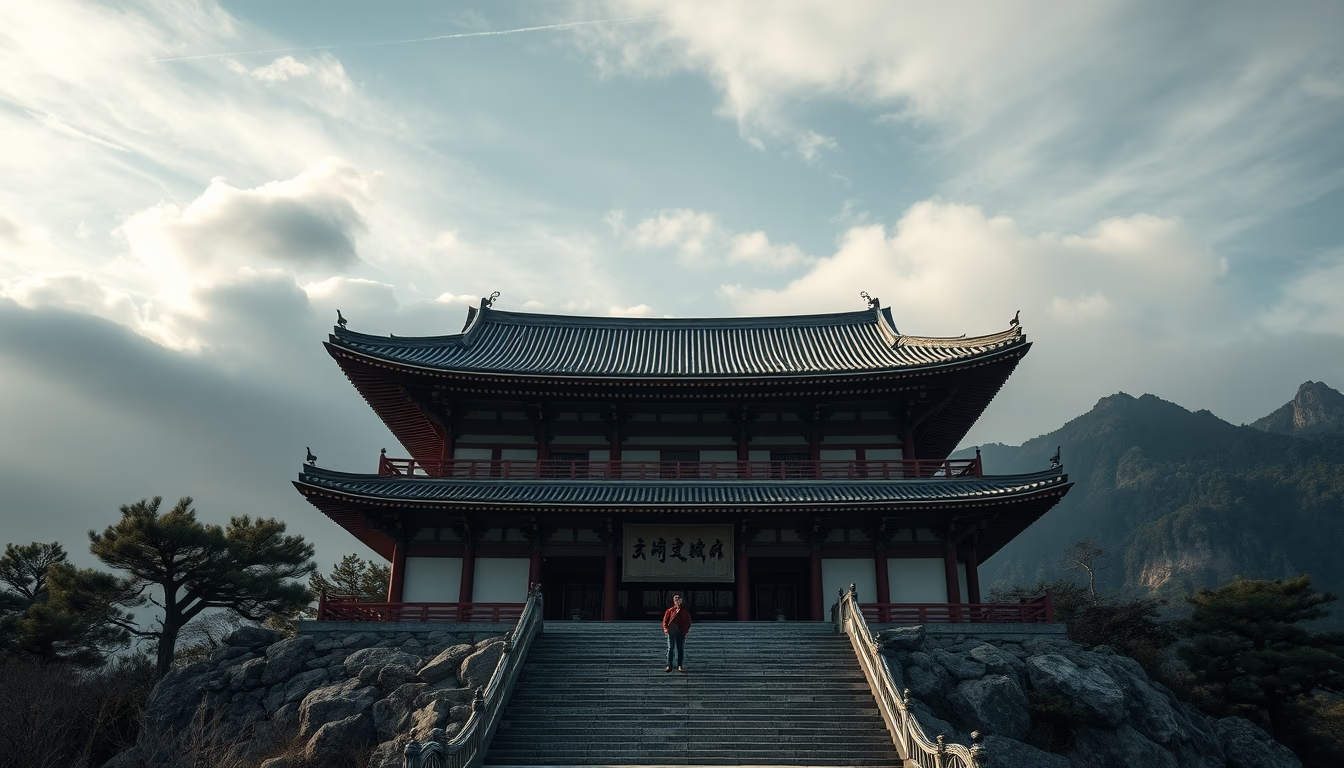
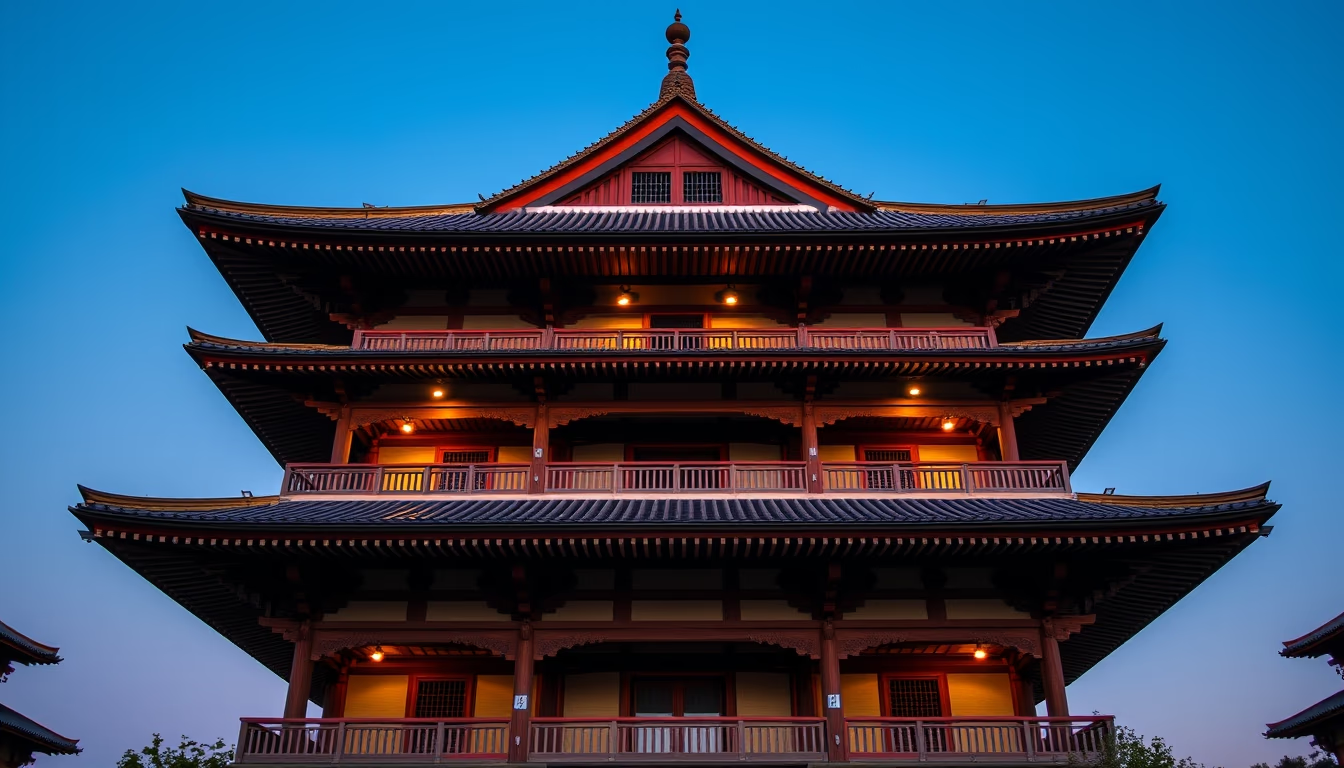
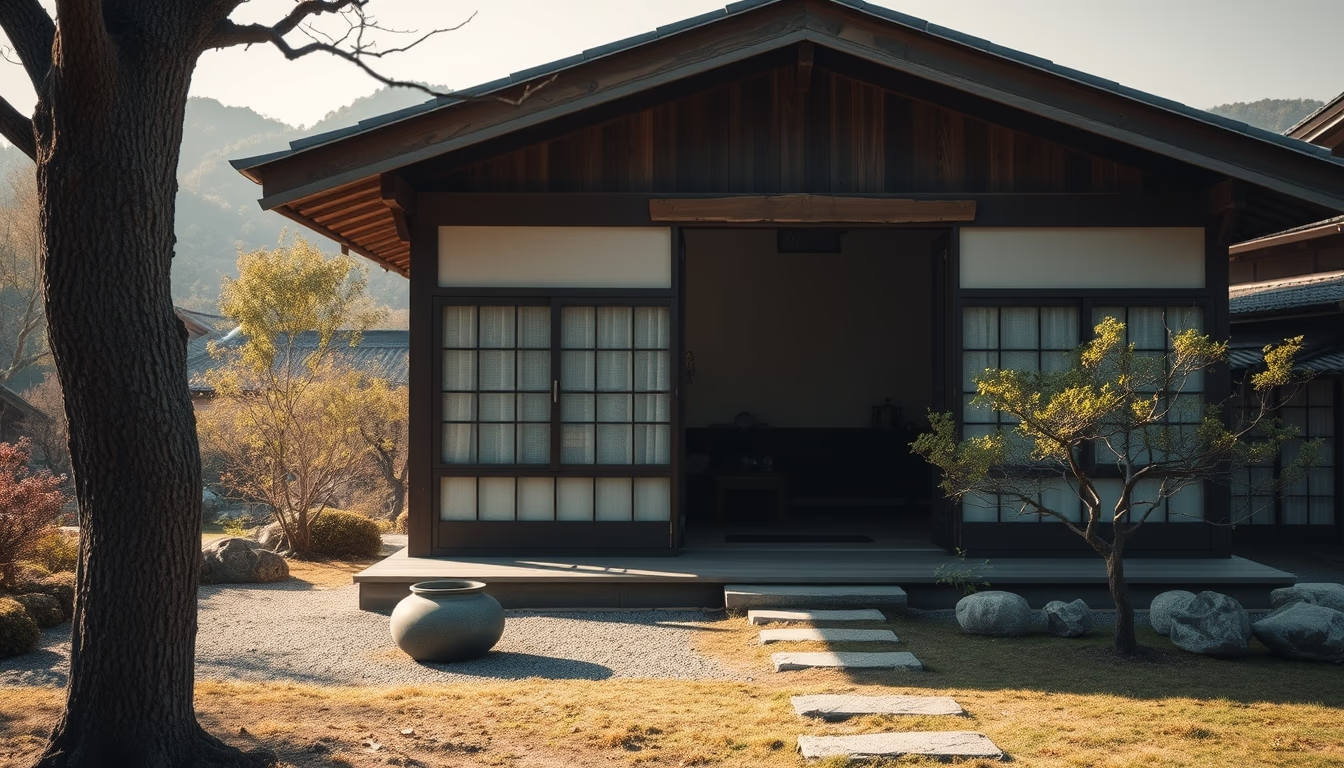
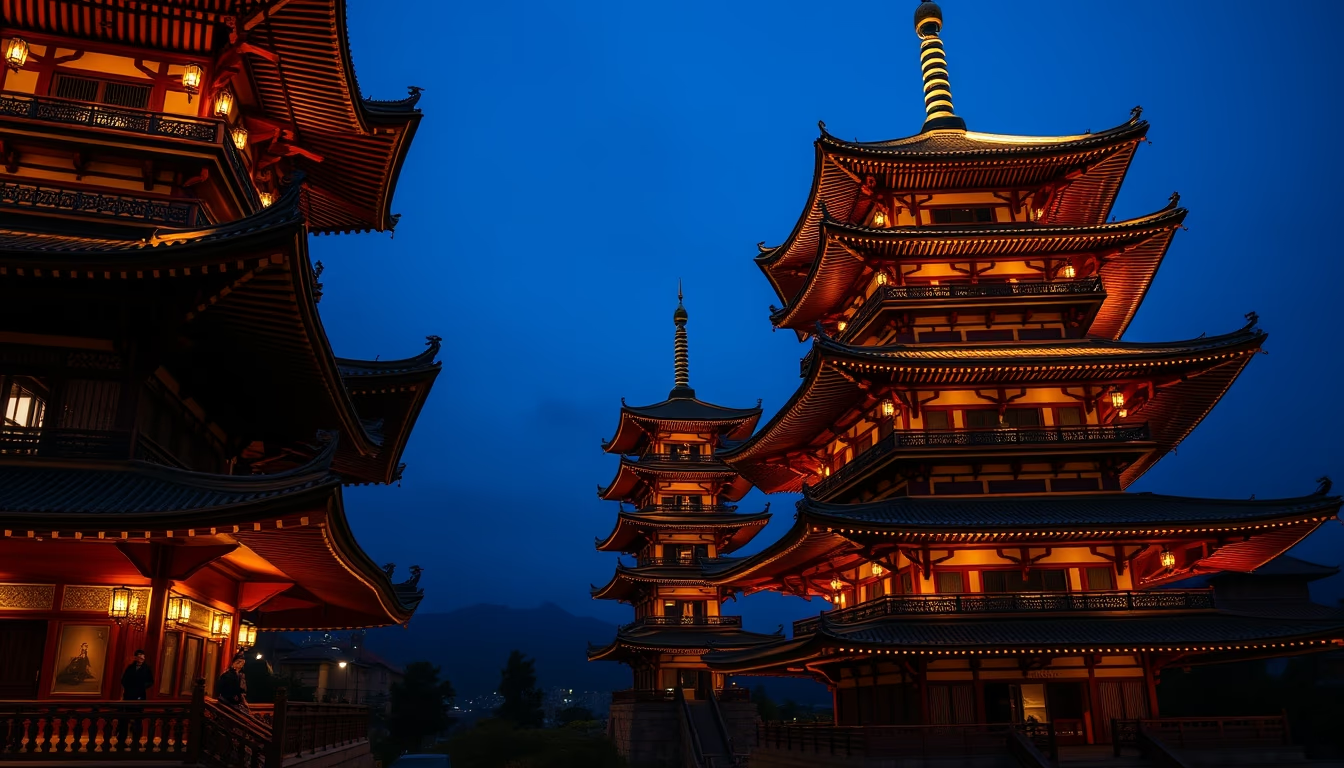
Zen tea houses in rural Japan embody the synthesis of minimalist architecture, nature, and the tea ceremony, reflecting centuries of aesthetic and spiritual tradition.
About this subject
In rural areas of Japan, such as Kyoto, Nara, and the mountains of Gifu, Zen tea houses (chashitsu) are small wooden and bamboo structures designed for the practice of chanoyu (tea ceremony). These buildings follow the principle of wabi-sabi, valuing simplicity, imperfection, and integration with the natural surroundings. Access is through a low door (nijiriguchi) that forces visitors to bow, symbolizing humility and leaving the outside world behind.
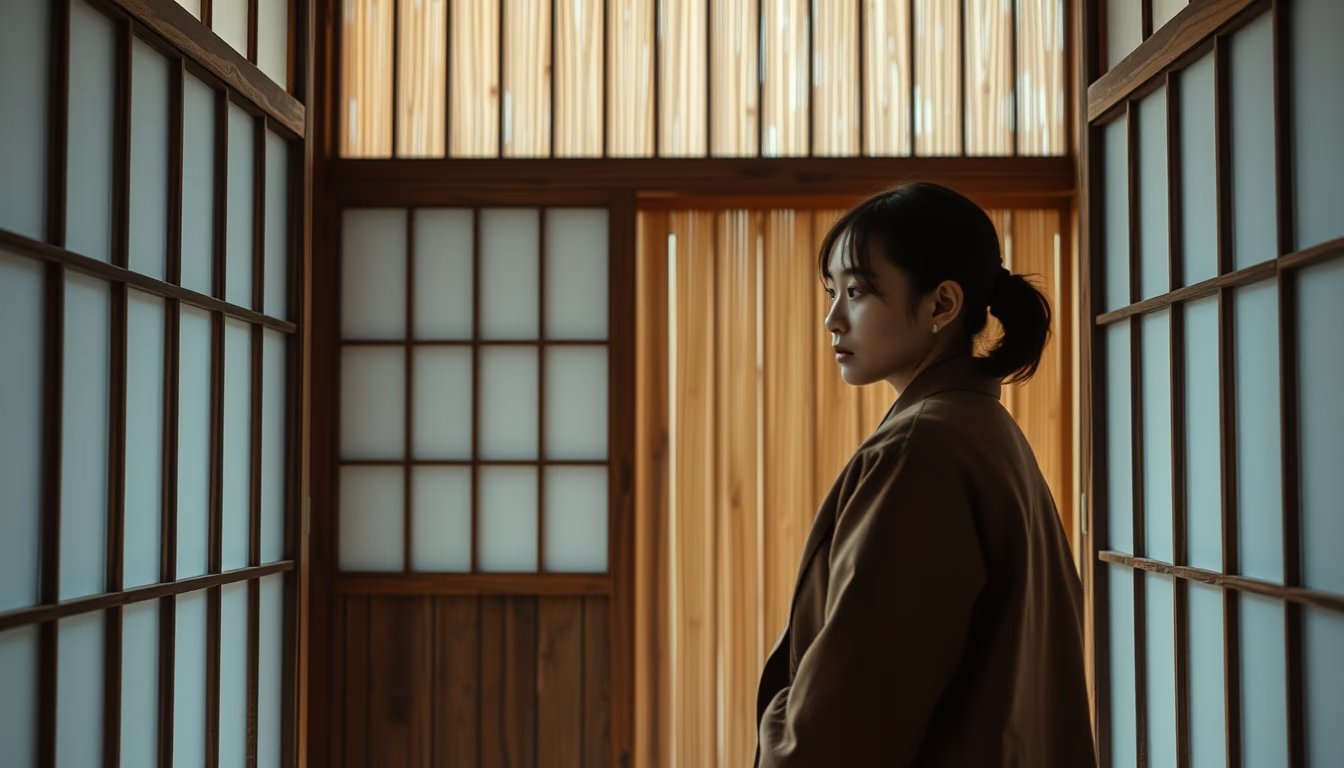
The interior is equally minimalist: tatami mats, a tokonoma alcove for a scroll or flower arrangement (ikebana), and a hearth (ro) for heating water. Strategically placed windows capture diffused light and frame garden views, creating a contemplative atmosphere. Many rural tea houses were built by tea masters like Sen no Rikyū in the 16th century, who established the aesthetic canons that endure today.
The tea ceremony is more than drinking matcha; it is a meditative practice involving precise movements, silence, and appreciation of utensils. In rural settings, these houses often serve as community centers for seasonal rituals and informal gatherings. The combination of ephemeral architecture with surrounding nature, cherry blossoms in spring, autumn leaves, reinforces transience, a core concept in Zen Buddhism.
Interestingly, many historic tea houses have been dismantled and reassembled in new locations, preserving their original structure. Notable examples include the Jo-an tea house in Aichi Prefecture, a National Treasure, and Taian in Kyoto, designed by Rikyū himself. The presence of these constructions in rural zones helps keep alive a tradition that influences contemporary architects like Tadao Ando, who incorporates Zen principles into his work.
Frequently Asked Questions
What is the typical size of a rural Zen tea house?
A traditional chashitsu is about 4.5 tatami mats (approximately 8 m²), as in the yojōhan style. However, there are smaller variations of 4 to 8 tatami mats, always prioritizing intimacy and seclusion.
Why do Zen tea houses have low doors?
The low door (nijiriguchi) forces all visitors to bow upon entering, symbolizing humility and equality among participants. It also reinforces the idea of leaving social status behind when entering the sacred space of the ceremony.
How does the garden around the tea house contribute to the experience?
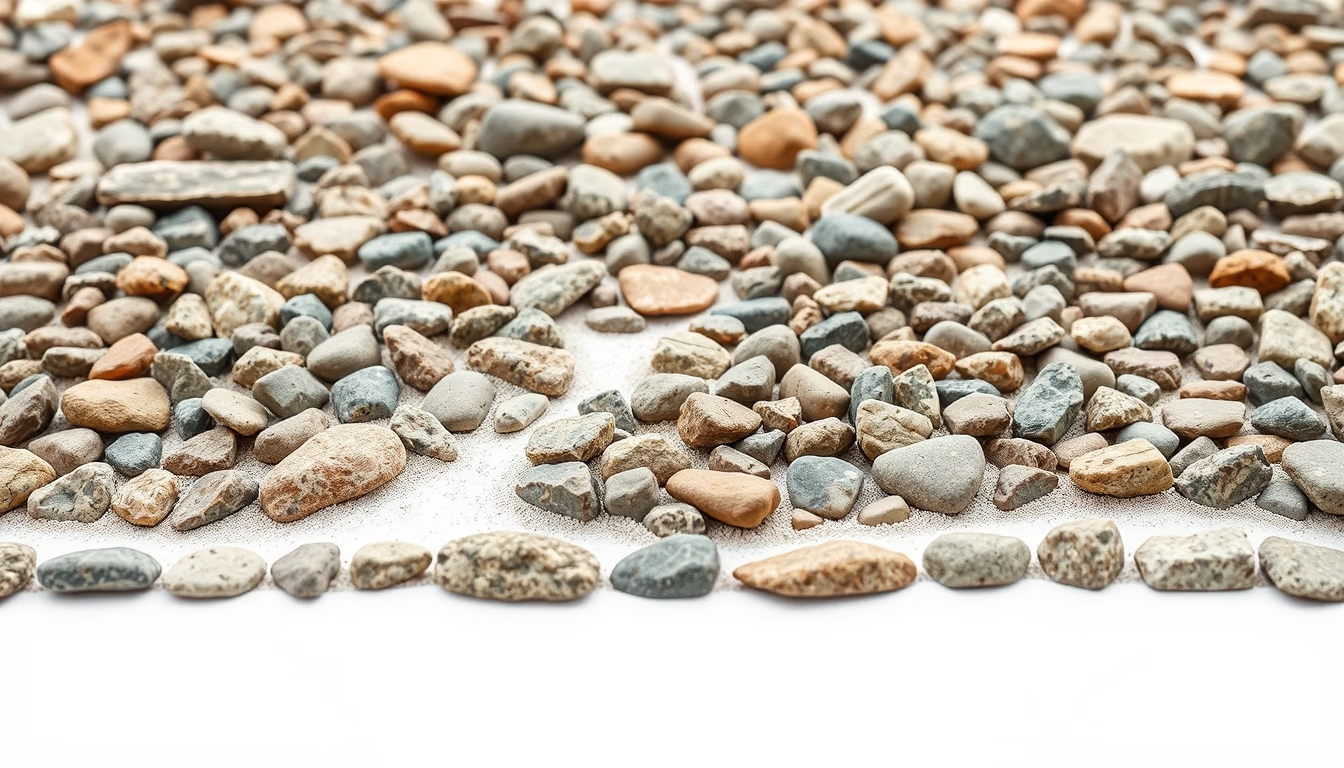
The garden (roji) is an extension of the tea house, designed to mentally prepare guests. Stone paths, stone lanterns, and vegetation create a transition from the mundane to the sacred, and the view of the garden through windows is an essential part of the ceremony's aesthetics.
Direct URL
https://pub-c7d6a6ea828543ac903a74a341ccb2e1.r2.dev/imagens/zen-tea-house-rural-japan-lo-fi-disposable-camera-fresh3.avifHow to credit
Include a visible link back to UtilizAí. Copy one of the snippets below:
<a href="https://xn--utiliza-eza.com/en/midia/imagens/zen-tea-house-rural-japan-lo-fi-disposable-camera-fresh3">Zen tea house rural japan</a> by <a href="https://xn--utiliza-eza.com">UtilizAí</a>, licensed under <a href="https://creativecommons.org/licenses/by/4.0/">CC BY 4.0</a>.
[Zen tea house rural japan](https://xn--utiliza-eza.com/en/midia/imagens/zen-tea-house-rural-japan-lo-fi-disposable-camera-fresh3) by [UtilizAí](https://xn--utiliza-eza.com), CC BY 4.0
License: CC-BY-4.0