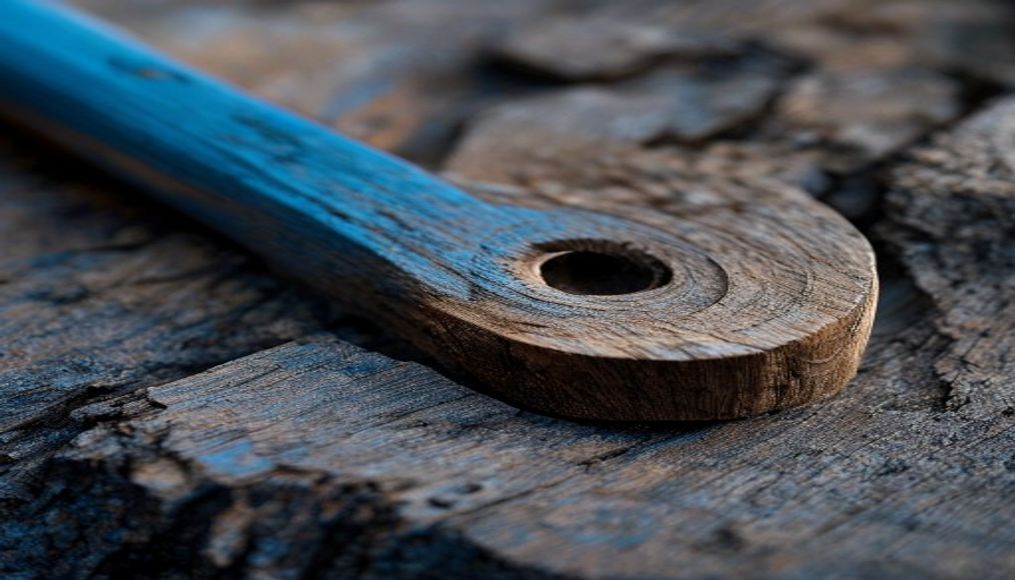
Wood joint dovetail
1344×768 · JPG · CC BY 4.0
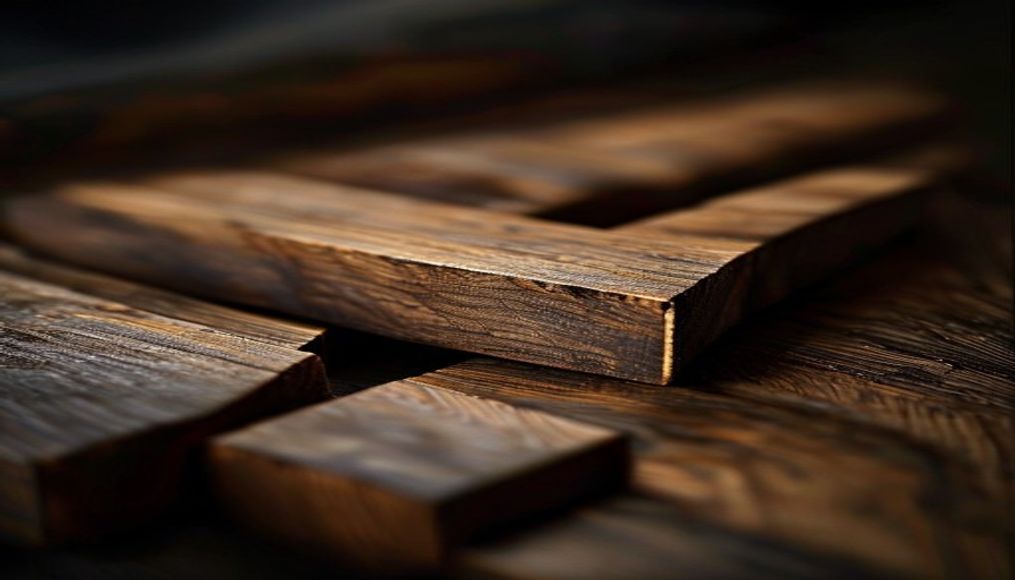
The dovetail joint is one of the most iconic woodworking joints, prized for its strength and beauty.
About this subject
The dovetail joint is a centuries-old woodworking technique used to join two pieces of wood, typically at right angles. Its distinctive trapezoidal pins and tails interlock, preventing separation under tension and creating a strong, self-bracing connection without mechanical fasteners. The name derives from the joint's resemblance to a dove's tail, and archaeological evidence shows it was used in ancient Egyptian furniture, such as in tombs from the 18th Dynasty.
There are several types of dovetail joints: through dovetails (visible on both sides), blind dovetails (completely hidden), and half-blind dovetails (partially visible). Through dovetails are common in drawer construction and boxes, while half-blind joints are often used in high-quality furniture to conceal the joint on the front face. The angle of the tails typically ranges from 1:6 to 1:8, with a 1:7 angle being a popular compromise between strength and appearance.
Crafting a dovetail joint by hand requires skill and precision. The woodworker marks the tails and pins using a marking gauge and knife, cuts them with a fine-toothed saw, and chops out the waste with a chisel. A tight fit is essential for both strength and aesthetics. Antique furniture with dovetail joints, such as 18th-century American pieces or Arts and Crafts furniture, is highly valued for its craftsmanship.
Beyond woodworking, dovetail joints are also used in metalworking (for example, in machinery slides) and in modern CNC woodworking. Despite automation, hand-cut dovetails remain a hallmark of quality craftsmanship. Interestingly, a well-executed dovetail joint can be stronger than glue alone, making it ideal for heavy drawers, cabinets, and chests that undergo repeated stress.
Frequently Asked Questions
What is the difference between a single and a multiple dovetail joint?
A single dovetail uses only one tail and one pin, which is weak and mainly decorative. A multiple dovetail has several interlocking tails and pins, providing greater glue surface and strength, typical for drawers and structural furniture.
Can I make dovetail joints with power tools?
Yes, router jigs are available to cut dovetails quickly and accurately. However, many traditional woodworkers prefer hand-cutting for greater control and the hallmark of craftsmanship.
Does a dovetail joint require glue?
Although the interlocking shape provides mechanical strength, glue is necessary to seal the joint and prevent loosening over time. Standard wood glue works well and fills minor gaps.
Direct URL
https://pub-c7d6a6ea828543ac903a74a341ccb2e1.r2.dev/imagens/wood-joint-dovetail-fine-art-photography-p4.jpgHow to credit
Include a visible link back to UtilizAí. Copy one of the snippets below:
<a href="https://xn--utiliza-eza.com/en/midia/imagens/wood-joint-dovetail-fine-art-photography-p4">Wood joint dovetail</a> by <a href="https://xn--utiliza-eza.com">UtilizAí</a>, licensed under <a href="https://creativecommons.org/licenses/by/4.0/">CC BY 4.0</a>.
[Wood joint dovetail](https://xn--utiliza-eza.com/en/midia/imagens/wood-joint-dovetail-fine-art-photography-p4) by [UtilizAí](https://xn--utiliza-eza.com), CC BY 4.0
License: CC-BY-4.0