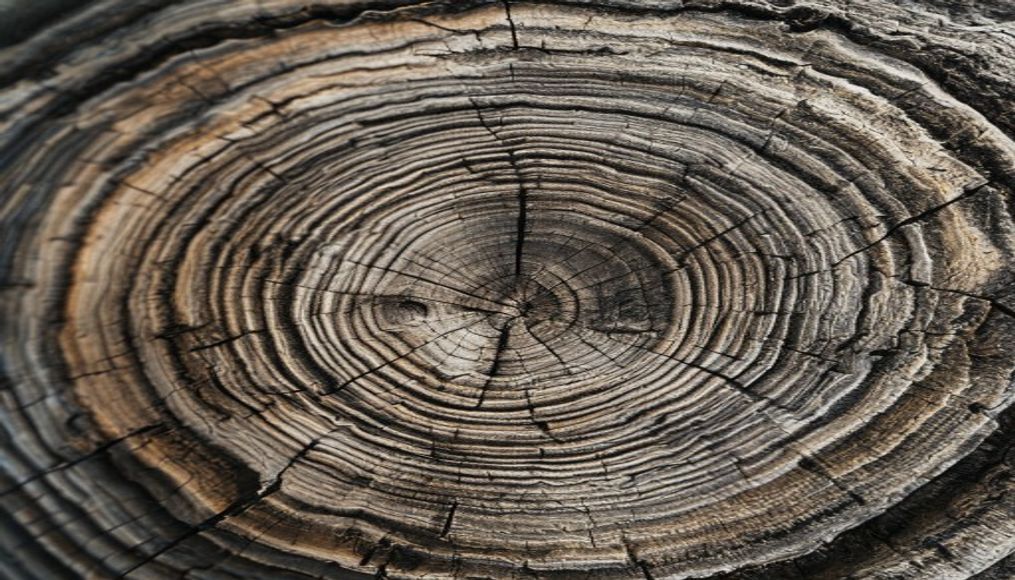
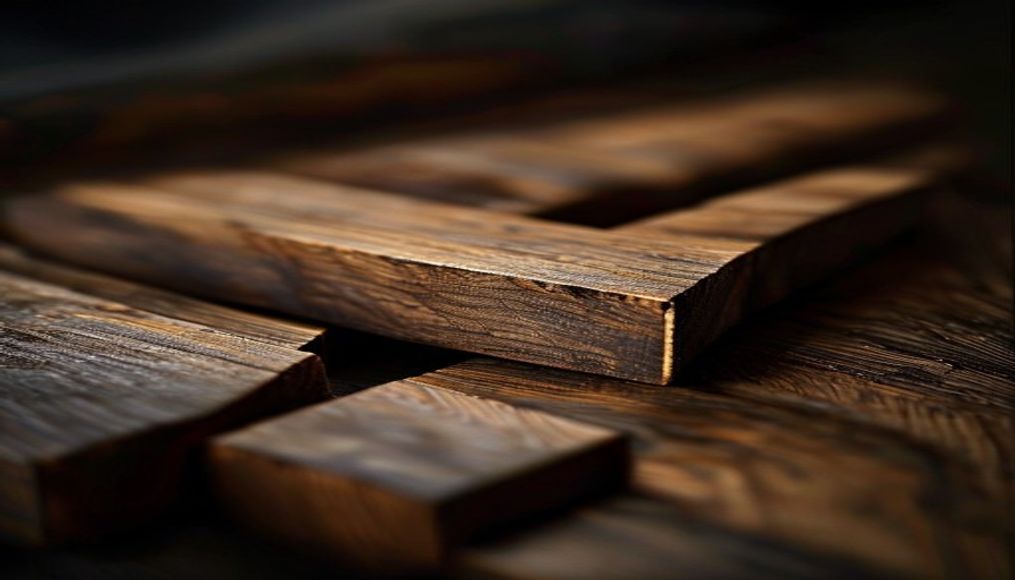
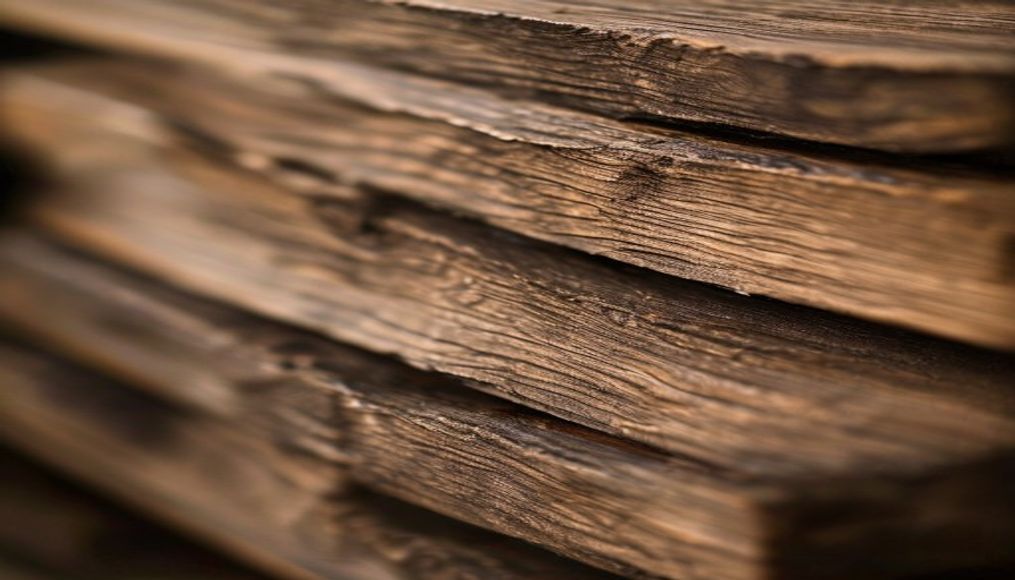
Sawdust wood shavings
1344×768 · JPG · CC BY 4.0
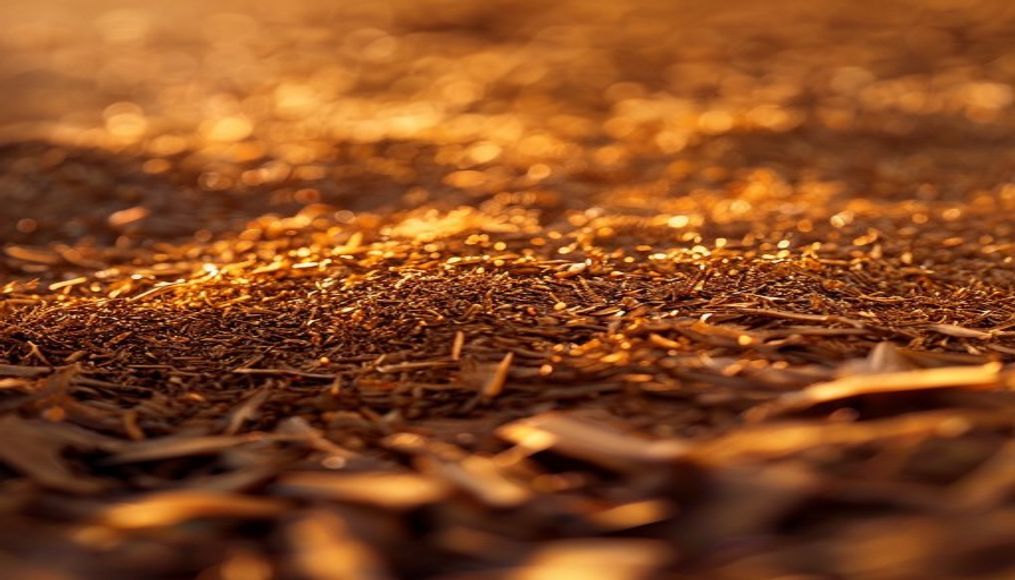
Sawdust and wood shavings are wood byproducts widely used in industry, agriculture, and crafts, known for their absorbent and fuel properties.
About this subject
Sawdust and wood shavings are fibrous residues resulting from wood processing, such as sawing, sanding, or planing. Sawdust is fine and powdery, generated by saws, while wood shavings are larger, coarser flakes produced by planers or lathes. These materials are important in many sectors. In industry, they are used to manufacture particleboard (MDP, MDF), briquettes, and pellets for burning in boilers and fireplaces. In agriculture, they serve as animal bedding (chickens, horses) due to high moisture absorption and odor control. They are also employed in gardening as mulch to retain water and inhibit weeds.
Historically, the use of sawdust dates back to ancient civilizations, who used it for thermal insulation and fuel. In Brazil, the furniture and construction industries generate huge amounts of these residues. It is estimated that each cubic meter of processed wood produces about 10% to 15% sawdust and shavings. A common destination is burning for energy generation, but this contributes to particulate matter emissions. Therefore, there are incentives for recycling into panels and briquettes, reducing environmental impact.
Interestingly, sawdust has less known applications. In cooking, it is used for smoking foods, such as meats and cheeses, giving a smoky flavor. In the explosives industry, it was historically used as an absorbent for nitroglycerin. In crafts, mixed with glue, it forms modeling paste. Additionally, sawdust is a raw material for charcoal production and, in pyrolysis processes, generates bio-oil and fuel gas. The choice between sawdust and shavings depends on the application: shavings allow better air circulation in animal bedding, while sawdust is preferred for liquid absorption.
Proper management of these residues is crucial. When disposed of incorrectly, they can cause soil and water pollution. However, when reused, they add value to the production chain and reduce deforestation. In the context of travel photography, images of piles of sawdust or wood shavings can portray timber regions, such as southern Brazil (Paraná, Santa Catarina, Rio Grande do Sul) or Scandinavian countries. The texture and color vary according to wood species: pine produces light sawdust, while ipe yields darker tones.
Frequently Asked Questions
What is the difference between sawdust and wood shavings?
Sawdust is fine powder generated by saws, while wood shavings are larger flakes produced by planers or lathes. Shavings allow better air circulation in animal bedding, whereas sawdust is more absorbent for liquids.
Can sawdust be used as fuel?
Yes, sawdust and shavings are used to produce briquettes and pellets for burning in boilers and fireplaces. They can also be burned directly in furnaces, but this produces more smoke and particulate matter.
Why is sawdust important in agriculture?
Sawdust is used as animal bedding (poultry, horses) because it absorbs moisture and controls odors. It also serves as mulch in gardens, retaining soil moisture and inhibiting weed growth.
Direct URL
https://pub-c7d6a6ea828543ac903a74a341ccb2e1.r2.dev/imagens/sawdust-wood-shavings-travel-photography-p4.jpgHow to credit
Include a visible link back to UtilizAí. Copy one of the snippets below:
<a href="https://xn--utiliza-eza.com/en/midia/imagens/sawdust-wood-shavings-travel-photography-p4">Sawdust wood shavings</a> by <a href="https://xn--utiliza-eza.com">UtilizAí</a>, licensed under <a href="https://creativecommons.org/licenses/by/4.0/">CC BY 4.0</a>.
[Sawdust wood shavings](https://xn--utiliza-eza.com/en/midia/imagens/sawdust-wood-shavings-travel-photography-p4) by [UtilizAí](https://xn--utiliza-eza.com), CC BY 4.0
License: CC-BY-4.0