Wax seal stamp
1344×768 · AVIF · CC BY 4.0
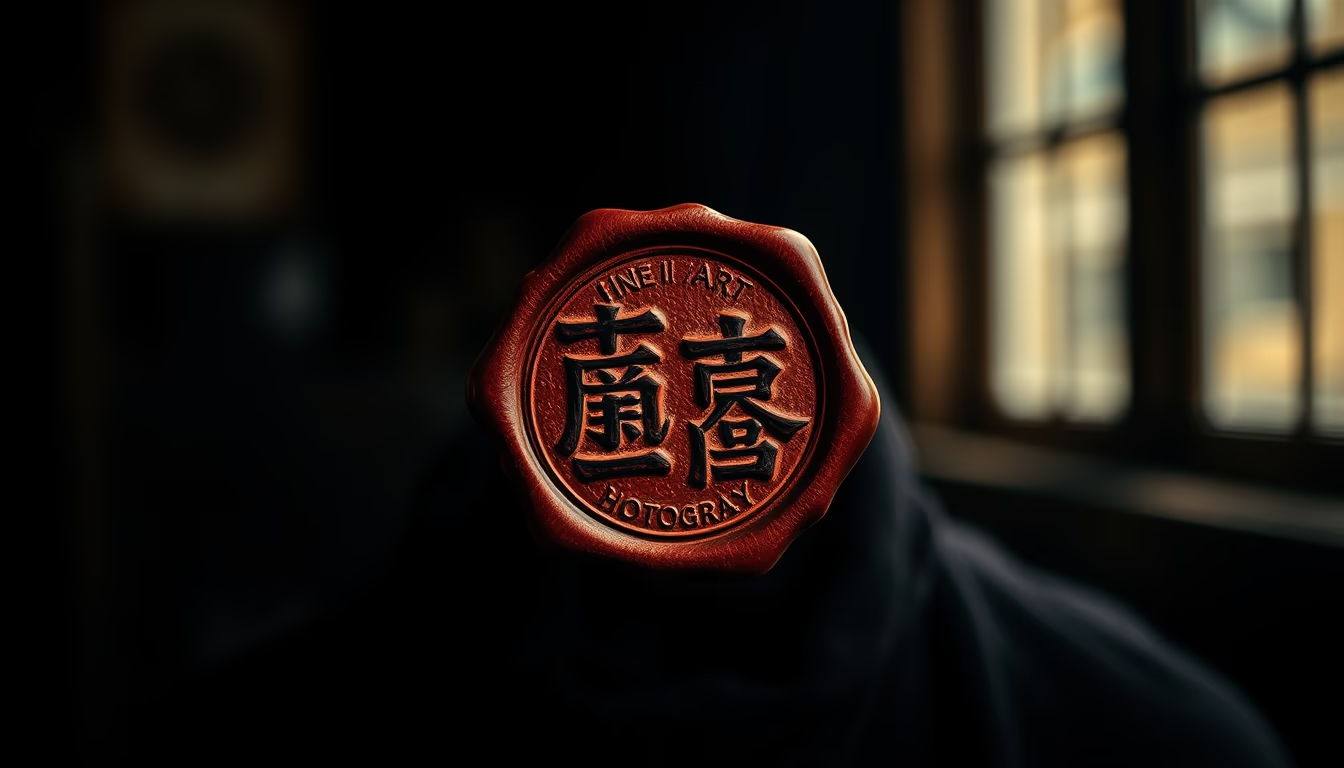
Selos de cera são marcas de autenticidade e identidade usadas há milênios em documentos e correspondências.
Sobre o tema
Os selos de cera surgiram na antiguidade como uma forma de garantir a integridade de documentos sigilosos. Civilizações como os egípcios, gregos e romanos já utilizavam selos de argila ou cera para lacrar mensagens importantes, geralmente com anéis ou sinetes gravados. Na Europa medieval, o costume se consolidou: nobres, clérigos e comerciantes carimbavam cartas com brasões ou iniciais em cera derretida, tornando o selo um símbolo de autoridade e autenticação. A prática atingiu seu auge entre os séculos XII e XIX, especialmente em documentos oficiais, testamentos e correspondências pessoais.
A confecção de selos envolve o aquecimento de cera (tradicionalmente de abelha, misturada com resinas e pigmentos) e sua aplicação sobre o papel, seguida pela prensa com um carimbo metálico. Cada selo é único e difícil de falsificar, pois carrega marcas individuais, brasões, monogramas ou desenhos. A cor da cera também tinha significado: vermelho era usado pela realeza e instituições eclesiásticas, preto para luto, verde para documentos comerciais, e dourado para ocasiões especiais.
Com o advento do selo postal adesivo e do envelope no século XIX, o uso do lacre de cera diminuiu, mas nunca desapareceu. Hoje, é valorizado em cerimônias, casamentos, convites formais e trabalhos artesanais. Colecionadores buscam sinetes antigos e modernos, e a técnica é preservada por entusiastas do lettering e da papelaria fina. No Brasil, o uso de selos de cera remonta ao período colonial, quando documentos oficiais eram lacrados com o brasão português.
Curiosamente, a palavra 'sinete' (do latim signetum) designa o instrumento que grava o selo, enquanto 'lacre' refere-se à cera em si. O ato de romper um lacre para ler uma carta ainda evoca uma sensação de mistério e privacidade, mantendo viva a tradição em um mundo digital.
Perguntas frequentes
Como usar um selo de cera?
Aqueça a cera até derreter (use uma colher ou pistola própria), despeje algumas gotas sobre o papel e pressione o carimbo firmemente por alguns segundos. Espere esfriar antes de manusear.
Qual a origem dos selos de cera?
Os selos de cera remontam à antiguidade, com registros no Egito, Grécia e Roma. Eram usados para autenticar documentos e garantir sigilo, evoluindo para símbolos heráldicos na Idade Média.
Que tipos de cera são usados em selos?
Tradicionalmente usa-se cera de abelha com resinas. Hoje existem ceras sintéticas em diversas cores, mas a mais comum para artesanato é a cera de lacre em bastão, que derrete facilmente.
URL direta
https://pub-c7d6a6ea828543ac903a74a341ccb2e1.r2.dev/imagens/wax-seal-stamp-fine-art-photography-p11.avifComo creditar
Inclua um link visível de volta pro UtilizAí. Copie um dos snippets abaixo:
<a href="https://xn--utiliza-eza.com/midia/imagens/wax-seal-stamp-fine-art-photography-p11">Wax seal stamp</a> by <a href="https://xn--utiliza-eza.com">UtilizAí</a>, licensed under <a href="https://creativecommons.org/licenses/by/4.0/">CC BY 4.0</a>.
[Wax seal stamp](https://xn--utiliza-eza.com/midia/imagens/wax-seal-stamp-fine-art-photography-p11) by [UtilizAí](https://xn--utiliza-eza.com), CC BY 4.0
Licença: CC-BY-4.0