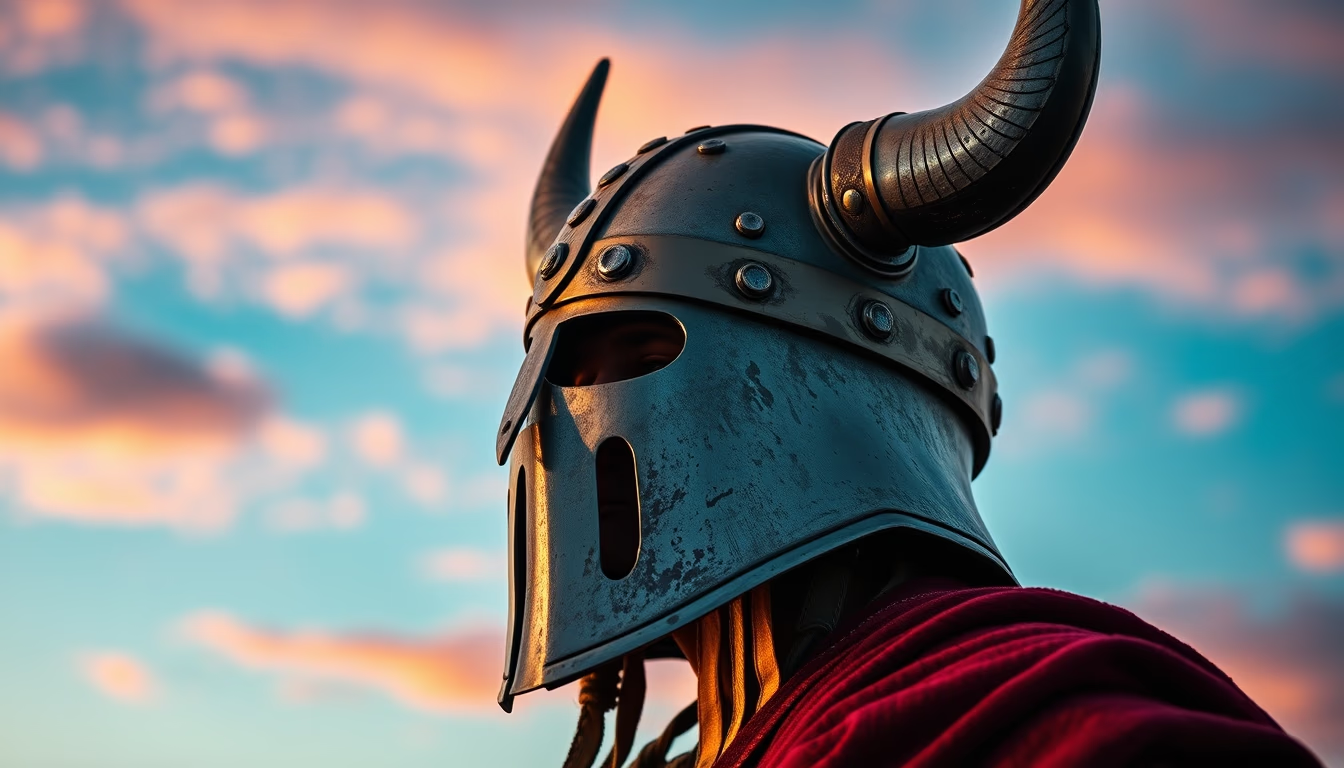
Knight visor closeup
1344×768 · AVIF · CC BY 4.0
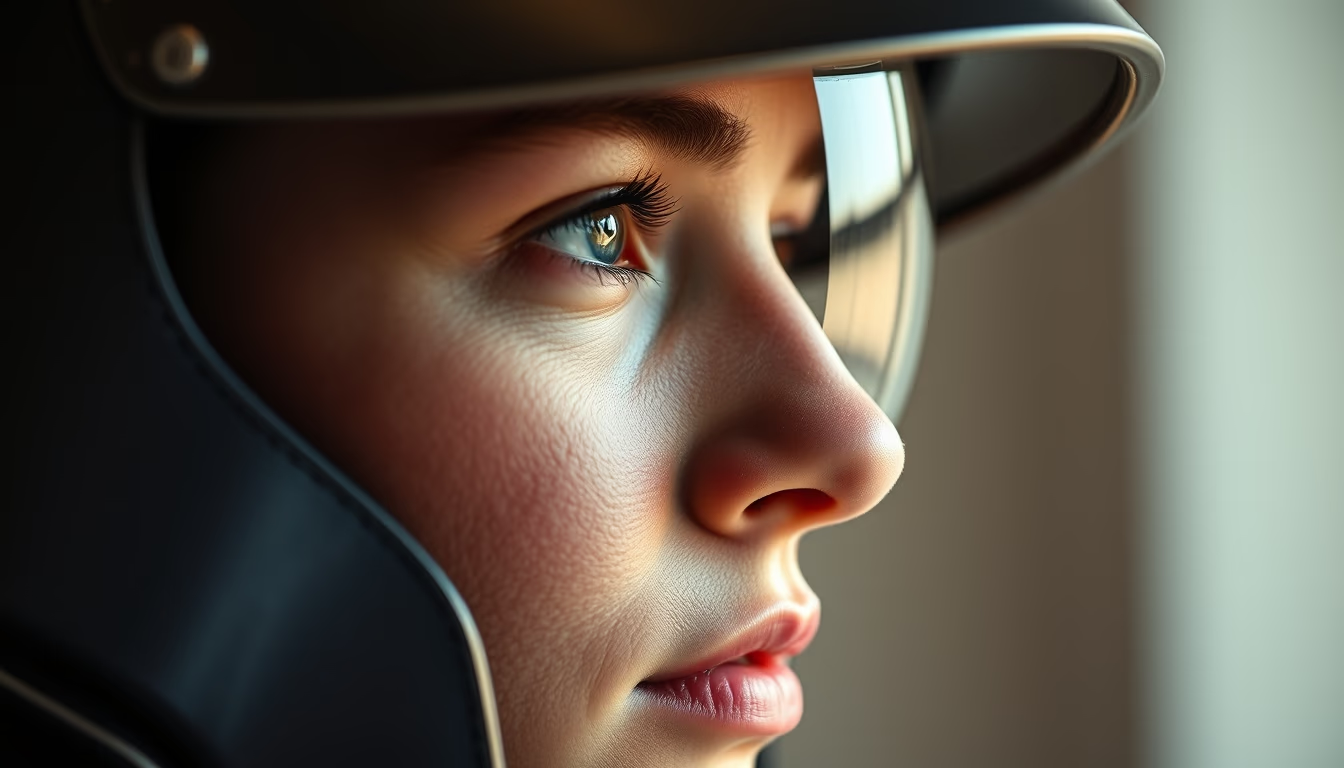
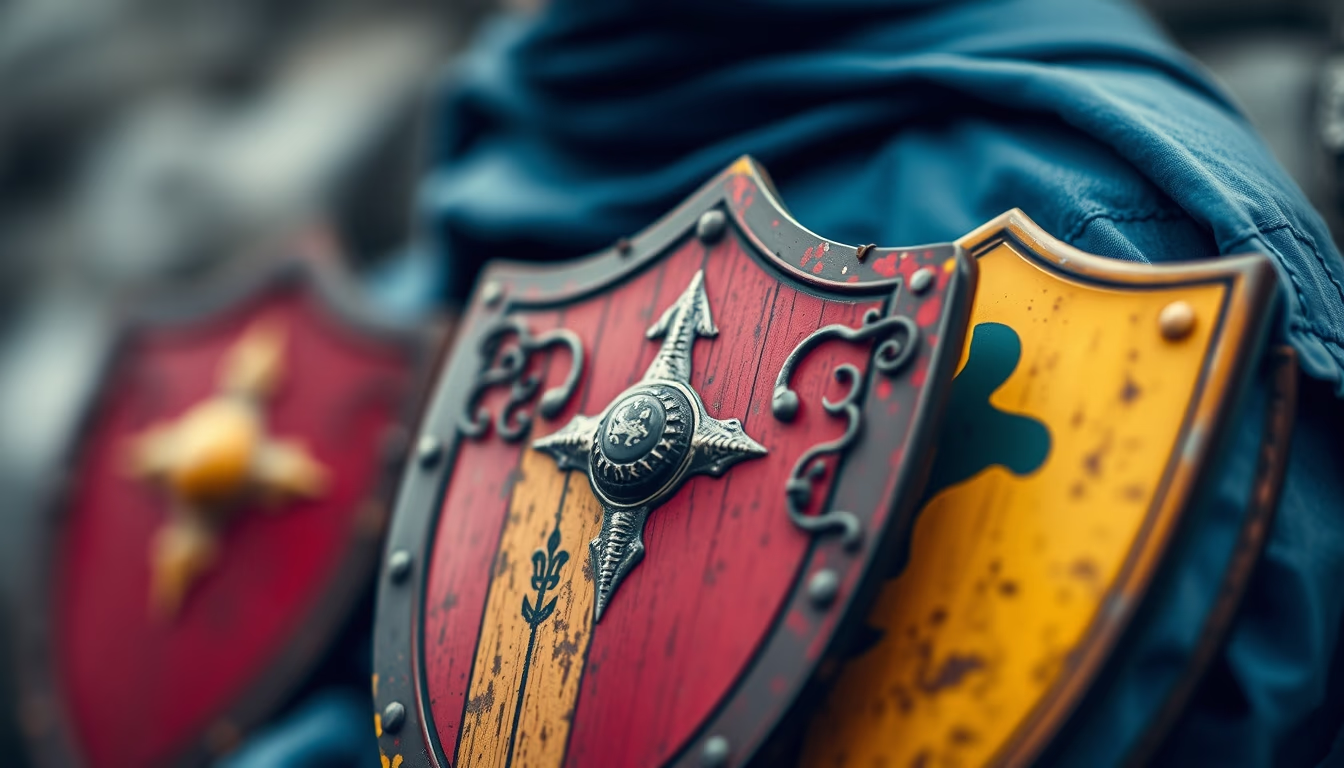
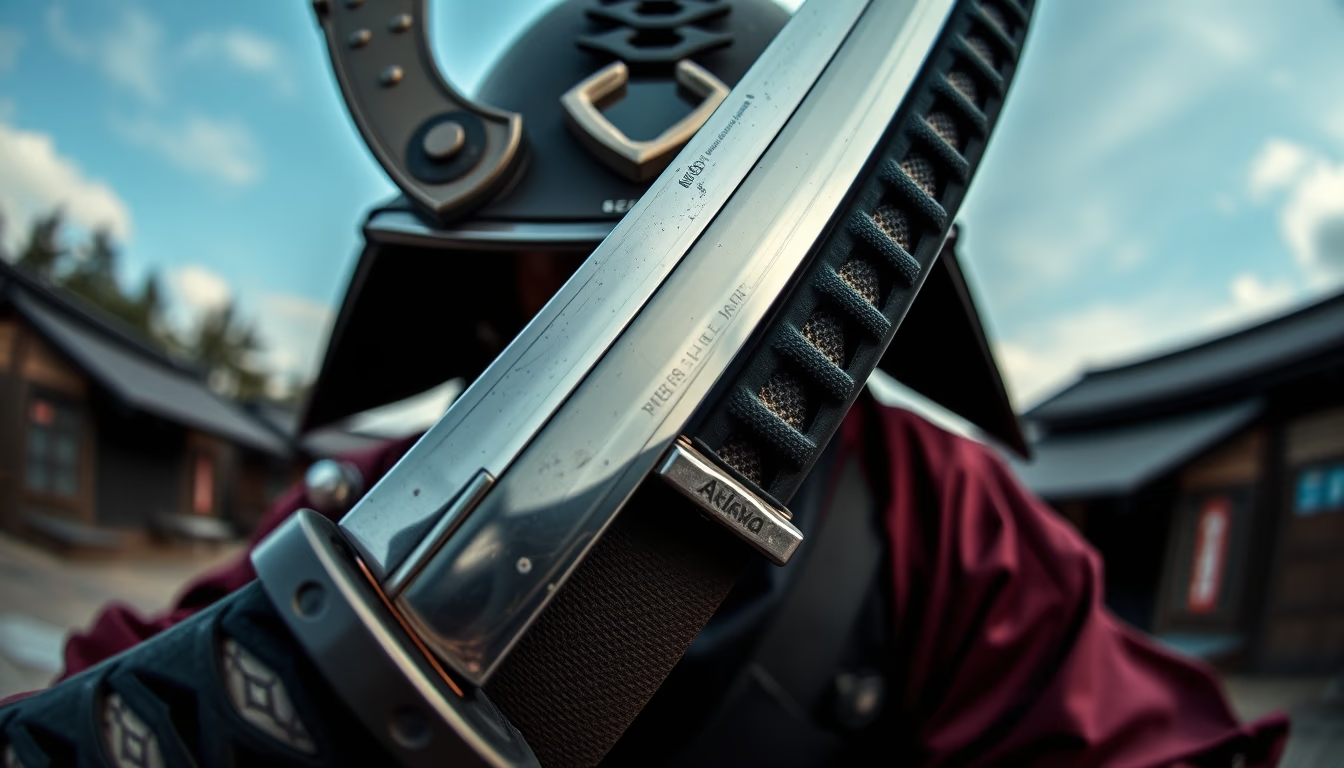
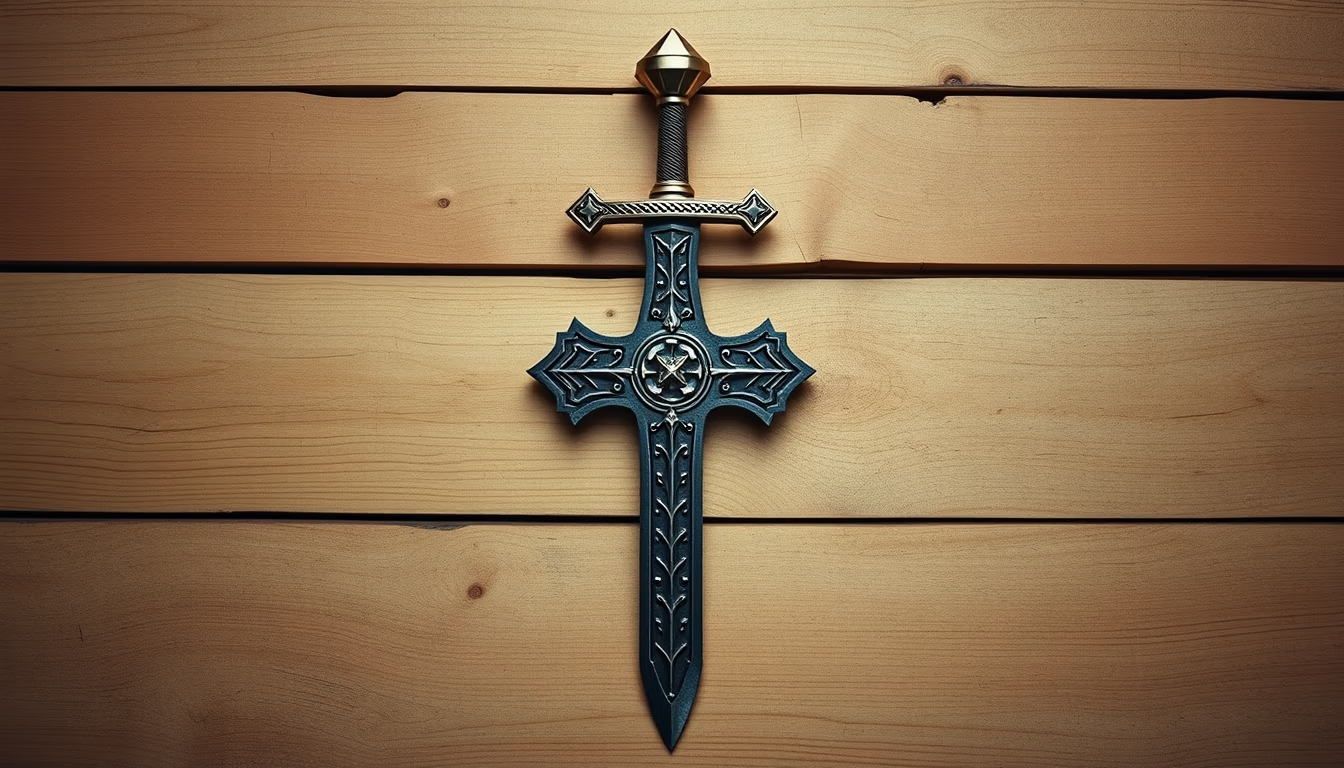
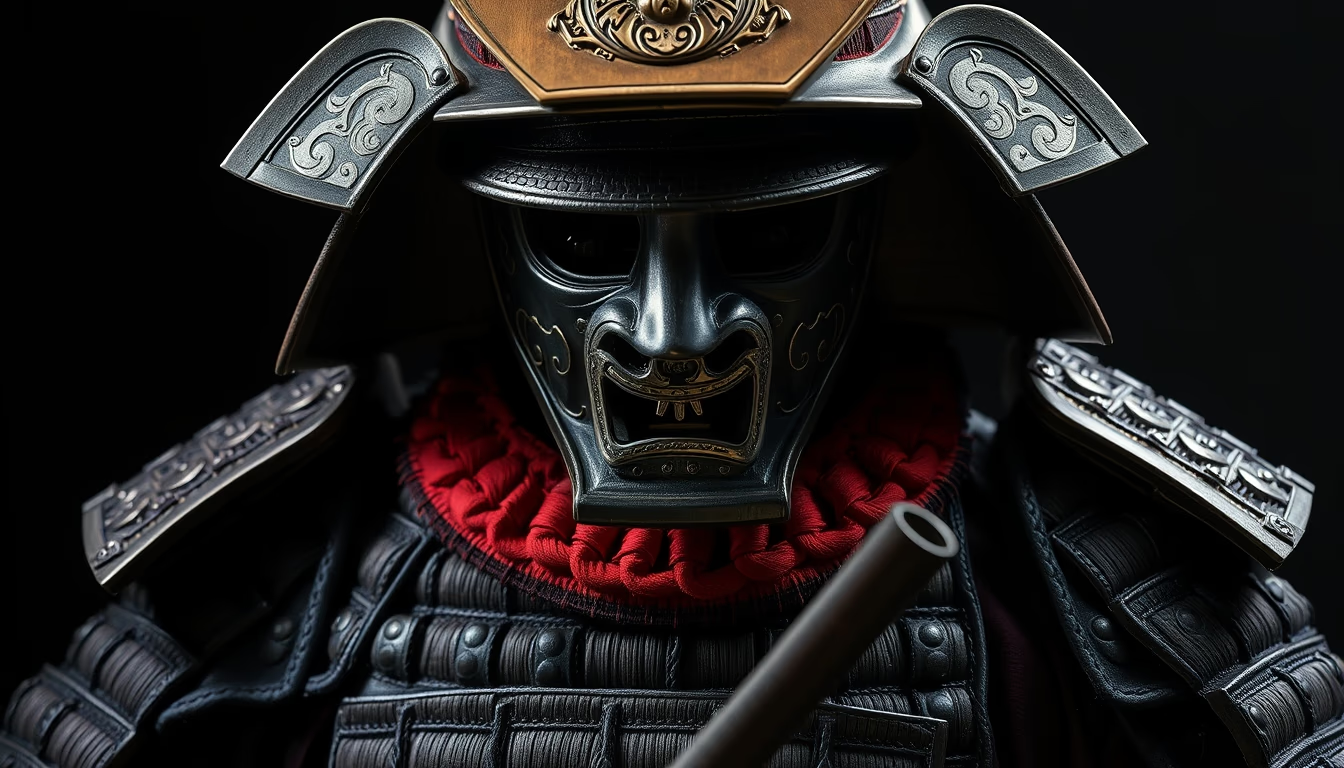
Close-up of a medieval knight's visor, revealing the intricate facial protection mechanisms used by European knights between the 13th and 16th centuries.
About this subject
The visor is the movable part of the helmet that protects the knight's face, leaving only narrow slits for vision and breathing. Its evolution accompanied the development of plate armor, becoming more elaborate from the 14th century onward. Helmets like the German 'crancelin' or the Italian 'armet' featured hinged visors that could be raised or fully removed. The main function was to deflect sword and lance blows, but also to intimidate opponents, often with grotesque or pointed shapes. The visor became an icon of medieval knighthood, present in tournaments, battles, and artistic representations, symbolizing bravery and the code of chivalry.
The visor was attached to the helmet by pins or hinges, allowing the knight to open it for better ventilation or communication. Design varied by region: in Germany, multiple horizontal slits were preferred; in Italy, a single wide vertical slit. Beyond defense, the visor reflected the wearer's social status, with precious metal decorations or heraldic crests. The average weight of a complete helmet with visor was 2 to 4 kilograms, well distributed to not impair the warrior's movements.
Interestingly, knights often personalized their visors with colors and symbols for identification in battle, a practice that preceded modern military uniforms. The visor also inspired the design of motorcycle helmets and industrial safety equipment, demonstrating its lasting influence on facial protection engineering. In museums and private collections, original visors are rare and valuable pieces, studied by historians and medieval enthusiasts.
Frequently Asked Questions
How did knights breathe with the visor closed?
The visor had small slits or holes to allow air passage, though breathing was still difficult. In prolonged battles, knights often raised the visor to breathe better.
What is the difference between a visor and a full helmet?
The visor is the movable front part of the helmet that protects the face, while the full helmet includes the piece covering the entire head. Some helmets, like the bascinet, had a detachable visor.
When did the visor stop being used?
With the advent of firearms in the 16th century, plate armor became obsolete, and the visor was gradually abandoned, remaining only in ceremonial contexts.
Direct URL
https://pub-c7d6a6ea828543ac903a74a341ccb2e1.r2.dev/imagens/knight-visor-closeup-documentary-photography-p11.avifHow to credit
Include a visible link back to UtilizAí. Copy one of the snippets below:
<a href="https://xn--utiliza-eza.com/en/midia/imagens/knight-visor-closeup-documentary-photography-p11">Knight visor closeup</a> by <a href="https://xn--utiliza-eza.com">UtilizAí</a>, licensed under <a href="https://creativecommons.org/licenses/by/4.0/">CC BY 4.0</a>.
[Knight visor closeup](https://xn--utiliza-eza.com/en/midia/imagens/knight-visor-closeup-documentary-photography-p11) by [UtilizAí](https://xn--utiliza-eza.com), CC BY 4.0
License: CC-BY-4.0