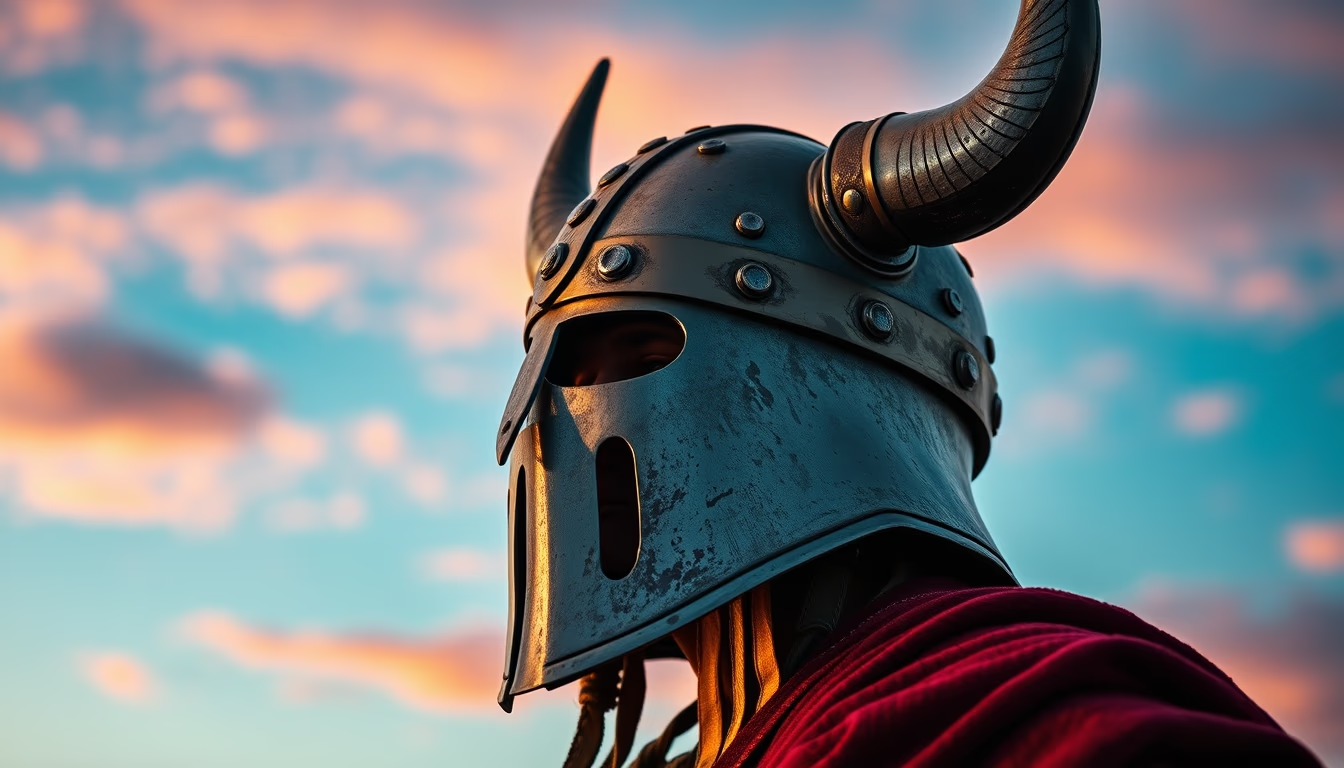
Viking helmet replica
1344×768 · AVIF · CC BY 4.0
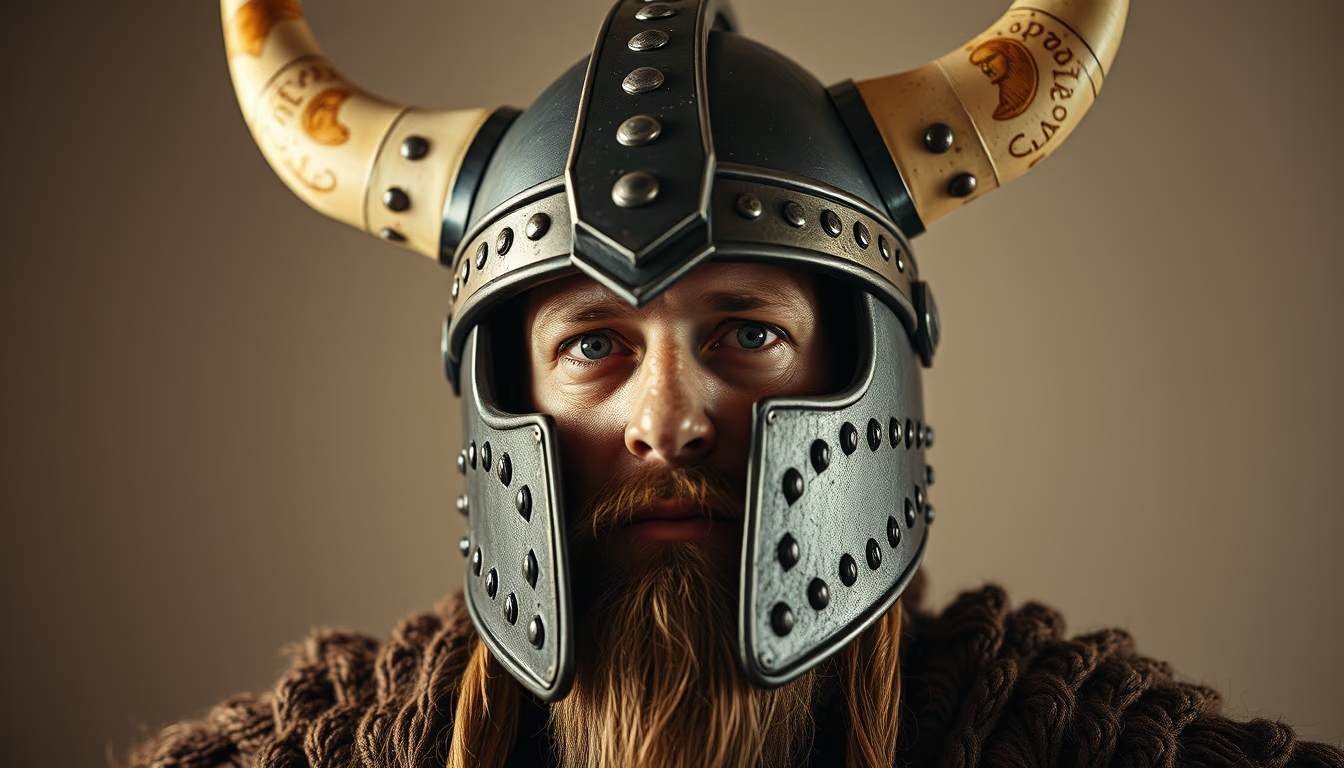
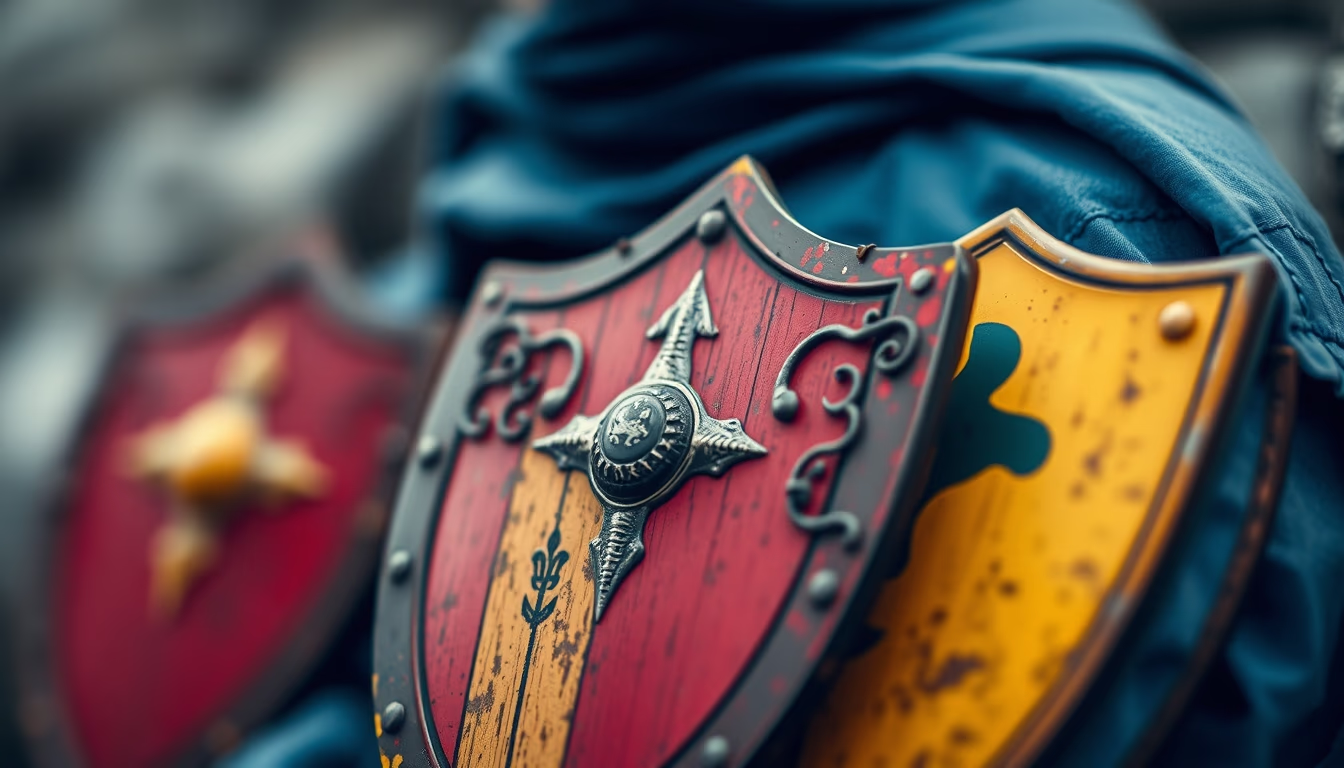
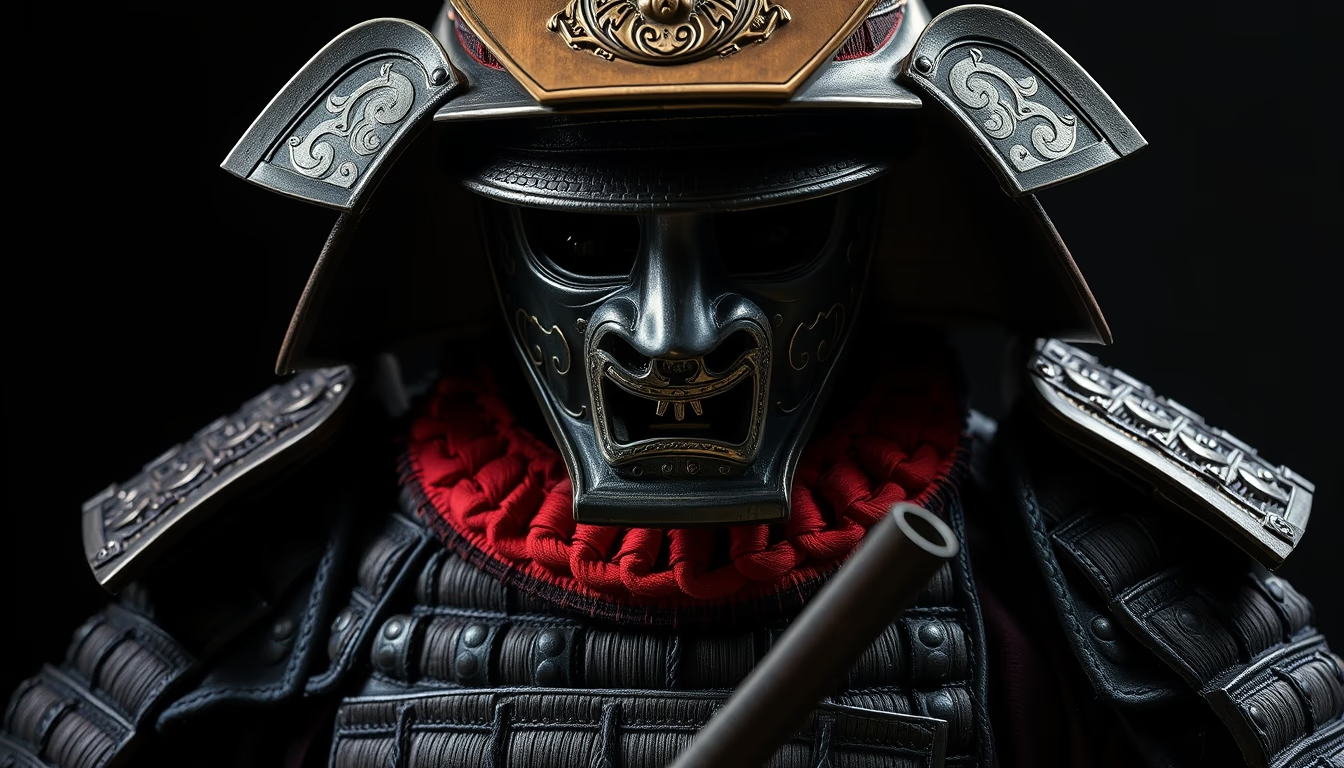
Viking helmet replica: uncover the truth behind the famous horned helmets and their actual role in the Viking Age.
About this subject
Viking helmet replicas are popular among history enthusiasts, historical reenactors, and fans of Norse culture. Many replicas reproduce the stereotype of the horned helmet, widely propagated by Wagner's operas, 19th century illustrations, and cinematographic productions. However, archaeological evidence indicates that real Viking warriors never wore horns in battle. Horns would be impractical and dangerous in combat, and no archaeological trace supports their existence.
The only complete Viking helmet ever found is the Gjermundbu helmet, discovered in 1943 in Norway. Made of iron, it has a simple structure without horns or exaggerated ornaments, featuring a face guard and a rounded dome. This find dates to the 10th century and serves as the primary reference for historically accurate reconstructions. Modern replicas of this model are used in historical reenactments and experimental archaeology.
Viking helmet replicas range from cheap decorative items to detailed handcrafted pieces forged in steel or even leather. Many are produced for themed parties, cosplay, or decoration, while others aim for historical authenticity, used by reenactment groups. Crafting a faithful replica involves medieval metalworking techniques such as hammering and riveting, and may include details like embossed eyebrows and side reinforcements.
Beyond their martial purpose, Viking helmets held symbolic significance. They were often decorated with geometric patterns, runes, or animal representations, which could invoke divine protection or display social status. The absence of horns in archaeological finds does not diminish the fascination with these objects, which continue to inspire researchers and entertainment creators alike.
Frequently Asked Questions
Did Vikings really wear horned helmets?
No. There is no archaeological evidence that Vikings wore horned helmets in battle. This image was popularized by 19th-century artists and Wagner's opera. Real helmets were simple and functional, like the Gjermundbu helmet.
How were Viking helmets made?
Viking helmets were usually made of iron, forged in one piece or composed of riveted plates. They could include a visor for facial protection and side reinforcements. Some were decorated with metal reliefs or inlays.
What is the most famous Viking helmet found?
The Gjermundbu helmet, discovered in Norway in 1943, is the most famous and the only complete example of a Viking helmet. It dates from the 10th century and is the main reference for historical reconstructions.
Direct URL
https://pub-c7d6a6ea828543ac903a74a341ccb2e1.r2.dev/imagens/viking-helmet-replica-lo-fi-disposable-camera-p9.avifHow to credit
Include a visible link back to UtilizAí. Copy one of the snippets below:
<a href="https://xn--utiliza-eza.com/en/midia/imagens/viking-helmet-replica-lo-fi-disposable-camera-p9">Viking helmet replica</a> by <a href="https://xn--utiliza-eza.com">UtilizAí</a>, licensed under <a href="https://creativecommons.org/licenses/by/4.0/">CC BY 4.0</a>.
[Viking helmet replica](https://xn--utiliza-eza.com/en/midia/imagens/viking-helmet-replica-lo-fi-disposable-camera-p9) by [UtilizAí](https://xn--utiliza-eza.com), CC BY 4.0
License: CC-BY-4.0