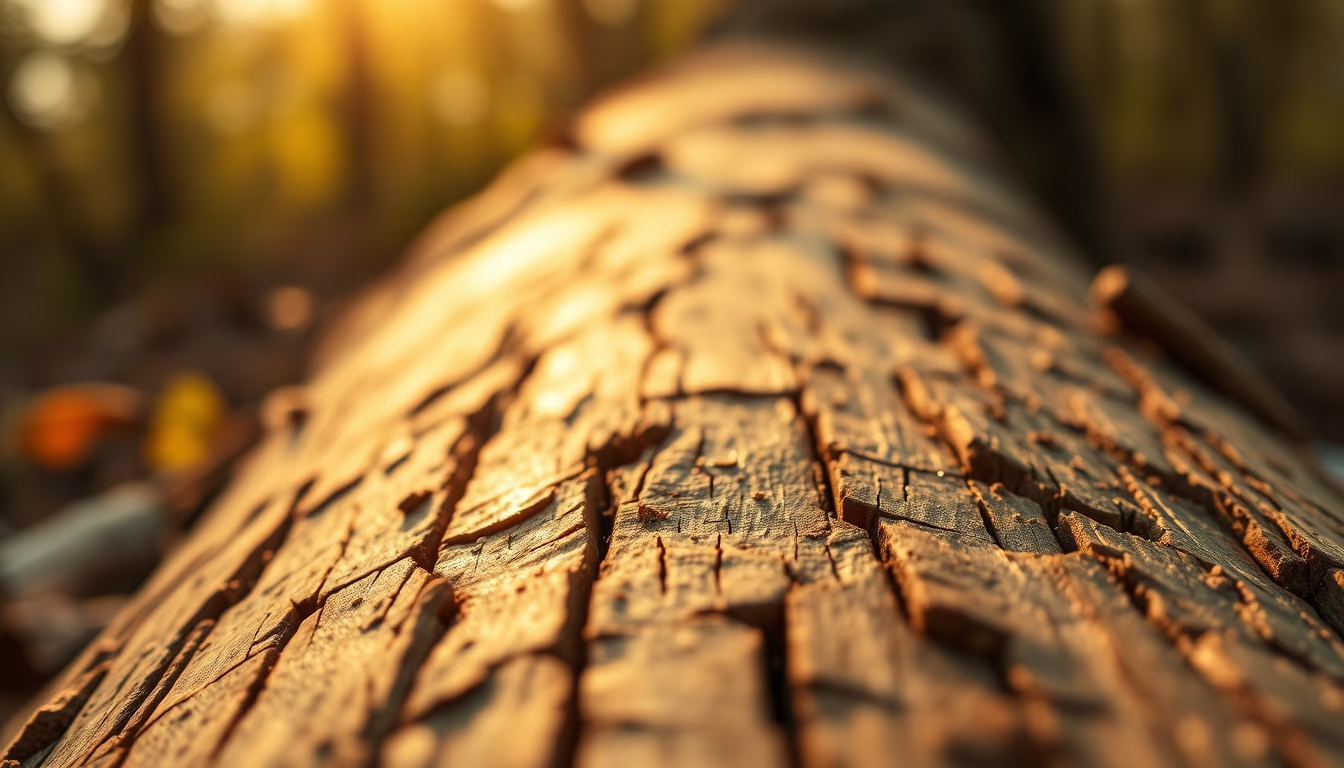
Tree bark texture
1344×768 · AVIF · CC BY 4.0
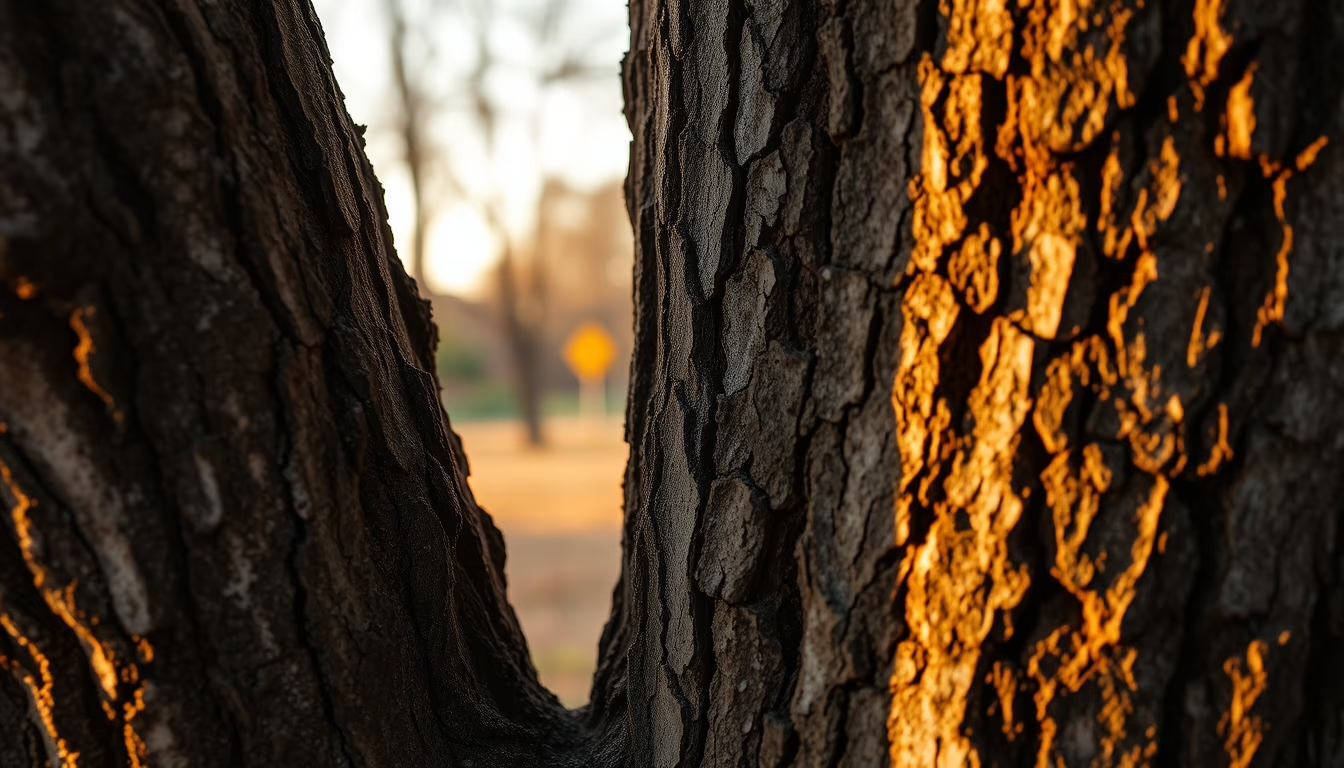
A casca das árvores é uma estrutura protetora essencial, revelando padrões únicos e contando histórias sobre a espécie e o ambiente.
Sobre o tema
A casca é a camada mais externa do tronco, ramos e raízes das árvores, funcionando como uma barreira contra agentes externos como insetos, fungos, fogo e variações climáticas. Composta por tecido morto (ritidoma) e camadas internas vivas (felogênio, floema), sua textura varia enormemente entre espécies: lisa em eucaliptos jovens, escamosa em pinheiros, sulcada em carvalhos ou fibrosa em palmeiras. No Brasil, árvores como a peroba (Aspidosperma polyneuron) exibem casca áspera e fissurada, enquanto o jequitibá-rosa (Cariniana legalis) tem casca lisa e descamante.
A textura da casca tem funções ecológicas cruciais. Em ecossistemas propensos ao fogo, como o cerrado, muitas espécies desenvolvem casca espessa e cortiça (súber) que isola os tecidos vivos das queimadas. O ipê-amarelo (Handroanthus chrysotrichus) e a aroeira (Myracrodruon urundeuva) são exemplos típicos. Além disso, a casca serve como micro-habitat para líquens, musgos, insetos e pequenos animais, contribuindo para a biodiversidade local.
Historicamente, a casca é uma fonte de recursos para o ser humano. A cortiça extraída do sobreiro (Quercus suber) é usada em rolhas e isolamento. No Brasil, a casca do barbatimão (Stryphnodendron adstringens) é empregada na medicina popular por suas propriedades cicatrizantes, e a do angico (Anadenanthera colubrina) fornece taninos para curtimento de couro. Observar a textura da casca é também uma técnica fundamental para identificar árvores na natureza, especialmente durante o inverno em regiões temperadas, quando as folhas caem.
Curiosamente, as pinturas rupestres em sítios arqueológicos como a Serra da Capivara registram árvores com cascas distintas, indicando que a textura da casca já era um elemento de reconhecimento para povos antigos. Cada padrão, seja ele liso, escamoso, fissurado ou reticulado, é uma adaptação evolutiva que reflete a história e o ambiente da árvore.
Perguntas frequentes
Por que a casca das árvores tem texturas diferentes?
A textura da casca varia devido a adaptações evolutivas ao ambiente: casca grossa e cortiça protege contra incêndios em savanas, enquanto casca lisa reduz o acúmulo de líquens em florestas úmidas. Cada espécie desenvolve padrões que favorecem sua sobrevivência.
Qual é a função principal da casca de uma árvore?
A casca protege os tecidos internos da árvore contra danos físicos, patógenos, insetos e condições climáticas extremas. Também armazena nutrientes e pode realizar fotossíntese em algumas espécies.
Como identificar árvores pela casca no Brasil?
Observe características como cor, textura (lisa, fissurada, escamosa, fibrosa) e presença de líquens ou exsudados. Guias de campo específicos para biomas brasileiros (Amazônia, Cerrado, Mata Atlântica) ajudam a reconhecer espécies como ipê, jequitibá e peroba pela casca.
URL direta
https://pub-c7d6a6ea828543ac903a74a341ccb2e1.r2.dev/imagens/tree-bark-texture-travel-photography-p4.avifComo creditar
Inclua um link visível de volta pro UtilizAí. Copie um dos snippets abaixo:
<a href="https://xn--utiliza-eza.com/midia/imagens/tree-bark-texture-travel-photography-p4">Tree bark texture</a> by <a href="https://xn--utiliza-eza.com">UtilizAí</a>, licensed under <a href="https://creativecommons.org/licenses/by/4.0/">CC BY 4.0</a>.
[Tree bark texture](https://xn--utiliza-eza.com/midia/imagens/tree-bark-texture-travel-photography-p4) by [UtilizAí](https://xn--utiliza-eza.com), CC BY 4.0
Licença: CC-BY-4.0