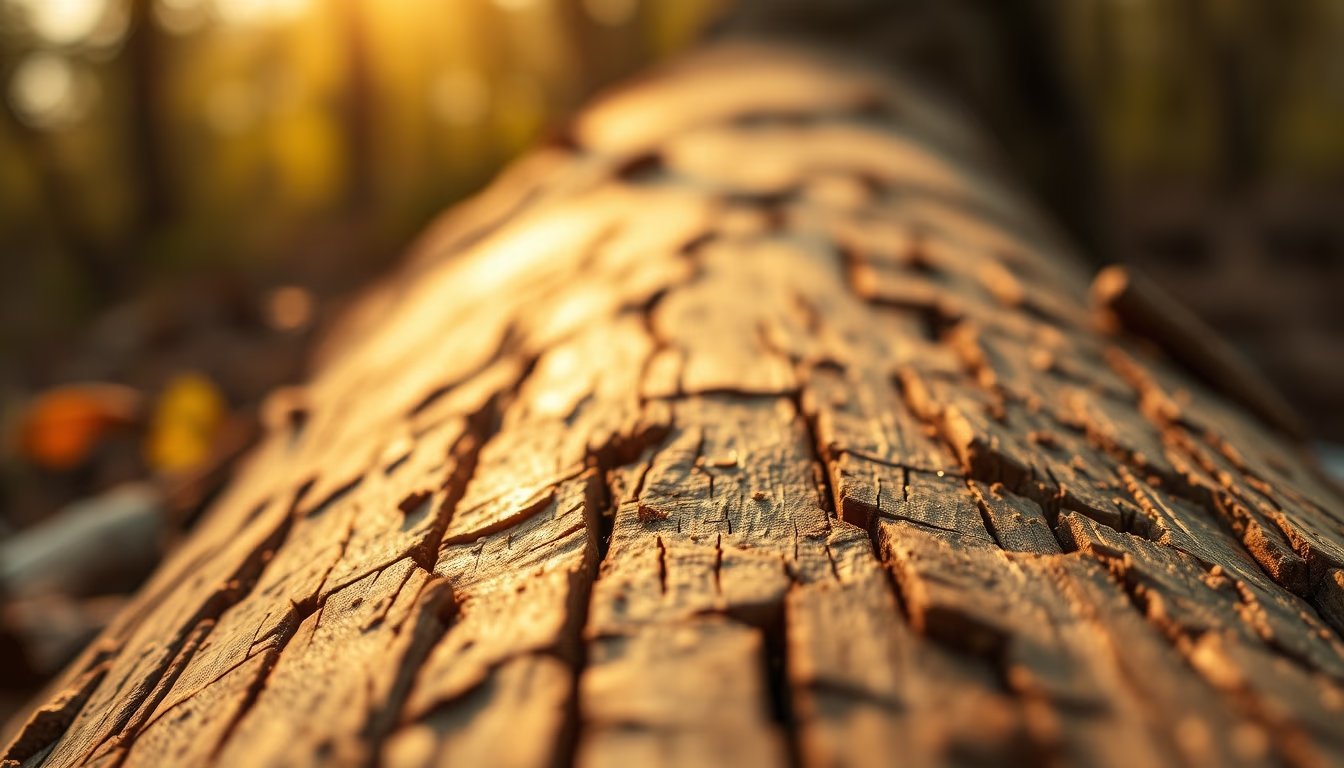
Tree bark texture
1344×768 · AVIF · CC BY 4.0
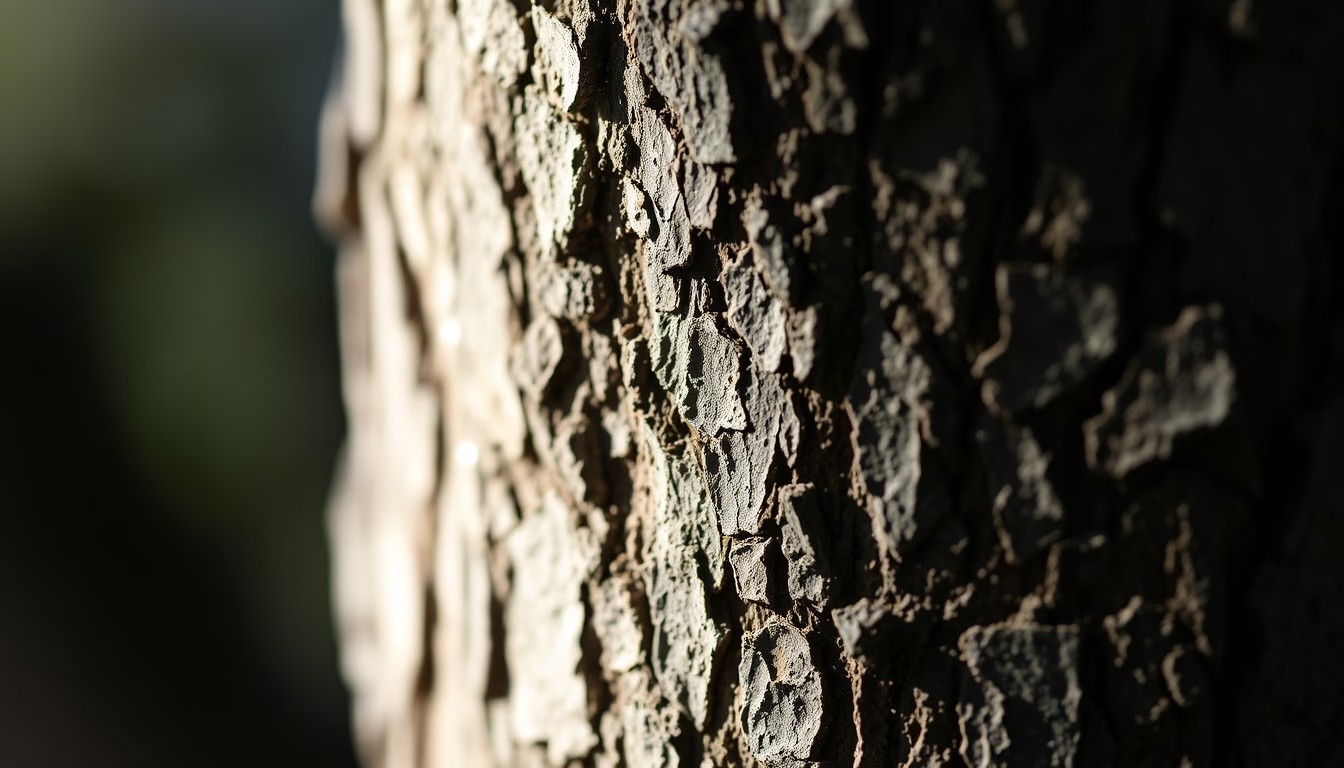
Tree bark texture reveals unique patterns that protect and nourish the plant, while also serving as habitat for various species.
About this subject
Tree bark is much more than a simple outer covering. It acts as a physical barrier against herbivores, pathogens, and extreme weather. Bark texture varies enormously among species: from smooth and thin, typical of young trees or certain species like the sibipiruna (Caesalpinia pluviosa), to thick and deeply furrowed, as in the case of the maritime pine (Pinus pinaster). This diversity reflects evolutionary adaptations to the environment. For instance, thick, corky barks like those of the cork oak (Quercus suber) protect against wildfires, a common phenomenon in Mediterranean ecosystems.
Beyond protection, bark texture plays a crucial ecological role. Fissures and grooves create microhabitats for insects, lichens, mosses, and fungi. Many birds, such as woodpeckers, rely on bark for foraging insects or building nests. Roughness also influences water retention and seed attachment. In tropical forests, where competition for light is intense, smooth bark can hinder epiphyte growth, while rough bark facilitates it. In Brazil, the bark of the aroeira (Schinus terebinthifolia) is known for its medicinal properties, used in folk medicine to treat wounds and inflammations.
Culturally, different civilizations use tree bark for various purposes. Indigenous Brazilians extract fibers from the bark of certain trees to make ropes and fabrics. In industry, cork from cork oaks is harvested for bottle stoppers and insulation. The bark of the chinaberry tree (Melia azedarach) serves as a natural insecticide. Interestingly, bark texture can help identify trees during winter when leaves have fallen. Botanists often use bark characteristics, such as the presence of lenticels (pores for gas exchange), to classify species. In ecological restoration projects, choosing species with different bark textures can increase local biodiversity.
Frequently Asked Questions
Why do tree barks have such different textures?
Bark texture reflects evolutionary adaptations to the environment. Smooth bark may be a defense against climbing plants or fire, while rough bark provides microhabitats for organisms and protection against herbivores and weather.
What is the function of lenticels in bark?
Lenticels are pores in the bark that allow gas exchange, such as oxygen intake and carbon dioxide release. They are essential for respiration of the living tissues in the trunk.
Can a tree be identified solely by its bark?
Yes, bark texture, color, and pattern are important identification features, especially when leaves are absent in winter. Botanists use these characteristics to distinguish species.
Direct URL
https://pub-c7d6a6ea828543ac903a74a341ccb2e1.r2.dev/imagens/tree-bark-texture-fine-art-photography-p1.avifHow to credit
Include a visible link back to UtilizAí. Copy one of the snippets below:
<a href="https://xn--utiliza-eza.com/en/midia/imagens/tree-bark-texture-fine-art-photography-p1">Tree bark texture</a> by <a href="https://xn--utiliza-eza.com">UtilizAí</a>, licensed under <a href="https://creativecommons.org/licenses/by/4.0/">CC BY 4.0</a>.
[Tree bark texture](https://xn--utiliza-eza.com/en/midia/imagens/tree-bark-texture-fine-art-photography-p1) by [UtilizAí](https://xn--utiliza-eza.com), CC BY 4.0
License: CC-BY-4.0