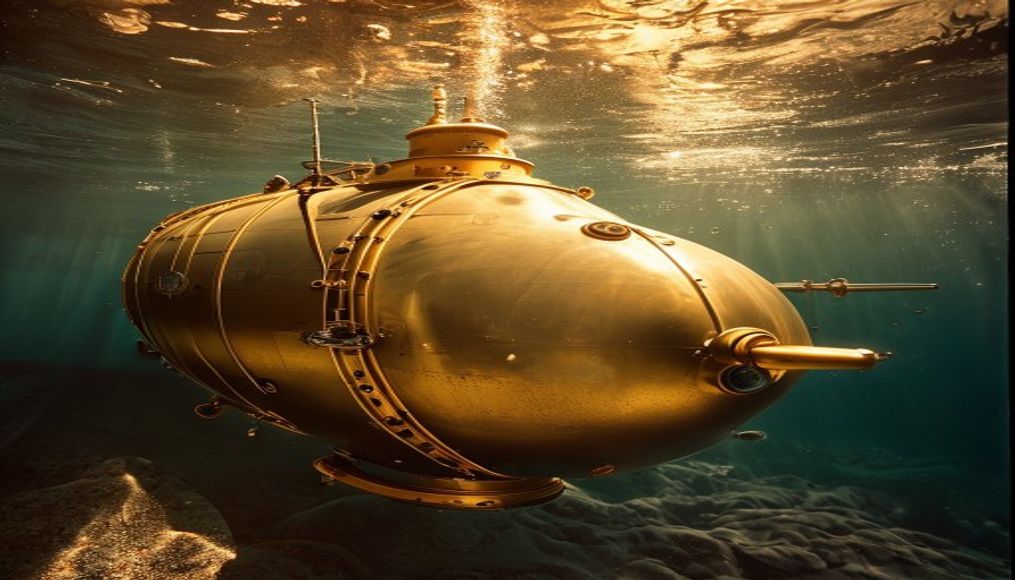
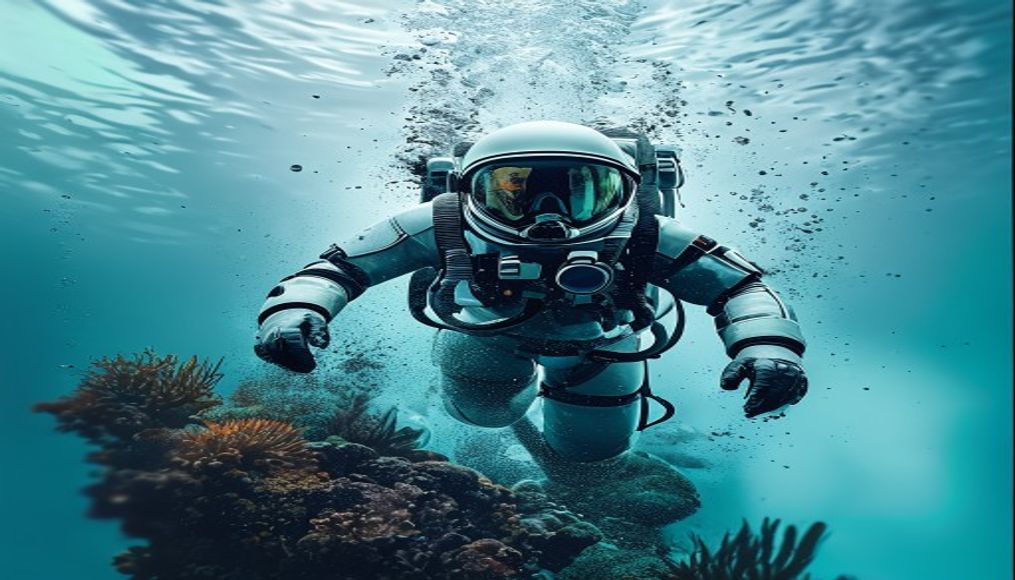
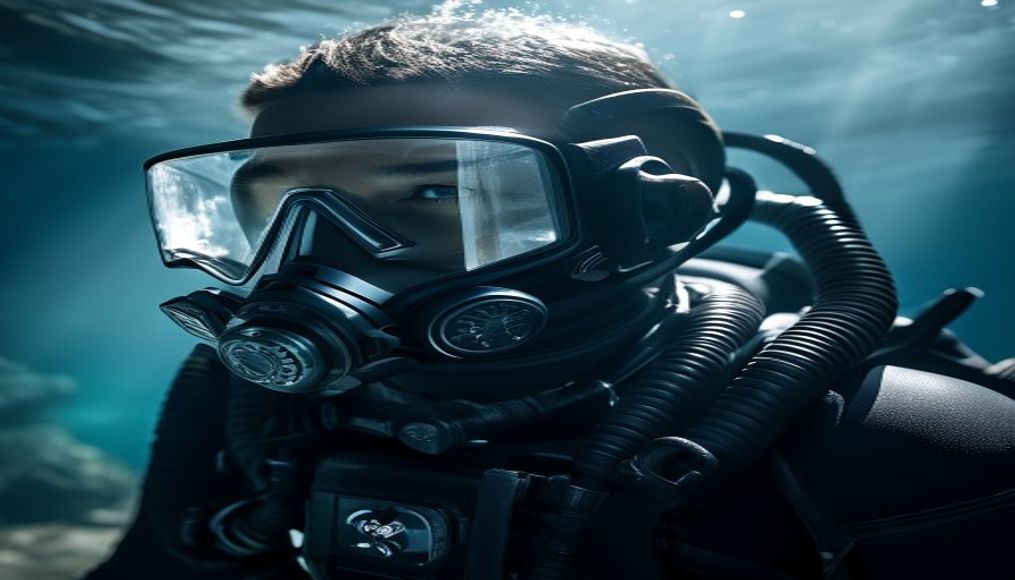
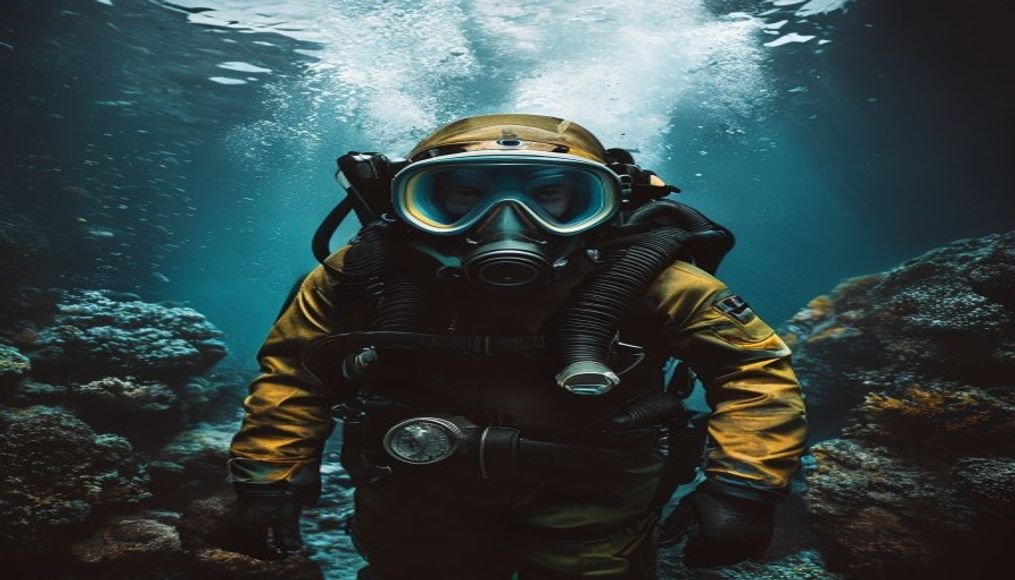
Submersible alvin research
1344×768 · AVIF · CC BY 4.0
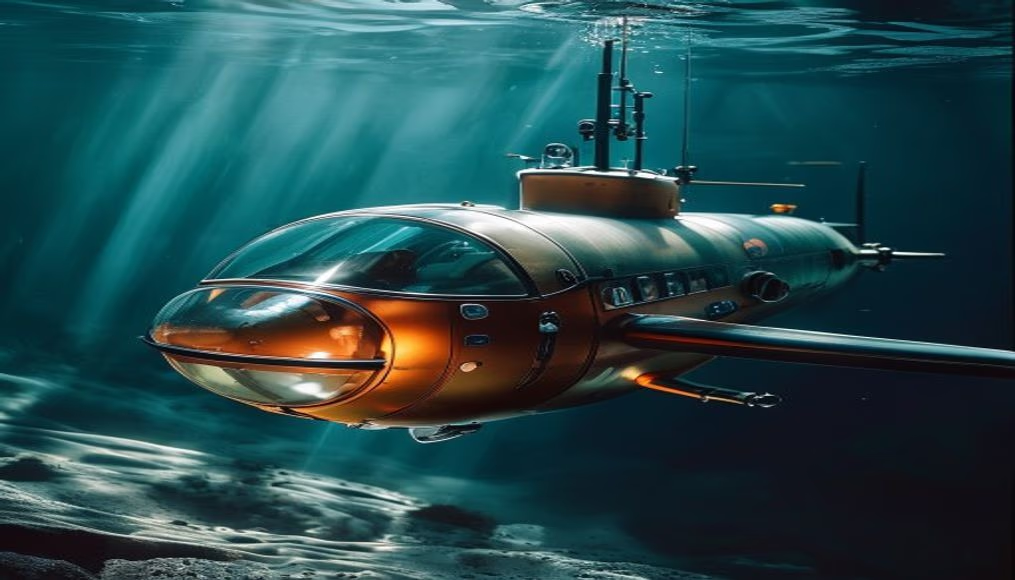
The submersible Alvin is one of the most iconic vehicles in ocean exploration, responsible for groundbreaking discoveries in the deep sea.
About this subject
Alvin entered service in 1964, operated by the Woods Hole Oceanographic Institution (WHOI) in the United States. Capable of carrying three crew members to depths of up to 4,500 meters, it revolutionized the study of deep-sea trenches and abyssal ecosystems. In 1977, aboard Alvin, scientists discovered hydrothermal vents and their associated biological communities at the Galápagos Rift, proving that life can thrive without sunlight. In 1986, the submersible was used to explore the wreck of the Titanic in the North Atlantic, generating images that captivated the world.
Alvin has undergone numerous upgrades over the decades. The current version, Alvin II, entered service in 2022 with an improved buoyancy system and increased payload for scientific instruments. It can perform dives lasting up to 10 hours, collecting samples of rocks, fluids, and organisms. Its datasets have contributed to understanding deep-sea ecosystems, biogeochemical cycles, and even to the search for extraterrestrial life in analogous environments.
Interestingly, the name Alvin honors oceanographer Allyn Vine, who advocated for the construction of a dedicated research submersible. Since its creation, the vehicle has completed over 5,000 dives, making it one of the most productive in the history of oceanography. Its discoveries continue to inspire new generations of scientists and highlight the importance of preserving the deep oceans.
Frequently Asked Questions
What is the maximum depth Alvin can reach?
Alvin is designed to operate at depths of up to 4,500 meters, covering about 63% of the global ocean floor.
What important discoveries has Alvin made?
Key discoveries include hydrothermal vents in 1977 and the location of the Titanic wreck in 1986.
Is Alvin still in operation?
Yes, Alvin underwent a major upgrade in 2022 and remains active, conducting scientific research in the deep ocean.
Direct URL
https://pub-c7d6a6ea828543ac903a74a341ccb2e1.r2.dev/imagens/submersible-alvin-research-magazine-editorial-p1.avifHow to credit
Include a visible link back to UtilizAí. Copy one of the snippets below:
<a href="https://xn--utiliza-eza.com/en/midia/imagens/submersible-alvin-research-magazine-editorial-p1">Submersible alvin research</a> by <a href="https://xn--utiliza-eza.com">UtilizAí</a>, licensed under <a href="https://creativecommons.org/licenses/by/4.0/">CC BY 4.0</a>.
[Submersible alvin research](https://xn--utiliza-eza.com/en/midia/imagens/submersible-alvin-research-magazine-editorial-p1) by [UtilizAí](https://xn--utiliza-eza.com), CC BY 4.0
License: CC-BY-4.0