Underwater habitat aquanaut
1344×768 · JPG · CC BY 4.0
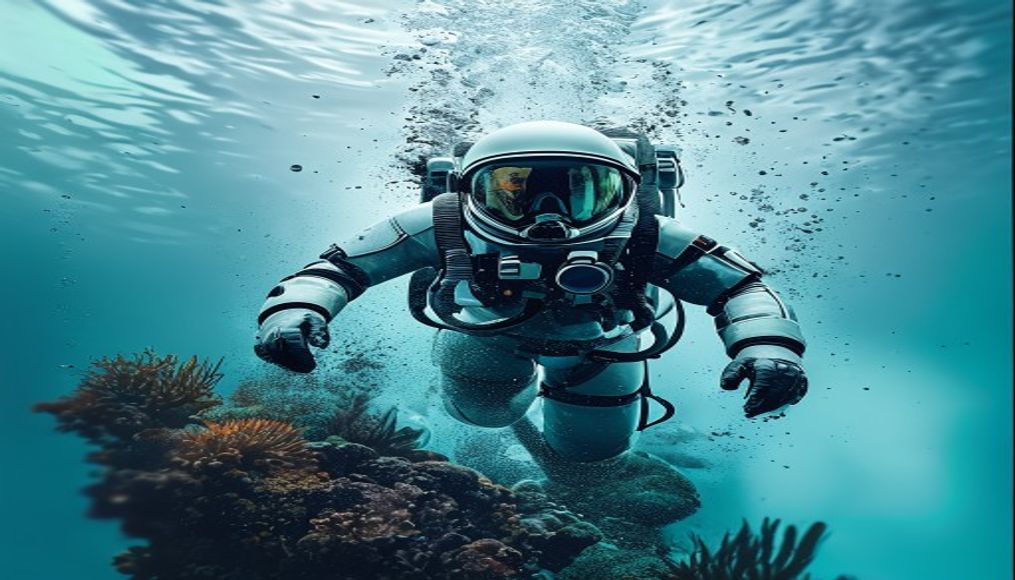
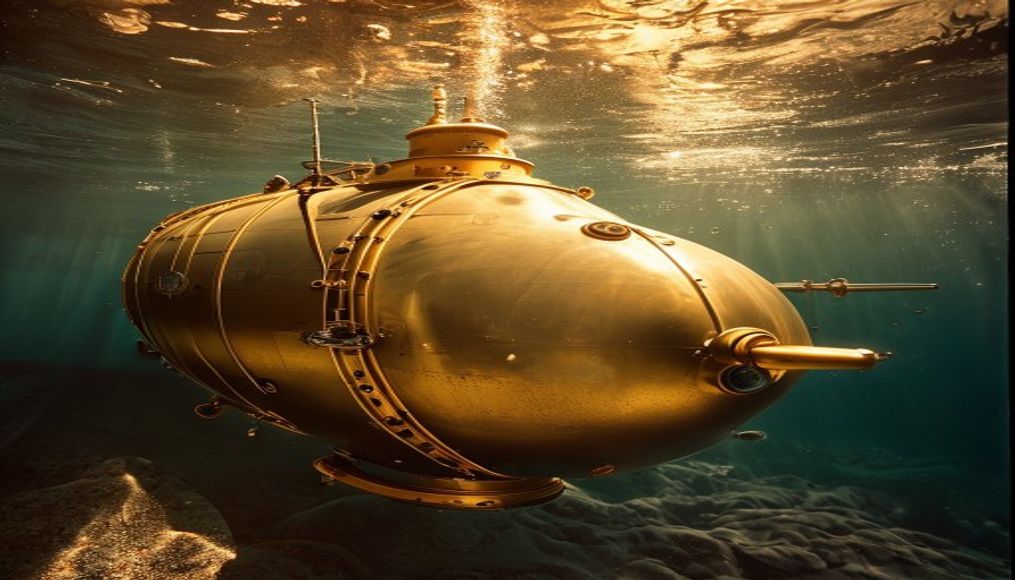
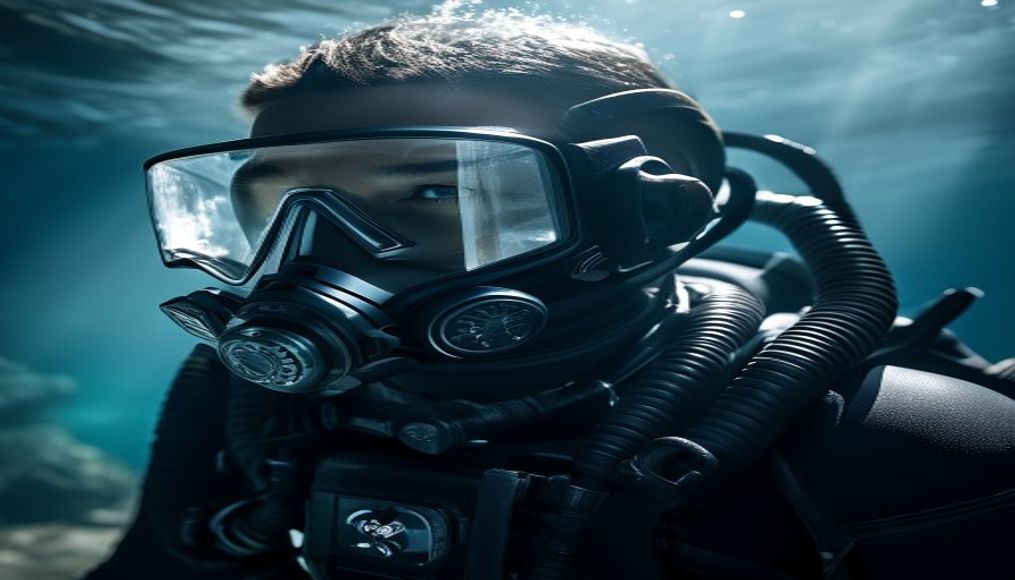
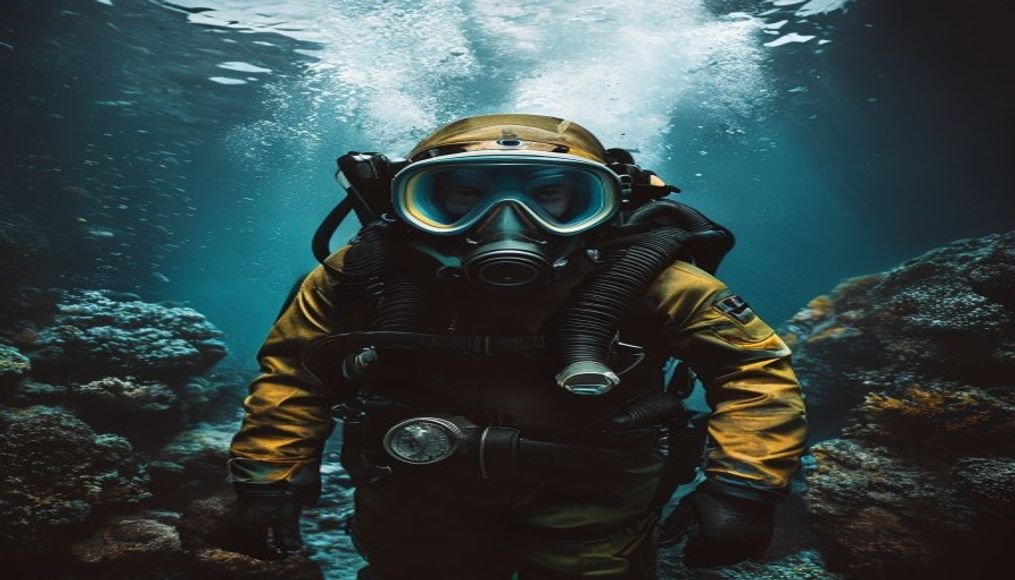
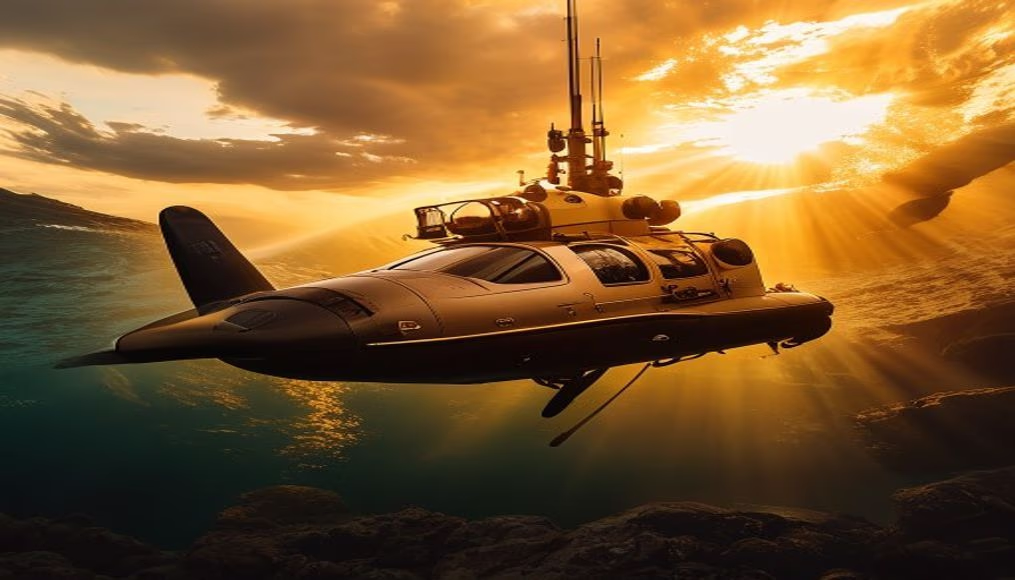
Aquanauts are scientists who live in underwater habitats to study the ocean, such as the Aquarius laboratory off the Florida Keys.
About this subject
The concept of an underwater habitat for human research dates back to the 1960s, when Jacques Cousteau launched the Conshelf (Continental Shelf) missions, establishing the first inhabited station in the Red Sea at 10 meters depth. Since then, programs like the U.S. Navy's SEALAB and, more recently, the Aquarius Reef Base, operated by Florida International University, have allowed aquanauts to live and work underwater for weeks. These structures are designed to maintain internal pressure equal to the outside, eliminating the need for lengthy decompression after repeated dives.
Aquanauts conduct critical research on coral reef ecosystems, nutrient dynamics, and climate change impacts. The Aquarius habitat, located 19 meters deep in the Florida Keys National Marine Sanctuary, includes bedrooms, a kitchen, a lab, and life-support systems. About 200 missions have taken place, including NASA's Extreme Environment Mission Operations (NEEMO), where astronauts simulate isolation conditions similar to a space station. This analogy is direct: living in an underwater habitat replicates some challenges of a spacecraft, such as confinement, limited communication, and working in a hostile environment.
Notably, the longest stay in an underwater habitat was 69 days, achieved by aquanauts during the Tektite project in the 1970s. Commercial underwater habitats also exist today, like Jules' Undersea Lodge in Florida, offering tourist experiences. However, the main contribution of these habitats is to science: they enable continuous observation of marine processes that would be impossible with daily scuba dives. The technology also inspires the design of future ocean and space bases, merging marine and aerospace exploration.
Frequently Asked Questions
What is an aquanaut?
An aquanaut is a professional who lives and works inside an underwater habitat for extended periods, usually to conduct scientific research in the ocean. Unlike a scuba diver, the aquanaut stays in place for days or weeks.
How long can an aquanaut stay submerged?
Typical missions last 1 to 3 weeks, but the record is 69 days, set during the Tektite II project in 1970. Duration depends on the habitat's life support and the crew's physical and mental endurance.
Are there underwater habitats accessible to the public?
Yes, Jules' Undersea Lodge in Key Largo, Florida, is an underwater habitat that offers stays for tourists. It was originally built as a research station in the 1970s and later converted for recreational use.
Direct URL
https://pub-c7d6a6ea828543ac903a74a341ccb2e1.r2.dev/imagens/underwater-habitat-aquanaut-commercial-product-photography-p4.jpgHow to credit
Include a visible link back to UtilizAí. Copy one of the snippets below:
<a href="https://xn--utiliza-eza.com/en/midia/imagens/underwater-habitat-aquanaut-commercial-product-photography-p4">Underwater habitat aquanaut</a> by <a href="https://xn--utiliza-eza.com">UtilizAí</a>, licensed under <a href="https://creativecommons.org/licenses/by/4.0/">CC BY 4.0</a>.
[Underwater habitat aquanaut](https://xn--utiliza-eza.com/en/midia/imagens/underwater-habitat-aquanaut-commercial-product-photography-p4) by [UtilizAí](https://xn--utiliza-eza.com), CC BY 4.0
License: CC-BY-4.0