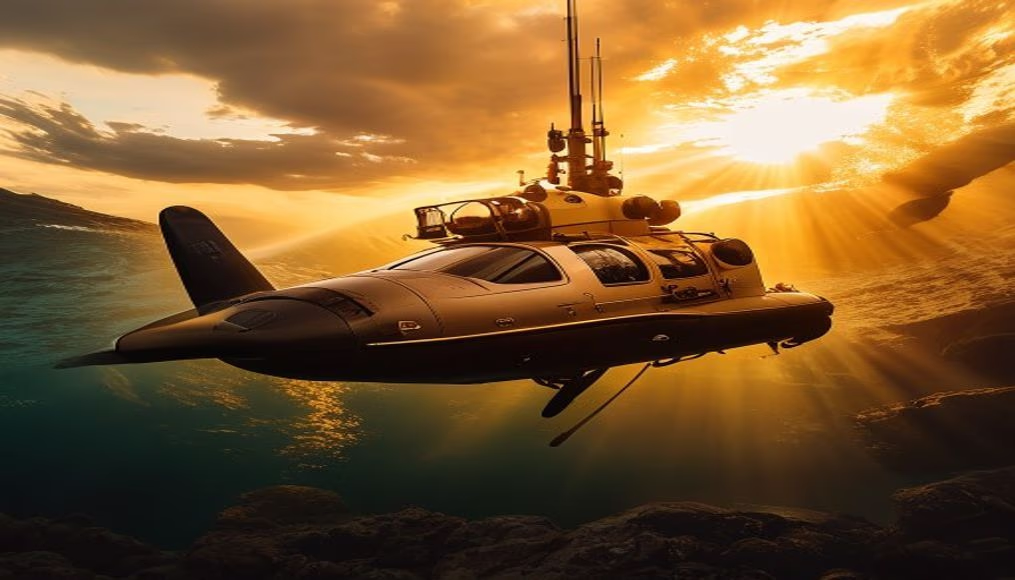
Rov remote operated
1344×768 · JPG · CC BY 4.0

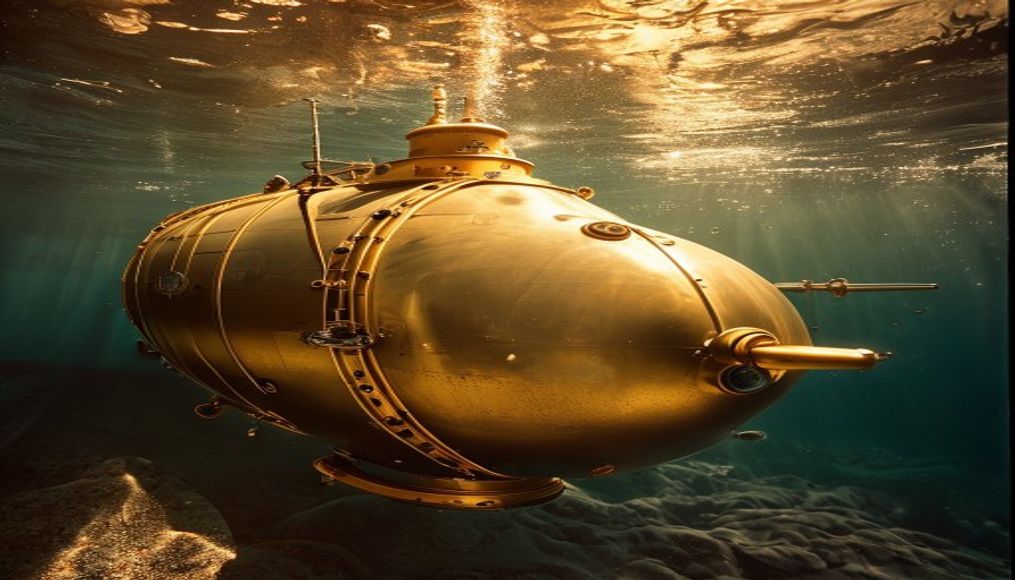
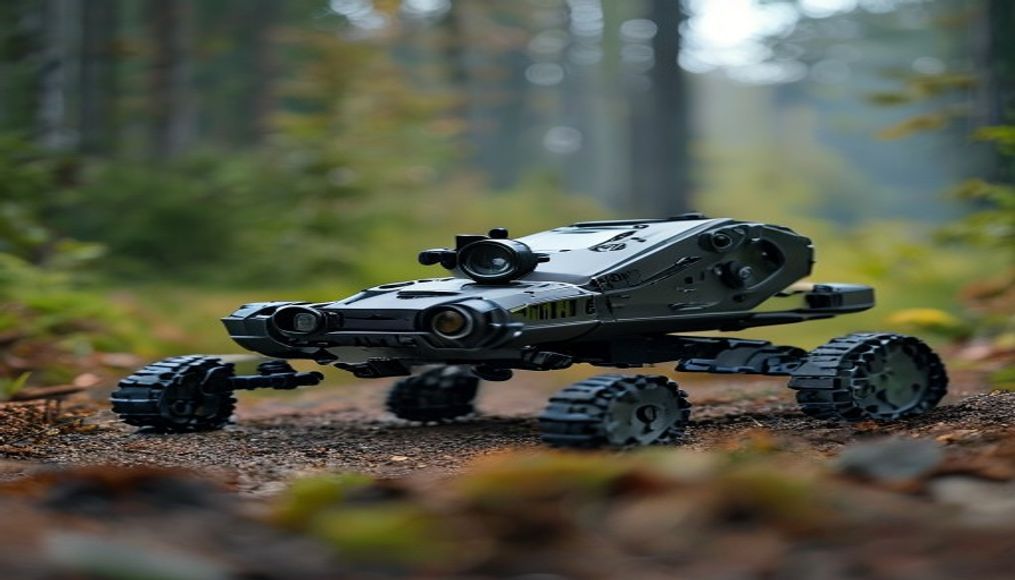
The ROV (Remotely Operated Vehicle) is an essential tool for underwater exploration, combining cutting-edge technology with functional design.
About this subject
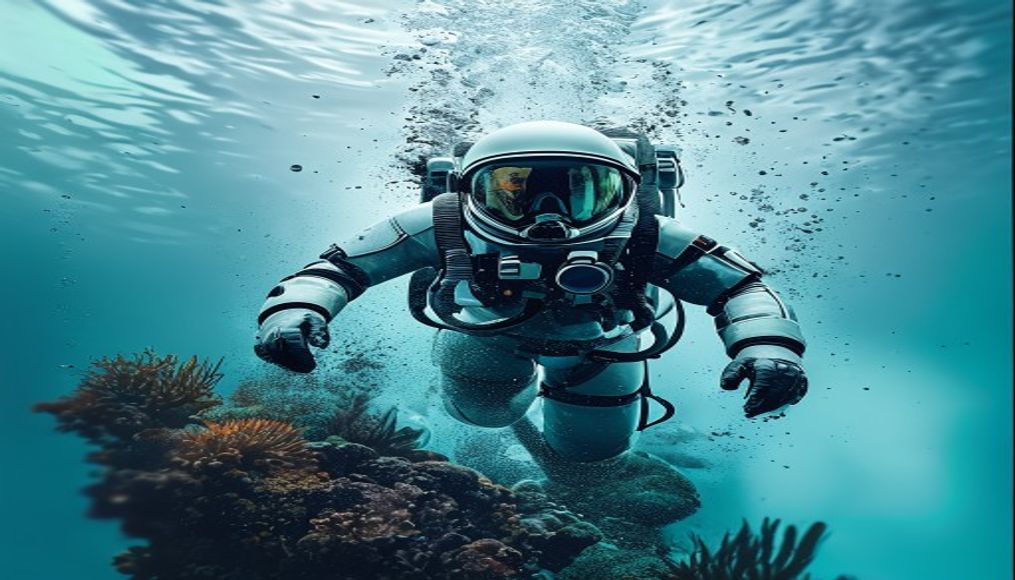
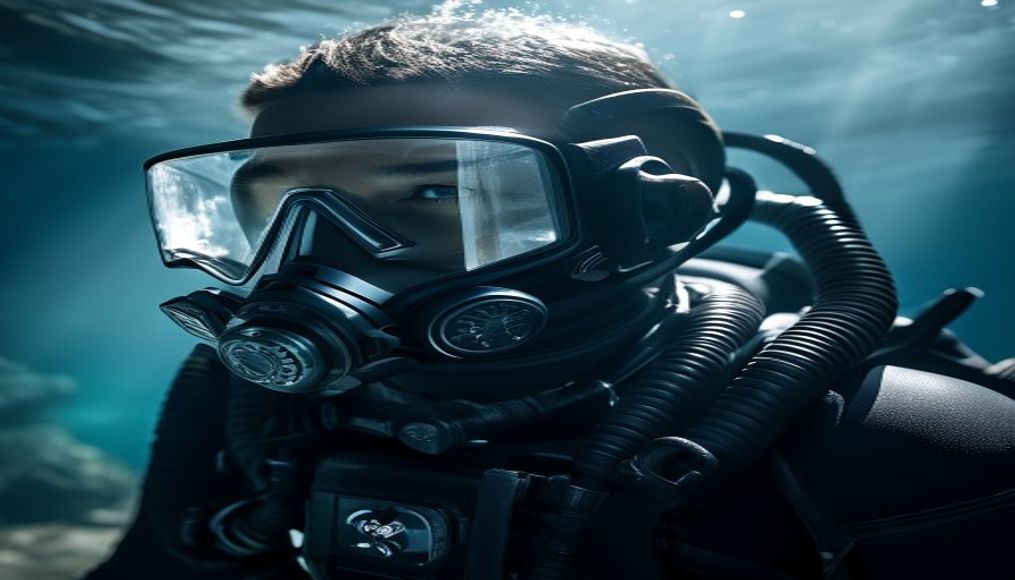
Remotely Operated Vehicles, or ROVs, are underwater robots controlled via a cable from a surface vessel. Used mainly in the oil and gas industry, scientific research, and deep-sea exploration, these machines perform complex tasks in extreme environments where human presence is impossible. The first modern ROV was the PINGUIN, developed in the 1950s, but it was in the 1970s that technological advances popularized their use, especially with the CURV ROV, which recovered lost missiles at sea. Today, models like the ROV Ventana, operated by the Monterey Bay Aquarium Research Institute, reach depths of up to 4,000 meters, collecting biological and geological samples. ROV technology has evolved to include articulated robotic arms, high-definition cameras, and advanced sensors that map the seafloor with millimeter precision. In popular culture, ROVs gained prominence in James Cameron's film Titanic (1997), where a similar vehicle was used to explore the shipwreck. Beyond industrial applications, ROVs are also used in search and rescue missions, such as locating flight recorders from crashed aircraft. The integration of artificial intelligence promises to make these vehicles even more autonomous, reducing reliance on human operators. ROV design often inspires conceptual fashion collections that explore robotic aesthetics and the marine environment, as seen in high-fashion editorials blending technological functionality with artistic expression.
Frequently Asked Questions
What does ROV stand for?
ROV stands for Remotely Operated Vehicle, an underwater robot controlled by operators on the surface.
What are the main applications of ROVs?
ROVs are used in the oil and gas industry for platform inspection and maintenance, in scientific research for seafloor data collection, and in search and rescue operations.
Can ROVs operate at any depth?
No, the maximum depth depends on the model. Work-class ROVs can operate down to 6,000 meters, while more advanced vehicles have reached over 10,000 meters.
Direct URL
https://pub-c7d6a6ea828543ac903a74a341ccb2e1.r2.dev/imagens/rov-remote-operated-high-fashion-editorial-p4.jpgHow to credit
Include a visible link back to UtilizAí. Copy one of the snippets below:
<a href="https://xn--utiliza-eza.com/en/midia/imagens/rov-remote-operated-high-fashion-editorial-p4">Rov remote operated</a> by <a href="https://xn--utiliza-eza.com">UtilizAí</a>, licensed under <a href="https://creativecommons.org/licenses/by/4.0/">CC BY 4.0</a>.
[Rov remote operated](https://xn--utiliza-eza.com/en/midia/imagens/rov-remote-operated-high-fashion-editorial-p4) by [UtilizAí](https://xn--utiliza-eza.com), CC BY 4.0
License: CC-BY-4.0