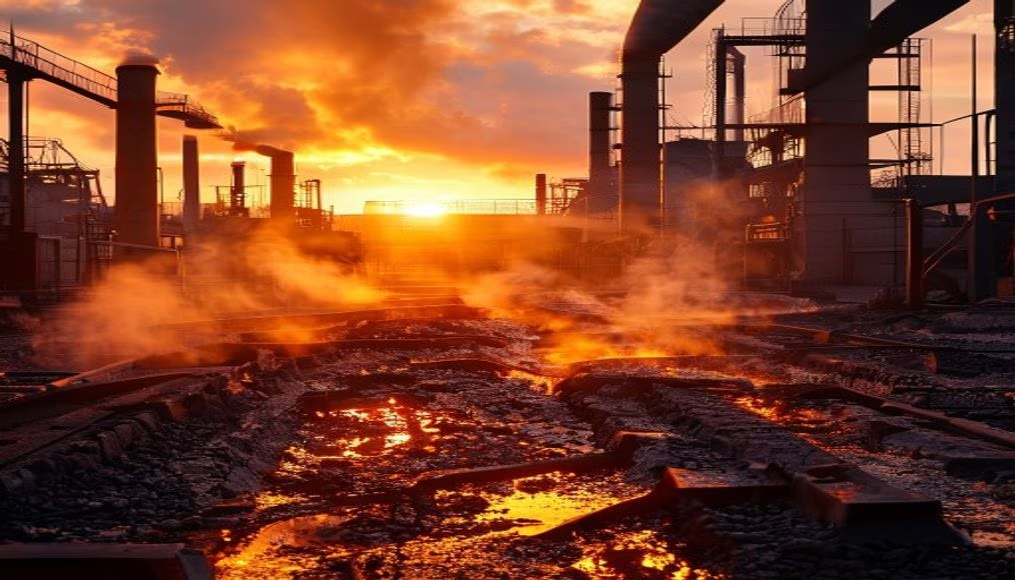
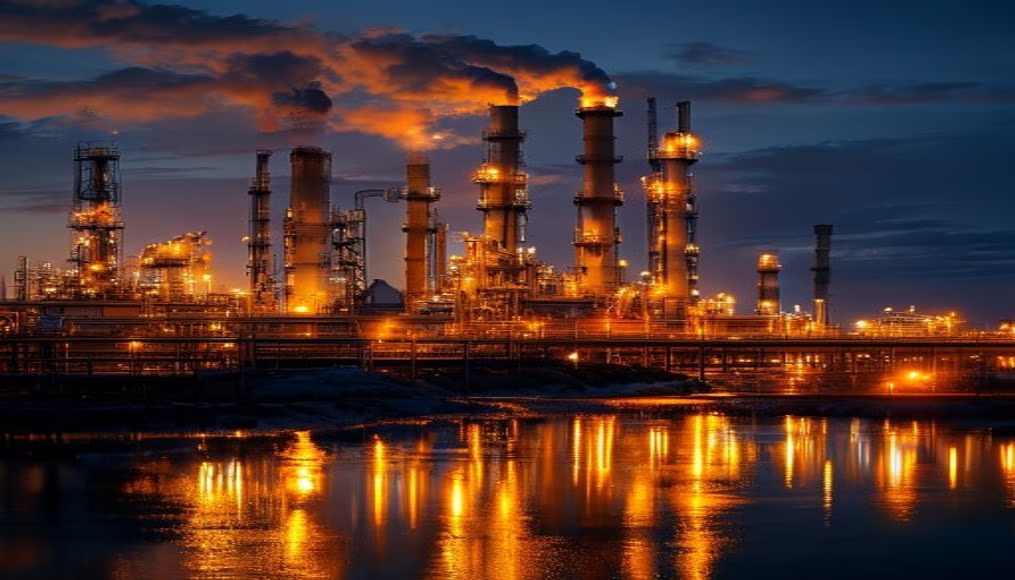
Steel mill molten metal
1344×768 · AVIF · CC BY 4.0
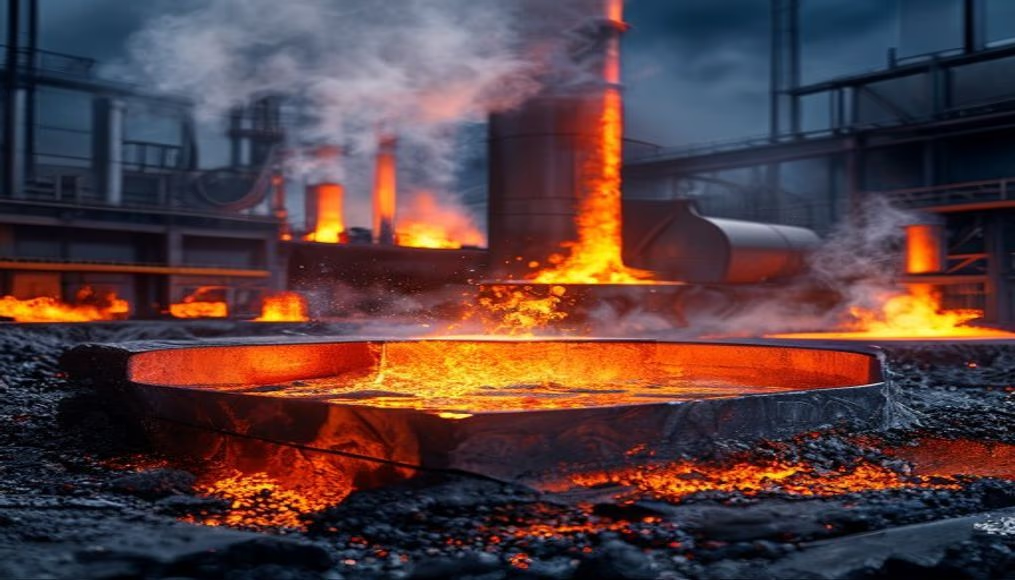
Steel mill molten metal: the steelmaking process that converts pig iron into liquid steel at temperatures exceeding 1600 °C.
About this subject
Inside a steel mill, molten metal is the heart of steel production. The process begins with pig iron from blast furnaces, fed with iron ore, coke, and limestone. This liquid iron is transferred to converters, typically the LD (Linz-Donawitz) type, where pure oxygen is blown to remove impurities and adjust chemistry. The bath temperature exceeds 1600 °C, requiring specialized refractory linings on all equipment.
The liquid steel can be further refined in ladle furnaces for precise temperature and alloy control. It then flows to continuous casting, solidifying into billets, blooms, or slabs. These semi-finished products go to rolling mills, producing sheets, bars, beams, and other shapes used in construction, automotive, machinery, and appliances worldwide.
Brazil ranks among the top global steel producers. Major mills are concentrated in the Southeast region, operated by companies like Gerdau, Usiminas, ArcelorMittal, and Companhia Siderúrgica Nacional. The Brazilian industry mainly uses the blast furnace, oxygen route, though electric arc furnaces fed with scrap are also common in mini-mills.
A technical note: each tonne of steel produces about 1.9 tonnes of CO₂, driving research into low-carbon processes such as green hydrogen direct reduction. Capturing molten metal in a steel mill photograph reveals not only the intense glow and hazardous environment, but also the foundation of modern industrial civilization.
Frequently Asked Questions
What is the temperature of molten metal in a steel mill?
Liquid steel ranges from 1600 °C to 1700 °C. Pig iron before conversion is about 1400 °C to 1500 °C.
What are the main furnace types used in steelmaking?
The LD (Linz-Donawitz) converter uses oxygen, while the electric arc furnace (EAF) melts scrap with electricity. Both produce high-quality liquid steel.
How is liquid steel turned into final products?
After refining, liquid steel goes to continuous casting, solidifying into billets, slabs, or blooms. These semis are hot or cold rolled into sheets, bars, beams, pipes, and other shapes.
Direct URL
https://pub-c7d6a6ea828543ac903a74a341ccb2e1.r2.dev/imagens/steel-mill-molten-metal-commercial-product-photography-v9.avifHow to credit
Include a visible link back to UtilizAí. Copy one of the snippets below:
<a href="https://xn--utiliza-eza.com/en/midia/imagens/steel-mill-molten-metal-commercial-product-photography-v9">Steel mill molten metal</a> by <a href="https://xn--utiliza-eza.com">UtilizAí</a>, licensed under <a href="https://creativecommons.org/licenses/by/4.0/">CC BY 4.0</a>.
[Steel mill molten metal](https://xn--utiliza-eza.com/en/midia/imagens/steel-mill-molten-metal-commercial-product-photography-v9) by [UtilizAí](https://xn--utiliza-eza.com), CC BY 4.0
License: CC-BY-4.0